How To Hold Drum Sticks: Proper Grip Tips For Beginners
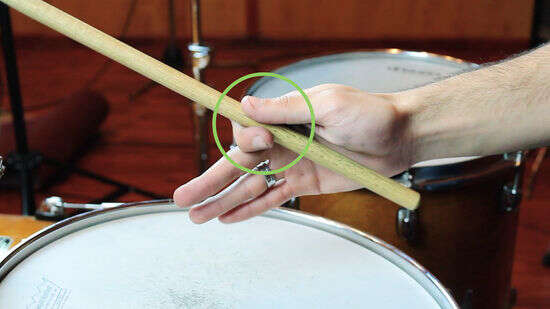
Hold drumsticks with a relaxed fulcrum between thumb and index finger for control and bounce.
I’ve taught drummers of all ages and played in bands for years, so I know what works. This guide on how to hold drum sticks covers basic grips, finger control, common mistakes, practice drills, and gear tips. Read on to learn clear, practical steps you can use today to improve control, speed, and sound.

Grip basics: the foundation of how to hold drum sticks
Good tone starts with a good grip. The core idea of how to hold drum sticks is to create a balanced fulcrum. The fulcrum is the pivot point where the stick bounces. Place the stick so it rests against the side of the thumb and the pad of the index finger. Hold the stick gently. Let the middle and ring fingers wrap loosely under the stick for support.
Follow these steps:
- Hold the stick about one-third of the length from the butt end for most sticks.
- Place the thumb on the side, not on top, about a thumb-width from the index finger.
- Let the index finger rest on top and form the main pivot.
- Let the other fingers curve under and support the stick with light pressure.
Why this matters: a relaxed fulcrum gives you rebound control. You will use less force and play longer with less fatigue. This simple approach to how to hold drum sticks boosts speed and accuracy.
Matched grip versus traditional grip: which to use and why
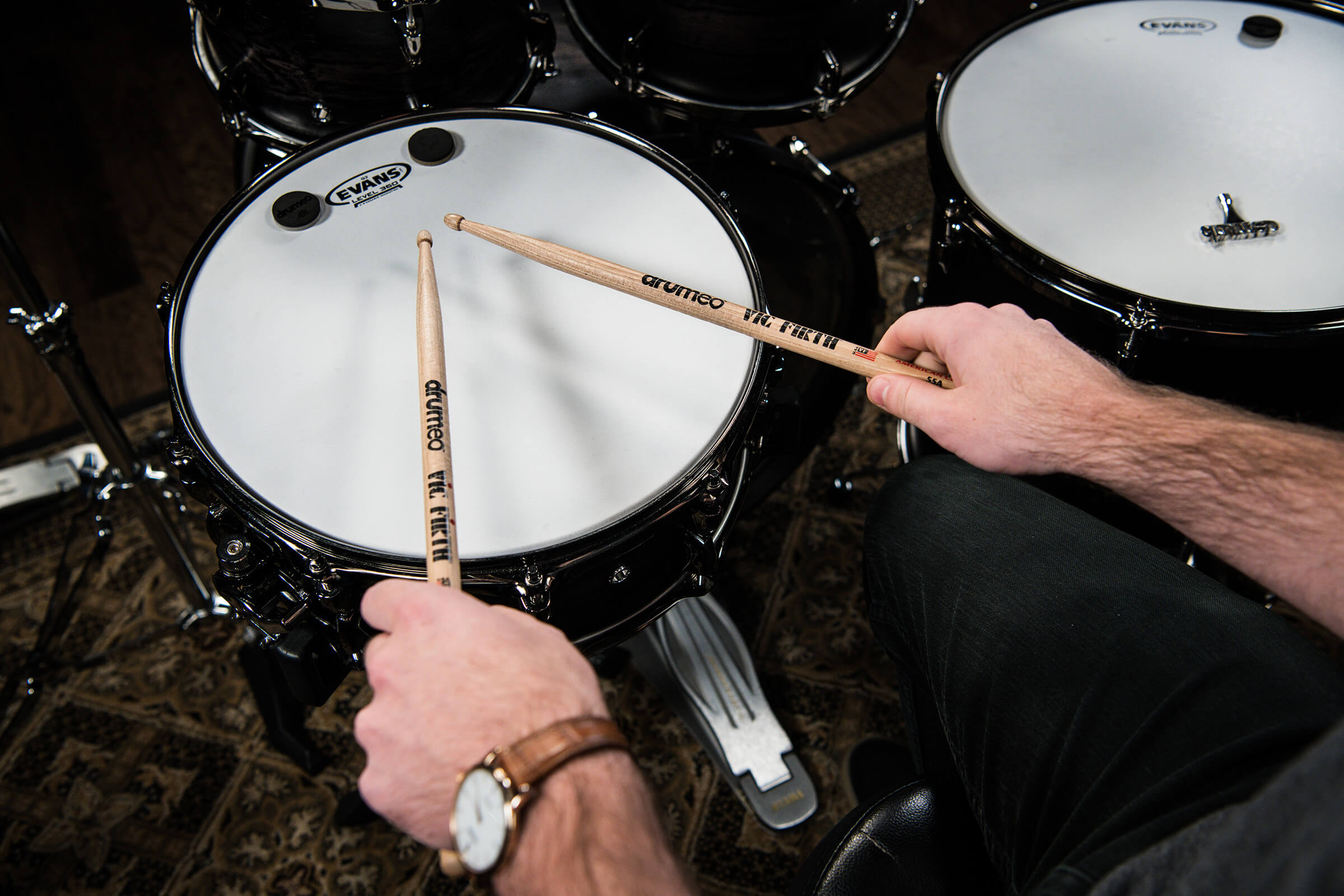
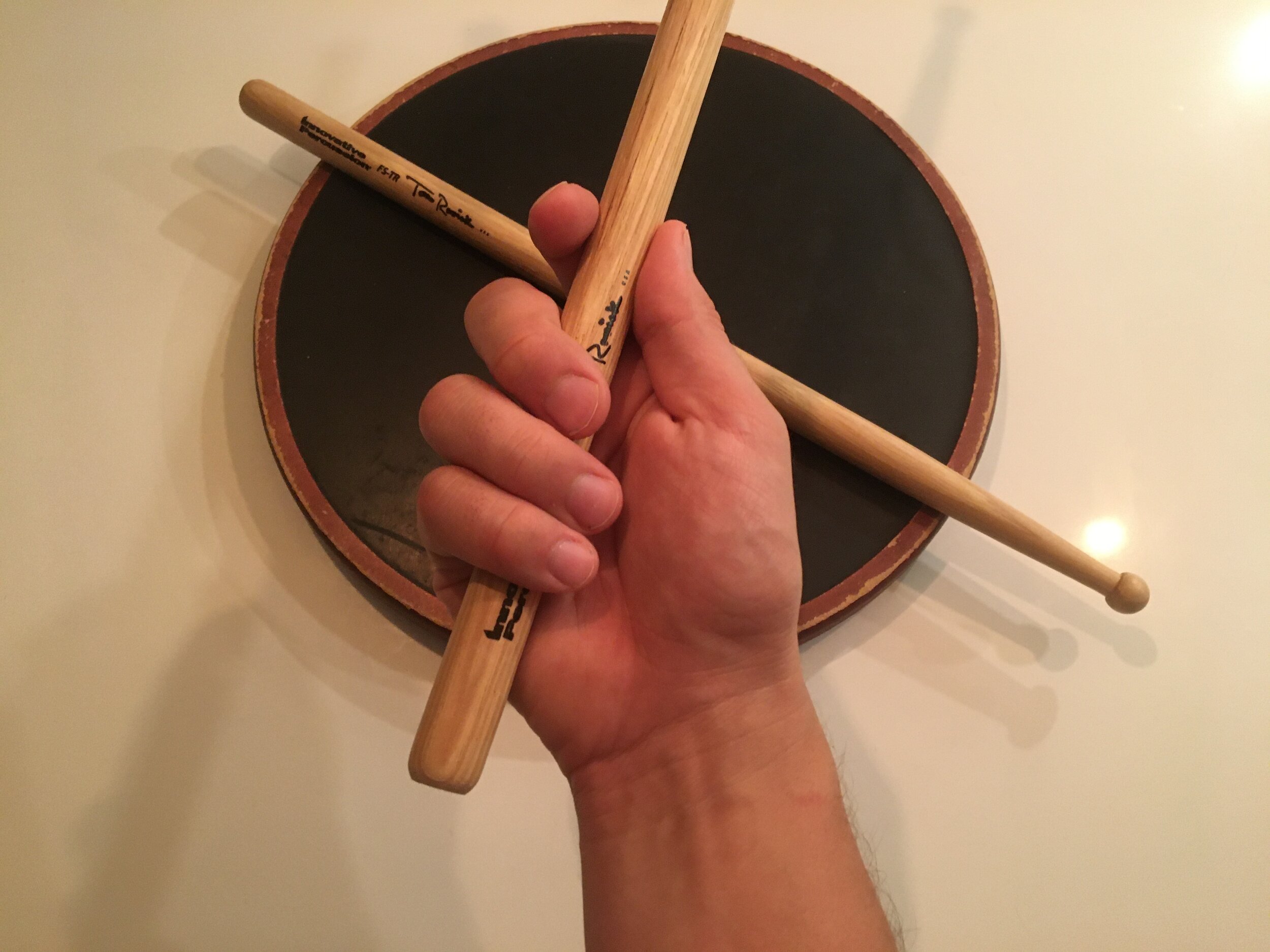
There are two main styles for how to hold drum sticks. Matched grip uses the same grip in both hands. It’s the most common today. Traditional grip has one hand turned, with the stick resting between the thumb and index finger and tucked into the palm. It began with marching snare drummers.
Key points:
- Matched grip is easier to learn. It helps with power and symmetry. Most beginners start here.
- Traditional grip can give more finesse for jazz and classical snare playing. It takes more practice to master.
- Choose the grip that fits your music and body. Many pros switch grips by song or genre.
From my experience, teaching beginners matched grip produces faster results. Yet I kept traditional grip for certain jazz chops because it feels more musical for that style.

Fulcrum and finger control: the small changes that make a big difference
The fulcrum is tiny but powerful. How to hold drum sticks well depends on subtle finger action. Use the thumb and index finger for pivoting. Use the middle finger to guide rebounds. The ring and pinky add stability.
Drills to feel the fulcrum:
- Tap the drum lightly and watch the stick rebound. Adjust thumb pressure until the rebound feels even.
- Practice single strokes using fingers only. Keep the wrist relaxed.
- Play slow doubles and focus on identical height for each stroke.
Tip from experience: if your wrist and forearm are tense, reset and focus on fingers for a minute. Small finger motion often fixes big tone issues.
Grip pressure and relaxation: avoid common tension traps
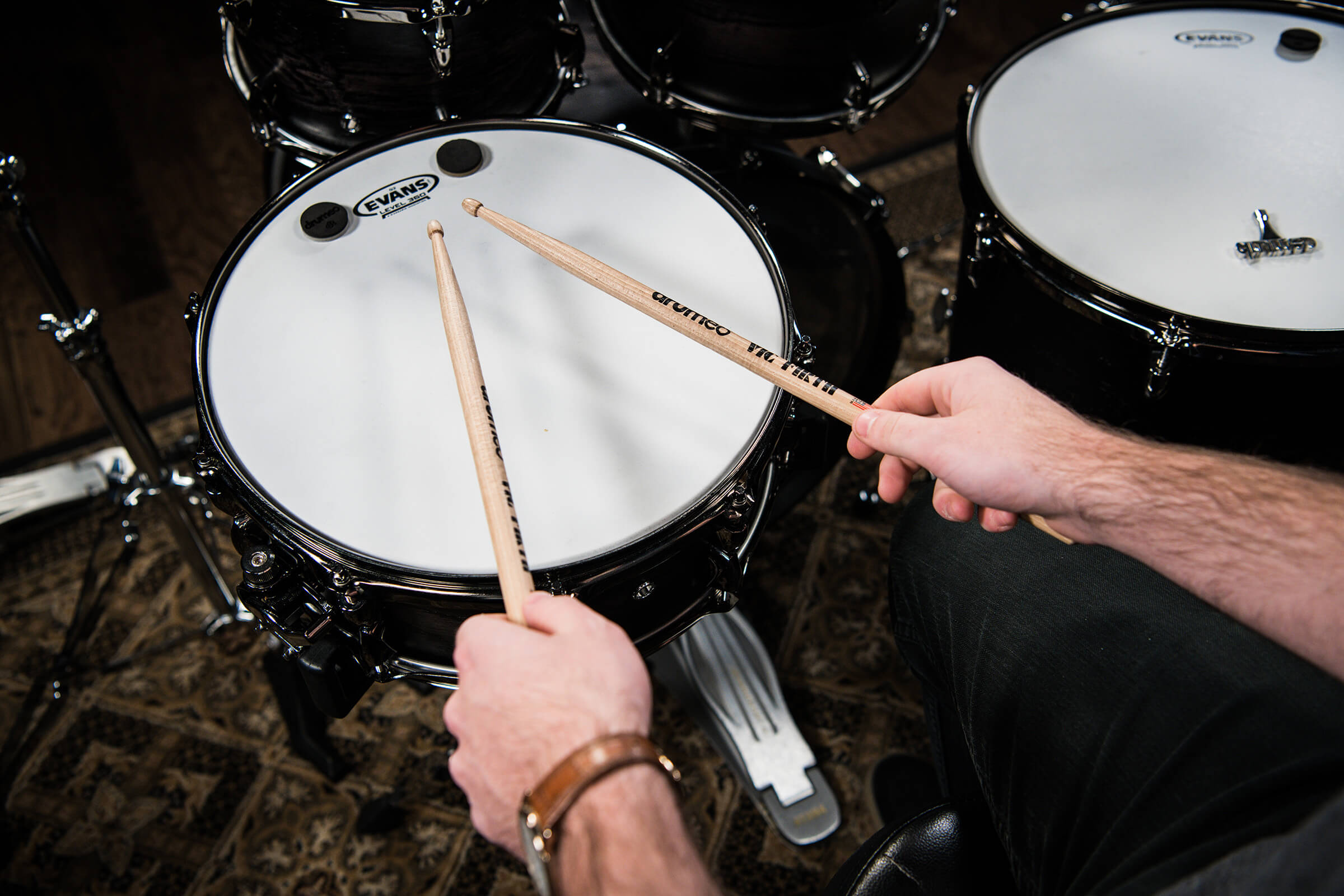
Tension kills speed and tone. Many drummers squeeze sticks too hard when learning how to hold drum sticks. That blocks rebound and causes fatigue. Aim for a “soft clamp” — firm enough to control the stick, light enough for bounce.
Signs you’re squeezing too much:
- Your hands cramp during practice.
- The strokes sound flat and lifeless.
- Your speed stalls after a short time.
How to fix it:
- Pause every five minutes and shake your hands.
- Use short practice bursts. Rest often.
- Monitor thumb pressure. If the stick won’t bounce, loosen the thumb slightly.

Common mistakes and quick fixes when learning how to hold drum sticks
I see the same mistakes over and over. Here’s how to fix them fast.
Common mistake 1: Holding the stick too low
- Effect: You lose control and power.
- Fix: Move your hand a bit closer to the end of the stick for leverage.
Common mistake 2: Thumb on top of the stick
- Effect: Blocks natural rebound.
- Fix: Place thumb on the side for better fulcrum.
Common mistake 3: Wrist-only playing
- Effect: Strain and limited speed.
- Fix: Use fingers and forearm together. Keep motions small.
Common mistake 4: Rigid fingers
- Effect: Poor roll and bounce.
- Fix: Practice finger control drills and loosen the grip.

Practice exercises to improve how to hold drum sticks
Short, focused drills build muscle memory for how to hold drum sticks. Practice daily with clear goals.
Routine example:
- Warm-up: 2 minutes of relaxed single strokes, focusing on rebound.
- Finger taps: 3 sets of 20 taps using fingers only, both hands.
- Accent control: 4 sets of paradiddles at slow tempo, varying accents.
- Speed building: 1-minute bursts at 70% effort, then rest.
Keep reps short and frequent. I advise 10–15 minutes daily rather than long, tiring sessions. Track progress and adjust grip if you feel pain.
Stick selection and ergonomics: match sticks to hands and music
How to hold drum sticks also depends on the sticks themselves. Stick length, tip shape, and weight change feel and balance.
Considerations:
- Lighter sticks are easier for fast finger work.
- Heavier sticks give more volume and power.
- Wooden tips offer warmer tone; nylon tips are brighter and last longer.
- Try different diameters to fit your hand size.
I’ve tested many sticks. A medium 5A is a good all-around choice for beginners learning how to hold drum sticks. Switch only when you need a distinct sound or feel.

PAA-style questions: quick answers users often want
What grip should a beginner choose?
- Matched grip is best for most beginners. It’s simple and versatile.
Where should my thumb sit on the stick?
- The thumb should rest on the side of the stick, near the index finger, to form a solid fulcrum.
How far from the end should I hold the stick?
- Start about one-third from the butt for balanced control. Adjust slightly for comfort.
Can finger control increase speed?
- Yes. Strengthening finger motion improves rebound and increases speed without tension.
How do I stop my wrists from hurting?
- Loosen your grip, use short practice bursts, and check your posture and grip position.

Personal tips from my playing and teaching experience
I learned early to watch students’ hands closely. Small changes often fix big problems. I once had a student who could not play a groove cleanly. We moved his hand just half an inch toward the butt of the stick and the groove unlocked. That small shift changed his angle, improved leverage, and reduced tension.
Lessons learned:
- Change one thing at a time. Tiny tweaks produce lasting gains.
- Record short video clips of your hands to spot issues.
- Be patient. Grip changes take weeks to feel natural.
Related concepts: posture, drum height, and stick angles
How you hold drum sticks links to posture and kit setup. Poor posture forces bad grip habits.
Simple setup checklist:
- Sit at a height where your thighs are parallel to the floor.
- Keep the snare at a comfortable angle, not too high.
- Angle your sticks slightly so the tip meets the drum center for a clear tone.
These small setup steps help your grip perform at its best.
Frequently Asked Questions of how to hold drum sticks
How tight should I hold the drum sticks?
Hold sticks with light to moderate pressure. The grip should be firm enough to control the stick but loose enough to allow rebound and finger motion.
Which is better for beginners, matched or traditional grip?
Matched grip is generally better for beginners. It is easier to learn and works well across styles, while traditional grip suits specific genres like jazz.
How long will it take to change my grip comfortably?
Expect several weeks of consistent practice to feel comfortable with a new grip. Short, daily practice sessions speed up the process.
Can finger exercises really improve my playing?
Yes. Finger-focused drills improve rebound control, speed, and endurance. They also reduce strain in the wrist and forearm.
What if my hands get sore while practicing?
Stop and rest if you feel sharp pain. Check your grip, loosen your fingers, and reduce practice time. Pain might indicate tension or poor technique.
Conclusion
Mastering how to hold drum sticks starts with a relaxed fulcrum, steady finger control, and smart practice. Small, consistent adjustments lead to better tone, less fatigue, and faster progress. Try the drills, watch your hand angle, and pick a stick that fits your hand and music. Start today: practice five to ten focused minutes using these tips and notice the difference in a week. Share your progress, subscribe for more tips, or leave a comment about your grip struggles and wins.

Senior Music Reviewer
Alex Carter is a seasoned music reviewer with over a decade of experience in the world of sound and instruments. Passionate about helping musicians and enthusiasts make informed choices, he brings sharp insights and in-depth knowledge to every review. From classical instruments to modern gear, Alex combines technical expertise with a love for music to deliver content that resonates with readers.
As a Senior Music Reviewer and expert author on Tuneluma.com, Alex is dedicated to sharing honest evaluations, practical advice, and thoughtful commentary to guide readers in their musical journey.