The best way to learn guitar is to combine regular guided practice, simple songs, basic music skills, and feedback from a teacher or trusted course. For most people in the United States, a strong plan is to practice for 20 to 30 minutes, five days a week, while using songs you enjoy to keep your work fun.
A teacher can fix problems early. A clear online course can lower the cost. Songs give your practice a purpose. The best method is not one app, book, or school. It is a steady system that fits your time, budget, guitar, and goals.
This guide explains how to start, what to practice, how to choose lessons, and how to avoid common mistakes.
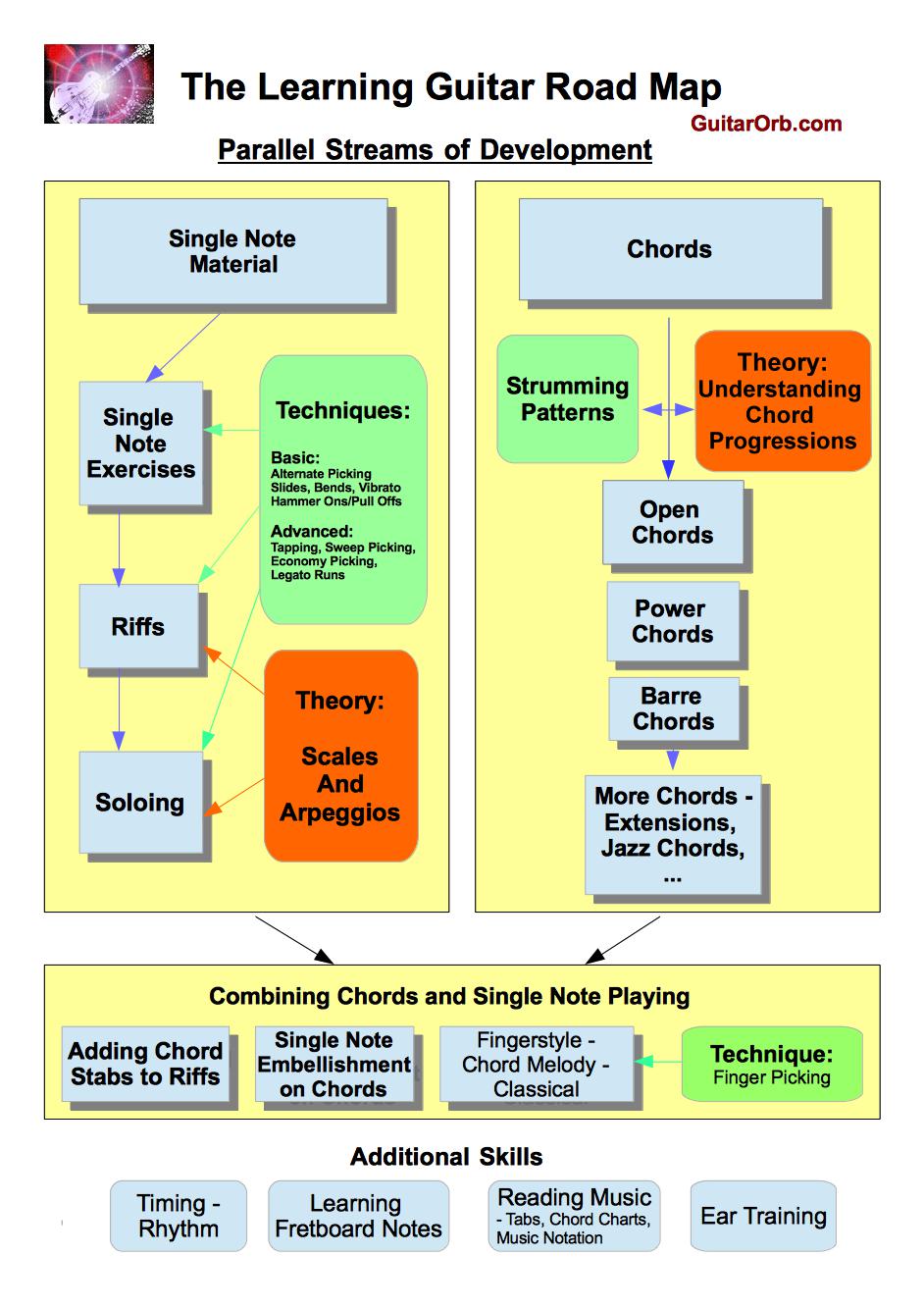
The Best Guitar Learning Method: A Simple Formula
The most effective approach has four parts:
- Learn the basic skills in the right order.
- Practice often in short, focused sessions.
- Play real songs as soon as possible.
- Get feedback before bad habits become hard to change.
This method works for acoustic guitar, electric guitar, and classical guitar. The details will differ, but the core process stays the same.
Why a mixed approach works
Learning guitar involves several skills at once:
- Chord shapes
- Rhythm
- Picking or strumming
- Finger strength and control
- Reading chord charts or tablature
- Listening
- Changing chords smoothly
- Playing with other people
No single activity builds all of these skills. Playing only scales can make your fingers more familiar with the fretboard, but it may not help you play songs. Playing songs without guidance can build rhythm, but it may also reinforce poor technique.
A balanced plan lets each skill support the others.
A useful weekly practice split
This sample plan suits a beginner with about 30 minutes per day:
| Practice task | Time | Main goal |
|---|---|---|
| Warm-up and technique | 5 minutes | Finger control and comfort |
| Chords and chord changes | 8 minutes | Clean shapes and smooth movement |
| Rhythm practice | 5 minutes | Steady timing |
| Song practice | 10 minutes | Apply skills in music |
| Review or free play | 2 minutes | Recall and enjoyment |
You can change the times. The key is to include more than one skill.
Learn one level at a time
A good order for most beginners is:
- How to hold the guitar and pick
- How to tune the guitar
- Basic open chords
- Simple strumming patterns
- Chord changes
- Easy songs
- Power chords or movable chords
- Scales and basic theory
- Barre chords
- Ear training and improvisation
This is a guide, not a strict law. A learner who wants to play rock may study power chords early. A learner who wants to fingerpick folk songs may focus on thumb patterns sooner.
The best order is the one that matches your goal while still fixing the basics.

Start With a Clear Guitar Goal
Your goal changes the best way to learn guitar. “I want to play guitar” is a good dream, but it is too broad for daily practice.
Choose a result that you can see or hear.
Examples of useful goals
- Play three songs for friends within 90 days
- Learn basic blues guitar
- Play country songs with a steady strum
- Write simple singer-songwriter songs
- Join a church, school, or community band
- Play lead guitar in a rock style
- Accompany your own singing
- Learn fingerstyle guitar
- Read standard music for classical guitar
Each goal calls for a different mix of skills.
For example, a singer-songwriter needs strong rhythm and common chords. A lead guitarist needs scales, bends, phrasing, and improvisation. A classical guitarist needs posture, reading, right-hand technique, and careful tone control.
Set a short-term target
Use a goal that has:
- A clear result
- A time limit
- A realistic level of difficulty
For example:
“In the next six weeks, I will play two easy songs from start to finish at a slow, steady tempo.”
That goal is better than “I will become good at guitar.” It tells you what to practice and how to measure progress.
Pick music you actually like
Motivation matters because guitar skill grows through repeated work. Choose songs that are slightly easier than your current level. A song that is far too hard can make practice feel like a wall.
Start with songs that use:
- Two to four chords
- A slow or medium tempo
- Repeated chord patterns
- Simple strumming
- Few or no barre chords
You do not need to learn the full recording at once. Learn the chord loop first. Then add the rhythm, intro, fills, and other details.

Should You Learn Guitar With a Teacher or Online?
A teacher is usually the fastest way to find and fix technique problems. Online lessons are often cheaper and more flexible. Many learners do best with a mix of both.
In-person guitar lessons
A local teacher can watch:
- Your posture
- Your thumb position
- Your pick grip
- Your wrist angle
- Your chord shapes
- Your timing
- Your tension
That feedback can save months of guesswork.
In the United States, you may find teachers through local music stores, community music schools, colleges, libraries, and private studios. A trial lesson can help you judge the fit.
A good teacher should explain the reason for an exercise, adjust it to your level, and give you clear work for the next week. The teacher should also respect your music goals.
Online guitar lessons
Online courses can work well when they offer:
- A clear learning path
- Short lessons
- Slow demonstrations
- Practice tasks
- Song lessons
- Reviews of older material
- A way to ask questions or get feedback
Video lessons are useful because you can pause and replay them. They also let you learn on your own schedule.
The main weakness is that a video cannot always see your hands. You may copy a mistake without knowing it. Recording yourself can help, but occasional feedback from a teacher or skilled player is still useful.
Apps, books, and videos
Apps can help with tuning, rhythm, chord charts, and daily practice. Books can give you a strong reference. Free videos can explain one narrow skill.
Treat each tool as part of a plan. Do not jump between ten teachers and five methods every week. Too many methods can create confusion.
How to choose a teacher or course
Ask these questions:
- Does it match the music I want to play?
- Does it teach rhythm, not only chord shapes?
- Does it include songs?
- Does it show how to practice?
- Can I get corrections?
- Does it move at a pace I can follow?
- Are the costs clear?
- Can I stop or change plans easily?
The deciding factor is not whether the lesson is online or in person. It is whether the lesson gives you a clear task and useful feedback.
How to Practice Guitar So You Improve
The best guitar practice is focused, slow enough to be accurate, and repeated over time. Ten careful minutes can help more than an hour of distracted playing.
Use a practice loop
For any skill, use this five-step loop:
- Choose one small task.
- Play it slowly.
- Notice the first mistake.
- Fix that part.
- Repeat it several times without rushing.
Suppose you cannot change from G to C cleanly. Do not play the full song again and again at full speed. Practice only the G-to-C change. Move each finger slowly. Check the shape. Then repeat the change with a metronome at a comfortable speed.
This process turns a large problem into a small one.
Practice with a metronome
A metronome gives you a steady beat. It helps you learn to play in time, which is one of the most important guitar skills.
Begin at a speed where you can play the part without stopping. Raise the tempo only when your timing stays even.
If a song feels too hard at 90 beats per minute, try 60. Speed is not the first goal. Control is.
Record yourself
A phone recording can reveal problems that are hard to feel while playing:
- Uneven rhythm
- Muted strings
- Rattling notes
- Late chord changes
- Extra string noise
- Tension in your hands
- A tempo that speeds up
You do not need special gear. Record one short exercise once or twice a week. Compare it with your earlier recording.
Use spaced practice
Review skills across several days instead of cramming them into one long session. A chord learned on Monday should appear again on Tuesday, Thursday, and Saturday.
This approach supports memory because you must recall the skill after a short break. It also shows whether the skill is becoming stable.
Know when to move on
Move to a harder version when you can:
- Play the part several times in a row
- Keep a steady beat
- Make few unwanted sounds
- Stay relaxed
- Recover after a small mistake
You do not need perfect playing. You need reliable playing at a reasonable speed.
What to do when practice stops working
If you feel stuck, change one variable:
- Slow down
- Shorten the exercise
- Remove the strumming pattern
- Practice two chords instead of four
- Use a different finger choice
- Take a short break
- Ask for feedback
- Return to an easier song
A problem is often a sign that the task is too large, too fast, or not clear enough.

The First Guitar Skills to Learn
Beginners should focus on skills that appear in many songs. These skills give you the most value early.
1. Tuning
Learn to tune before you practice. A badly tuned guitar can make correct chords sound wrong.
A digital tuner or tuning app can help. Standard tuning is:
- 6th string: E
- 5th string: A
- 4th string: D
- 3rd string: G
- 2nd string: B
- 1st string: E
The thickest string is the 6th string. The thinnest string is the 1st string.
2. Basic chords
Start with common open chords such as:
- C major
- G major
- D major
- A major
- E major
- A minor
- E minor
- D minor
You do not need to learn all of them in one week. Learn two or three, then practice moving between them.
3. Clean chord shapes
Place your fingers close to the fret wire without pressing directly on it. Use enough pressure to make the note ring. Too much force can make your hand tired.
Play each string one at a time. If a string sounds dull, find the cause. Another finger may be touching it, or your finger may not have enough space.
4. Rhythm
Many beginners focus on the left hand and ignore the strumming hand. Rhythm deserves equal attention.
Practice moving your hand in a steady down-and-up motion. You do not need to strike the strings on every motion. The steady motion helps you keep time.
5. Chord changes
At first, make the change slowly. Keep your fingers near the strings. Look for shared fingers between two chords when possible.
For example, some chord changes become easier when one finger stays in place. A teacher or clear chord chart can show these useful connections.

How Long Does It Take to Learn Guitar?
There is no single timeline because “learn guitar” can mean different things. A person may play simple songs in a few weeks but need years to develop advanced technique.
A realistic pattern for a regular beginner may look like this:
| Practice period | Possible ability |
|---|---|
| First few weeks | Tune the guitar and play a few basic chords |
| One to three months | Play simple songs with slow chord changes |
| Three to six months | Use more chords and steadier rhythm |
| Six to 12 months | Play a wider song list and basic movable shapes |
| One year and beyond | Build style, speed, ear skills, and stronger technique |
These are general ranges, not promises. Progress depends on practice quality, prior music experience, instrument comfort, instruction, and the difficulty of your goals.
Someone who practices 20 focused minutes five days per week may progress more steadily than someone who plays for two hours once every two weeks.
Track progress with proof
Use simple evidence:
- Number of songs you can play
- Chords you can change between
- Fastest clean metronome speed
- Minutes you can play without stopping
- Ability to play with a recording
- Ability to recover after a mistake
A progress log can also protect your motivation. Daily improvement may be hard to feel, but weekly improvement is easier to see.

Acoustic or Electric Guitar: Which Is Better for Beginners?
Neither acoustic nor electric guitar is best for every beginner. The better choice is the instrument that fits your goals, body, budget, and music taste.
Acoustic guitar
Acoustic guitar is often useful for:
- Folk music
- Country music
- Singer-songwriter music
- Campfire songs
- Simple chord practice
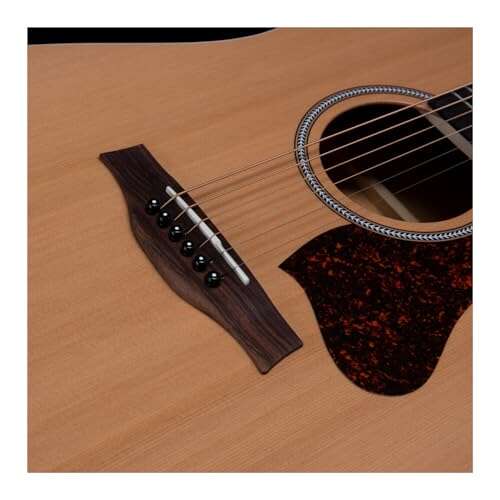
It needs no amplifier. That keeps the setup simple. But some acoustic guitars have stiff strings or high action, which can make them hard for a beginner to play.
Electric guitar
Electric guitar is often useful for:
- Rock
- Blues
- Metal
- Pop lead guitar
- Effects and recording
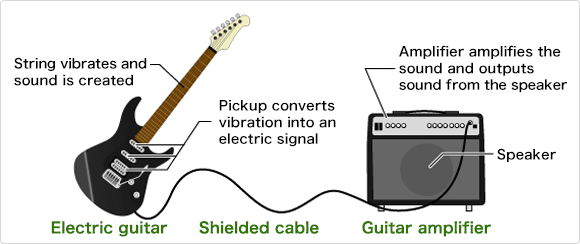
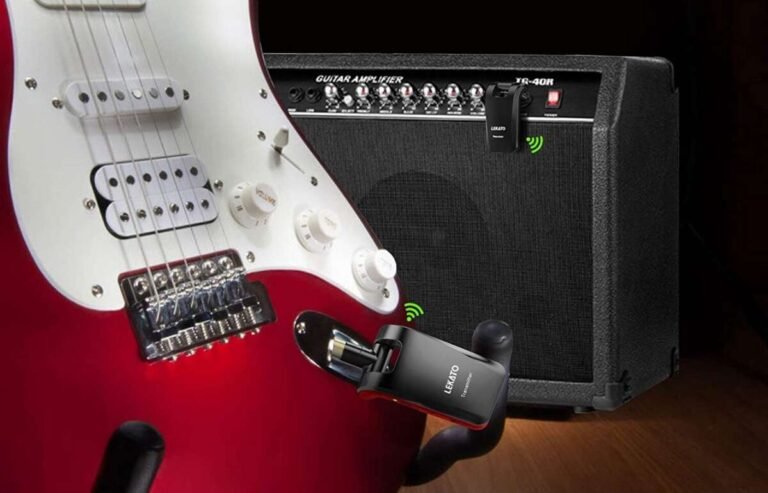
Electric guitar strings may feel easier to press. You will also need an amplifier, cable, and perhaps a pick or effects device.
The most important setup issue
A guitar that is hard to play can slow learning. Ask a qualified guitar technician or music store repair department to check the setup if:
- The strings sit very far from the fretboard
- Notes buzz across many frets
- The neck feels badly bowed
- The guitar will not stay in tune
- Your hands hurt after light practice
Some finger soreness can occur when you begin. Stop if you feel sharp pain, numbness, tingling, or ongoing joint pain. Rest and seek medical advice if symptoms continue.

Common Guitar Learning Mistakes
Trying to play too fast
Speed hides errors. Slow practice gives your hands a clear pattern to repeat.
Learning only from tabs
Tablature shows where to place your fingers, but it may not teach rhythm well. Listen to the song and count the beat.
Avoiding hard chords
Barre chords can feel difficult, but avoiding them forever limits your song choices. Build toward them with smaller exercises and relaxed pressure.
Practicing without tuning
An out-of-tune guitar can make your ear accept wrong sounds. Tune before each session.
Changing methods too often
A new course may feel exciting, but constant switching can prevent review. Stay with one clear system for several weeks before judging it.
Ignoring the strumming hand
A song can use the right chords and still sound weak if the rhythm is uneven. Practice strumming on muted strings to focus on timing.
Comparing yourself with advanced players
Online videos often show polished performances. Compare your playing with your own earlier recordings instead.
Playing through pain
Do not treat pain as proof that practice is working. Check your posture, grip, instrument setup, and practice length. Stop when symptoms are sharp, numb, or persistent.

A 30-Day Beginner Guitar Plan
This plan gives you a simple starting point. Practice for 20 to 30 minutes on five days each week.
Week 1: Setup and basic control
Practice:
- Tuning
- Holding the guitar
- Picking one string at a time
- Two easy chords
- Downward strums
- Counting four beats
Goal: Make clean sounds and keep a steady slow beat.
Week 2: Add chord changes
Practice:
- Three or four chords
- Two-chord changes
- Slow strumming
- One easy song section
Goal: Change chords without stopping for every movement.
Week 3: Build rhythm
Practice:
- Down-and-up motion
- A metronome
- Chord changes at a steady tempo
- The verse or chorus of one song
Goal: Keep time while changing chords.
Week 4: Finish a song
Practice:
- Playing the song from start to finish
- Fixing the hardest transition
- Recording one attempt
- Playing along with the original recording at a slower speed
Goal: Complete one song, even if it is slow.
If you cannot meet a week’s goal, repeat it. A slower path is still progress.

How to Choose Guitar Songs for Practice
Choose songs by skill, not only by taste. A favorite song may be a good long-term goal but a poor first song.
Look for:
- A small number of chords
- A repeated pattern
- A manageable tempo
- Clear rhythm
- Few complex fills
- A version labeled beginner or easy
You can simplify many songs. Play only the chords. Use a basic down-strum. Skip the intro. Play the chorus first.
Then add detail in stages:
- Chords
- Basic rhythm
- Full strumming pattern
- Intro or riff
- Fills and changes in dynamics
This approach lets you play music early without pretending that a complex recording is easy.

Frequently Asked Questions
Is it better to learn guitar by ear or by reading tabs?
Use both. Tabs can show where to place your fingers. Your ear can show whether the rhythm, pitch, and feel are right. Beginners should learn to listen while reading rather than depend on only one method.
Can I teach myself guitar?
Yes. Many people learn basic guitar skills on their own. A structured course, practice log, tuner, metronome, and occasional feedback can make self-study more effective.
How often should a beginner practice guitar?
Five short sessions per week work well for many beginners. Even 10 to 15 focused minutes can help when practice is regular. Rest if your hands hurt or feel strained.
Is guitar hard to learn?
The first stage can feel hard because your fingers and rhythm must work together. Progress becomes easier when you break songs into small parts and practice them slowly.
Should I learn music theory first?
No. You can start with chords and songs. Learn basic theory as you go. Understanding rhythm, chord names, keys, and scales will become more useful once you have some playing experience.
What is the best age to start guitar?
There is no single best age. Children may need a smaller guitar and shorter lessons. Adults often bring clear goals and strong focus. The best time is when you can practice in a steady way.
Conclusion: The Best Way to Learn Guitar Is a Repeatable System
The best way to learn guitar is to practice the right skills in a steady order, use songs for motivation, and get feedback when you need it.
Start with tuning, basic chords, rhythm, and simple songs. Practice slowly for 20 to 30 minutes on most days. Record yourself from time to time. When a skill feels difficult, make the task smaller instead of forcing speed.
Your next step is simple: choose one song, learn two chords from it, and practice changing between them for five focused minutes today.
Research Basis and Helpful Resources
The learning approach in this guide reflects established ideas about practice, feedback, spacing, and skill development. Useful reference points include:
- Practice and skill acquisition research from the American Psychological Association
- The National Association for Music Education
- The Library of Congress guide to guitar tablature and music resources
- The National Institute on Deafness and Other Communication Disorders for general information about protecting hearing when playing amplified music
- JustinGuitar beginner lessons as an example of a structured guitar-learning resource
These resources support general learning and music guidance. They do not replace individualized instruction or medical advice.

Senior Music Reviewer
Alex Carter is a seasoned music reviewer with over a decade of experience in the world of sound and instruments. Passionate about helping musicians and enthusiasts make informed choices, he brings sharp insights and in-depth knowledge to every review. From classical instruments to modern gear, Alex combines technical expertise with a love for music to deliver content that resonates with readers.
As a Senior Music Reviewer and expert author on Tuneluma.com, Alex is dedicated to sharing honest evaluations, practical advice, and thoughtful commentary to guide readers in their musical journey.