What Chord Is This Guitar: The Ultimate 2026 Identification Guide
To identify what chord is this guitar, map your finger positions to a fretboard diagram or use an online chord finder tool.
I have spent years teaching guitar, and I vividly remember the frustration of staring at a complex hand shape, wondering what chord is this guitar actually playing. It is a common hurdle for every beginner and even many intermediate players. Whether you found a handwritten tab or just stumbled upon a cool sound by sliding your fingers around the neck, identifying those shapes is a rite of passage. In this guide, I will share the exact methods I use to decode any mystery shape, helping you understand the theory behind your favorite sounds. By mastering these techniques, you will never have to ask what chord is this guitar again.
How to Analyze Your Hand Position
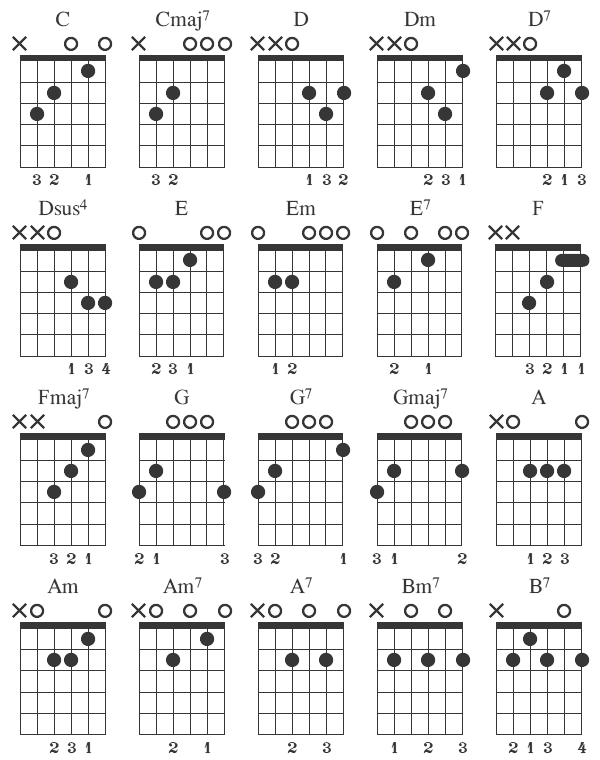
The most reliable way to answer what chord is this guitar is to translate your physical hand shape into musical data. Start by identifying which frets your fingers are pressing down on each string. You should write these down in order from the low E string (the thickest) to the high E string (the thinnest). If you see a zero, that means the string is played open.
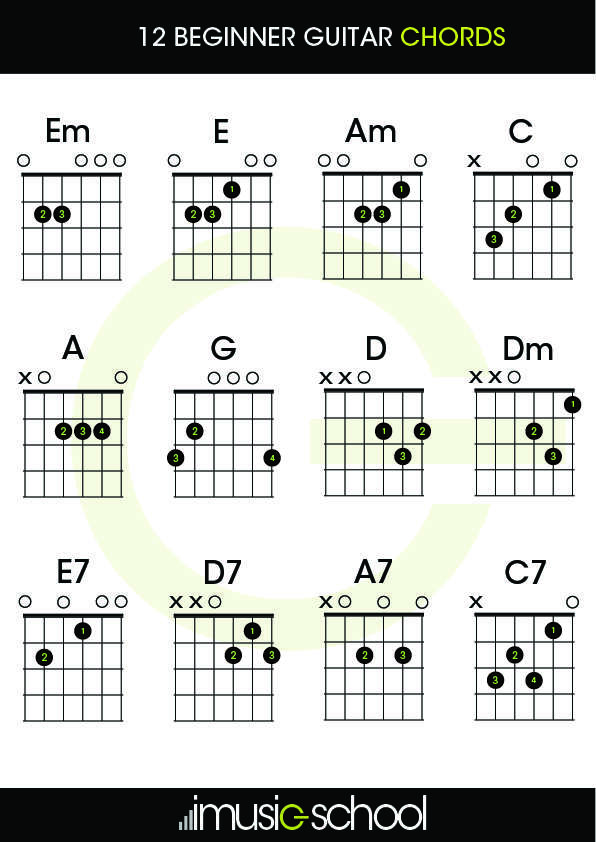
Once you have your string numbers, compare them to a standard chord chart. Many apps allow you to input these specific fret numbers to show you the name of the chord instantly. If you are doing this manually, remember that the lowest note in your shape is often the root note, which provides a strong clue about the chord identity.
Quick checklist before you identify a chord
- Note each string: write frets from low E to high E (0 = open, X = muted).
- Check which strings are actually struck.
- Tune the guitar to standard pitch or note any alternate tuning.
- Mark the bass (lowest) sounding note — it often points to the root.

Using Theory to Identify Chords
When you ask yourself what chord is this guitar, you are essentially looking for a combination of intervals. A basic triad consists of a root, a third, and a fifth. If you know the notes on your fretboard, you can name the notes you are currently holding. For example, if you are holding a C, an E, and a G, you are playing a C major chord.
I always suggest learning the major scale for each note. This helps you realize that the distance between notes creates the chord quality, such as major, minor, or suspended. Over time, your brain will stop seeing shapes and start seeing note intervals, which is the ultimate goal for any serious guitarist.
Step-by-step manual method
- Write the frets: e.g., 0-3-2-0-1-0 for a C chord.
- Translate to notes using the fretboard map (low E -> F, F# etc.).
- List the distinct pitch classes you hear (ignore duplicates).
- Identify root, third, and fifth. Check if the third is major or minor.
- Decide if any additional tones change the chord type (7, 9, sus2, sus4).
Using chord finder apps and reverse chord tools
There are many chord finder websites and mobile apps where you click a fretboard to match the shape. These tools are great for quick answers. They often show chord names, inversion labels, and alternate voicings. Use this method as a learning aid. Compare the app’s result to your manual analysis to build skill.
Common Mistakes When Identifying Chords
One of the biggest mistakes I see students make is ignoring the mute symbol. If you are trying to figure out what chord is this guitar but you are letting an open string ring out that should be muted, you will get the wrong result. Always ensure you are only counting the strings that are actually meant to vibrate in that specific shape.
Another error involves tuning. If your guitar is slightly out of tune, some digital analyzers might misidentify the chord because the frequencies do not match standard pitch. Before you spend time trying to name a mystery chord, give your strings a quick tune to standard pitch to ensure your results are accurate.
Other common pitfalls
- Confusing voicing with chord identity — the same notes in different order are the same chord class.
- Missing extensions (7, 9, 11) because they are weak or doubled.
- Assuming the lowest note is always the root — it may be an inversion or slash chord.

src="https://www.wikihow.com/images/thumb/b/b9/Basic-Guitar-Chords-Overview-Diagram.jpg/v4-460px-Basic-Guitar-Chords-Overview-Diagram.jpg"
alt="Frequently Asked Questions of what chord is this guitar”
style=”max-width: 100%; height: auto; border: 2px solid black; border-radius: 10px; display: block; margin: 0 auto;”
loading=”lazy”
/>
Frequently Asked Questions of what chord is this guitar
### How do I identify a chord without knowing the names of the notes?
You can use a reverse chord finder website where you click the frets you are holding on a visual fretboard. The software will instantly display the name of the chord and its variations based on your input.
Can a single shape be more than one chord?
Yes, depending on the context of the song, some shapes can function as different chords. This usually happens with slash chords or inversions where the bass note changes the harmonic function.
Does the order of notes matter for the chord name?
The order of notes matters for the voicing, but the notes themselves define the name. Whether you stack them low to high or high to low, the combination of notes remains the same chord.
Why does my chord sound different than the recording?
This is often due to the capo position or alternate tunings like Drop D. If you cannot figure out what chord is this guitar, check if the guitarist is using a capo or a non-standard tuning.
Should I learn music theory to name chords?
While not strictly required, learning basic music theory makes identifying chords significantly faster. Understanding how intervals build chords allows you to name shapes by ear rather than relying solely on visual diagrams.
How to Identify Inversions, Slash Chords, and Extensions
Many mystery chords are simply inversions or contain an added tone. Here is how to spot them quickly:
- Inversions: If the lowest sounding note is not the root, name the chord as an inversion (e.g., C/E means C major with E in the bass).
- Slash chords: Written as X/Y, where Y is the bass note. These often change the harmony and sense of motion.
- Extensions: If you hear a note a 7th, 9th, or 11th above the root, add that to the chord name (e.g., G7, D9). These tones usually sound “colorful” or slightly dissonant.
Practical listening tips
- Hum the lowest note to find the bass pitch.
- Play the suspected root and third together. If it sounds “major,” the third is major. If it sounds “sadder,” it’s minor.
- Try muting the bass string to see how the chord’s function changes. This helps confirm inversions.
Practice Exercises to Build Skill
Here are short drills to make chord identification automatic:
- Pick random chord shapes from a chord chart and name them aloud.
- Use a reverse chord finder and then verify manually.
- Record yourself playing unknown shapes, then slow the recording and pick out the bass note first.
- Practice naming triads and seventh chords across the neck until it becomes second nature.
Do this 10–15 minutes a day. After a few weeks, you will spot roots and qualities instantly.
Conclusion
Determining what chord is this guitar might seem like a daunting task at first, but it becomes second nature with practice. By utilizing digital tools, learning the notes on your fretboard, and understanding basic interval theory, you can decode any mystery shape you encounter. Remember that every great guitarist started exactly where you are, piecing together the puzzle of the fretboard one note at a time. Keep experimenting with new shapes and stay curious about the music you play. If you found this guide helpful, try practicing these identification techniques on a new song today or leave a comment with a chord shape that has been puzzling you!

Senior Music Reviewer
Alex Carter is a seasoned music reviewer with over a decade of experience in the world of sound and instruments. Passionate about helping musicians and enthusiasts make informed choices, he brings sharp insights and in-depth knowledge to every review. From classical instruments to modern gear, Alex combines technical expertise with a love for music to deliver content that resonates with readers.
As a Senior Music Reviewer and expert author on Tuneluma.com, Alex is dedicated to sharing honest evaluations, practical advice, and thoughtful commentary to guide readers in their musical journey.