Is Banjo Easier Than Guitar: Unveiling the Truth
Choosing a musical instrument is exciting, but it can also feel overwhelming—especially when you’re torn between two iconic instruments like the banjo and the guitar. If you’re wondering, “Is banjo easier than guitar?”, you’re not alone. I’ve played and taught both instruments for years, and I’ve had countless students ask this exact question before starting their musical journey.
In this guide, I’ll talk to you the same way I would talk to one of my students. I’ll share first-hand experiences, insights from teaching beginners, and practical advice to help you pick the instrument that fits your goals, your personality, and your musical taste. I’ll also walk you through the real learning curve, style differences, and unexpected challenges each instrument brings.
Let’s dive in—because by the end, you’ll have a clear answer to this surprisingly complex question.
Why This Question Even Matters
You may not realize it yet, but choosing the right first instrument can shape your entire musical journey. When you start with an instrument that feels fun and rewarding early on, you’re more likely to stick with it, learn faster, and enjoy the process.
But if you choose something that feels uncomfortable or overwhelming, it’s easy to lose motivation—especially in the early weeks.
I still remember when I first tried to learn guitar. I was excited, but after three days of fighting with buzzing chords and sore fingers, I almost gave up. Years later, when I picked up the banjo for the first time, I was shocked by how quickly I could make good sounds. It changed my perception of learning an instrument.
That contrast is exactly why this question—Is banjo easier than guitar?—matters so much. And it deserves a real, in-depth answer.
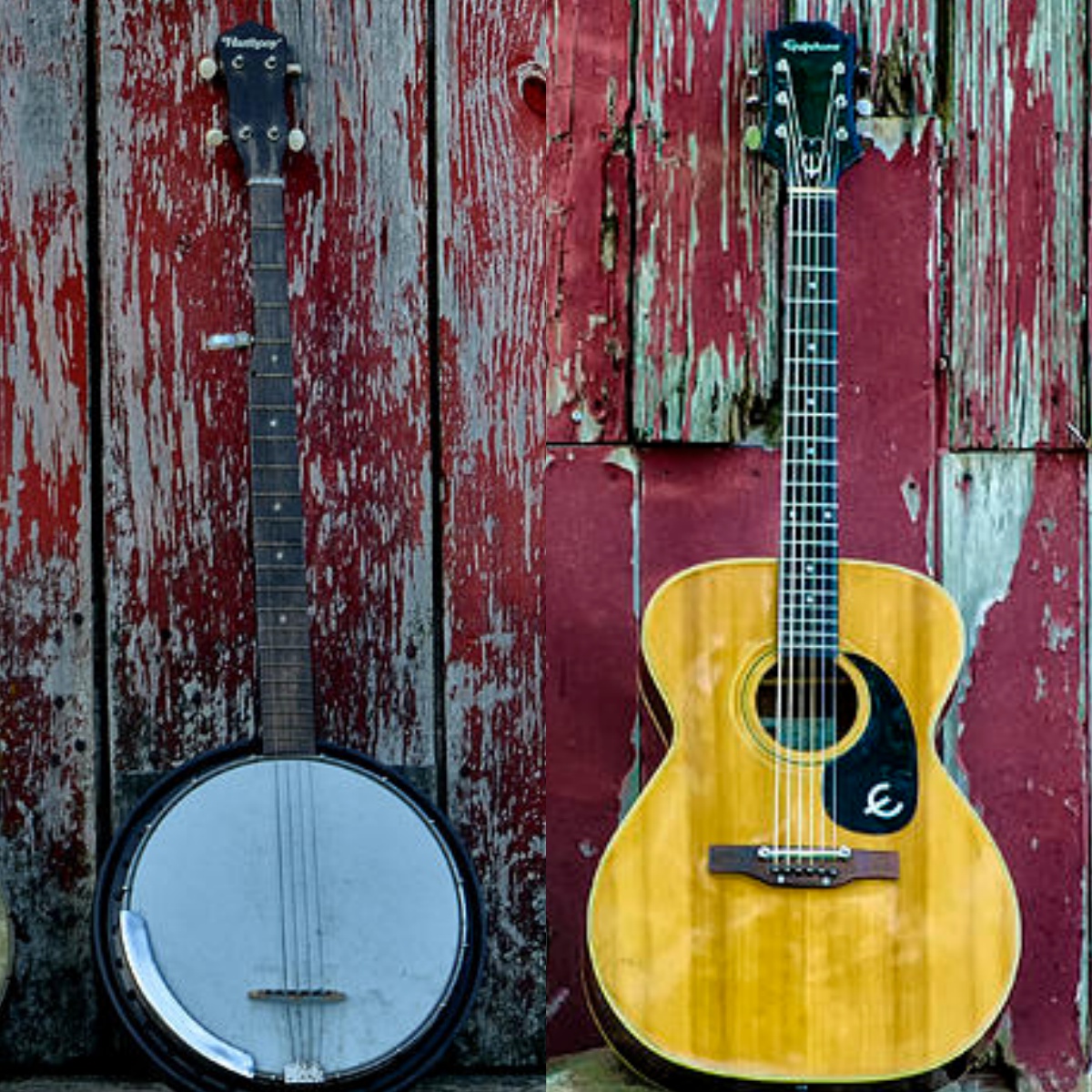
Credit: www.myrareguitars.com
Understanding the Banjo: A Friendly Beginner Breakdown
To understand why many learners find the banjo easier at first, you need to understand how it works. And don’t worry—I’ll explain it in the simplest way possible.
Banjo Anatomy (Explained the Easy Way)
A typical beginner banjo (usually a 5-string banjo) has:
- A drum-like head instead of a wooden top
- A short drone string (the 5th string)
- A thin neck
- Light strings
- An open-back or resonator design
These design choices affect how easy it feels to learn.
For instance, that short 5th string creates a constant pitched drone, which makes even simple playing sound musical.
Banjo Tuning for Beginners
Most 5-string banjos use open G tuning:
G – D – G – B – D
When you strum all the strings open (without pressing anything), guess what? You get a beautiful G major chord.
This is one reason banjo feels rewarding early on—you don’t have to master complex finger movements to sound good.
Why the Banjo Feels Easier to Play Early On
From a technical view:
- The strings are lighter
- The neck is narrower
- The chord shapes are simpler
- You use fewer fingers
- Open tuning gives instant harmony
When I teach total beginners, about 4 out of 5 make pleasing sounds on the banjo within the first five minutes. It’s honestly one of the easiest instruments to “sound good on” early in your journey.
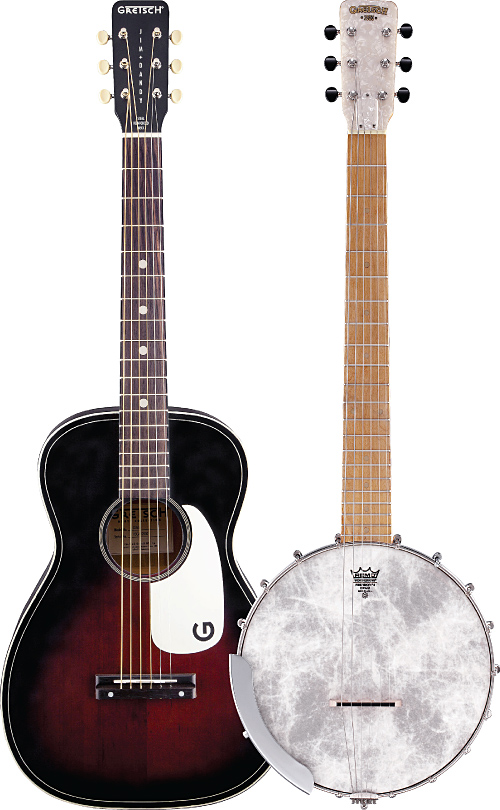
Credit: www.vintageguitar.com
Understanding the Guitar: What Beginners Should Know
The guitar is one of the most popular instruments in the world for good reason. It’s versatile, expressive, and perfect for nearly any style of music.
But is it easy for beginners?
Well… that depends.
Guitar Anatomy (Simple Breakdown)
You’ve seen one, but let’s break down what matters for learning:
- 6 strings
- Wide neck
- Standard tuning (E-A-D-G-B-E)
- Thick steel strings (on acoustics)
- Larger chord shapes
Compared to the banjo, it gives more flexibility—but also more early challenges.
Why the Guitar Feels Harder at First
If you’ve ever tried your friend’s guitar, you know:
- The strings can hurt your fingers
- Chord shapes feel confusing
- Switching between chords takes time
- Buzzing and muted strings are common
When I started guitar, I remember my biggest enemy: the D chord. My fingers refused to cooperate. Every string buzzed. It took almost a week to play it cleanly.
On the banjo, chords rarely feel that complicated for beginners.
The Good News
Although guitar is harder at the start, it becomes easier once you understand a few basic chord shapes. And because it’s so versatile, most learners find long-term success extremely rewarding.
Is Banjo Easier Than Guitar? (The Honest Comparison)
Now let’s get into the heart of the question.
Not all instruments are created equal in terms of beginner-friendliness, and both banjo and guitar shine in different ways.
1. Early Learning Curve
Banjo:
Sounds musical almost immediately. Even simple strumming produces clean, bright tones. You can play easy songs within days.
Guitar:
Takes longer to produce clean, clear sound. Chords require more coordination and strength. Early frustration is common.
Winner: Banjo (early stage)
2. Chord Difficulty
Banjo:
Two or three fingers often do the job. Many chords require minimal stretch.
Guitar:
Many common chords (C, F, D, Bm) require significant finger control. Barre chords are difficult for most beginners.
Winner: Banjo
3. Picking Techniques
Banjo:
Scruggs-style picking requires right-hand discipline. It becomes challenging later.
Guitar:
Basic strumming is easy, but complex fingerstyle takes time.
Winner: Tie (banjo harder later, guitar harder earlier)
4. Long-Term Difficulty
Banjo:
Gets harder when you move into advanced rolls, melodic style, and clawhammer patterns.
Guitar:
Gets easier once you understand chord shapes and strumming.
Winner: Guitar (long-term ease)
Overall Answer:
Yes, banjo is easier than guitar for beginners—but harder later.
The guitar has a steeper start, but becomes more intuitive over time.
Style and Genre: Which One Fits Your Musical Taste?
Choosing an instrument is easier when you know what music you want to play.
Banjo Works Best For:
- Bluegrass
- Folk
- Old-time
- Americana
- Country
Guitar Works Best For:
- Pop
- Rock
- Blues
- Country
- Worship
- Jazz
- Indie
- Classical
When I joined my first band, I brought a banjo to the first rehearsal. The guitar player didn’t show up, so I grabbed a guitar instead and instantly became the rhythm player. That was when I realized how useful guitar skills are in group settings.
But when I brought the banjo to a folk jam, everyone suddenly paid attention—the banjo cuts through beautifully.
Your music taste matters. Choose the instrument that plays the music you love.
Motivation, Memory & Muscle Movement
Learning an instrument is like fitness—it depends heavily on daily habits and motivation.
Why Early Wins Matter
The banjo gives early wins: simple chord shapes and open tuning make you sound good quickly. That confidence can push you through harder milestones later.
The guitar gives fewer early wins but becomes deeply rewarding when things click.
Technical Differences Affect Learning
Banjo:
Right hand is everything. If you get the roll patterns right, you progress fast.
Guitar:
Left hand is the foundation. Strength and coordination matter a lot early on.
Practice Routines for Each Instrument
Banjo beginners:
- Practice forward rolls (5 minutes)
- Practice simple chords (5 minutes)
- Practice one song (5 minutes)
Guitar beginners:
- Practice switching between chords (10 minutes)
- Practice strumming patterns (10 minutes)
- Practice one easy song (10 minutes)
Practical Considerations Most Beginners Overlook
Let’s compare the logistics.
Price Comparison
Beginner guitar: $100–$200
Beginner banjo: $200–$400
Banjo is usually more expensive.
Lesson Availability
Guitar teachers are everywhere.
Banjo teachers are harder to find but online communities are great.
Noise Levels
Banjo is much louder.
If you live with roommates or neighbors, this matters.
Maintenance
Banjo: Head tension, bridge placement
Guitar: String changes, tuning stability
Both require some upkeep.