How To Test Guitar Pickup Output Without Amplifier: No Amp
Use a multimeter, tap test, or a simple phone/headphone hookup to check pickups without an amp.
I’ve spent years fixing guitars and testing pickups in garages and pro shops. In this guide I’ll show clear, practical steps for how to test guitar pickup output without amplifier using simple tools and safe methods. I’ll explain what each test shows, how to interpret numbers, common problems you’ll spot, and real tips from my own bench work so you can diagnose pickups confidently at home. Read on to learn straightforward, safe ways to check pickup health, output level, polarity, and wiring without needing an amp or full rig.

Why test guitar pickups without an amplifier
Testing pickups without an amplifier saves time and gear. You can quickly check coil continuity, polarity, and relative output while the guitar is still open or on the workbench. This helps you find wiring errors, bad solder joints, weak coils, or magnet issues before you hook up to an amp and waste time chasing tone problems.
Doing tests without an amp also protects your amp and speakers from unexpected shorts or wiring mistakes. If you are troubleshooting electronics, it’s wise to confirm pickup output and phase first. Learning how to test guitar pickup output without amplifier builds confidence for repairs and upgrades.
Tools you need (cheap and safe options)
- Multimeter (digital)
- Measures DC resistance and AC millivolts, helps spot open coils and relative output.
- Small flat-head screwdriver or metal object for tap tests
- A gentle tap lets you hear pickup response when connected to a meter or headphones.
- Headphones and adapter cable (1/4" to headphone or TRS cable) or phone interface
- Lets you hear real signal without a guitar amp. Use a DI box or simple adapter to avoid damaging phone.
- Small battery and test cable (optional for polarity checks)
- A 9V can test pickup polarity wiring safely when used correctly.
- Soldering iron, wire cutters, and small screwdrivers
- For repair after diagnosis.
- Optional: small oscilloscope or USB audio interface
- For deeper waveform checks and accurate output readings.
These tools let you perform every method for how to test guitar pickup output without amplifier. Start simple and add gear as needed.

Quick definitions you should know
- Pickup output: the electrical signal a pickup creates from string vibration.
- DC resistance: ohm reading of the coil; useful for spotting open or shorted windings.
- AC output (mV): the alternating voltage the pickup makes when strings move; relates to loudness.
- Phase/polarity: determines if pickups cancel or sum when used together.
Knowing these terms makes testing clear and fast when you learn how to test guitar pickup output without amplifier.
Step-by-step methods to test pickup output without an amplifier
I’ll give three safe, practical methods. Use the multimeter first. Then try audio/headphone tests for real-sounding checks. Finish with polarity and wiring checks.
Method 1 — Multimeter DC resistance and AC tap test
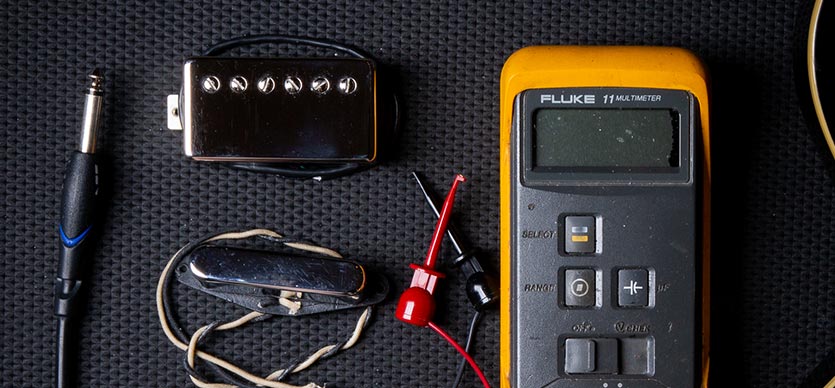
- Remove strings or lift the pickguard to access pickup leads.
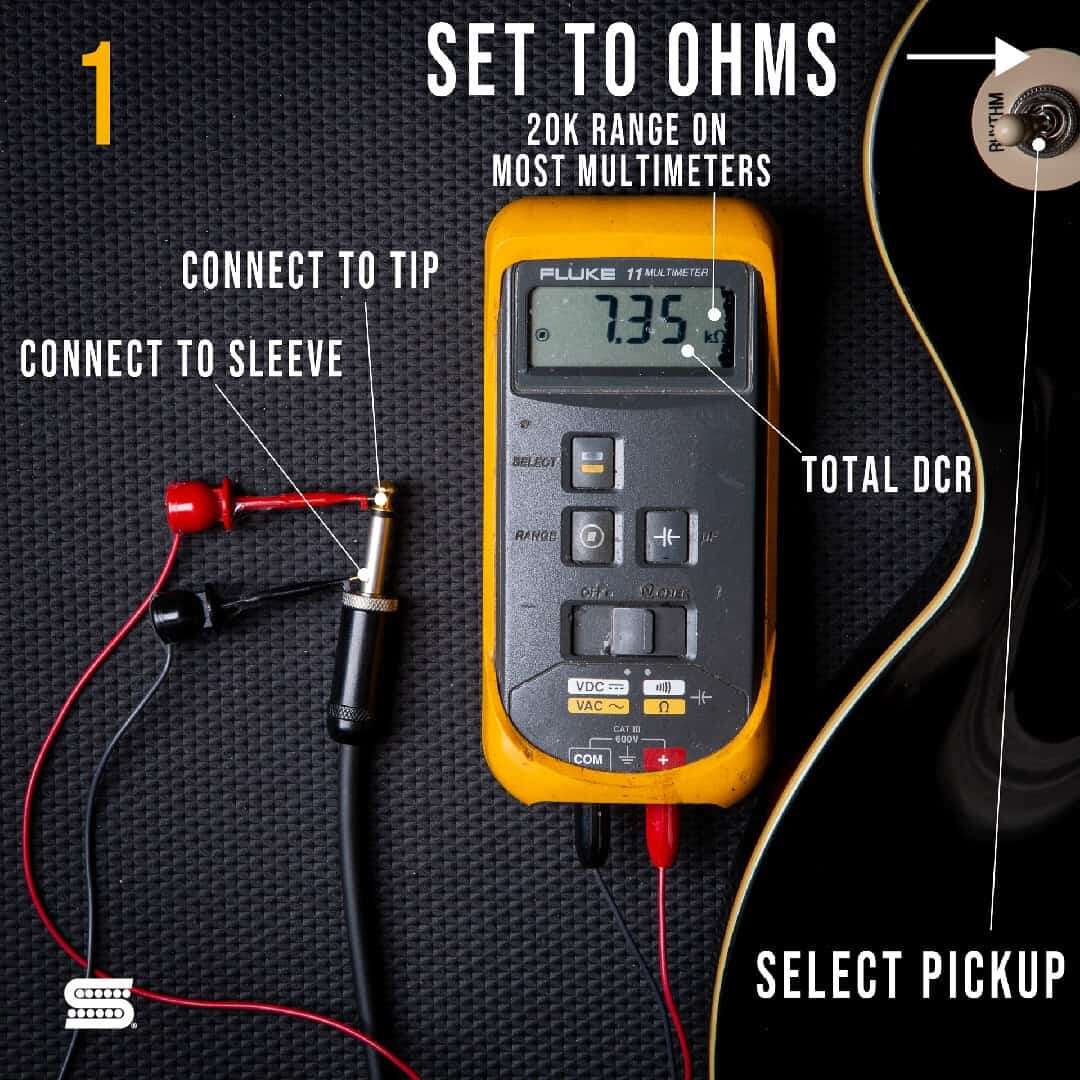
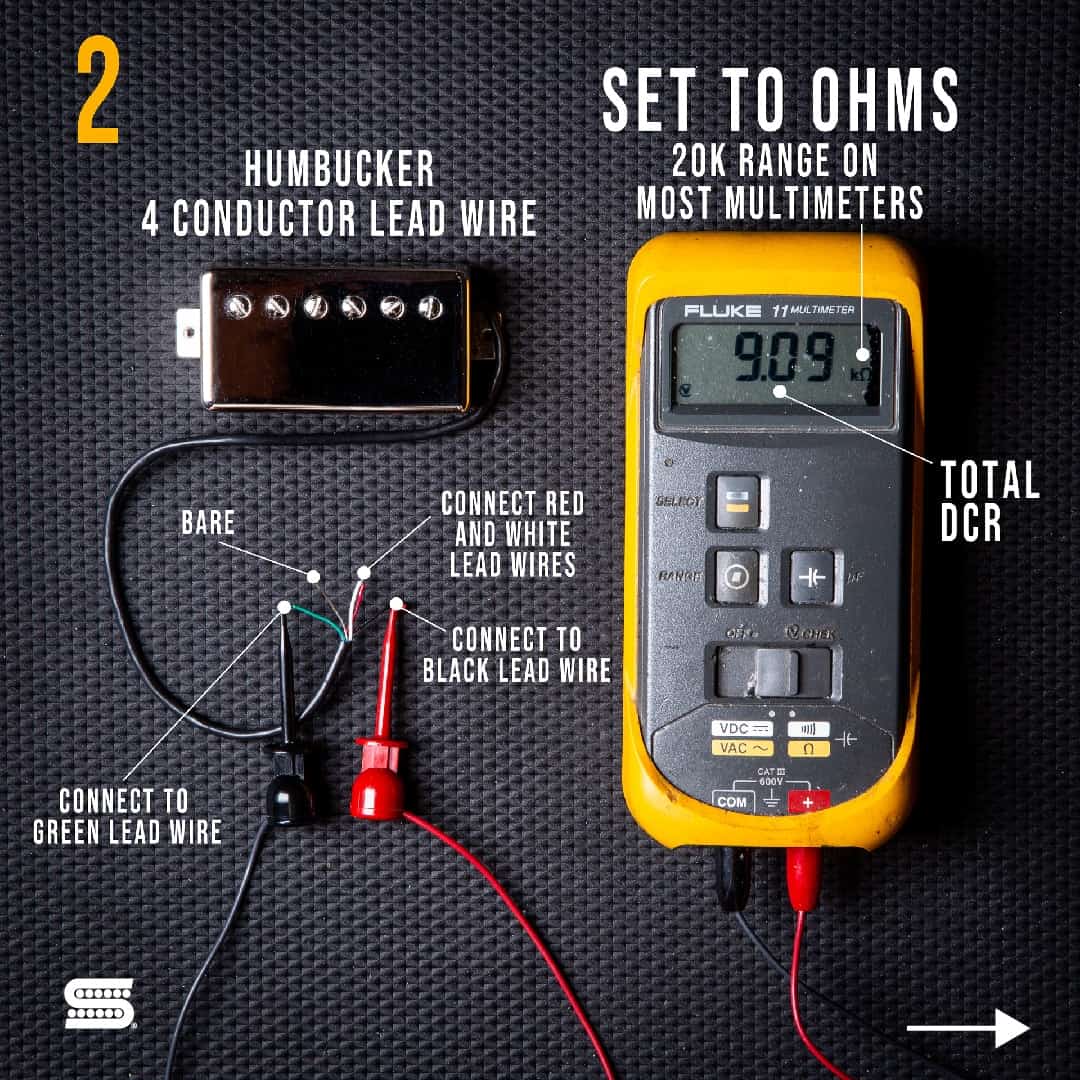
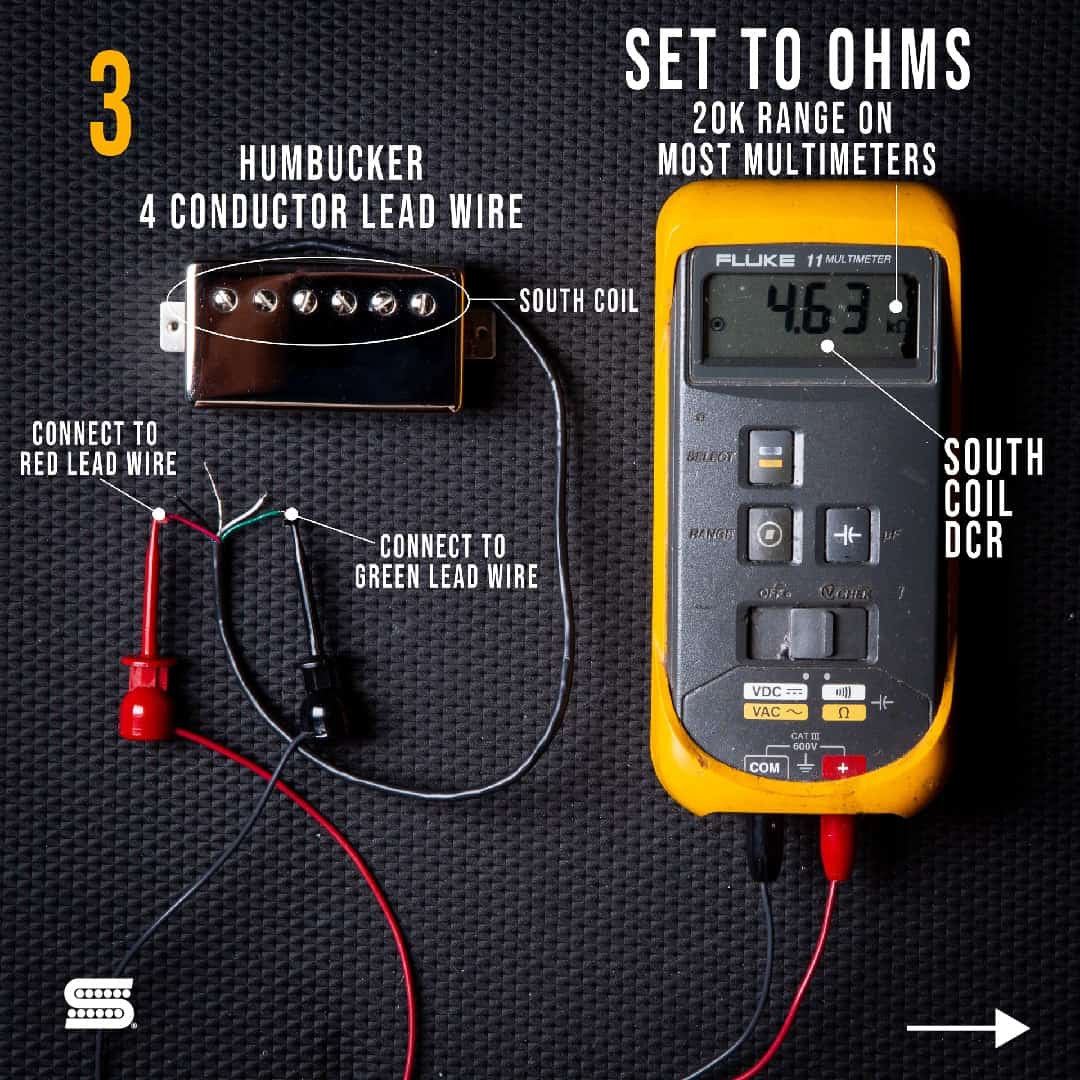
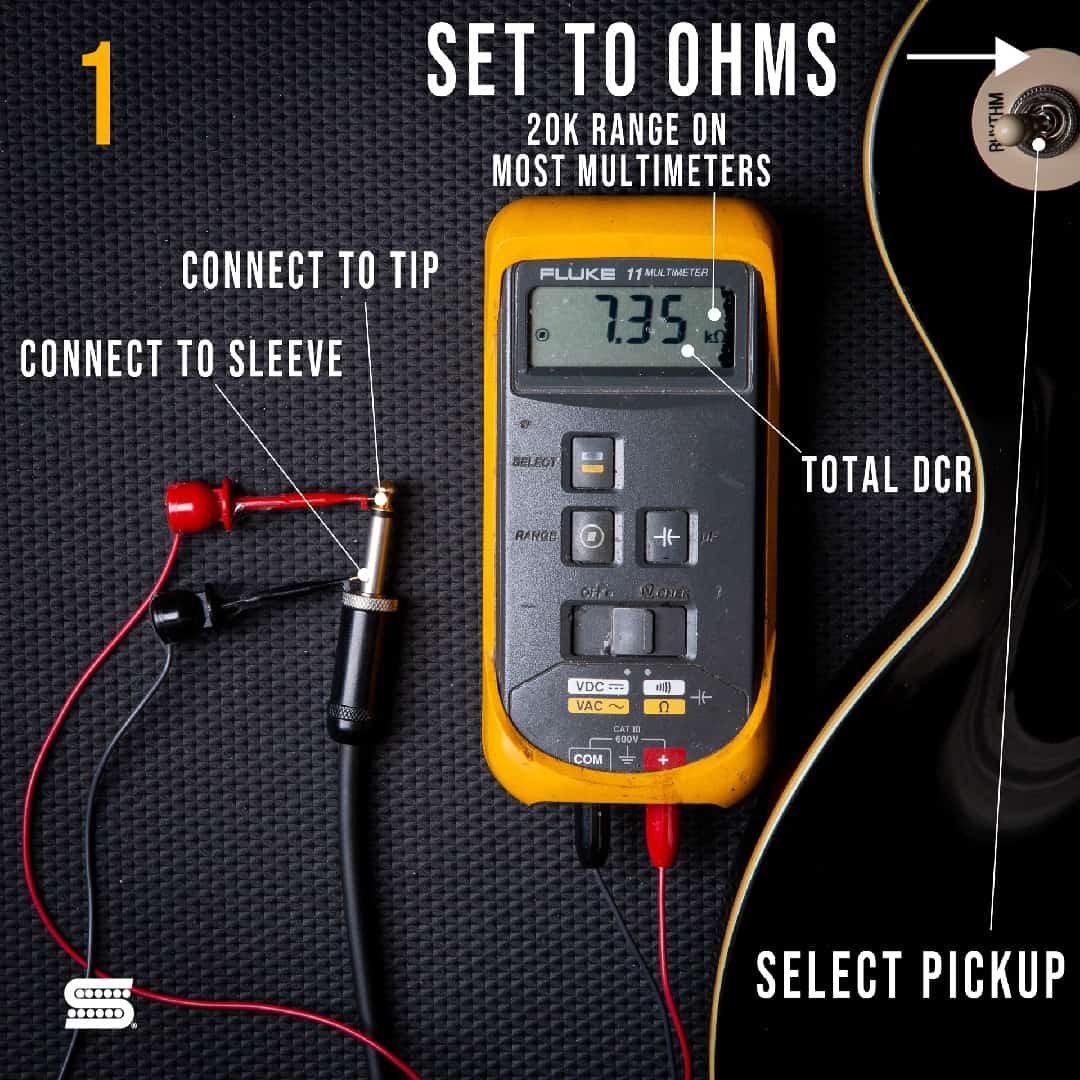
- Set your multimeter to ohms (Ω). For DC resistance, place probes on pickup hot and ground.
- Typical DC ranges:
- Single-coil: about 5kΩ to 9kΩ.
- Humbucker: about 7kΩ to 16kΩ.
- If the meter reads OL or infinite, the coil is open and likely bad. Very low resistance suggests a shorted turn or wiring issue.
- For an AC tap test, set the meter to AC millivolts (mV). Connect probes to hot and ground. Gently tap the pickup pole pieces with a screwdriver. Watch the mV spike.
- A clear mV spike shows the coil is responding. Bigger spikes usually mean higher output. Compare pickups on the same guitar to see relative output.
This method is safe and quick for how to test guitar pickup output without amplifier. It tells you if the coil is intact and roughly how strong it is.
Method 2 — Headphone or phone recorder test (no amp)
- Use a cable or adapter to connect the guitar output to headphones or a phone input. If your pickup is passive, use a simple passive DI, or plug into a small headphone amp, or use a TRS adapter into a phone mic input with the correct wiring.
- Tap the pickup and pluck the strings gently. Listen for clarity and hum.
- Compare pickups by switching selector positions if applicable. Note volume, brightness, and noise.
- Record short plucks in your phone to compare waveforms or levels visually using a waveform app.
This method gives you real sound without a speaker. It’s a quick, practical way to hear how pickups behave when played and to check for excessive noise or microphonics.
Method 3 — Polarity and phase check (useful for multiple pickups)
- With the multimeter set to DC volts, place probes on hot and ground. Have a helper pluck a string while you watch the meter, or tap each pickup with a screwdriver.
- Note the initial direction of the needle or reading when tapped. Do the same for the other pickup. If one reads opposite polarity on tap, the pickups are out of phase.
- Another quick polarity trick: briefly connect a 1.5V battery to hot and ground and watch which direction the pickup’s magnetic pole moves (careful and brief). This method requires knowledge of safe battery testing—do not short the coil.
Phase errors can make pickups cancel when used together. This section helps diagnose phase and wiring issues when you learn how to test guitar pickup output without amplifier.

Interpreting test results and typical values
- Open coil (infinite ohms): coil is broken. Repair likely needs re-winding or replacement.
- Very low resistance: possible short between turns or incorrect wiring. Inspect solder joints and wiring.
- DC resistance in range: usually a healthy coil. Single coils often read 5k–9kΩ. Humbuckers read 7k–16kΩ.
- AC tap response: a clear spike shows an active coil. Weak or no spike indicates low output or open turns.
- Excessive hum on headphone test: likely grounding issue or shielding problem.
- Out-of-phase readings: reverse wires or change pickup polarity in wiring to correct.
These interpretations guide you when deciding repairs or replacements during how to test guitar pickup output without amplifier. Always compare results to an expected range for the pickup type.
Common pickup problems and how tests reveal them
- Open coil or broken wire
- Symptom: infinite ohms on DC test. Fix: rewire or replace pickup.
- Shorted turns or partial shorts
- Symptom: unusually low resistance or weak AC output. Fix: replace pickup or have it rewound professionally.
- Bad solder joint or disconnected ground
- Symptom: intermittent output, crackling, or lots of hum. Fix: reflow solder and check grounding.
- Weak magnet or demagnetized pole pieces
- Symptom: low output but intact resistance. Fix: remagnetize or replace pickup.
- Microphonic pickup
- Symptom: amplified feedback and rattle; headphone test reveals ringing. Fix: wax potting or replace pickup.
Testing helps narrow down the cause quickly when learning how to test guitar pickup output without amplifier.

My hands‑on tips and real mistakes I’ve learned
- Always check wiring first. I once replaced a pickup thinking it was dead, but a cold solder joint was the issue. Test continuity and solder points before spending money.
- Use the AC tap on the same scale for all pickups when comparing output. I learned that inconsistent tap force gives misleading results—tap gently and consistently.
- Avoid battery tricks unless you know the safe way. I briefly used a 9V incorrectly and created a bad solder bridge. Be careful and brief.
- Record tests. Save phone clips or meter readings. You’ll be glad you can compare results later.
- Label wires when you disconnect them. It saves headaches with phase and ground connections.
These practical tips come from repairing dozens of guitars and show realistic ways to improve your testing routine for how to test guitar pickup output without amplifier.
Limitations and when you should use an amplifier or pro tools
- Multimeter and headphone tests give good insight but won’t fully reproduce how a pickup sounds through your amp and pedals.
- For tone-critical decisions, use your amp, cab, and effects chain. That’s the true test of tone.
- If your tests show odd numbers or inconsistent behavior and you’re not confident soldering or rewinding, take the guitar to a pro luthier or tech.
- An oscilloscope or audio interface provides deeper analysis, but they are optional for most DIY checks.
Understand these limits so you know when bench testing is enough and when to escalate. This keeps your diagnostics accurate while learning how to test guitar pickup output without amplifier.
PAA-style quick questions (People also ask)
What does DC resistance tell you about a pickup?
DC resistance shows coil continuity and gives a rough idea of wind count. It won’t tell you exact tone but can reveal opens or shorts.
Can I test a pickup’s output with a phone?
Yes. Use a proper adapter or DI box and record with a phone to hear output and noise. Ensure correct wiring to avoid damage.
How do I check if pickups are out of phase?
Tap each pickup while watching a meter or recording waveforms. Opposite initial polarity indicates out-of-phase wiring.
Is a low ohm reading always bad?
Not always. Low ohms can mean a different winding spec, but very low readings may indicate shorts or wiring issues.
Can I remagnetize a weak pickup?
Sometimes. Stronger magnets can restore output, but remagnetizing isn’t always easy and may change tonal balance. Professional help is advised.
Frequently Asked Questions of how to test guitar pickup output without amplifier
What multimeter setting should I use to test pickup output?
Use ohms (DC resistance) to check coil continuity and AC millivolts to measure tap response. Start with ohms, then use AC mV for live response.
Can I test active pickups without an amp?
Yes, but active pickups need their battery installed. You can measure DC resistance, AC output, and use headphones or an audio interface to hear them.
Will testing pickup output damage the pickup?
No, common tests like multimeter readings and gentle tap tests are safe. Avoid shorting coils or applying voltage for long periods.
How do I know if a pickup is microphonic?
If tapping or playing produces ringing that continues after the tap, or it feeds back easily even at low volume, the pickup is likely microphonic.
Should I remove strings to test pickups?
You don’t have to remove strings for basic electrical tests, but removing them helps access wiring and tap pole pieces more easily.
Conclusion
Testing pickups without an amplifier is fast, safe, and useful. Use a multimeter to check DC resistance and AC tap response, try a headphone or phone test to hear real signal, and verify phase with simple polarity checks. These steps help you find wiring faults, weak coils, and noise issues before you run into tone problems at the amp. Start with easy tests, compare results, and document what you find. If a repair looks beyond your skill, take the guitar to a pro.
Try one method today: pull the pickguard or backplate, use a multimeter to read resistance, and do a tap test. Share your results or questions below, and consider subscribing or bookmarking this guide for more hands-on repair tips.

Senior Music Reviewer
Alex Carter is a seasoned music reviewer with over a decade of experience in the world of sound and instruments. Passionate about helping musicians and enthusiasts make informed choices, he brings sharp insights and in-depth knowledge to every review. From classical instruments to modern gear, Alex combines technical expertise with a love for music to deliver content that resonates with readers.
As a Senior Music Reviewer and expert author on Tuneluma.com, Alex is dedicated to sharing honest evaluations, practical advice, and thoughtful commentary to guide readers in their musical journey.