How To Polish Guitar Body Without Damaging Clear Coat: Safe
Use very fine polish and soft microfiber pads to protect the clear coat.
I’ve refinished and polished dozens of guitars over the years, and I’ll walk you through exactly how to polish guitar body without damaging clear coat. You’ll learn the safest tools, the right compounds, step-by-step technique, when to stop, and how to fix common slip-ups. My advice comes from hands-on experience with nitro and polyurethane finishes, plus best-practice recommendations used by luthiers and finish techs.

Why careful polishing matters
Polishing can restore shine and remove swirl marks. But aggressive polish or wrong tools will thin or fog the clear coat. Knowing how to polish guitar body without damaging clear coat saves the finish and the value of your instrument. This guide focuses on safe, repeatable methods that work on both nitrocellulose and polyurethane finishes.
Understanding clear coats and risks
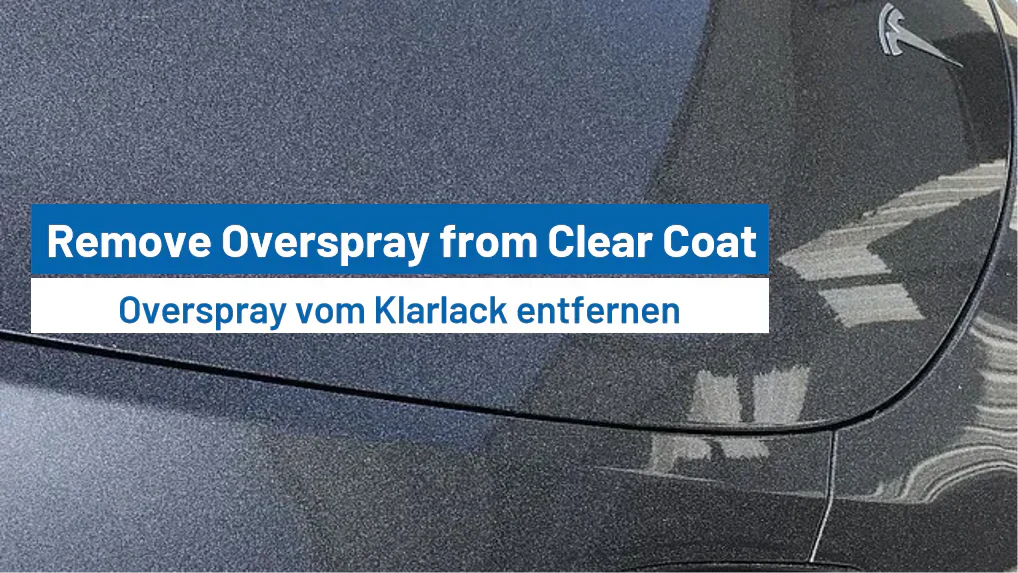
Clear coats come in main types: nitrocellulose lacquer and polyurethane (including polyester). Nitro is thinner and softer. Polyurethane is harder and more durable. Each reacts differently to compounds and heat.
Polishing stress comes from friction, abrasive grit, and solvents. Over-polishing can burn through the clear coat or cause clouding. This is why learning how to polish guitar body without damaging clear coat matters for both amateur and pro work.
Tools and materials you need
- Microfiber cloths — very soft, lint-free, for final wipe.
- Foam or microfiber polishing pads — for hand or machine use.
- Rotary or dual-action orbital polisher — only if you know how to control speed and pressure.
- Fine abrasive polishes — such as 3000–8000 grit micro-abrasive compounds or swirl removers made for guitars.
- Clean water and spray bottle — for lubrication on wet-sanding jobs.
- Masking tape and soft rags — to protect binding, hardware, and edges.
- Polish remover or isopropyl alcohol (90% or less) — to check finish between steps.
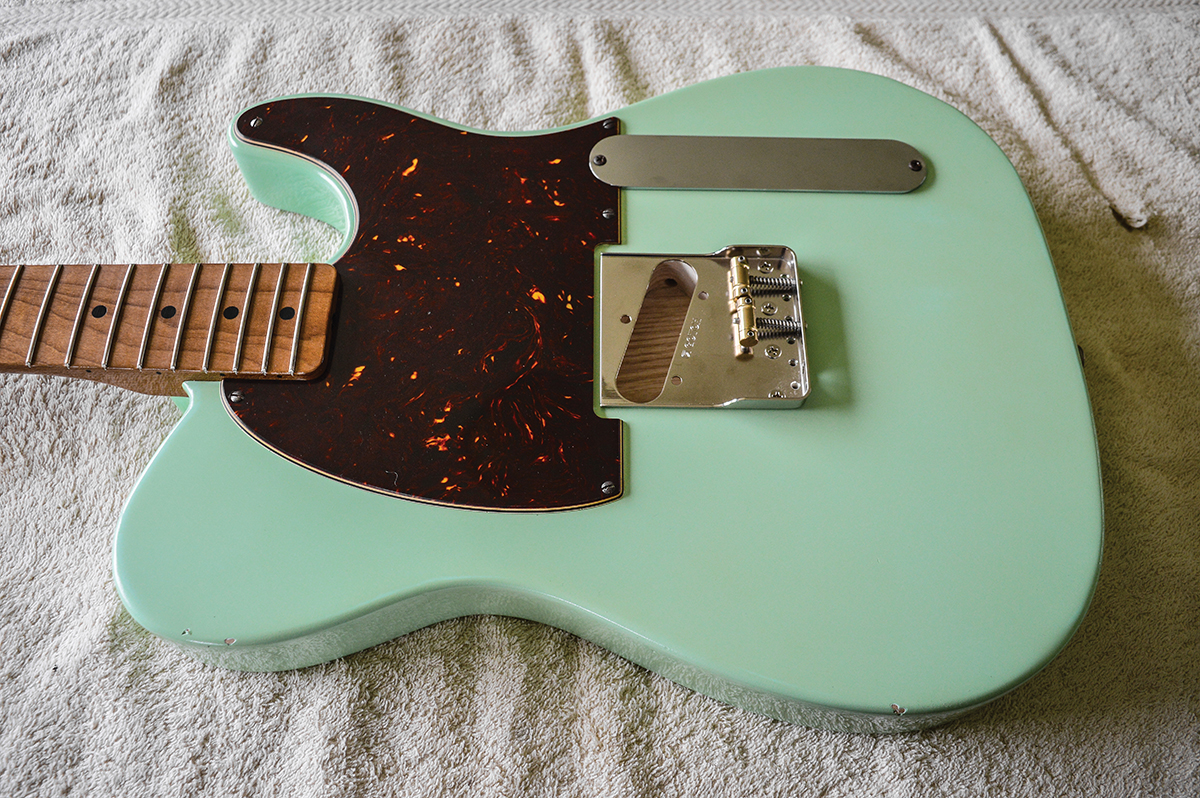
Knowing how to polish guitar body without damaging clear coat starts with using the right tools. Cheap compounds or abrasive pads often do more harm than good.

Step-by-step: how to polish guitar body without damaging clear coat
Follow these steps slowly and test often. Short sessions win over long aggressive runs.
- Prep the guitar
- Remove strings, loosen hardware if possible, and mask off pickups, edges, and binding.
- Clean the surface with a mild guitar-safe cleaner and a microfiber cloth.
- Inspect the finish
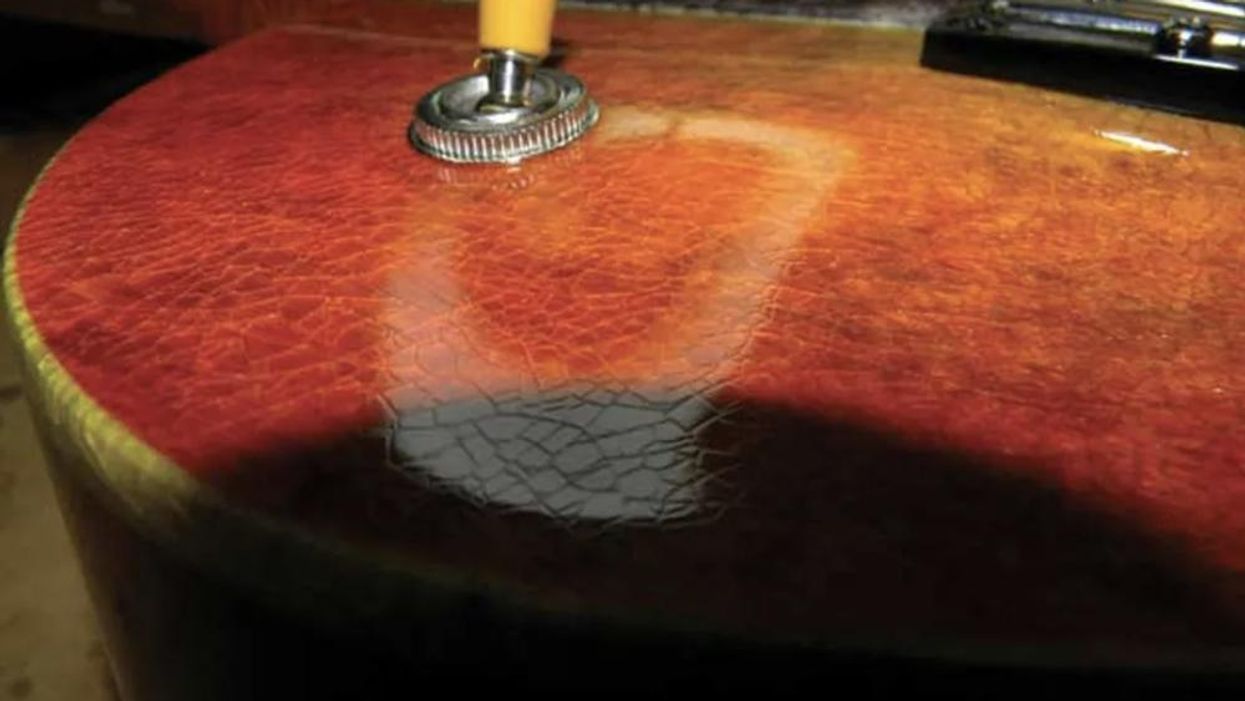
- Look for deep scratches, cracks, or finish checking.
- If you see bare wood or deep checking, stop and consult a luthier — do not polish through the clear coat.
- Start with the least abrasive product
- Apply a tiny amount of fine polish to a microfiber pad.
- Work by hand first, using circular or back-and-forth light strokes.
- Use a dual-action polisher only if experienced
- Set low speed and use light pressure.
- Keep the pad flat and move constantly to avoid heat build-up.
- Check progress frequently
- Wipe compound residue with a clean microfiber cloth.
- Use isopropyl alcohol or polish remover to inspect the true surface shine.
- Move to finer polish
- Once swirl marks and minor haze are reduced, switch to a finer polish or finishing compound.
- Repeat the same light technique; this step refines the surface and brings out gloss.
- Final wipe and inspection
- Clean with a soft microfiber and inspect under good light.
- If the clear coat still looks cloudy or etched, stop and evaluate; more abrasion can make things worse.
- Protect the finish
- Apply a thin layer of guitar-safe wax or synthetic sealant for protection.
- Buff lightly with a fresh microfiber cloth.
Throughout these steps, remember the key phrase: how to polish guitar body without damaging clear coat. Keep pressure low and abrasives fine. Stop early rather than overwork the finish.

Advanced repair: wet sanding and deeper scratches
For deep scratches you may need wet sanding. This is higher risk and requires care.
- Wet sand only with very fine grits: start at 2000–3000 grit and move to 4000–6000 grit.
- Keep the area wet. Use minimal pressure and sand across the scratch, not into the edge.
- After sanding, use progressively finer polish compounds to remove sanding haze.
If you own a nitro finish, wet sanding can be delicate. Nitro is soft and thin; you can sand through to color or wood if you are not careful. Practice on scrap or a cheap instrument before attempting high-risk work. Always remember how to polish guitar body without damaging clear coat when contemplating wet sanding.

Maintenance and protection after polishing
Polished guitars need care to keep the finish safe and glossy.
- Use a soft microfiber cloth after every play to remove oils and sweat.
- Avoid household polishes that contain silicone or harsh solvents.
- Store the guitar in stable humidity and temperature to prevent finish shrinkage or checking.
- Reapply a light protective wax or synthetic topper every few months.
Regular gentle care prevents frequent heavy polishing. That is the best long-term answer for how to polish guitar body without damaging clear coat.

Common mistakes and how to avoid them
- Using heavy pressure — can heat and thin the clear coat. Keep pressure light.
- Starting with coarse abrasives — always begin with the mildest product.
- Using the wrong pads — hard or contaminated pads can scratch the finish. Use clean, soft pads.
- Overlooking edges and binding — these areas are thin and more vulnerable. Mask them.
- Rushing with a machine polisher — if you must use one, stay slow and move constantly.
A measured, patient approach will reduce the chance of damaging the clear coat. Practice on less valuable instruments to build feel.
Frequently Asked Questions of how to polish guitar body without damaging clear coat
How often should I polish my guitar?
Polish sparingly. For most players, a light polish every 6–12 months is enough, with daily microfiber wipes to remove oils.
Can I use car polish on a guitar?
Some car polishes are safe, but many contain harsh solvents or silicone. Use products labeled as safe for nitro or polyurethane guitar finishes.
Is a buffer safe for vintage guitars?
Avoid machine buffers on vintage nitro finishes unless you are experienced. Hand polishing is safer for thin, delicate finishes.
What polish grit should I start with?
Start with the least abrasive polish or finishing compound designed for guitars. Save wet sanding (2000+ grit) for deeper issues.
How do I tell if the clear coat is damaged?
Look for dull spots, areas where color changes, or glossy inconsistencies. If the finish is thin, you may see wood grain or stain through the clear coat.
Conclusion
Polishing your guitar can restore beauty without risk when you use the right tools, gentle pressure, and testing. Start mild, inspect often, and stop before you overwork the surface. If a problem is beyond light polish, seek a pro to avoid permanent damage.
Take one small step today: clean your guitar with a soft microfiber cloth, assess the finish, and try hand-polishing a tiny hidden spot. If this helped, consider subscribing, leaving a comment, or sharing your polishing story so others learn from your experience.

Senior Music Reviewer
Alex Carter is a seasoned music reviewer with over a decade of experience in the world of sound and instruments. Passionate about helping musicians and enthusiasts make informed choices, he brings sharp insights and in-depth knowledge to every review. From classical instruments to modern gear, Alex combines technical expertise with a love for music to deliver content that resonates with readers.
As a Senior Music Reviewer and expert author on Tuneluma.com, Alex is dedicated to sharing honest evaluations, practical advice, and thoughtful commentary to guide readers in their musical journey.