How To Identify Fake Guitar Brands Before Buying: Tips
Check logos, serials, build quality, and seller credibility to spot fake guitar brands.
I’ve inspected hundreds of guitars in shops and online. I know how to identify fake guitar brands before buying. This guide walks you through clear signs, simple checks, and practical steps you can use right away. Read on and you’ll learn how to spot counterfeits, verify serials, and avoid costly mistakes when buying a guitar.

Why fake guitar brands matter
Fake guitars can cost you money and frustration. They often look close to the real thing at first glance. But they usually fail on tone, setup, and resale value.
When you learn how to identify fake guitar brands before buying, you protect your budget and your music. A real brand usually means quality control and reliable parts. Counterfeits often hide poor materials, bad setups, and false warranties.
My shop experience taught me one thing: most fakes fall apart under basic checks. Learn the checks and you will save time and money.

Key signs a guitar brand or instrument might be fake
Know the red flags. These checks are quick and effective. Use them before you hand over cash.
- Logos and headstock marks
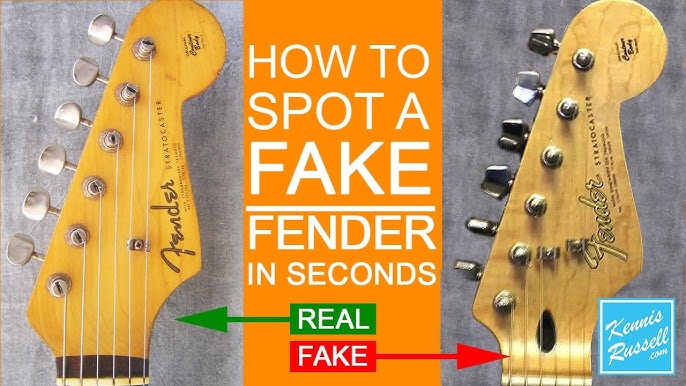
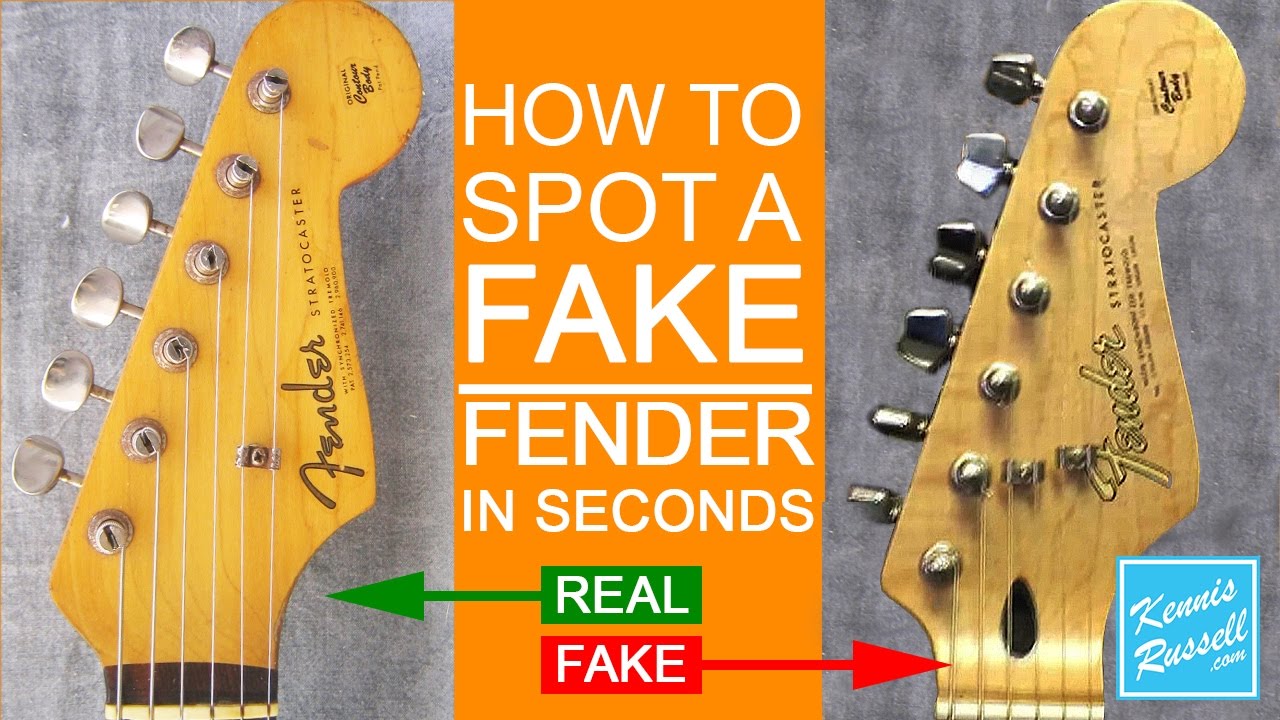
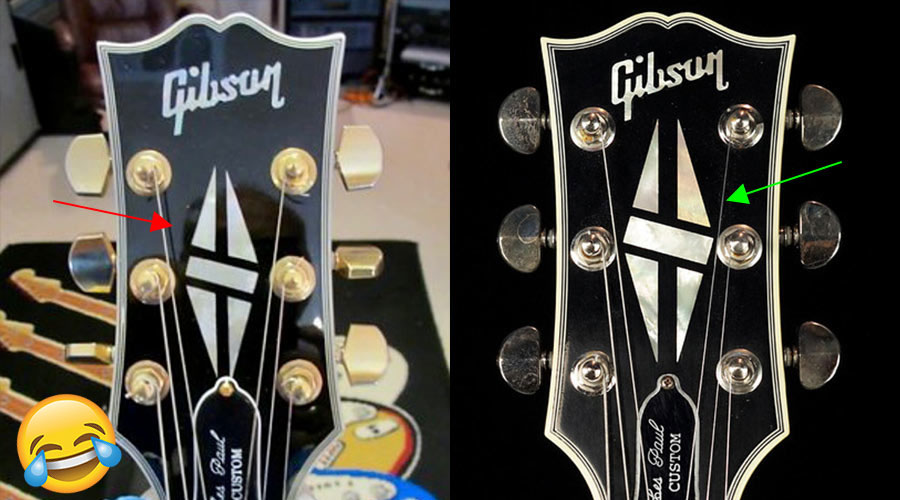
- Compare the logo to official photos. Slight font or spacing changes can mean a fake.
- Serial numbers and stamps
- Missing or mismatched serials are a major red flag. If the serial doesn’t match the brand’s pattern, be cautious.
- Build quality and finish
- Uneven paint, sloppy binding, and rough fret ends often show low-grade manufacturing.
- Hardware and electronics
- Cheap tuners, loose knobs, and non-branded pickups suggest the parts are not original.
- Case, paperwork, and warranty
- No case, fake paperwork, or unverifiable warranties reduce credibility.
- Price too good to be true
- Deep discounts on popular models are often bait for fakes or clones.
When you practice how to identify fake guitar brands before buying, these signs become second nature. Trust your eyes and hands.
How to verify guitar brand authenticity before buying
Follow a step-by-step check list. These steps work whether you buy online or in person.
- Research the model first
- Find official photos and spec sheets from the brand. Memorize logo details and specs.
- Inspect serial number formats
- Many brands use fixed formats and date codes. Look up the brand’s serial pattern.
- Check the headstock closely
- Compare the shape, veneer, logo placement, and inlays to official images.
- Examine hardware and electronics
- Look for brand marks on tuners, bridges, and pots. Open the control cavity for wiring quality.
- Evaluate frets and neck play
- Rough frets, sharp edges, or a twisted neck are signs of low-quality builds.
- Ask for proof of purchase and warranty
- Request receipts or warranty registration info. Genuine sellers can show these.
- Use trusted marketplaces or dealers
- Certified dealers and well-known marketplaces offer buyer protection and returns.
- If online, ask for video demos
- Request a short video showing sound, headstock close-ups, and serial number.
I once avoided a fake by spotting a tiny logo mismatch in a listing photo. That small detail saved me a lot of trouble. Learning how to identify fake guitar brands before buying often comes down to paying attention to small details.

Spotting fake parts, labels, and serial numbers
Fakes often mix original-looking parts with cheap components. Here’s how to check common trouble spots.
- Serial number checks
- Verify placement, font, and format. Some brands laser etch serials; others stamp them on a neck plate. If the number looks misaligned or shallow, be wary.
- Pickups and electronics
- Look under the pickup covers or control cavity. Fake pickups often have sloppy solder joints or unbranded pots.
- Tuners and hardware marks
- Branded parts usually have clear markings. Generic or blank hardware often means aftermarket or counterfeit parts.
- Labels, tags, and holograms
- Some brands use holograms or specific tags. A missing or poor-quality tag can indicate a fake.
- Case and certificate quality
- Genuine hard cases feel robust. Low-quality cases or photocopied certificates are warning signs.
When learning how to identify fake guitar brands before buying, always ask for close photos or request the serial be shown in the photos or video. That helps confirm authenticity.

Red flags when buying guitars online and in person
Different risks apply online and in shops. Know them and act accordingly.
- Online sellers
- Vague photos, no serial shots, and pressure to close the deal fast are bad signs.
- Local private sales
- If the seller refuses to let you test the guitar or plug it in, don’t buy.
- Marketplace listings with multiple identical items
- Photos reused across listings often indicate fake or dropshipped items.
- Unverified dealer pages
- Check reviews and business registration. Fake dealers can create convincing sites.
- No return policy or warranty void
- Always prefer listings with return protection or a clear warranty.
I lost trust once after a seller kept delaying a serial number photo. I walked away and later found the same listing reposted elsewhere. That’s a common scam pattern. Knowing how to identify fake guitar brands before buying helped me avoid wasting money.
What to do if you suspect a guitar is fake
Take measured steps to avoid loss. Do not confront or buy impulsively.
- Pause the purchase
- Don’t pay until you verify serials and photos.
- Ask for more evidence
- Request close-up photos, video, and proof of purchase from the seller.
- Contact the brand
- Many manufacturers can verify serial numbers and tell you if a product is genuine.
- Use payment protections
- Pay via secure methods that allow disputes. Avoid direct wire transfers.
- Report and walk away
- If you confirm a fake, report the listing and refund your money through your platform.
My tip: keep a checklist on your phone. It saves time and prevents emotional buying. Learning how to identify fake guitar brands before buying is mostly about process and a little patience.
Quick PAA-style questions
What is the fastest way to spot a fake guitar brand?
- Check the logo, serial number, and build quality against official images. Small logo or font differences are often the fastest clue.
Can a cheap-looking guitar still be real?
- Yes. Some genuine entry-level models use low-cost parts. Verify serials and seller history to confirm the brand.
Should I trust low-priced deals on popular models?
- Be very cautious. Extremely low prices on high-demand models often indicate counterfeits or stolen goods. Verify the seller and the serial.
Frequently Asked Questions of how to identify fake guitar brands before buying
How can I quickly tell if a guitar is authentic?
Check the headstock logo, serial number pattern, and hardware marks. Compare these with official brand photos and specs.
Are serial numbers always proof of authenticity?
Not always. Fakes can copy serials. Verify the number with the manufacturer when possible.
Is buying from a big online marketplace safe?
Marketplaces offer protections, but scams still occur. Look for trusted sellers, clear photos, and good return policies.
What should I look for in the neck and frets?
Smooth fret ends, straight neck alignment, and even fret spacing indicate quality. Rough frets and a twisted neck are red flags.
Can an expert tell a fake from photos alone?
Experts can spot many fakes from photos, but some require hands-on checks. Ask for high-resolution images and video to make a better call.
If I find a fake after buying, what are my options?
Contact the seller, use buyer protection, and report the listing. If you bought locally, file a police report if fraud is suspected.
Conclusion
Knowing how to identify fake guitar brands before buying saves time and money. Use the checks above: verify logos, serials, hardware, and seller credibility. Take clear photos, ask questions, and demand proof before you pay.
Take action today—bookmark this checklist, practice the checks, and never rush a purchase. If you found this useful, leave a comment with your experience or subscribe for more buying guides and gear tips.

Senior Music Reviewer
Alex Carter is a seasoned music reviewer with over a decade of experience in the world of sound and instruments. Passionate about helping musicians and enthusiasts make informed choices, he brings sharp insights and in-depth knowledge to every review. From classical instruments to modern gear, Alex combines technical expertise with a love for music to deliver content that resonates with readers.
As a Senior Music Reviewer and expert author on Tuneluma.com, Alex is dedicated to sharing honest evaluations, practical advice, and thoughtful commentary to guide readers in their musical journey.