What Do You Play Drums With: Essential Gear Guide
In the United States, most people play a drum set with drumsticks. A full drum set also uses foot pedals for the bass drum and hi-hat. Depending on the sound and style, drummers may also use brushes, mallets, rods, or their hands.
The best tool depends on the drum, music style, volume, and sound you want. Rock players often use sticks. Jazz players may use brushes. Orchestral players use soft mallets on some drums. Marching percussion uses sticks and specialized mallets.
The Short Answer: What Do You Play Drums With?
You play most drums with drumsticks, but several tools work well:
| Tool | Common use | Sound |
|---|---|---|
| Drumsticks | Drum set, rock, pop, marching drums | Clear, loud, sharp |
| Brushes | Jazz, blues, ballads, soft music | Soft, smooth, sweeping |
| Mallets | Timpani, concert drums, cymbals, toms | Round, warm, sustained |
| Rods or rutes | Acoustic sets and low-volume playing | Softer than sticks, more attack than brushes |
| Hands | Hand drums and some special techniques | Warm, direct, natural |
| Feet and pedals | Bass drum and hi-hat | Low impact from the beater or cymbal control |
For a standard drum set, start with a pair of wooden 5A drumsticks. They are a common, balanced choice for beginners. If you need a softer sound, try brushes or rods. If you play timpani or concert percussion, choose the mallets made for that instrument.
Drumsticks: The Main Tool for a Drum Set
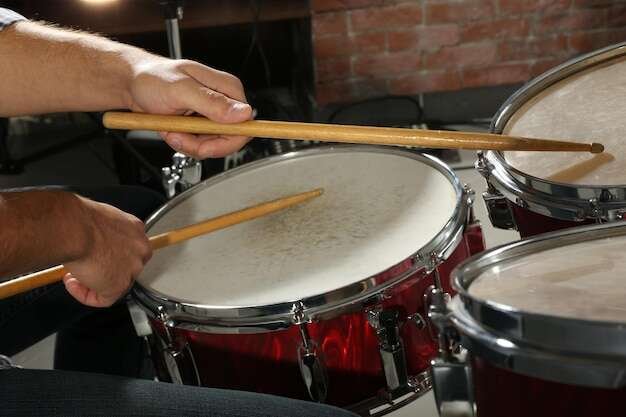
Drumsticks are the most common answer to the question, “What do you play drums with?” A stick lets you strike the drumhead and cymbal with control, speed, and a clear attack.
A basic drumstick has four main parts:
- Tip: The part that strikes the drum.
- Shoulder: The tapered area below the tip.
- Shaft: The main gripping area.
- Butt end: The thicker end of the stick.
The tip shape changes the sound. A small round tip can produce a focused sound. A larger tip can create a fuller sound. An oval tip offers a balance between the two.
Common drumstick sizes
Drumstick numbers and letters describe general size and use. They are not a perfect industry-wide measurement. One brand’s 5A may feel different from another brand’s 5A.
| Size | General feel | Often used for |
|---|---|---|
| 7A | Light and thin | Jazz, soft pop, beginners with a light touch |
| 5A | Medium and balanced | General drum set playing |
| 5B | Heavier and louder | Rock, worship, marching, strong playing |
| 2B | Very heavy | Loud rock, practice, marching applications |
A 5A stick is often a useful starting point because it is light enough for control but strong enough for many styles. A beginner should not assume that a heavier stick is always better. Heavy sticks can increase volume, but they may also tire the hands and place more stress on the wrists.
Wood, nylon, and specialty sticks
Most drumsticks use hickory, maple, or oak.
- Hickory is common because it balances shock absorption, strength, and weight.
- Maple is lighter for its size, which can make a larger stick feel quick.
- Oak is dense and durable, but it can feel stiff and transmit more shock.
Wood tips give a warm, natural sound. Nylon tips tend to provide a bright sound and may last longer on some cymbals. However, no tip material lasts forever. Inspect sticks often and replace them when they split, chip, or become badly worn.
Brushes Create a Soft, Smooth Drum Sound
Brushes are made for quiet playing and smooth textures. They are common in jazz, swing, blues, theater music, and softer acoustic settings.
A drum brush usually has a handle and a bundle of thin wire or nylon strands. The strands can strike the drumhead or sweep across it. A sweep creates a long, soft sound rather than the short attack of a stick.
Brushes work best when the drumhead is tuned to respond to light contact. A loose or damaged head may make brush work less clear. Brush technique also takes time to learn because the sound comes from both strokes and movement across the head.


Wire brushes versus nylon brushes
- Wire brushes offer a classic bright sweep and clear contact.
- Nylon brushes can feel softer and may create less contact noise.
- Retractable brushes protect the wires inside the handle when stored.
Brushes are not only “quiet drumsticks.” They require a different technique. Use them when you want texture, low volume, or a gentle pulse.

Mallets Are Used for Timpani, Concert Drums, and Special Effects
Mallets have a soft or hard head attached to a handle. They are used on timpani, concert bass drums, suspended cymbals, toms, and other percussion instruments.
The mallet head may use felt, yarn, rubber, wood, or another material. A soft head produces a round attack and longer, smoother tone. A hard head creates more definition and a sharper sound.
Common types of drum mallets
- Timpani mallets: Designed to create controlled tone on timpani.
- Concert bass drum mallets: Usually larger and softer to produce a broad sound.
- Yarn mallets: Useful for warm tones on drums and cymbals.
- Felt mallets: Available in many weights and hardness levels.
- Hard mallets: Used when a strong attack is needed.
Do not use a hard mallet on every drum. A hard head can create an unwanted click, damage a drumhead, or produce a harsh sound. Select a mallet based on the instrument and the score or musical direction.
Mallets are also used on a drum set for sustained effects. A drummer may play a floor tom, cymbal, or large tom with mallets to create a slower and more open sound.
Rods, Rutes, and Multi-Rod Sticks Offer a Middle Ground
Rods are made from several thin wood, plastic, or composite strands bound together. They are sometimes called rutes, rods, or multi-rod sticks.
They sit between sticks and brushes:
- They are softer than regular sticks.
- They offer more attack than many brushes.
- They can reduce volume in small rooms.
- They create a wider, less focused sound.
Rods can be useful in acoustic music, worship settings, small venues, and home practice. They are not always as quiet as beginners expect. The handle and rim can still produce a strong sound, especially on a snare drum.
Some rods use a sliding band that changes the exposed length of the strands. Exposing more strands can make the sound softer and more flexible. Moving the band toward the tip can make the rod feel firmer.

Some Drums Are Played With the Hands
Many drums are played with the hands rather than sticks. Examples include:
- Congas
- Bongos
- Djembes
- Frame drums
- Doumbeks
- Cajóns
- Some electronic hand percussion pads
Hand technique can produce several sounds from one drum. A player may use the fingertips, fingers, palm, heel of the hand, or thumb. The exact technique depends on the instrument.
Do not assume that every drum can safely be played with bare hands. Some drumheads, rims, and playing surfaces are designed for sticks or mallets. Check the maker’s instructions when the instrument is unfamiliar.
Hand drumming can also cause soreness when a player uses too much force or poor technique. Keep the hands relaxed, build practice time slowly, and stop if pain continues.


Your Feet Also Play Part of a Drum Set
A drum set uses the feet as well as the hands.
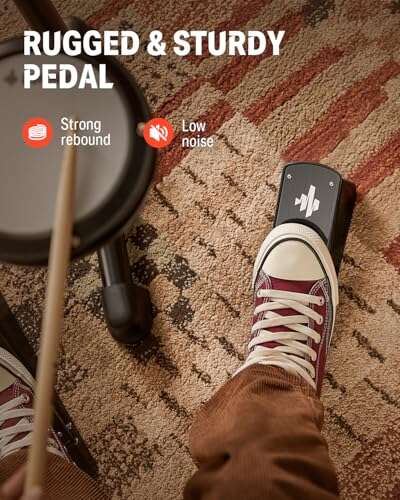
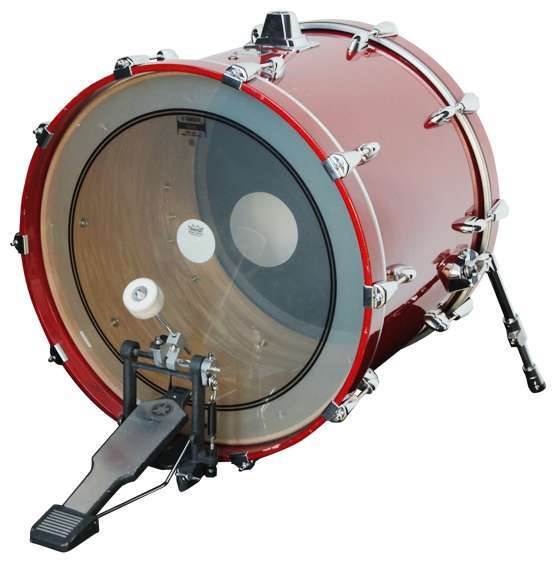
The bass drum is usually played with a foot pedal. The pedal moves a beater into the bass drumhead. The beater may have a felt, plastic, wood, or composite surface.
The hi-hat uses a separate pedal. Pressing the pedal closes two cymbals together. A drummer can keep them closed, open them slightly, or strike them while changing foot pressure.
A standard drum set may therefore involve:
- Right hand on the ride cymbal or hi-hat
- Left hand on the snare drum
- Right foot on the bass drum pedal
- Left foot on the hi-hat pedal
This layout can change for left-handed players, double-bass players, and different drum set designs.
Choose a bass drum beater with care. A hard beater can create a sharp, strong attack. A softer beater produces a rounder sound. The beater should match the drumhead, playing style, and volume needs.

What Should a Beginner Use to Play Drums?
A beginner should usually begin with:
- One pair of medium drumsticks, such as 5A.
- A practice pad or properly set-up drum.
- A drum set with a bass drum pedal if learning full drum set patterns.
- Hearing protection for loud practice.
- A teacher, method book, or reliable lesson source.
A practice pad helps develop grip, timing, and rebound without the full volume of a drum set. It cannot replace every part of drum set practice, but it is useful for basic strokes and coordination.
Choose sticks that feel comfortable. Hold them lightly enough that the stick can rebound. A tight grip can reduce control and lead to hand fatigue.
The correct beginner tool is not the heaviest, loudest, or most expensive one. It is the tool that lets you play with control and without pain.
How to Choose the Right Drum Tool
Use the music and playing conditions to guide your choice.
| If you want to… | Try… | Why |
|---|---|---|
| Play rock or pop | 5A or 5B sticks | Strong attack and good control |
| Play jazz | 7A sticks or brushes | Lighter touch and softer tone |
| Lower the volume | Brushes or rods | Less attack than standard sticks |
| Play timpani | Timpani mallets | Designed for timpani tone |
| Play concert bass drum | Large soft mallets | Broad and deep sound |
| Practice quietly | Practice sticks, rods, or a pad | Lower sound than full-volume playing |
| Play hand percussion | Bare hands or instrument-specific tools | Matches the drum’s design |
| Create unusual drum sounds | Mallets, brushes, or specialty sticks | Changes attack and sustain |
Room size matters too. A small room can make a drum set sound much louder than it does on a large stage. If you play in an apartment or shared home, lower-volume tools may help, but they will not remove all sound.
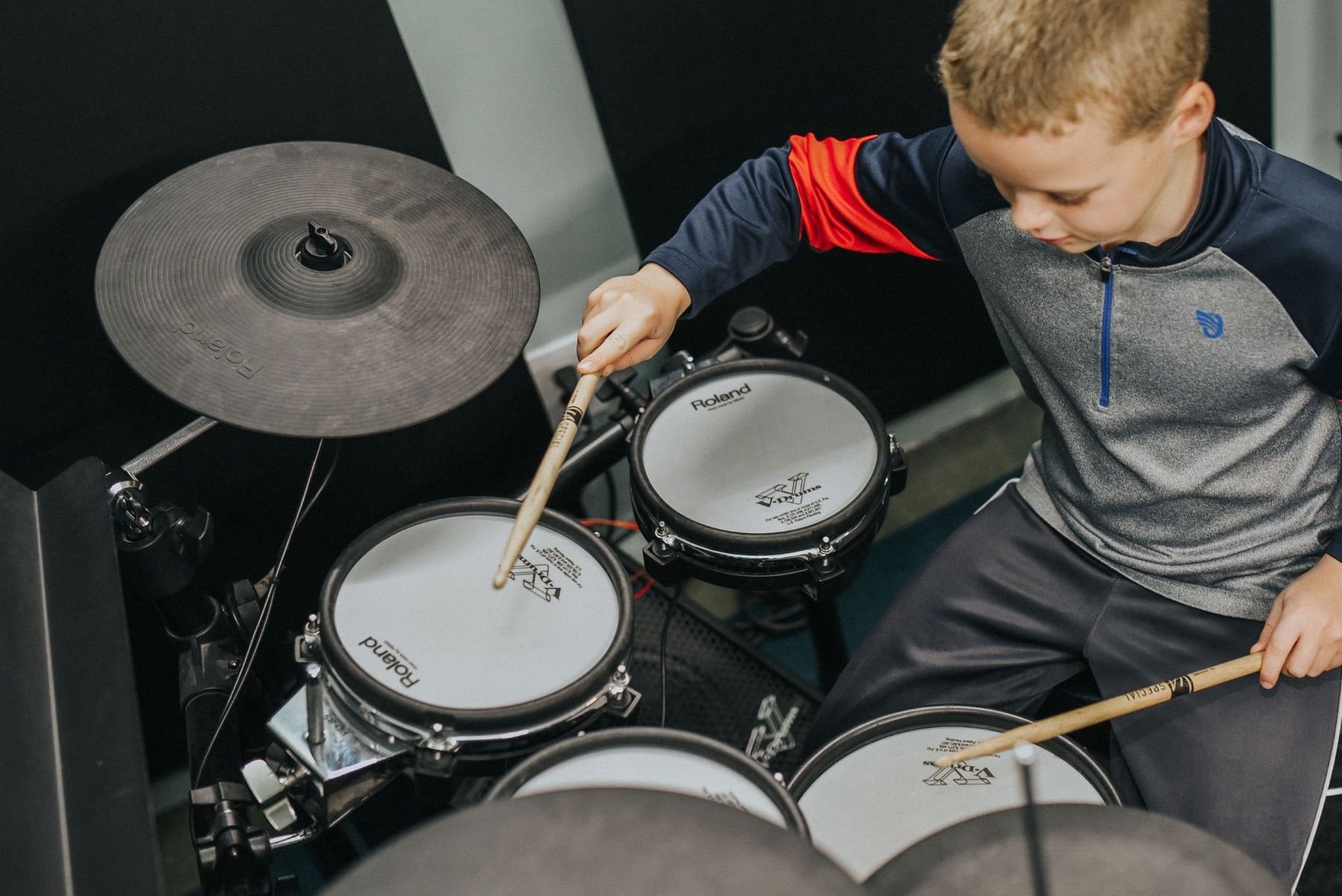
Electronic drums can reduce acoustic volume, but their pads still produce impact and mechanical noise. Use headphones and follow the manufacturer’s setup guidance.
Common Mistakes When Choosing Drumsticks and Other Tools
Using sticks that are too heavy
Heavy sticks can make a drum sound louder, but they also require more effort to control. If your wrists or fingers hurt, try a lighter stick and review your grip.


Hitting harder to sound louder
Volume comes from technique, speed, instrument setup, and room acoustics. More force is not always the best answer. A relaxed stroke often gives better control than a tense one.
Using the wrong mallet
A hard mallet may sound too sharp on a concert bass drum. A soft mallet may lack definition on a drum that needs a clear attack. Match the mallet to the instrument and the musical effect.
Treating brushes like thin sticks
Brushes work through sweeping, dragging, and light strokes. Striking only with the handle or pressing too hard can limit their sound.
Ignoring worn sticks
A cracked stick can break during playing. A damaged stick may also have sharp edges. Replace it when it becomes unsafe or badly worn.
Practicing without hearing protection
Drums can produce high sound levels, especially in small rooms. The National Institute for Occupational Safety and Health and other hearing-safety organizations recommend reducing exposure to loud sound. Use musician earplugs or other suitable hearing protection, while keeping enough sound clarity to play safely.

Are Drumsticks the Same as Percussion Mallets?
No. “Mallet” is a broad term for a tool with a head used to strike an instrument. Drumsticks are a specific type of percussion stick, usually with a small tip and a firm shaft.
A drumstick is made for a clear attack and quick rebound. A timpani mallet is made to shape the tone of a timpani. A bass drum mallet is usually larger and softer.
Some tools overlap. A drummer may use a yarn mallet on a tom or a stick on a concert snare. The right choice depends on the sound, instrument, and musical setting.
Can You Play Drums With Your Hands?
Yes, but it depends on the drum. Congas, bongos, djembes, and cajóns are commonly played with the hands. A drum set is normally played with sticks, brushes, rods, and pedals.
Some players use hand techniques on a snare or tom for special sounds. Use care with hard rims, high tension, and surfaces not designed for direct hand impact.
Can You Play Drums With Regular Wooden Sticks?
You can use wooden drumsticks, but ordinary household sticks are not a safe substitute. They may have rough edges, uneven weight, splinters, or the wrong size. They can also damage drumheads and cymbals.
Use sticks made for percussion. They are shaped for grip, rebound, balance, and repeated impact.
What Is the Best Drumstick Size for a Beginner?
A 5A stick is a practical starting point for many beginners. It offers a medium balance of weight and control. A smaller 7A may suit a light player or quiet style. A 5B may suit a player who needs more volume.
There is no single correct size for every person. Hand size, strength, music style, and playing technique all matter.


Do Drums Need Special Shoes?
No special shoes are required for most drum set playing. Wear shoes that let you control the pedals and do not slip. Very thick soles can reduce pedal feel. Bare feet may improve sensitivity for some players, but they can reduce protection and comfort.
For regular practice, choose stable footwear that lets your ankles move freely.
Final Answer: What Do You Play Drums With?
Most drum set players use drumsticks for the snare, toms, and cymbals, plus a bass drum pedal and hi-hat pedal. Brushes create a soft sweeping sound. Mallets work well for timpani, concert drums, and special effects. Rods offer a quieter middle ground, while hands are common on hand drums.
If you are starting, try medium 5A sticks, practice with a relaxed grip, protect your hearing, and choose other tools as your music requires. The best tool is the one that produces the right sound while giving you control and comfort.
Sources and further reading
- Percussive Arts Society — percussion education and instrument resources
- Yamaha Drums — drum and percussion instrument information
- Vic Firth — documented stick, brush, rod, and mallet types
- Centers for Disease Control and Prevention: Noise and Hearing Loss — workplace and recreational noise guidance

Senior Music Reviewer
Alex Carter is a seasoned music reviewer with over a decade of experience in the world of sound and instruments. Passionate about helping musicians and enthusiasts make informed choices, he brings sharp insights and in-depth knowledge to every review. From classical instruments to modern gear, Alex combines technical expertise with a love for music to deliver content that resonates with readers.
As a Senior Music Reviewer and expert author on Tuneluma.com, Alex is dedicated to sharing honest evaluations, practical advice, and thoughtful commentary to guide readers in their musical journey.