Does It Matter If Your Guitar Cable Is Worn Out: What To Know
Yes, a worn guitar cable can cause crackle, signal loss, noise, and sudden silence during a performance.
A guitar cable may look like a simple wire, but it carries the full connection between your instrument and amplifier. Understanding does it matter if your guitar cable is worn out can help you avoid weak tone, frustrating faults, and preventable stage problems. This guide explains the warning signs, causes, testing steps, repair limits, and best replacement choices.
Does It Matter If Your Guitar Cable Is Worn Out?
Yes, it matters if your guitar cable is worn out. A damaged cable can affect more than sound quality. It can make your guitar cut out, create loud pops, add hum, or stop working at the worst possible moment.
A guitar cable carries a low level instrument signal. This signal is more sensitive than the output from many other audio devices. Small problems in the cable can become very clear through a loud amplifier.
The most common effects include:
• Crackling when you move the cable
• A weak or thin guitar signal
• Intermittent sound
• Loud hum or buzzing
• Complete signal loss
• Popping noises when you touch or turn a plug
• Changes in volume when the cable bends
A worn cable does not always ruin your tone in an obvious way. Sometimes it only reduces reliability. Your guitar may sound fine for ten minutes, then go silent when you step on the cable.
That is why the answer to does it matter if your guitar cable is worn out is especially important for live players. A cable can work well at home and still fail under the movement, pressure, and vibration of a rehearsal or show.

How a Worn Guitar Cable Affects Your Sound
A guitar cable contains a center conductor, insulation, shielding, and connectors. Each part has a job. If one part becomes damaged, the signal may become noisy or unstable.
The center conductor carries the guitar signal. If it breaks inside the cable, the signal may cut in and out as the cable moves. This type of damage is often hard to see because the outside jacket can still look normal.
The shield helps block electrical interference. If the shield loosens or breaks, the cable may pick up hum from lights, power supplies, computers, and other electrical devices. A bad shield can make a clean guitar rig sound dirty and distracting.
The connectors also matter. A loose plug, bent contact, or poor solder joint can create resistance in the signal path. This may cause volume loss, crackling, or a connection that works only at certain angles.
Does it matter if your guitar cable is worn out when the tone still seems acceptable? Yes, because sound problems are not always easy to notice at low volume. A faulty cable may become much louder and more obvious through a large amplifier or effects setup.

Common Signs of a Bad Guitar Cable
Some cable problems are easy to identify. Others appear only during movement. Test your cable if you notice any of these signs.
Crackling or popping sounds
Crackling often points to a broken conductor, loose connector, or damaged solder joint. It may happen when you bend the cable near either plug.
A small amount of noise when plugging in a guitar can be normal if the amplifier is on. However, repeated crackling while the cable is already connected is not normal.
Sound cutting in and out
Intermittent sound is one of the clearest signs that a cable needs attention. The guitar may work when the cable is still but fail when you walk, turn, or move your instrument.
This problem often gets worse over time. A cable that cuts out once today may fail every few seconds next week.
Excessive hum
Some hum comes from the guitar, amplifier, room wiring, or effects pedals. A worn cable is only one possible cause.
To isolate the cable, connect the guitar directly to the amplifier with another known-good cable. If the hum disappears, the original cable is a strong suspect.
A weak or dull signal
A damaged cable can reduce the signal reaching the amplifier. The result may feel quieter, less lively, or less responsive.
A long cable can also lose some high-frequency detail because of its electrical capacitance. That does not always mean the cable is defective, but a damaged cable can make the effect worse.
Loose plugs
The plug should fit firmly into the guitar and amplifier jack. If it wiggles too much or falls out easily, inspect both the plug and the instrument jack.
Does it matter if your guitar cable is worn out when the only visible issue is a bent plug? Yes. A bent plug can damage the guitar jack and may disconnect during use.

What Causes Guitar Cable Wear?
Guitar cables wear out mainly because of repeated bending, pulling, twisting, and stepping. The cable often fails near the plug because that area receives the most stress.
Common causes include:
• Wrapping the cable tightly around your elbow
• Pulling the cable from the wire instead of the plug
• Leaving the cable under furniture or equipment
• Stepping on the cable during performances
• Bending the wire sharply near the connector
• Storing the cable while it is tightly twisted
• Using low-quality plugs or weak strain relief
• Exposure to moisture, heat, or heavy dirt
The cable jacket may also become stiff, cracked, or sticky with age. This does not always mean the inner conductors have failed, but it is a warning that the material is breaking down.
A useful storage method is the over-under technique. It keeps the cable in a natural coil and reduces twisting. Avoid making a very small loop, since tight bends place stress on the conductor and shield.
In practical guitar setups, the first few inches beside each plug often receive the most abuse. Many cable failures begin there, even when the rest of the cable looks perfect.
How to Test a Worn Guitar Cable
You can test most guitar cables in a few minutes. Use a guitar, an amplifier, and a quiet room. Keep the amplifier volume low during the test.
Basic movement test
- Connect the guitar to the amplifier.
- Set the amplifier to a clean sound.
- Play a few notes.
- Gently move the cable near each plug.
- Bend different sections with small, careful movements.
- Listen for crackling, volume changes, or dropouts.
Do not shake the cable aggressively. A good cable should handle normal movement, but extreme bending can damage even a new one.
Plug test
Rotate each plug slightly inside the guitar and amplifier jacks. If this creates noise or causes the signal to disappear, the plug or jack may have a problem.
Test the cable with a second guitar and amplifier if possible. This helps you avoid blaming the cable for a faulty guitar jack, amplifier input, or pedal.
Swap test
The fastest reliable test is to replace the cable with one that you know works. Keep all other equipment the same.
If the problem disappears, the original cable is likely defective. If the problem remains, inspect the guitar jack, amplifier, pedals, power supply, and patch cables.
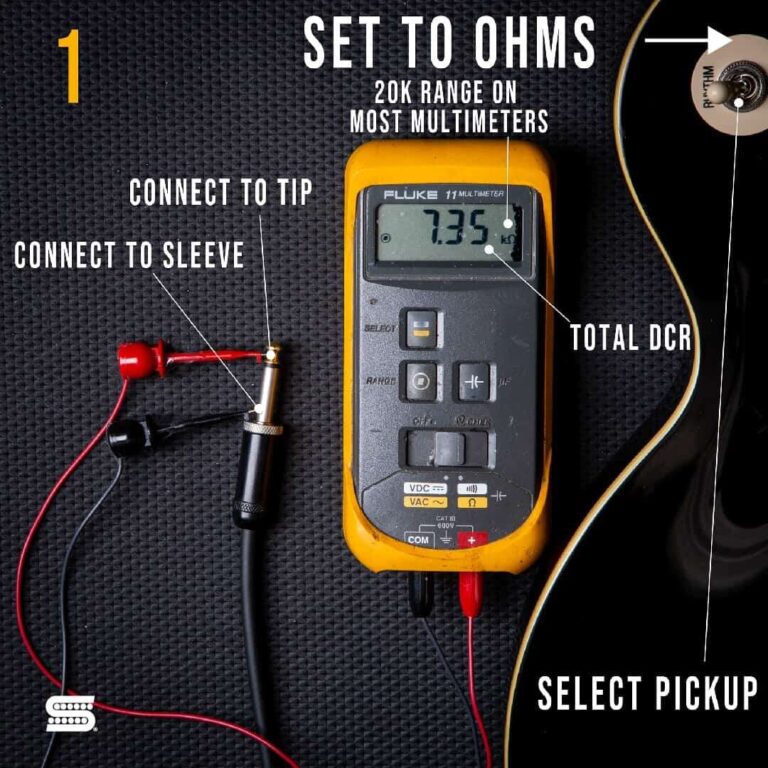
Multimeter test
A multimeter can check continuity through the cable. Set it to continuity mode, then test the matching contacts on both plugs.
A working cable should show continuity through the signal conductor and shield. It should not show a connection between the signal conductor and shield. This test may miss faults that appear only when the cable bends, so a movement test still matters.
Does it matter if your guitar cable is worn out even when a multimeter shows continuity? It can. A cable may pass a still test but fail when internal strands move.

Can You Repair a Worn Guitar Cable?
Some guitar cables can be repaired. A technician or experienced player may replace a plug, resolder a loose connection, or cut away a damaged section.
Repair makes sense when:
• The cable is high quality
• The damage is close to one plug
• The cable uses serviceable connectors
• You have safe soldering skills
• The repair costs less than a reliable replacement
Replacement is usually better when the cable has several faults, a cracked jacket, severe corrosion, or poor construction. A weak repair can create another failure later.
Be careful with soldering tools. A hot soldering iron can cause burns, damage furniture, or create unsafe wiring. If you are not comfortable identifying the signal and shield connections, use a qualified repair shop.
A repaired cable should be tested by moving it near the plug and checking it at normal playing volume. Do not trust a repair just because the guitar produces sound while sitting still.
The real question is not only does it matter if your guitar cable is worn out. It is also whether the cable is reliable enough for your needs. A repaired cable may be fine for home practice but not ideal as your only cable for a paid performance.
Should You Replace or Keep an Old Guitar Cable?
Replace the cable if it produces noise, loses signal, has damaged plugs, or shows serious physical wear. The cost of a dependable instrument cable is usually much lower than the cost of a failed rehearsal or performance.
You may keep an older cable as a backup if it passes careful testing. Label it as a backup so you do not accidentally use it as your main cable.
A good cable does not need to be the most expensive model on the shelf. Look for solid plugs, strong strain relief, flexible construction, and a warranty. Claims about dramatic tone improvement should be treated carefully. A cable can reduce noise and improve reliability, but it cannot transform a weak pickup into a new guitar.
Cable length also matters. Shorter cables generally have less capacitance, which can preserve more high-frequency detail. Longer cables may sound slightly darker, especially with passive guitar pickups, though the effect depends on the cable design and the guitar circuit.
For many players, a practical setup includes:
• One dependable main cable
• One tested backup cable
• Short patch cables for pedals
• Proper cable storage
• A quick cable check before every show
Does it matter if your guitar cable is worn out when you already own several cables? Yes, because one bad cable can still waste time while you search for the problem. Remove unreliable cables from your main setup.

How to Make Your Guitar Cable Last Longer
Good handling can add years to a guitar cable’s life. Treat it like a rope that carries a delicate signal, not like a power cord that can be dragged across the floor.
Follow these habits:
- Unplug the cable by gripping the plug, not the wire.
- Coil it with the over-under method.
- Keep the coil loose and even.
- Avoid sharp bends near the plugs.
- Store cables in a dry place.
- Keep them away from heavy equipment.
- Wipe off dirt before storage.
- Test cables before important performances.
- Use cable ties made for audio cables.
- Do not leave cables stretched across walkways.
A small amount of care prevents many common failures. One lesson repeated by repair technicians is that cable strain usually builds slowly. The cable may seem fine until one final bend exposes damage that has been developing for months.
Another useful habit is to avoid wrapping the cable around the guitar headstock or amplifier handle. This creates tight bends and can pull against the plug. A loose, even coil is safer.
If your cable has a memory, twists, or stiff sections, replace it before those signs become electrical problems. Does it matter if your guitar cable is worn out? It matters less when you catch the wear early and keep a tested spare nearby.
When a Bad Cable Is Not the Real Problem
A guitar cable is a common cause of noise, but it is not the only one. Replacing the cable may not fix the issue if another part of the rig is failing.
Check these possibilities:
• Dirty or loose guitar input jack
• Loose amplifier input jack
• Faulty pedal patch cable
• Weak battery in active electronics
• Poorly grounded guitar
• Single-coil pickup hum
• Defective power supply
• Electrical interference from lights or computers
• Loose instrument wiring
Use a simple process. Connect the guitar straight to the amplifier. Remove pedals and extra cables. Then test the guitar with a known-good cable.
If the noise remains, test another guitar through the same amplifier. This process helps identify whether the problem comes from the guitar, cable, amplifier, or surrounding electrical equipment.
This distinction matters because does it matter if your guitar cable is worn out may not be the right question in every noisy setup. Good troubleshooting changes one part at a time instead of replacing everything at once.
Frequently Asked Questions
Does a bad guitar cable affect tone?
Yes, a damaged cable can make the signal weak, dull, noisy, or unstable. A normal cable may also change high-frequency response slightly because of its capacitance, but it should not create crackling or sudden dropouts.
How often should you replace a guitar cable?
There is no fixed replacement schedule. Replace a guitar cable when it becomes noisy, intermittent, physically damaged, or unreliable, even if you have owned it for only a short time.
Can a guitar cable cause buzzing?
Yes, a damaged shield or connector can cause buzzing and interference. However, guitar grounding, single-coil pickups, amplifier wiring, and nearby electrical devices can also cause buzz.
Can you fix a broken guitar cable?
Many cables can be repaired by replacing a plug or resoldering a connection. Replacement is often safer when the cable has multiple faults or serious jacket damage.
Is an expensive guitar cable better?
An expensive cable is not automatically better. Focus on reliable connectors, strong strain relief, flexible materials, good shielding, and a useful warranty rather than marketing claims alone.
How can you tell if a guitar cable is bad?
Connect it to a guitar and amplifier, then gently move the cable near both plugs and along its length. Crackling, signal loss, volume changes, or unusual hum suggest that the cable needs repair or replacement.
Conclusion
A worn guitar cable can cause crackle, hum, weak tone, dropouts, and complete signal failure. The damage often begins near the plugs, where bending and pulling place the most stress on the cable.
Test suspicious cables with a known-good setup, repair simple faults only when safe, and replace cables that remain unreliable. Keep one dependable backup in your gig bag, coil cables correctly, and check them before every important session.
Now inspect your cables, test the questionable ones, and remove any unreliable cable from your main rig. Share your cable-testing tips or explore more guitar maintenance guides to keep your setup ready to play.

Senior Music Reviewer
Alex Carter is a seasoned music reviewer with over a decade of experience in the world of sound and instruments. Passionate about helping musicians and enthusiasts make informed choices, he brings sharp insights and in-depth knowledge to every review. From classical instruments to modern gear, Alex combines technical expertise with a love for music to deliver content that resonates with readers.
As a Senior Music Reviewer and expert author on Tuneluma.com, Alex is dedicated to sharing honest evaluations, practical advice, and thoughtful commentary to guide readers in their musical journey.