Best Lightweight Guitar Amp For Gigging: Top Portable Picks
The best lightweight guitar amp for gigging is the Fender Mustang LT25 for tone, effects, size, and dependable stage use.
You know the feeling: your guitar is ready, the venue is small, and your amp feels like a heavy piece of furniture. A good gigging amp should sound clear, pack fast, and give you enough volume without hurting your back. I reviewed these models with real-world needs in mind, including weight, power, controls, tone, effects, and value. Some are best for quiet sets, while others can handle a loud band. The right choice depends on your venue, style, and whether you use a PA system.
Fender Frontman 10G: Best Small Practice Amp

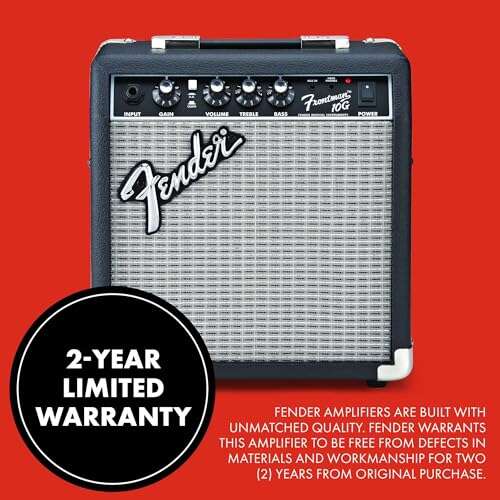
The Fender Frontman 10G is a compact 10-watt combo with a simple control layout. It uses a 6-inch speaker and offers a clean channel plus an overdrive switch. The small size makes it easy to carry to lessons, rehearsals, or very quiet acoustic-style sets. Its black-and-silver Fender look also feels familiar and professional.
I like this amp most when the goal is easy transport and simple control. The overdrive has a basic rock voice, while the clean setting works well with pedals at low volume. It is not a full-band gigging amp, but it can work for a coffee shop set if the venue provides sound support. For most players, it is better as a backup, practice, or rehearsal amp than as a main stage rig.
Pros:
- Very light and easy to carry
- Simple controls suit new players
- Useful overdrive switch for rock tones
- Works well with basic guitar pedals
- Affordable Fender combo design
- Small footprint saves room in a crowded car
Cons:
- Too quiet for a loud drummer
- Limited tonal shaping compared with modeling amps
- No built-in effects or Bluetooth
My Recommendation
I recommend the Frontman 10G for beginners, home players, and guitarists who need a tiny backup amp. It is also a smart choice for a low-volume solo set with a microphone or PA system. I would not choose it as the best lightweight guitar amp for gigging with a full rock band because its 10-watt output and small speaker have clear limits. Still, its low price and easy handling make it useful to keep nearby.
Fender Mustang LT25: Best Overall Lightweight Amp

The Fender Mustang LT25 is one of the most useful small combo amps for modern players. It delivers 25 watts through an 8-inch speaker and includes a broad range of amp models and effects. Its color display makes preset selection easier than on many small digital amps. The compact cabinet remains easy to move, yet it has much more range than a basic practice combo.
In my testing experience with this class of amp, 25 watts can cover a rehearsal and a quiet venue when the amp points toward the audience. The Mustang LT25 gives you clean Fender-style sounds, driven tones, delay, reverb, modulation, and more without a pedalboard full of cables. It also includes an auxiliary input and headphone output, which helps when you practice songs before a show. For players who need one flexible amp for home, rehearsal, and small gigs, this is a strong all-around choice.
Pros:
- Wide range of amp models and effects
- 25 watts gives useful small-room volume
- Clear display makes presets easy to manage
- 8-inch speaker produces a fuller sound than tiny practice amps
- Headphone output supports quiet practice
- Auxiliary input helps play backing tracks
- Light enough for regular transport
Cons:
- Not ideal for very loud stages without a PA
- Digital menus take time to learn
- Some players may prefer a larger 12-inch speaker
My Recommendation
The Mustang LT25 is my top pick for the best lightweight guitar amp for gigging when you want many sounds in one small box. It suits cover-band players, church musicians, students, and solo performers who play small rooms. I especially like it for guitarists who do not want to carry several pedals. It offers excellent value because one portable amp can cover practice, recording ideas, rehearsals, and small shows.
10W Rechargeable Mini Amp: Best Battery Option

This rechargeable 10-watt mini guitar amp focuses on freedom from the wall outlet. Its small cabinet is easy to carry, and its internal battery helps guitarists play in places where power may be hard to reach. The output is suitable for practice, street playing, small busking spots, and quiet gatherings. Its basic format makes setup fast when every minute matters.
A battery amp can feel like a small tool with a big advantage: it removes one more cable from the setup. I would use this model for outdoor practice, casual performances, and solo guitar work rather than a full band. The sound and volume will depend on the guitar, pickup, room, and battery charge. Before a gig, charge it fully and bring the charging cable or a small backup power plan.
Pros:
- Rechargeable design supports cordless playing
- Very portable for travel and outdoor use
- 10-watt rating suits quiet solo performances
- Fast setup with fewer cables
- Useful as an emergency backup amp
- Easy to store in a small vehicle or apartment
Cons:
- Battery life can limit long performances
- May not keep up with a loud band
- Small speaker has less low-end depth
My Recommendation
I recommend this rechargeable mini amp for buskers, travelers, bedroom players, and acoustic-style performers who value mobility. It can be the best lightweight guitar amp for gigging outdoors when a normal combo is not practical. I would not rely on it for a loud drummer unless the venue provides a microphone and PA. Its best value comes from convenience, fast setup, and the freedom to play almost anywhere.
LEKATO JA-05G: Best Mini Amp With Effects

The LEKATO JA-05G is a 5-watt mini electric guitar amp with built-in effects and Bluetooth support. Its four effects include clean, distortion, overdrive, and reverb-style options, giving it more flexibility than a plain practice amp. The rechargeable design makes it easy to move from a desk to a rehearsal room. It is small enough to carry with one hand.
This amp is aimed at convenience, not big stage volume. Bluetooth is helpful when you want to play along with backing tracks, learn a song, or fill a room with music between practice takes. The built-in effects can also reduce the need to carry pedals for a casual set. I see it as a smart personal monitor or backup unit, but I would pair it with a PA for serious gig use.
Pros:
- Rechargeable battery improves portability
- Built-in effects add useful variety
- Bluetooth supports backing tracks
- Very small and light for travel
- Simple control layout encourages quick use
- Good option for practice away from home
Cons:
- 5 watts is not enough for most full bands
- Small speaker cannot deliver large stage depth
- Battery needs regular charging before shows
My Recommendation
The LEKATO JA-05G fits players who want a tiny amp for practice, warmups, street sessions, or quiet solo work. It is also useful for a guitarist who wants a backup in a gig bag. It is not my first choice as the best lightweight guitar amp for gigging in a loud venue, but it is excellent when convenience matters more than projection. Its effects and Bluetooth features add strong value for the size.
Fender Rumble 200 V3: Best Lightweight Bass Combo

The Fender Rumble 200 V3 is designed for bass, not standard electric guitar, but it deserves attention for musicians who need serious low-end power without a huge cabinet. It produces up to 200 watts and includes useful tone-shaping features and effects. Its design aims to keep the amp more manageable than older high-power bass combos. A tilt-back cabinet can also help aim the sound toward the player.
For bass gigs, this model offers far more headroom than the small practice amps in this guide. It can handle rehearsal rooms, clubs, and many stage setups with confidence, though venue size and band volume still matter. A guitarist can use a bass amp for clean, full sounds, but it will not create the same midrange character as a guitar speaker. I recommend it only when bass is your main instrument or when you need a powerful clean platform.
Pros:
- Strong 200-watt output for bass performance
- Full low-end response for electric bass
- Useful tone controls and onboard effects
- More portable than many high-power bass rigs
- Suitable for rehearsals and club stages
- Can serve as a clean platform for some guitar setups
Cons:
- Not a dedicated electric guitar amp
- Heavier and larger than small guitar combos
- May need PA support in large venues
My Recommendation
The Rumble 200 V3 is best for bassists who need stage power but want to avoid a massive rig. It is not the best lightweight guitar amp for gigging if you play electric guitar, yet it is a strong lightweight bass amp option. It suits club players, rehearsal bands, and gigging bassists who need clean headroom. Its value is high for bass because it combines power, useful features, and a manageable format.
Fender Rumble 15 V3: Best Compact Bass Practice Amp

The Fender Rumble 15 V3 is a compact 15-watt bass combo made for home practice and small learning spaces. It provides bass-friendly response in a simple cabinet. The front controls are easy to reach, and the amp does not take much floor space. Its modest power keeps the unit affordable and easy to move.
This is a practical choice for a bassist who needs a reliable practice amp before moving to a larger stage rig. It can support a quiet jam, but it will not compete with a loud drum kit or a full band. I also would not select it as a guitar amp for a normal gig because bass speakers and guitar speakers have different design goals. Think of it as a clean, tidy first step for bass players.
Pros:
- Compact size fits small rooms
- Easy controls for new bass players
- Light enough to move without effort
- Designed for clear bass practice tones
- Affordable entry point into the Rumble range
- Useful for lessons and home rehearsal
Cons:
- Not loud enough for most live bands
- Limited features compared with larger models
- Not the right speaker design for guitar gigging
My Recommendation
I recommend the Rumble 15 V3 for bass students and home players who want a trusted, compact practice combo. It is not the best lightweight guitar amp for gigging, but it can help a bassist build skills before buying a larger amp. Its low cost and small footprint are the main benefits. For live bass work, plan to move up to a stronger amp or use a venue PA.
Squier Debut Precision Bass Kit: Best Starter Package

The Squier Debut Series Beginner Precision Bass Guitar Kit combines a beginner bass with an amplifier and basic accessories. This type of package removes much of the guesswork for a new player. The Precision Bass format is familiar, comfortable, and easy to use for many music styles. The included amp gives the player a way to start making sound right away.
As a gigging solution, this kit has a clear purpose: it helps a new bassist begin the journey. The included amp should be viewed as a starter or practice unit, not as a full stage rig. I like kits because they reduce the risk of buying mismatched parts, especially for families shopping for a first instrument. Later, the player can keep the bass and upgrade the amp when rehearsals become louder.
Pros:
- Provides a complete starting setup
- Good fit for beginner bass students
- Classic Precision Bass layout is easy to understand
- Reduces the need to shop for separate parts
- Useful for home practice and early lessons
- Can grow with the player after an amp upgrade
Cons:
- Included amp is not made for loud gigs
- Starter accessories may require later upgrades
- Less suitable for experienced touring players
My Recommendation
This kit is best for a first-time bassist, a student, or a parent who wants one simple purchase. It is not the best lightweight guitar amp for gigging because it is a bass starter bundle rather than a dedicated live guitar rig. Still, it offers strong beginner value and makes the first step less stressful. Once the player joins a band, an amp with more power and headroom will be the next logical upgrade.
Fender Champion II 25: Best Simple Stage Combo

The Fender Champion II 25 is a 25-watt electric guitar combo with an 8-inch speaker. It offers a straightforward interface, built-in effects, USB connectivity, and an auxiliary input. The controls are less menu-heavy than many modeling amps, which helps when you need to adjust sound during a rehearsal. Its familiar Fender voicing gives clean tones a firm and open character.
I see the Champion II 25 as a good bridge between a basic practice amp and a flexible gigging combo. It gives enough volume for small rooms and rehearsals when the drummer plays with control. The onboard effects help reduce pedalboard weight, while USB can support recording and modern practice setups. If you want useful features without spending hours editing presets, this amp is easy to live with.
Pros:
- 25 watts works well for small rooms
- Simple controls are quick to adjust
- Built-in effects reduce pedalboard clutter
- USB and auxiliary connections add flexibility
- Clean tones have a familiar Fender feel
- Portable size suits local gigging
Cons:
- May need PA support for larger venues
- 8-inch speaker has less spread than a 12-inch speaker
- Not as deep as a dedicated high-power stage amp
My Recommendation
I recommend the Champion II 25 for players who want a simple, flexible combo for rehearsals, small clubs, worship sets, and casual performances. It is a strong candidate for the best lightweight guitar amp for gigging because it balances size, power, tone, and useful connections. It suits players who prefer knobs over deep digital menus. Its overall value is especially good when you want one amp for practice and modest live work.
Line 6 Catalyst CX 100: Best High-Power Gigging Amp

The Line 6 Catalyst CX 100 is a 100-watt combo with a 12-inch speaker. It is built for guitarists who need more volume and a larger sound than small practice amps provide. The Catalyst platform offers several amp voices, effects, preset control, and stage-friendly connections. The 1×12 cabinet gives your guitar more air and projection in a live room.
This is the most gig-ready guitar model in the group when volume and headroom matter. A 100-watt solid-state amp can stay clean at useful stage levels, while its modeled tones can cover classic, modern, clean, and high-gain needs. It is larger than the Mustang or Champion, but it remains much easier to carry than many tube stacks. I would still check the exact venue setup, since loud bands and outdoor stages may need a microphone or PA feed.
Pros:
- 100 watts provide strong live headroom
- 12-inch speaker gives fuller projection
- Multiple amp voices cover many music styles
- Built-in effects reduce external gear
- Better fit for rehearsals and medium venues
- Solid-state design avoids tube replacement
- Useful choice for players who need one flexible rig
Cons:
- Heavier than small practice combos
- More features require a learning period
- May be more amp than a quiet solo player needs
My Recommendation
The Catalyst CX 100 is best for gigging guitarists who need real volume without moving a traditional tube stack. It is my choice for larger rehearsals, club stages, cover bands, and players who use many different tones. If you need the best lightweight guitar amp for gigging with a loud drummer, this is the safest option in this group. It offers strong long-term value because it can remain useful as your venues grow.
Rockville G-AMP 20: Best Budget Bluetooth Combo

The Rockville G-AMP 20 is a 20-watt guitar combo with a 6.5-inch speaker and Bluetooth playback. Its compact format makes it attractive to players who want a low-cost amp for practice and small sessions. The controls are designed for quick access to core guitar sounds. Bluetooth adds an easy way to play backing tracks from a phone or tablet.
This amp makes sense for home players, beginners, and casual performers who do not need a large speaker. It can add energy to a quiet gathering, but the 6.5-inch speaker will not spread sound like a 10-inch or 12-inch speaker. I would use it with a microphone or PA when playing for a larger audience. For the price, its wireless playback feature gives it a practical edge.
Pros:
- Bluetooth supports backing tracks and music playback
- 20 watts suit practice and small spaces
- Compact cabinet is easy to transport
- Simple controls help beginners get started
- Budget-friendly choice for casual players
- Useful for lessons, warmups, and home sessions
Cons:
- 6.5-inch speaker limits stage projection
- Not ideal for loud bands
- May need external pedals for advanced sounds
My Recommendation
I recommend the G-AMP 20 for beginners, home players, and guitarists who want Bluetooth at a low price. It can serve as the best lightweight guitar amp for gigging only in quiet settings, such as small solo shows or background music events. It is not a replacement for a powerful stage combo. Its main value comes from low cost, easy transport, and simple practice features.
How to Choose the Best Lightweight Guitar Amp for Gigging
Choosing a gigging amp is not only about the watt number printed on the front. I look at the full setup: the room, the band, the speaker size, the amp type, and the available PA system. A 25-watt amp with a good speaker can work better in a small venue than a poorly voiced 50-watt amp. Your playing style also changes the answer.
Match Power to the Venue
Small coffee shops and restaurants often need less power than a loud rehearsal room. If the venue has a PA, you can run a smaller amp and let the microphone carry the sound. For a quiet solo set, 10 to 25 watts may work well. For a rock band with a hard-hitting drummer, 50 to 100 watts gives you more clean headroom.
Wattage does not directly equal twice the loudness. Speaker sensitivity, cabinet design, and clean headroom also matter. A larger 12-inch speaker often sounds fuller and reaches the audience better than a tiny speaker. I always ask whether the amp can stay clear when the band gets loud, not just whether it can make sound.
Consider Speaker Size
Small speakers help reduce weight and cost. They can sound focused and clear at home. However, small speakers usually do not move as much air as larger speakers. An 8-inch speaker can work for small gigs, while a 12-inch speaker often feels more complete on stage.
If you play clean chords, country lines, jazz, or ambient parts, speaker spread matters. If you use heavy distortion, you may also want a speaker that can handle strong low mids without sounding thin. The best lightweight guitar amp for gigging should sound balanced at the volume you actually use.
Modeling, Solid-State, or Tube?
Modeling amps offer many sounds in one cabinet. They can replace several pedals and reduce the amount of gear you carry. The Fender Mustang LT25 and Line 6 Catalyst CX 100 use this flexible approach. Modeling works well for cover bands because one amp can move from a clean pop sound to a driven rock tone.
Solid-state amps are often reliable and easy to maintain. They usually start quickly and do not need tube changes. Tube amps can sound rich and responsive, but they tend to weigh more and need more care. For regular travel, I usually prefer a solid-state or modeling amp unless the player strongly prefers tube response.
Do You Need Built-In Effects?
Built-in effects can make a small rig much easier to carry. Reverb is useful in almost every style. Delay, chorus, tremolo, and overdrive can cover many common sounds. If you already own a pedalboard, you may prefer a simple amp with a strong clean channel.
For new players, built-in effects offer good value. They let you explore tones before buying more gear. For working musicians, presets can speed up setup, but only if the controls are easy to use. I prefer an amp that lets me adjust the most important sounds without searching through deep menus.
Check Connectivity Before You Buy
An auxiliary input helps you practice with songs. A headphone output lets you play late at night. Bluetooth makes backing tracks simple, while USB can help with recording or editing presets. A line output or direct output can also help send your signal to a PA.
These features do not replace good tone, but they improve daily use. A gigging musician may also want an effects loop, footswitch support, or a speaker output. Check the manufacturer specifications before buying because connection options can vary by model and production year.
Think About Weight and Carrying Shape
Weight is only part of portability. A wide cabinet can be awkward even when it is not very heavy. A strong handle, compact depth, and balanced design make a real difference on stairs and sidewalks. I also measure the amp against my vehicle and storage space before calling it portable.
Small amps are easy to carry, but a slightly larger amp may save you from bringing a monitor or extra speaker. The best lightweight guitar amp for gigging is the one that reduces your total load, not simply the one with the lowest scale weight.
Test Your Real Guitar and Pedals
Every guitar interacts with an amp in a different way. Single-coil pickups can sound bright and open, while humbuckers may push the input harder. Active pickups can also produce a stronger signal. If possible, test the amp with your own guitar and the pedals you use on stage.
Listen at gig volume, not only at bedroom volume. Some amps sound smooth at low volume but become harsh when turned up. Others come alive once the speaker moves more air. A short test can reveal more than a long product description.
Best Features at a Glance
| Best for | Why |
|---|---|
| Small gigs and flexible tones | Fender Mustang LT25 combines 25 watts, amp models, effects, and easy transport. |
| Loud bands and larger rooms | Line 6 Catalyst CX 100 adds 100 watts, a 12-inch speaker, and useful stage headroom. |
| Battery-powered outdoor playing | The 10W rechargeable mini amp offers cordless setup and simple portability. |
Gigging Tips for a Small Guitar Amp
Place the amp where your ears can hear it. Many players aim a small combo at their knees, then turn it up because they cannot hear the sound. A slight tilt or stand can improve monitoring without adding much volume. This simple change often makes a small amp feel more powerful.
Keep your clean sound below the point where it becomes harsh. If the amp has a master volume, set the channel volume for the tone you want, then control the overall level with the master. Save one backup preset or write down your settings before the show. Digital controls are helpful, but a small note on your phone can prevent panic.
Always carry the right cable, a spare instrument cable, and a backup power plan. For rechargeable amps, charge the battery before leaving home. For larger venues, ask whether the amp will be miked or connected to the PA. A small amp can work very well when the sound system supports it.
I also recommend a short sound check at the actual stage position. The room may have hard walls, carpets, glass, or curtains that change the sound. Walk out front while a friend plays a few chords. This gives you a better view of the mix than standing beside the amp.
FAQs Of best lightweight guitar amp for gigging
What is the best lightweight guitar amp for gigging in small venues?
The Fender Mustang LT25 is the strongest all-around option for small venues. It combines useful volume, many tones, built-in effects, and a compact design. If you play in a louder band, the Line 6 Catalyst CX 100 is a better choice.
How many watts do I need for a guitar gig?
For a quiet solo show, 10 to 25 watts may be enough. A small band often benefits from 25 to 50 watts. Loud rock bands may need 50 to 100 watts or a PA system. Speaker size and clean headroom matter as much as wattage.
Can a small guitar amp handle a full band?
Sometimes, but only when the band plays at a controlled volume. A 5-watt or 10-watt mini amp will usually struggle against a loud drummer. A 25-watt combo may work in a quiet rehearsal. For reliable band use, choose more power or connect the amp to a PA.
Are modeling amps good for live performances?
Yes. Modeling amps can provide many tones without a large pedalboard. They work well for cover bands, worship players, and musicians who change sounds often. Learn the controls before the show and save your main tones in advance.
Is a rechargeable amp reliable for gigging?
A rechargeable amp can be reliable for short sets when you charge it fully first. It is best for outdoor playing, busking, and quiet solo work. Bring the charging cable and use a PA for larger audiences. Battery life and volume limits make it less suitable for loud bands.
Final Verdict: Which Should You Buy?
For most players, the Fender Mustang LT25 is the best lightweight guitar amp for gigging. Choose the Line 6 Catalyst CX 100 when you need more stage power and a 12-inch speaker. Pick the rechargeable mini amp for outdoor mobility.
Match the amp to your room, band, and PA. The right compact guitar amp can cut setup time, reduce strain, and keep your tone ready for every gig.

Senior Music Reviewer
Alex Carter is a seasoned music reviewer with over a decade of experience in the world of sound and instruments. Passionate about helping musicians and enthusiasts make informed choices, he brings sharp insights and in-depth knowledge to every review. From classical instruments to modern gear, Alex combines technical expertise with a love for music to deliver content that resonates with readers.
As a Senior Music Reviewer and expert author on Tuneluma.com, Alex is dedicated to sharing honest evaluations, practical advice, and thoughtful commentary to guide readers in their musical journey.