Best Bass Drum Pedal For Jazz: Top Picks For Swing
The DW 3000 is the best bass drum pedal for jazz players who need smooth control, quiet action, and lasting value.
A jazz drummer may play softly one moment, then add a sharp, warm kick note the next. A stiff pedal can make that small change feel hard, slow, and uneven. The right pedal should move like a calm swing dancer: light, quick, and easy to guide. I reviewed these pedals for feel, control, drive design, setup, and value. This list includes simple single pedals, double pedals, beaters, and trusted DW and Tama options for practice, gigs, and regular drum-set work.
Heavy-Duty Single Chain Bass Pedal

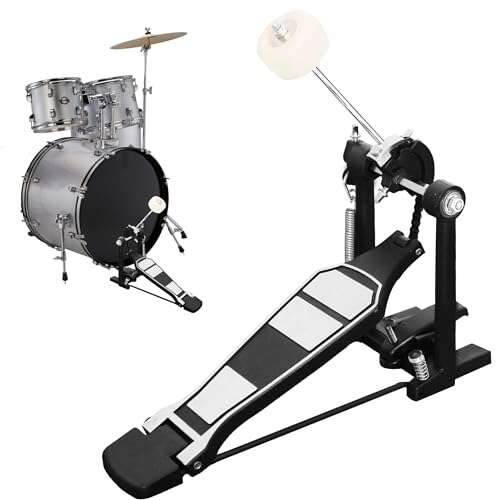
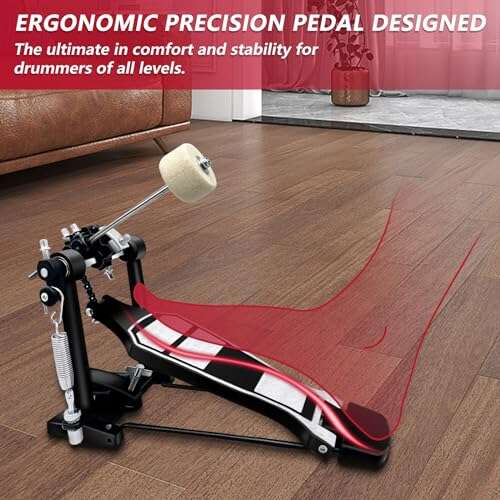
This single kick pedal offers a practical design for players who want a basic, usable tool without a large price tag. Its heavy-duty footboard gives the foot a stable place to work, which helps when you play steady quarter notes or soft jazz comping. The single-chain drive keeps the layout simple and familiar. That makes it easy for a new drummer to understand and adjust.
I see this model as a useful starter or backup pedal. It may suit a small kit, a practice room, or a drummer who does not need many advanced adjustments. For jazz, the pedal should be set with a light spring feel and a short beater stroke. The hardware may not feel as refined as a premium pedal, but it can cover the core job at a low cost.
Pros:
- Heavy-duty footboard feels stable under the foot
- Simple single-chain design is easy to learn
- Useful low-cost choice for new drummers
- Works well as a spare or rehearsal pedal
- Single-pedal layout leaves more floor space
Cons:
- Fewer fine adjustments than premium pedals
- Basic construction may show more vibration at high speed
- May need careful tuning for very soft jazz playing
My Recommendation
I recommend this pedal for beginners, students, and players building an affordable practice kit. It is also a sensible backup for a working drummer who wants a pedal that is easy to pack and replace. It is not my first choice for a studio player who demands the quietest and smoothest motion. Still, it can be a good entry point when budget matters most.
| Best for | Why |
|---|---|
| Beginners | The simple chain drive is easy to understand. |
| Practice kits | The sturdy footboard gives useful daily support. |
| Budget buyers | It covers the main job without premium pricing. |
Single-Chain Kick Pedal for Beginners

This single bass drum pedal targets both beginner and pro drummers, but its strongest appeal is its simple layout. The single-chain drive provides a familiar response and does not add the extra weight of a double pedal. That can help a jazz player keep the foot relaxed. A relaxed foot often creates a cleaner, more even pulse.
I would use this pedal for lessons, home practice, and a first drum set. Its simple format also makes it a useful choice for a compact kit used at small venues. Before a performance, I would check the clamp, spring tension, and beater angle. Those small setup steps matter because jazz kick work depends more on touch than brute force.
Pros:
- Beginner-friendly single-chain mechanism
- Light layout supports relaxed foot technique
- Suitable for lessons and home practice
- Easy to carry with a compact drum setup
- Can support soft, controlled quarter-note patterns
Cons:
- May lack the precision of a high-end professional pedal
- Single-chain action may feel less solid under heavy use
- Adjustment range may be limited for advanced players
My Recommendation
This is a good match for a student or casual drummer who wants the best bass drum pedal for jazz at an entry-level cost. It makes sense when you value easy setup over advanced customization. I would not choose it for demanding touring work without testing it first. For learning bass drum control, however, it offers a clear and approachable starting point.
| Best for | Why |
|---|---|
| First drum set | The familiar single-chain design keeps learning simple. |
| Jazz students | Its light format can encourage relaxed foot control. |
| Small venues | It is practical for a compact, easy-to-carry kit. |
Tama Standard Double Bass Pedal

Tama is a well-known drum brand, and this standard double-bass pedal brings two footboards to the kit. A double pedal is not the usual first choice for traditional jazz, but it can help players who also cover fusion, jazz-rock, or modern grooves. The design gives you a second beater without needing a second bass drum. That adds range when one kit must handle many styles.
For straight-ahead jazz, I would use the main pedal and keep the second pedal available for special figures. The extra hardware adds weight and takes more floor space, so placement matters. Double pedals also require more balance between both feet. If you want one pedal for mixed styles, this Tama option may offer more flexibility than a basic single model.
Pros:
- Double-pedal format expands playing options
- Useful for fusion and modern jazz styles
- Tama branding supports buyer confidence
- One bass drum can cover two-beater needs
- Good option for players with a mixed repertoire
Cons:
- More hardware than many jazz players need
- Requires extra setup and foot coordination
- May take more floor space than a single pedal
My Recommendation
I recommend this pedal for a drummer who plays jazz but also performs fusion, rock, or studio work. It is less focused than a light single pedal, yet it gives you room to grow. Traditional jazz players may prefer a single pedal for a cleaner feel. If versatility is your goal, this Tama is a strong candidate for the best bass drum pedal for jazz and crossover playing.
| Best for | Why |
|---|---|
| Fusion drummers | Two pedals support fast and varied bass patterns. |
| Multi-style players | One kit can cover jazz, rock, and modern music. |
| Growing players | The design leaves space for new techniques. |
MCCKLE Heavy-Duty Double Chain Pedal

The MCCKLE double bass pedal uses a heavy-duty double-chain drive. That design may appeal to players who want a firm feel and extra support during strong playing. A double chain can feel more secure than a light single chain, especially when you play with a larger beater motion. It also gives the pedal a solid look and sturdy presence under the feet.
This pedal is aimed more at power and flexibility than pure traditional jazz touch. Still, a jazz-rock player may like the extra strength for accented kick notes. I would spend time balancing the spring, beater angle, and slave pedal before a show. A double pedal can work well, but poor alignment can make the second pedal feel late or uneven.
Pros:
- Double-chain drive offers a firm pedal feel
- Double layout supports modern bass drum patterns
- Heavy-duty build suits stronger playing styles
- Useful for jazz-rock and fusion crossover work
- One bass drum can produce two-beater effects
Cons:
- May feel heavy for quiet, traditional jazz
- Double pedals take longer to balance and adjust
- May be more hardware than a casual player needs
My Recommendation
This pedal is best for players who want a powerful double setup at a practical price. It makes sense for fusion bands, rock-jazz projects, and drummers who share one kit across many styles. I would choose a lighter single pedal for delicate swing and brush-friendly kick work. For a drummer who needs strength and two-beater access, this model offers useful value.
| Best for | Why |
|---|---|
| Jazz-rock | The firm chain feel handles stronger accents. |
| Fusion | The double layout supports busy bass patterns. |
| Power players | Its heavy-duty format suits forceful technique. |
TUOREN Metal Cobra-Style Beater

This TUOREN accessory is a replacement bass drum beater rather than a complete pedal. It combines a metal Cobra-style hammer head with a white felt surface. That matters because the beater is the part that meets the drumhead and shapes the first part of the kick sound. A felt surface can help keep the attack rounder and softer than a bare hard surface.
I would consider this beater when a current pedal works well but its original beater is worn or missing. It may also help a drummer test a different balance and contact point. Beater weight and length change how the pedal feels, so I would compare it at low volume before using it on a quiet jazz gig. Always check shaft fit and locking security before playing.
Pros:
- Useful replacement for a worn bass drum beater
- White felt surface supports a softer attack
- Metal hammer head offers a solid structure
- Can change the feel of an existing pedal
- Helpful for experimenting with kick tone
Cons:
- It is not a complete bass drum pedal
- Fit may vary between pedal brands and models
- Beater changes require careful setup and testing
My Recommendation
I recommend this beater for a drummer who already owns a working pedal and wants a low-cost tone or feel change. It is not the best bass drum pedal for jazz by itself because it does not include the pedal frame. However, the felt contact can suit players who want a less sharp sound. Confirm compatibility before buying, then lock the beater firmly for safe use.
| Best for | Why |
|---|---|
| Replacement needs | It can renew a pedal with a worn beater. |
| Soft kick tone | Felt contact can give a rounder attack. |
| Sound testing | A new beater lets you compare feel and tone. |
DW 3000 Series Single Pedal

The DW 3000 Series Single Bass Drum Pedal is the most balanced choice in this group. DW has a strong reputation for drum hardware, and the 3000 series sits in a useful middle ground between simple beginner pedals and expensive professional models. Its single-pedal format suits the way many jazz drummers play. You get one focused foot motion, one beater, and a clear path to controlled dynamics.
I like this kind of pedal for jazz because it does not force the player to fight extra weight or a complex second linkage. The pedal can support quiet feathering, steady walking-style kick parts, and stronger accents when the song calls for them. It also makes sense for rehearsals, recording, and live work. For a drummer who wants one reliable pedal rather than a collection of features, this is my leading pick.
Pros:
- Strong balance of control, feel, and value
- Single-pedal design suits traditional jazz technique
- DW hardware reputation supports long-term confidence
- Useful for practice, studio work, and live gigs
- More refined choice than many entry-level pedals
Cons:
- Costs more than basic unbranded pedals
- Single-pedal format does not cover double-kick needs
- Players seeking many premium adjustments may want a higher series
My Recommendation
I recommend the DW 3000 to most jazz drummers who want dependable performance without moving into top-tier pricing. It is especially well suited to students who are ready to upgrade, gigging players, and studio musicians who need repeatable control. Its single layout keeps the footwork direct and musical. In my view, it is the best bass drum pedal for jazz in this comparison because it combines smooth everyday use with strong overall value.
| Best for | Why |
|---|---|
| Traditional jazz | The single layout supports direct, quiet foot control. |
| Gigging players | It offers a useful mix of strength and portability. |
| Serious students | It gives room to improve without a huge cost. |
Seimneire Felt Beater Two-Pack

The Seimneire set includes two white felt bass drum beaters. Like the TUOREN item, this is an accessory, not a complete pedal. The value comes from having a spare and from using felt to shape a softer kick response. That can be useful in jazz, where the bass drum often needs body and warmth instead of a hard click.
I like a two-pack for musicians who travel to rehearsals and gigs. A spare beater can save a night when a small part gets lost or damaged. It may also help if you use more than one kit and want a similar beater feel on both. Before use, check the shaft diameter, beater height, and screw tightness on your pedal.
Pros:
- Two beaters provide a useful backup
- Felt surface can support warm jazz kick sounds
- Helpful for players with multiple drum kits
- Can replace old or damaged beaters
- Simple accessory for low-volume playing
Cons:
- Does not include a bass drum pedal
- Compatibility must be checked before purchase
- Felt may wear faster than some harder surfaces
My Recommendation
This set suits drummers who need spare parts or want a softer beater contact. It is a smart add-on for a jazz kit, but it cannot be the best bass drum pedal for jazz because it is only a pair of mallets. I would keep one in my hardware bag for emergencies. It offers the most value when your current pedal is already comfortable.
| Best for | Why |
|---|---|
| Traveling drummers | The second beater gives useful backup security. |
| Warm jazz tone | Felt contact can soften the drum attack. |
| Multiple kits | Two beaters can help keep feel more consistent. |
DW 2000 Series Single Pedal

The DW 2000 Series Single Bass Pedal is a compact option from a trusted drum hardware family. It is designed for players who want a straightforward single pedal without the size and complexity of a double model. The single format can feel natural for jazz, blues, worship, pop, and general drum-set work. It also keeps setup and transport simple.
This pedal makes sense for a student, a secondary kit, or a drummer who plays modest venues. I would not expect the same level of refinement as a more advanced DW model, but a basic pedal does not need to be complicated to be useful. A good setup can make a large difference. Keep the spring moderate, use a controlled stroke, and let the beater rebound rather than forcing it into the head.
Pros:
- Compact single-pedal design is easy to transport
- DW name gives helpful brand confidence
- Suitable for jazz, blues, pop, and lessons
- Simple format supports direct foot technique
- Good choice for a second or practice kit
Cons:
- May offer fewer features than the DW 3000
- Not designed for double-pedal techniques
- Advanced players may want a more adjustable model
My Recommendation
I recommend the DW 2000 for new drummers and players who want a compact brand-name pedal. It is a sensible pick when you need steady work rather than a long list of advanced features. The DW 3000 remains the stronger all-around choice for demanding jazz use. Still, the 2000 can serve as an affordable and dependable step into quality drum hardware.
| Best for | Why |
|---|---|
| Students | The simple layout helps build basic foot control. |
| Second kits | Its compact design is easy to move and install. |
| General playing | It can cover jazz, blues, pop, and practice work. |
DW 2000 Series Double Pedal
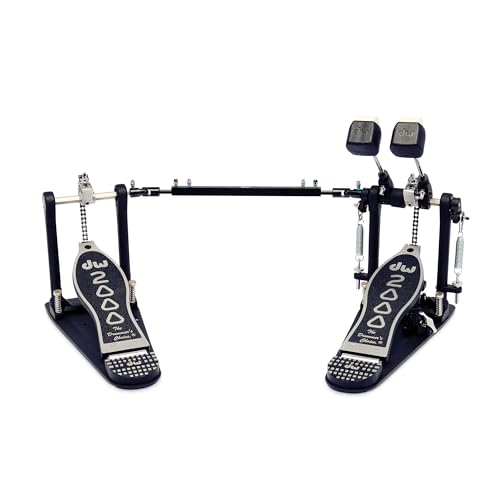
The DW 2000 Series Double Bass Pedal adds a second footboard while keeping the series focused on practical use. It can help a drummer explore double-kick patterns without buying two bass drums. For a jazz player, that extra pedal may be useful in fusion, progressive jazz, and theater work. The DW name also makes this a more reassuring choice than an unknown double pedal.
A double pedal adds more parts, so I would take time to line up the main and slave sides. The two beaters should strike with similar height and timing. If the setup feels uneven, even a good pedal can seem difficult. Used with care, this model can give a flexible drummer more options while still working as a normal single pedal for most songs.
Pros:
- Double format adds modern playing options
- DW branding supports confidence in the hardware
- Useful for fusion, theater, and crossover gigs
- Can work with one bass drum
- Offers a path from single to double technique
Cons:
- More setup work than a single pedal
- Extra linkage adds weight and floor space
- Traditional jazz players may rarely use the second pedal
My Recommendation
This pedal is best for players who want one DW setup for both jazz and modern styles. It is not my first pick for a drummer who only plays quiet swing. For a young player who expects to study fusion or rock, it can be a practical investment. It may become the best bass drum pedal for jazz only when your jazz work includes two-foot patterns and strong crossover demands.
| Best for | Why |
|---|---|
| Jazz fusion | The second pedal supports more active bass work. |
| Modern students | It allows gradual practice of double technique. |
| One-kit players | One bass drum can serve several styles. |
Seteol Single Pedal With Double Chain

The Seteol single pedal combines a single footboard with a heavy-duty double-chain drive. This is an interesting mix for a player who wants a single-pedal playing style but prefers a more solid chain feel. The design may feel more substantial than a light single-chain pedal. That added firmness can help when the bass drum part includes clear accents and repeated notes.
I would consider it for home use, casual gigs, and players who want a sturdy budget pedal. Jazz drummers should avoid setting it too tight or too aggressive. A loose, controlled response usually works better for swing than a hard, fast setup. As with any lower-cost pedal, inspect the clamp and moving parts after transport, especially if you play often.
Pros:
- Single footboard keeps footwork direct
- Double chain may provide a firm response
- Heavy-duty format suits regular practice
- Useful for players who dislike double pedals
- Can offer solid value for budget buyers
Cons:
- May feel heavier than a refined jazz pedal
- Brand support may be less familiar than DW or Tama
- Fine adjustment options may be limited
My Recommendation
This model fits a drummer who wants a sturdy single pedal and does not need a premium feature set. It may suit a rock-jazz player more than a very soft swing specialist. I would test the action before a paid recording session. If the feel matches your foot, it can be a useful low-cost alternative in the search for the best bass drum pedal for jazz.
| Best for | Why |
|---|---|
| Budget gigging | The single format is practical and easy to carry. |
| Strong accents | The double chain may feel firm under the foot. |
| Rock-jazz | Its heavier feel can suit louder crossover work. |
How I Judge a Jazz Bass Drum Pedal
Jazz does not demand the same pedal feel as heavy metal. The kick drum often works as a soft time voice. It may mark the beat, support the upright bass, or add a short answer to the snare. I look for a pedal that lets the drummer make these changes without tension.
The first factor is control. A good pedal should respond to a small ankle movement. It should also rebound in a steady way. If the pedal jumps, sticks, or feels slow, it becomes harder to play quiet notes. This is why a smooth single pedal often beats a powerful double pedal for straight-ahead jazz.
The second factor is sound. The pedal does not create the full bass drum tone by itself. Drum size, head choice, tuning, muffling, room sound, and microphone placement all matter. Still, the beater affects the first contact with the head. Felt often gives a rounder sound, while harder surfaces can add more attack.
The third factor is stability. The pedal should stay in place while you play. A strong clamp and a steady base help keep the beater in the same spot. This matters in a jazz set because small changes in contact can change the sound from bar to bar. Stability also helps reduce wasted foot movement.
The fourth factor is adjustment. Spring tension, beater height, footboard angle, and stroke length all affect feel. I do not set every pedal the same way. A smaller player may prefer a shorter stroke. A taller player may need more room. The best setup is the one that lets your ankle stay loose.
Single or Double Pedal for Jazz?
Most traditional jazz drummers can do everything they need with a single bass drum pedal. It keeps the kit clean and leaves the second foot free for the hi-hat. It also makes the main kick voice easy to control. For swing, bop, and many big-band parts, a single pedal remains the natural choice.
A double pedal has a place in modern jazz. Fusion, jazz-rock, progressive music, and theater charts may call for fast two-foot passages. A double pedal also helps players who share one bass drum between several styles. The trade-off is more weight, more setup, and more work to balance both sides.
If you are unsure, start with a single pedal. Learn feathering, heel-down control, heel-up accents, and clean release. Then try a double pedal if your music calls for it. Buying more hardware does not replace good time, touch, or relaxed technique.
Chain Drive, Belt Drive, and Direct Drive
A chain-drive pedal uses a chain to connect the footboard to the cam. Single-chain pedals often feel light and simple. Double-chain pedals tend to feel more solid. Many players like chain drive because it offers a familiar middle ground between speed and stability.
A belt-drive pedal uses a flexible strap. It can feel smooth and light under the foot. Some jazz drummers like that easy motion for soft playing. A belt may not feel as firm as a double-chain pedal during hard accents, but that is not a problem if your music is quiet and controlled.
A direct-drive pedal connects the footboard to the cam with a solid link. It can feel quick and exact. That response is popular with some fast players. For jazz, however, the most important point is not the drive label. It is whether you can play a soft note, stop the beater, and repeat the same motion with ease.
How to Set Up the Best Bass Drum Pedal for Jazz
Start by placing the pedal squarely in front of the bass drum. Center the beater on the area you want to strike. Tighten the bass drum clamp, but do not force it. The pedal should stay firm without damaging the hoop.
Next, set a medium or slightly loose spring tension. A very tight spring can make soft notes feel jumpy. A very loose spring can make the beater slow to return. Play slow quarter notes, then soft eighth notes. Change the spring in small steps until the movement feels calm.
Adjust the beater height next. A high beater gives a longer stroke and may produce more power. A lower beater can feel faster and easier for low-volume work. Jazz often benefits from a moderate height. Your foot should not need to lift far from the footboard.
Now test heel-down and heel-up playing. Heel-down motion can help with soft, close-to-the-head notes. Heel-up motion can add weight for accents. You should be able to use both without moving your whole leg. If your thigh tightens, lower the spring or reduce the stroke.
Finally, listen from the audience position. The sound beside the kit may fool you. Ask another player to listen while you play soft, medium, and strong notes. This simple check can reveal whether your beater, tuning, or pedal setup fits the band.
What Beater Should Jazz Drummers Use?
Felt beaters are a common starting point for jazz. They can produce a softer attack and a full low sound. They also work well when the bass drum must blend with an upright bass or a warm piano sound. The Seimneire and TUOREN options in this list focus on that type of contact.
Wood and plastic beaters can create a sharper attack. They may help in loud rooms or modern jazz settings. The sound can cut through more easily, but it may also feel too bright for a small acoustic group. A hard beater can also place more stress on the drumhead, so use a patch when the manufacturer recommends one.
Metal beater heads can feel firm and direct. They are often chosen for strong attack rather than soft swing. A metal body with felt contact gives a different balance. It can provide structure while keeping the point of contact less harsh. Test the beater at low volume before deciding.
Common Buying Mistakes
Many buyers focus only on speed. Jazz does not reward speed alone. It rewards time, sound, and control. A pedal that feels fast but lacks a soft range may not help you in a quiet trio.
Another mistake is buying a double pedal when you only need a single. The extra linkage can make setup harder. It can also crowd the hi-hat area. If you never use the second beater, a single pedal may give you a more direct and relaxed feel.
Some players also ignore the beater. They blame the pedal when the real issue is the contact surface or beater angle. Try a small adjustment before replacing the whole pedal. A new felt beater can change the sound more than expected.
Finally, do not skip the drum hoop check. Bass drum hoops vary in shape and thickness. A pedal that fits one kit may need different clamp adjustment on another. Confirm the pedal sits straight and does not slide before you judge its action.
FAQs Of best bass drum pedal for jazz
What is the best bass drum pedal for jazz?
The DW 3000 Series Single Bass Drum Pedal is my top overall pick. Its single format supports direct foot control, and its design suits practice, recording, and live playing. It offers a useful balance of smooth action, stability, and price.
Should I use a single or double pedal for jazz?
Choose a single pedal for traditional jazz, swing, bop, and most big-band work. Choose a double pedal if you also play fusion, jazz-rock, progressive music, or modern charts. A single pedal is usually simpler and easier to control softly.
Is a felt beater good for jazz bass drum?
Yes. Felt can create a warm, rounded attack that blends well in acoustic jazz. The final sound also depends on the bass drum head, tuning, muffling, room, and playing force.
Are expensive bass drum pedals better for jazz?
Not always. A premium pedal may offer smoother bearings and more adjustments, but technique still matters most. A well-set budget pedal can work very well for a student or casual player.
What pedal settings work well for jazz?
Start with medium spring tension, a moderate beater height, and a stable clamp. Use a stroke that feels easy at low volume. Then adjust one part at a time while listening from outside the kit.
Final Verdict: Which Should You Buy?
The DW 3000 Series Single Bass Drum Pedal is my top choice. It gives jazz players smooth control, stable action, and strong value. Choose a DW or Tama double pedal only if you need modern two-foot patterns.
The best bass drum pedal for jazz should match your touch, kit, and music. Start with feel, then consider features, price, and long-term use before you buy.

Senior Music Reviewer
Alex Carter is a seasoned music reviewer with over a decade of experience in the world of sound and instruments. Passionate about helping musicians and enthusiasts make informed choices, he brings sharp insights and in-depth knowledge to every review. From classical instruments to modern gear, Alex combines technical expertise with a love for music to deliver content that resonates with readers.
As a Senior Music Reviewer and expert author on Tuneluma.com, Alex is dedicated to sharing honest evaluations, practical advice, and thoughtful commentary to guide readers in their musical journey.