Don’t Fear The Reaper Guitar Tab: Easy Playing Guide
The Don't Fear the Reaper guitar tab helps players learn its clean, repeating riff, steady rhythm, and haunting 1970s rock feel.
Blue Öyster Cult’s “Don’t Fear the Reaper” is a rewarding song for beginners and experienced guitarists alike. The best way to study the Don't Fear the Reaper guitar tab is to break the part into small shapes, use clean tone, and focus on timing before speed. This guide explains the song’s structure, technique, tone, practice plan, and safe ways to find an accurate licensed tab.
[CodeImg: A guitarist practicing the clean opening riff of “Don’t Fear the Reaper” on an electric guitar]
Understanding the Don’t Fear the Reaper Guitar Tab
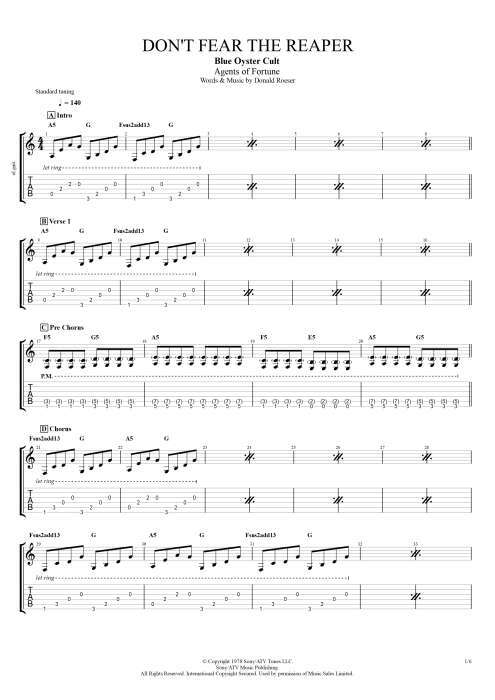
The Don't Fear the Reaper guitar tab usually refers to the written guitar parts for Blue Öyster Cult’s 1976 hit. The song is known for its bright, repeating arpeggio pattern, smooth chord movement, and layered guitar sound.
Many online versions show only the main guitar figure. Others include the rhythm guitar, lead fills, and outro parts. That is why two tabs may look different while both capture part of the recording.
The original recording features guitar work associated with Donald “Buck Dharma” Roeser. Its beauty comes from control rather than speed. The notes are clear, even, and slightly hypnotic, much like a wheel turning at a steady pace.
A complete Don't Fear the Reaper guitar tab may include:
• The clean intro pattern
• The main verse guitar part
• Chord changes for rhythm guitar
• Lead fills between vocal lines
• The melodic guitar solo
• The extended ending section
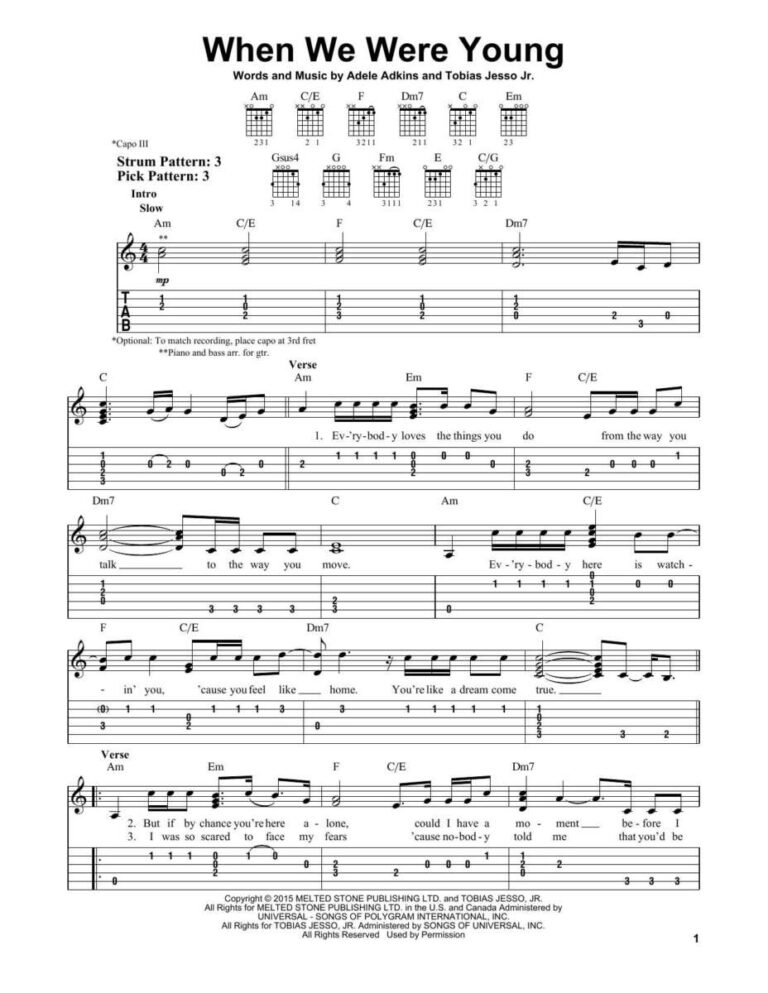
For copyright reasons, a full note-for-note tab is best obtained from a licensed music publisher or an authorized tab service. This article focuses on how to read, check, and practice the part without reproducing the protected tab itself.
What Makes the Guitar Part Sound Unique?
The guitar part sounds simple at first, but several details give it character. The picking hand must stay steady while the fretting hand changes shapes with very little movement.
The recording also uses space well. Notes ring into one another, and the clean tone lets the harmony remain open. If you play every note too hard, the part can sound harsh and lose its calm mood.
Key features of the sound include:
• Clean electric guitar tone
• Light compression
• Moderate room or plate reverb
• A gentle chorus or doubled-guitar effect
• Even alternate or economy picking
• Controlled vibrato on sustained notes
The Don't Fear the Reaper guitar tab can show you which notes to play, but it cannot fully show the feel of the recording. Tab is a map. Your hands still need to supply the touch, timing, and tone.
A useful rule is to let each note ring for its full value. Muting too soon makes the line sound dry. Letting unwanted strings ring makes it muddy.
[CodeImg: Close-up of a clean electric guitar setup with a small amplifier and effects pedals]
How to Read the Don’t Fear the Reaper Guitar Tab
Guitar tab uses six horizontal lines. Each line represents a guitar string. The top line is the high E string, while the bottom line is the low E string.
Numbers show fret positions. A zero means you play an open string. Symbols may show slides, bends, hammer-ons, pull-offs, vibrato, or muted notes.
Before playing a Don't Fear the Reaper guitar tab, check these details:
• Confirm the tuning
• Identify the tempo
• Look for a capo marking
• Check whether the tab uses standard notation
• Note any repeated sections
• Find the rhythm marks above the tab
Tab often has less rhythm information than standard notation. If the spacing looks unclear, listen to the original recording and count the beat.
The song has a flowing pulse. Count slowly in four beats, then place the repeating pattern across that count. Do not rush because the notes seem easy. Repeating parts expose timing mistakes very quickly.
Common Tab Symbols
These symbols often appear in a Don't Fear the Reaper guitar tab:
• h means hammer-on
• p means pull-off
• / means slide up
• \ means slide down
• b means bend
• r means release a bend
• ~ means vibrato or sustained movement
• x means a muted note
Different tab sites may use slightly different symbols. Always read the key or legend before practicing.
[CodeImg: Guitar tab notation displayed beside a player’s fretting hand]
Tuning, Key, and Guitar Setup
Most standard arrangements of the song use standard tuning, but some tabs may change the tuning or use a capo. Check the arrangement before you begin. A mismatch between your guitar and the tab can make every note sound wrong.
The song’s dark yet warm character often comes from a minor-key sound and a steady chord cycle. However, published arrangements may transpose the song to fit a singer or simplify the fingerings.
For a reliable setup:
-
Tune each string with an electronic tuner.
-
Check the guitar’s intonation at the twelfth fret.
-
Use fresh or clean strings.
-
Select the neck pickup or a balanced pickup setting.
-
Set the amplifier to a clean channel.
-
Add only a small amount of gain.
-
Adjust reverb after the notes sound clear.
A Don't Fear the Reaper guitar tab may be correct even if it uses different fret positions from another version. Guitarists can play the same pitch in several places on the neck. Choose the position that gives you the best tone and smoothest movement.
A Practical Practice Plan
The fastest way to learn the Don't Fear the Reaper guitar tab is to practice in short sections. Start with the main repeating figure, then add the surrounding chord changes.
Use this plan:
-
Listen to the recording without playing.
-
Tap the beat with your foot.
-
Practice the picking pattern on muted strings.
-
Play the fretted notes at half speed.
-
Repeat each small phrase five times.
-
Connect two phrases together.
-
Raise the metronome by a few beats per minute.
-
Practice with the recording only after the part feels steady.
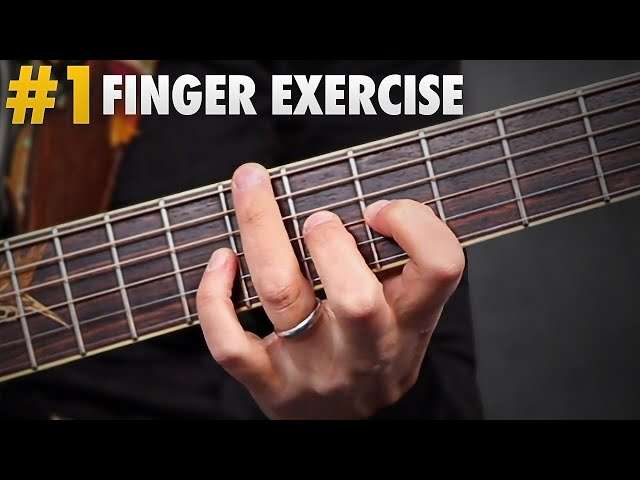
Keep your picking hand relaxed. A stiff wrist causes uneven notes and fatigue. Your fretting fingers should also stay close to the strings. Large finger movements waste time and often create extra noise.
One common mistake is trying to play the entire Don't Fear the Reaper guitar tab from the first minute. That approach can hide weak transitions. Isolate the point where one shape changes to the next, then loop only that section.
[CodeImg: Guitarist using a metronome while practicing a repeating arpeggio]
Picking and Fretting Techniques
The main guitar figure depends on clean picking. You can use alternate picking, economy picking, or a hybrid approach. The best method is the one that keeps the notes even and relaxed.
Alternate picking works well for many players because it creates a steady down-up motion. Economy picking may feel smoother when the notes move across nearby strings. Hybrid picking can add a soft, controlled attack.
Try these technique tips:
• Pick near the middle of the string for a balanced tone.
• Use a medium pick for control.
• Keep the pick tip slightly angled.
• Press each fret with only enough force to produce a clear note.
• Release pressure when a note ends.
• Mute unused bass strings with the picking-hand palm.
• Use the fretting hand to stop high strings when needed.
The Don't Fear the Reaper guitar tab may show a repeating pattern, but the pattern should not feel mechanical. Think of the right hand as a quiet clock. It keeps moving while the left hand places each note.
If your notes sound choppy, check whether your fingers are lifting too soon. If they sound blurred, check whether too many strings are ringing.
Tone Settings for the Song
You do not need expensive equipment to approach the recorded sound. A basic electric guitar and a small clean amplifier can work well.
Start with these general settings:
• Gain: low
• Bass: moderate
• Middle: moderate to slightly raised
• Treble: moderate
• Reverb: light to medium
• Chorus: subtle, if available
The exact setting depends on your guitar, amplifier, room, and strings. A bright single-coil guitar may need less treble. A darker humbucker guitar may need more high end.
Avoid using heavy distortion. The Don't Fear the Reaper guitar tab relies on note separation. Too much gain blends the notes together and removes the gentle shimmer.
You can also double-track the part. Record the same guitar line twice, then pan one take slightly left and the other slightly right. Do not copy and paste one take if you want a natural stereo effect. Small timing differences create a wider sound.
Playing the Rhythm and Lead Parts
The song includes more than one guitar role. The main repeating figure supplies motion, while the rhythm part supports the harmony. Lead fills add color around the vocal phrases.
If you are playing alone, you have several options:
• Play the main guitar pattern.
• Use chord shapes and sing over them.
• Combine the bass movement with selected melody notes.
• Record the rhythm part first, then overdub the lead.
Do not try to play every studio layer at once. A live arrangement often sounds better when it has one clear focus. The Don't Fear the Reaper guitar tab is easier to use when you decide which guitar part matters most for your performance.
For a solo player, the main pattern is usually the strongest choice. For a band, one guitarist can play the repeating figure while another handles rhythm chords or lead fills.
[CodeImg: Two guitarists performing layered rhythm and lead parts on stage]
How to Check Whether a Tab Is Accurate
Online tabs can contain errors. Some are written by ear, while others are simplified for beginners. A tab may also confuse a studio overdub with a live version.
Check an arrangement by comparing it with the recording:
• Does the rhythm line up with the beat?
• Do the notes ring for the correct length?
• Does the fingering match the sound?
• Are repeated sections marked clearly?
• Does the tab include the right number of bars?
• Does the ending follow the studio version?
Licensed sheet music and official tab books are usually more dependable than anonymous uploads. They may still use different fingerings, but they normally provide clearer rhythm and structure.
A Don't Fear the Reaper guitar tab should help you hear the music more clearly. If reading the tab makes the song feel confusing, stop and return to the recording. Your ear is an important part of the learning process.
Common Mistakes to Avoid
Many players make the same errors when learning this song. These mistakes are easy to fix once you know what to listen for.
• Playing too fast: Start well below the recording tempo.
• Using too much distortion: Keep the notes separate.
• Ignoring note length: Let sustained notes ring.
• Holding the pick too tightly: Use a relaxed grip.
• Skipping the metronome: Steady rhythm matters more than speed.
• Learning only from numbers: Listen for phrasing and tone.
• Changing fingerings too often: Choose one comfortable position first.
• Neglecting transitions: Practice the change between sections.
One of the most useful lessons from this song is that simple parts still demand discipline. The riff is not difficult because it contains many notes. It is difficult because every note must sit in the right place.
Beginner, Intermediate, and Advanced Approaches
A beginner can use a simplified Don't Fear the Reaper guitar tab with fewer notes. Focus on the main rhythm and clean chord changes. You do not need to learn the solo right away.
An intermediate player can add the complete arpeggio, fills, and more accurate transitions. This is also the right stage to work on dynamics and tone.
An advanced player can study the recording in layers. Compare studio and live versions, analyze the phrasing, and create a faithful arrangement for two guitars.
Beginner Goals
• Learn the main pattern slowly
• Keep a steady pulse
• Use clean fretting
• Avoid string noise
Intermediate Goals
• Add chord movement
• Match the recording’s dynamics
• Practice with a backing track
• Learn the lead fills
Advanced Goals
• Transcribe short phrases by ear
• Recreate layered guitar tones
• Perform the complete arrangement
• Build a personal solo over the harmony
[CodeImg: Three guitar practice levels shown through beginner, intermediate, and advanced exercises]
Legal and Reliable Ways to Find the Tab
Because “Don’t Fear the Reaper” is a copyrighted song, complete commercial tab should come from an authorized source. Licensed music platforms, official songbooks, and publisher-approved digital arrangements are safer choices than copied scans or unverified uploads.
When choosing a Don't Fear the Reaper guitar tab, look for:
• Clear author or publisher information
• Standard tuning details
• Rhythm notation
• Audio playback, when legally provided
• Reviews from other players
• Separate guitar parts
• A clear copyright notice
Avoid downloading suspicious files or scanned books from unknown sites. Apart from legal concerns, those files may contain malware or poor transcription.
A reliable tab should save time. If you spend more time correcting errors than practicing music, find a better arrangement.
Frequently Asked Questions About the Don’t Fear the Reaper Guitar Tab
Is the Don’t Fear the Reaper guitar tab difficult for beginners?
The main repeating guitar part is accessible to many beginners because it uses a steady pattern. The challenge is keeping the timing even and allowing the notes to ring clearly.
What tuning is used for the song?
Many arrangements use standard tuning, but you should check the specific tab before playing. Some versions may use a capo, alternate tuning, or a transposed key.
What guitar tone works best for “Don’t Fear the Reaper”?
A clean or lightly driven tone works best. Add modest reverb and, if needed, a small amount of chorus, but avoid heavy distortion that hides the individual notes.
Can I learn the song from tab without reading standard music notation?
Yes. Tab shows the fret positions and string choices, so it can guide you without standard notation. Still, listening to the recording helps you understand rhythm, note length, and phrasing.
Where can I find an accurate Don’t Fear the Reaper guitar tab?
Look for licensed digital tabs, official songbooks, or publisher-approved arrangements. These sources are more likely to include correct rhythm, structure, and multiple guitar parts.
Should I learn the chords or the lead guitar first?
Start with the part that matches your goal. Learn the main repeating figure for a recognizable solo performance, or learn the chord structure first if you plan to sing and play.
Conclusion
The Don't Fear the Reaper guitar tab is a useful guide to one of rock music’s most memorable guitar parts. Its repeating pattern teaches timing, clean picking, note control, and tasteful tone. Start slowly, practice each transition, and listen closely to the original recording.
Use a licensed arrangement when you need the complete tab, then turn the written notes into music through careful practice. Pick up your guitar, set a clean tone, and work through one small phrase today. Share your progress or explore more guitar learning resources to keep building your skills.

Senior Music Reviewer
Alex Carter is a seasoned music reviewer with over a decade of experience in the world of sound and instruments. Passionate about helping musicians and enthusiasts make informed choices, he brings sharp insights and in-depth knowledge to every review. From classical instruments to modern gear, Alex combines technical expertise with a love for music to deliver content that resonates with readers.
As a Senior Music Reviewer and expert author on Tuneluma.com, Alex is dedicated to sharing honest evaluations, practical advice, and thoughtful commentary to guide readers in their musical journey.