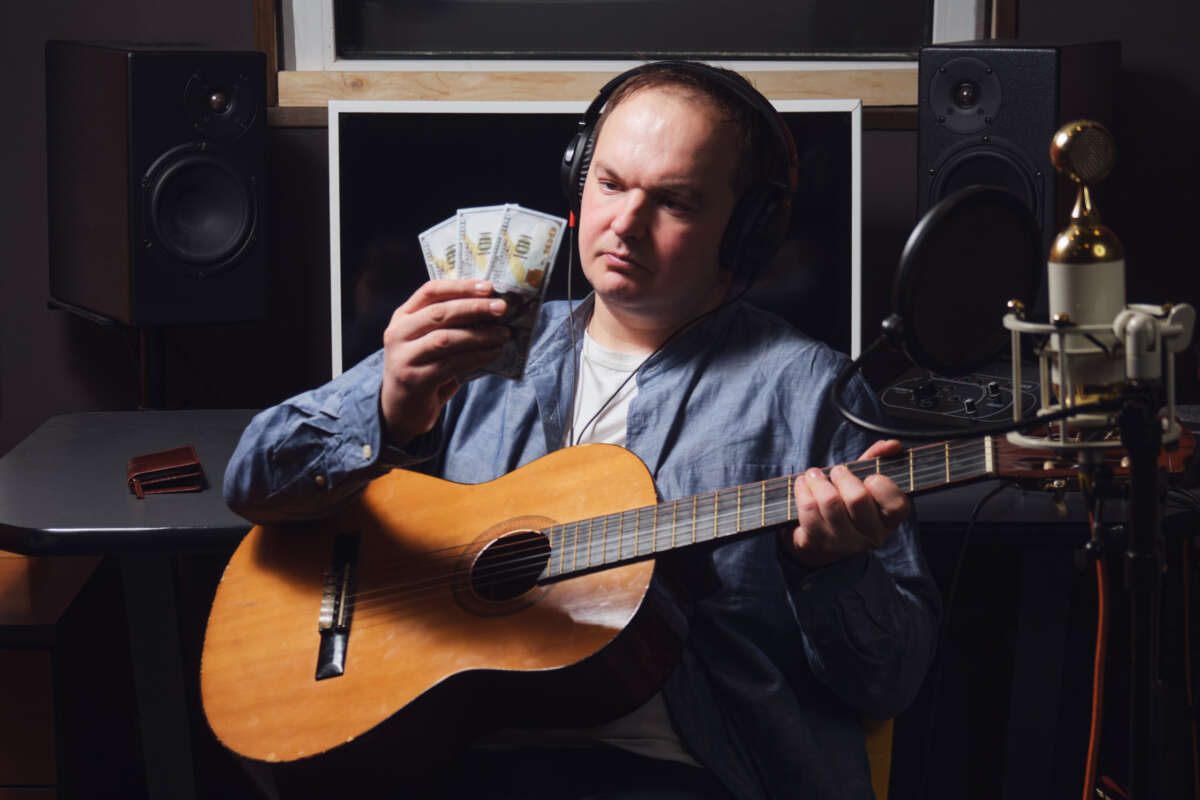
How Much Do Guitar Lessons Cost: Complete Price Guide
Most guitar lessons cost $25 to $100 per session, depending on format, teacher, location, and lesson length.
The real answer to how much do guitar lessons cost depends on more than the hourly rate. A beginner may pay less for a group class, while an advanced player may spend more for a specialist teacher. This guide breaks down typical US prices, hidden fees, lesson types, and ways to get strong value from every session.
Average Cost of Guitar Lessons
In the United States, private guitar lessons usually cost between $25 and $100 per session. Most sessions last 30, 45, or 60 minutes. The hourly price often rises when you choose an experienced teacher, a major city, or a specialist in jazz, classical guitar, songwriting, or music performance.
Here is a simple price guide:
| Lesson type | Typical price |
|---|---|
| 30-minute private lesson | $20 to $50 |
| 45-minute private lesson | $30 to $75 |
| 60-minute private lesson | $40 to $100 or more |
| Online private lesson | $20 to $70 |
| Group class | $10 to $35 per person |
| Music school lesson | $30 to $90 |
| In-home lesson | $50 to $120 or more |
| College-level coaching | $75 to $150 or more |
These are broad US ranges, not fixed prices. Rates can change by state, city, teacher experience, travel time, and demand. A teacher in New York City or Los Angeles may charge far more than one in a smaller town.
When people ask how much do guitar lessons cost, they often compare only the session fee. That can be misleading. A $30 lesson with clear homework may offer more value than a $70 lesson with no plan or feedback.

What Changes the Cost of Guitar Lessons?
Several factors affect the final price. Understanding them helps you compare teachers fairly instead of choosing based on the lowest number.
Lesson length
Short lessons cost less per visit, but the hourly price may be higher. A 30-minute lesson can work well for young children or beginners who are still building focus. A 60-minute lesson gives more time for warmups, technique, songs, theory, and questions.
For many beginners, a 45-minute lesson offers a useful middle ground. It gives enough time to learn without feeling tiring or rushed.
Teacher experience
A new teacher may charge $20 to $40 per lesson. A teacher with years of experience, formal training, touring work, or a strong student record may charge $60 to $150 or more.
Higher rates do not always mean better teaching. The best teacher for you should explain ideas clearly, listen to your goals, and adjust lessons to your pace.
Location
Lesson prices tend to be higher in large cities. Rent, travel costs, and local demand all affect the rate. In-home lessons also cost more because the teacher must spend time and money traveling.
Online lessons can lower the cost. They remove travel time and may give you access to teachers outside your local area.
Guitar style
Basic rock, pop, and folk guitar lessons often fall within standard rates. Specialized styles may cost more because they require advanced knowledge.
You may pay a higher rate for:
• Classical guitar technique
• Jazz improvisation
• Fingerstyle arrangements
• Flamenco guitar
• Studio recording skills
• Music theory and composition
• Audition or college preparation
Your learning goal
A casual player may need one lesson every two weeks. A student preparing for an audition may need weekly lessons and extra practice plans.
Your goal affects how much do guitar lessons cost over time. Learning one song may take a few sessions. Building strong technique can take months or years.
Cost by Guitar Lesson Format
The format you choose can change both the price and the learning experience. Each option has strengths and limits.
Private in-person lessons
Private lessons are the most personal option. You and the teacher work together, and the teacher can watch your hand position, rhythm, posture, and picking technique.
Typical cost:
• $30 to $100 for 30 to 60 minutes
Private lessons are useful when you want fast feedback. They are also helpful if you have pain, poor technique, or a specific musical goal.
Online guitar lessons
Online lessons take place through video platforms. You can learn from home and often choose from teachers across the country.
Typical cost:
• $20 to $70 per session
Online lessons work well when you have a quiet room, a stable internet connection, and a camera that shows both hands. They may be less effective if the video or sound quality is poor.
Group guitar classes
Group classes usually have three to ten students. They are often offered by community centers, music stores, schools, or local programs.
Typical cost:
• $10 to $35 per person per class
Groups are affordable and social. However, the teacher cannot give each student as much personal attention. If students have different skill levels, the class may feel too slow or too fast.
In-home lessons
An instructor travels to your home with the lesson materials. This saves you travel time, but the teacher must cover fuel and travel time.
Typical cost:
• $50 to $120 per session
Ask whether the listed fee includes travel. Some teachers charge a separate travel fee for homes outside their normal service area.
Video courses and apps
Recorded courses and guitar apps may cost $0 to $30 per month. Some premium programs charge an annual fee.
These tools are useful for practice and basic learning. They do not fully replace a teacher who can spot your mistakes and give personal advice.

Monthly Guitar Lesson Costs
Most students take one lesson each week. That means four lessons in a typical month, although some months have five weeks.
Here are common monthly estimates:
• $25 per lesson: about $100 per month
• $40 per lesson: about $160 per month
• $60 per lesson: about $240 per month
• $80 per lesson: about $320 per month
• $100 per lesson: about $400 per month
Some teachers sell packages. For example, four 30-minute lessons may cost $120, while four single lessons may cost $140. Package discounts can reduce the average cost.
Check the cancellation policy before paying. A missed lesson may not be refundable. Some teachers allow one free reschedule each month, while others require 24 or 48 hours’ notice.
Also ask if the teacher charges for:
• Registration
• Printed materials
• Music books
• Performance events

• Travel
• Equipment rental
• Late cancellations
A clear price policy makes it easier to plan your budget.

How Much Do Guitar Lessons Cost for Beginners?
Beginner guitar lessons often cost $25 to $75 per session. A beginner does not always need an expensive specialist. The most important qualities are patience, clear instruction, and a good lesson plan.
A first lesson may cover:
-
How to hold the guitar
-
How to tune the strings
-
Basic chords
-
Simple strumming
-
Finger exercises
-
A short song
-
A practice plan
The first few weeks can feel awkward. Your fingers may hurt, chord changes may sound uneven, and rhythm may seem hard. This is normal. A good teacher helps you solve one small problem at a time.
Beginners should avoid paying for a long package before testing the teacher. Take one or two lessons first. You want to know if the teaching style feels comfortable and useful.

How Much Do Guitar Lessons Cost for Advanced Players?
Advanced guitar lessons usually cost $50 to $150 per session. The price may be higher when you study with a performer, composer, studio musician, or college instructor.
Advanced lessons may focus on:
• Music theory
• Scales and modes
• Chord extensions
• Improvisation
• Sight reading
• Fingerstyle technique
• Recording and tone
• Songwriting
• Performance preparation
At this level, the teacher’s specialty matters more than a low price. A blues guitarist may not be the best choice for classical technique. A metal player may not teach jazz harmony well.
Ask for a clear outcome. For example, you might want to improve soloing over a 12-bar blues, prepare three audition pieces, or write a complete song in six weeks.

Are Guitar Lessons Worth the Cost?
Guitar lessons can be worth the cost when they help you avoid wasted practice. Many self-taught players repeat the same mistake for months because they cannot hear or see what is wrong.
A teacher can help you:
• Build correct hand position
• Improve rhythm
• Learn songs in smaller steps
• Create a realistic practice plan
• Stay motivated
• Understand music theory
• Prevent bad habits
Think of lessons as a map. You can still reach the destination without one, but you may take many wrong turns.
The value depends on your effort between lessons. One weekly session is not magic. Ten to twenty minutes of focused practice on most days may produce better results than one long session followed by no practice.
A useful way to measure value is progress per dollar. If a $40 lesson helps you fix a problem that blocked you for weeks, it may be a better investment than several cheap lessons with little direction.

How to Choose a Guitar Teacher
Price matters, but it should not be the only factor. A teacher who fits your goals can save you time and frustration.
Before booking, ask these questions:
• What styles do you teach?
• Do you teach beginners?
• What happens in a typical lesson?
• Do you provide homework or practice notes?
• Do you offer online and in-person sessions?
• What is your cancellation policy?
• Do you offer a trial lesson?
• Can you explain your monthly pricing?
Read reviews with care. Look for specific comments about teaching quality, reliability, communication, and student progress. A short review that says “great teacher” is less useful than one that explains how the teacher helped a student reach a goal.
You should also feel comfortable during the lesson. Good teachers correct mistakes without making students feel embarrassed. Learning guitar takes patience, and fear can make practice much harder.

Ways to Lower the Cost of Guitar Lessons
You do not need to spend hundreds of dollars each month to learn well. A few smart choices can reduce the total cost.
• Choose 30-minute lessons if you are a young beginner.
• Take lessons every other week and follow a clear practice plan.
• Join a group class for basic skills.
• Use online lessons to avoid travel fees.
• Ask about package discounts.
• Share a lesson with one other student.
• Borrow or buy used learning books.
• Practice before each lesson.
• Record the teacher’s examples when allowed.
• Write down your homework before leaving.
Do not save money by skipping practice. If you arrive unprepared each week, you may pay for the same material again. Preparation is one of the simplest ways to make guitar lessons cost less over time.
You can also combine formats. For example, take two private lessons each month and use a low-cost course or app for extra practice. This gives you personal feedback without paying for weekly private sessions.

Common Mistakes When Paying for Guitar Lessons
A low price can look attractive, but some deals create problems later. Watch for unclear policies and unrealistic promises.
One common mistake is buying a large package without meeting the teacher. A package may save money, but it can lock you into lessons that do not fit your needs.
Another mistake is comparing lesson prices without comparing lesson length. A $30 half-hour lesson costs $60 per hour. A $50 one-hour lesson may be cheaper for the amount of teaching you receive.
Students also sometimes choose a teacher based only on performance skill. Being a great guitarist does not automatically make someone a great teacher. Teaching requires communication, structure, patience, and the ability to explain simple ideas.
Be careful with promises such as “play any song in seven days.” You may learn a basic version quickly, but real skill takes steady practice. Trust teachers who set clear goals and explain the work involved.
A Simple Guitar Lesson Budget
A realistic budget helps you stay consistent. Start with your monthly limit, then choose a lesson format that you can maintain.
For a small budget of $50 to $100 per month:
• Take one or two group classes.
• Book one private lesson each month.
• Use free practice tools between lessons.
For a moderate budget of $150 to $250 per month:
• Take weekly 30-minute lessons.
• Choose one private lesson every two weeks.
• Add occasional workshops or group practice.
For a larger budget of $300 or more per month:
• Take weekly 45 or 60-minute lessons.
• Study with a specialist.
• Prepare for performances, auditions, or recording.
Consistency is more important than choosing the most expensive plan. A steady $40 lesson that fits your budget is often better than a $100 lesson you can only afford once.
Frequently Asked Questions About How Much Do Guitar Lessons Cost
How much do guitar lessons cost per hour?
Most private guitar lessons cost about $40 to $100 per hour in the United States. Rates may be lower online or in small towns and higher in major cities or with specialist teachers.
Are online guitar lessons cheaper than in-person lessons?
Often, yes. Online guitar lessons commonly cost $20 to $70 per session because they reduce travel costs, but sound and video quality can affect the experience.
How many guitar lessons does a beginner need?
Many beginners benefit from four to twelve weekly lessons to build basic chords, rhythm, and practice habits. Progress depends on the lesson quality, the student’s goals, and practice between sessions.
Can I learn guitar without paying for lessons?
Yes, many people learn through books, videos, apps, and regular practice. A teacher can still help you correct technique, understand difficult topics, and make progress with less guesswork.
Are 30-minute guitar lessons enough?
Thirty minutes can be enough for young students, beginners, or focused practice goals. Longer sessions may work better when you need time for warmups, theory, several songs, and detailed feedback.
Do guitar teachers offer discounts?
Some teachers offer discounts for monthly packages, families, groups, or prepaid lessons. Always ask about the full price, expiration date, and cancellation rules before paying.
Conclusion
So, how much do guitar lessons cost? Most students in the US pay $25 to $100 per session, with price shaped by lesson length, teacher experience, location, format, and musical goals.
The best choice is not always the cheapest teacher or the highest-priced instructor. Look for clear instruction, useful feedback, a fair policy, and a plan that fits your budget. Try one lesson, practice between sessions, and review your progress after a month.
Ready to start? Compare a few local and online teachers, ask about trial lessons, and choose a schedule you can maintain.

Senior Music Reviewer
Alex Carter is a seasoned music reviewer with over a decade of experience in the world of sound and instruments. Passionate about helping musicians and enthusiasts make informed choices, he brings sharp insights and in-depth knowledge to every review. From classical instruments to modern gear, Alex combines technical expertise with a love for music to deliver content that resonates with readers.
As a Senior Music Reviewer and expert author on Tuneluma.com, Alex is dedicated to sharing honest evaluations, practical advice, and thoughtful commentary to guide readers in their musical journey.