Who Are The Best Guitar Players Of All Time: Top Legends
Jimi Hendrix, Eric Clapton, Jimmy Page, B.B. King, Eddie Van Halen, and Stevie Ray Vaughan lead the greatest guitarists ever.
The question of who are the best guitar players of all time has no single answer. Guitar greatness can mean breathtaking speed, deep emotion, bold innovation, perfect tone, or the power to change music forever. After comparing influential recordings, live performances, songwriting, technique, and long-term impact, this guide ranks the players who shaped the instrument most deeply.
How to Decide Who Are the Best Guitar Players of All Time
Ranking guitarists is harder than ranking athletes. A guitar player does not need to play the fastest notes to be great. One powerful bend, memorable riff, or fresh tone can matter more than a difficult solo.
To judge who are the best guitar players of all time, several factors matter:
- Technical skill, including timing, control, speed, phrasing, and knowledge of harmony
- Musical expression, such as emotion, dynamics, tone, and the ability to tell a story
- Innovation, including new sounds, techniques, tunings, effects, and recording methods
- Influence on later players, bands, and entire music styles
- Quality and lasting importance of recordings and live shows
- Cultural impact beyond the guitar world
- Originality and the ability to sound instantly recognizable
This approach also explains why a blues guitarist may rank beside a progressive rock virtuoso. They may use different tools, but both can change how listeners understand the guitar.
Lists like this will always include some personal taste. Rock fans may favor Jimmy Page or Eddie Van Halen. Jazz listeners may choose Wes Montgomery or Pat Metheny. Country fans may point to Chet Atkins or Brent Mason. The goal is not to end the debate. It is to give the debate a strong, fair foundation.
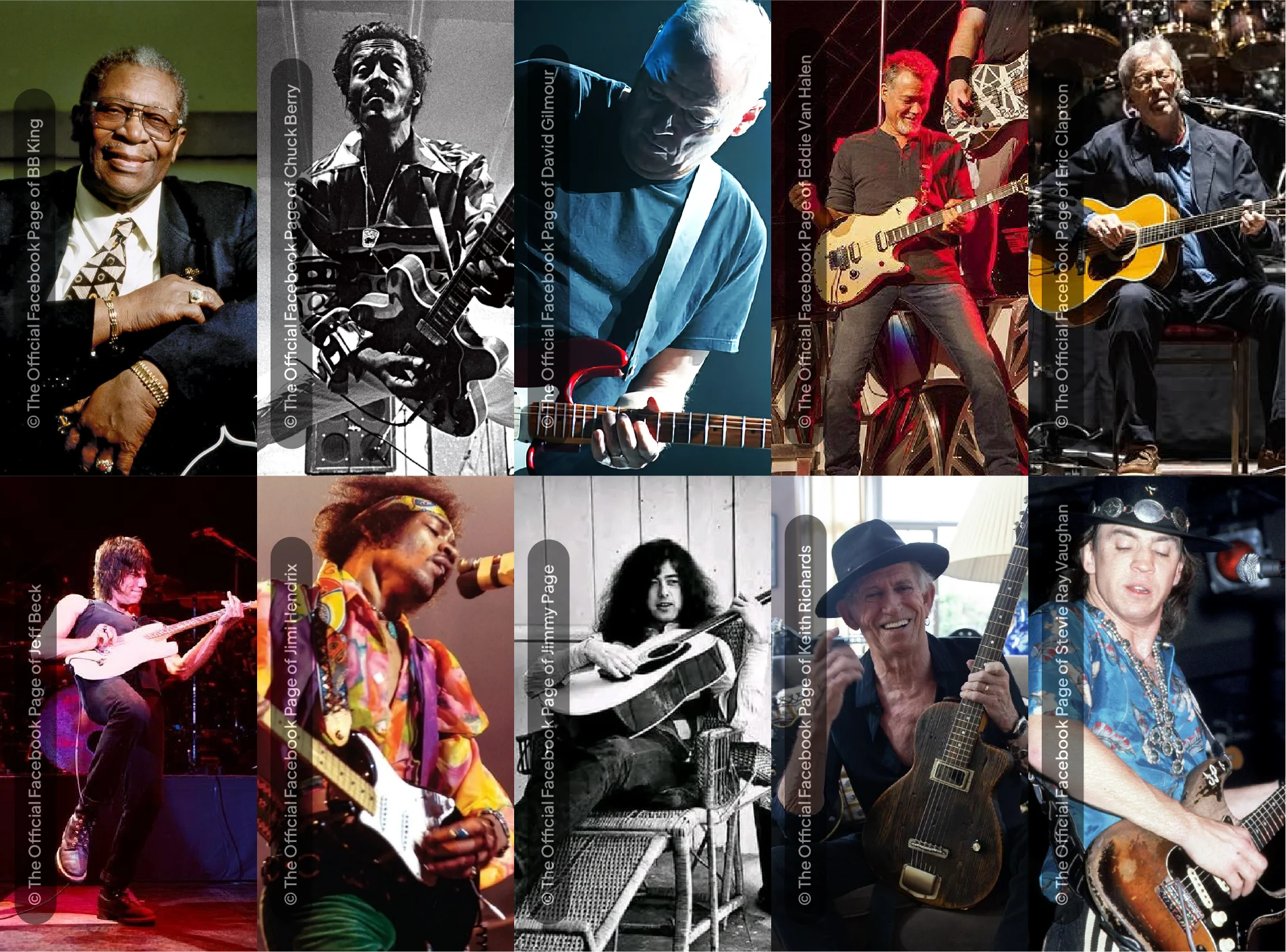
The 15 Best Guitar Players of All Time
The following guitarists stand out for a mix of skill, creativity, influence, and lasting appeal. The order is not absolute, because each player solved different musical problems.
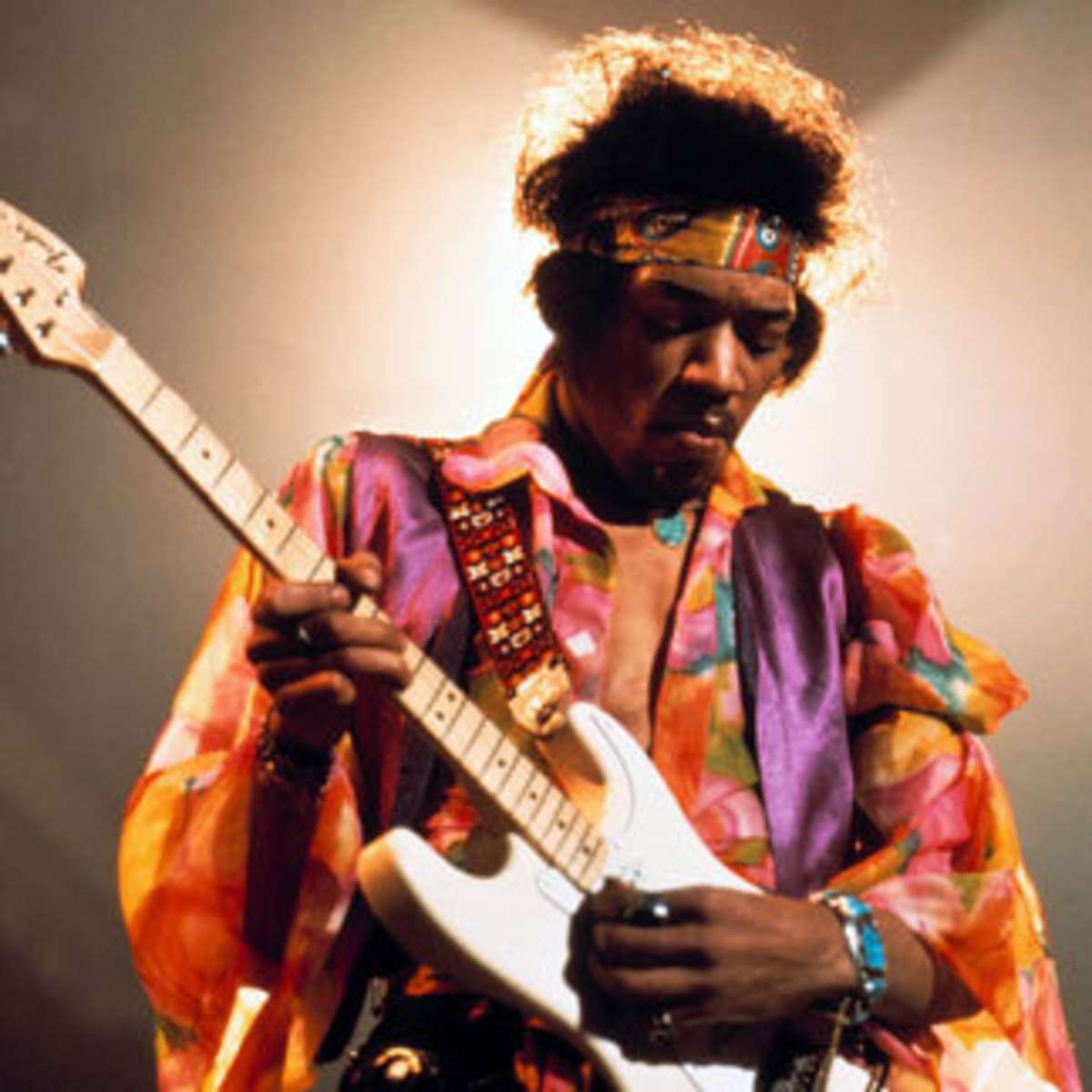
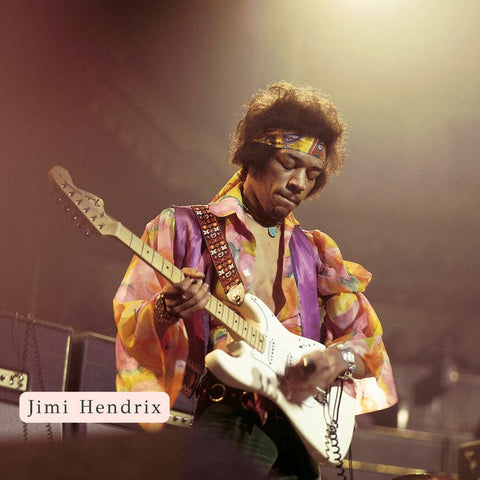
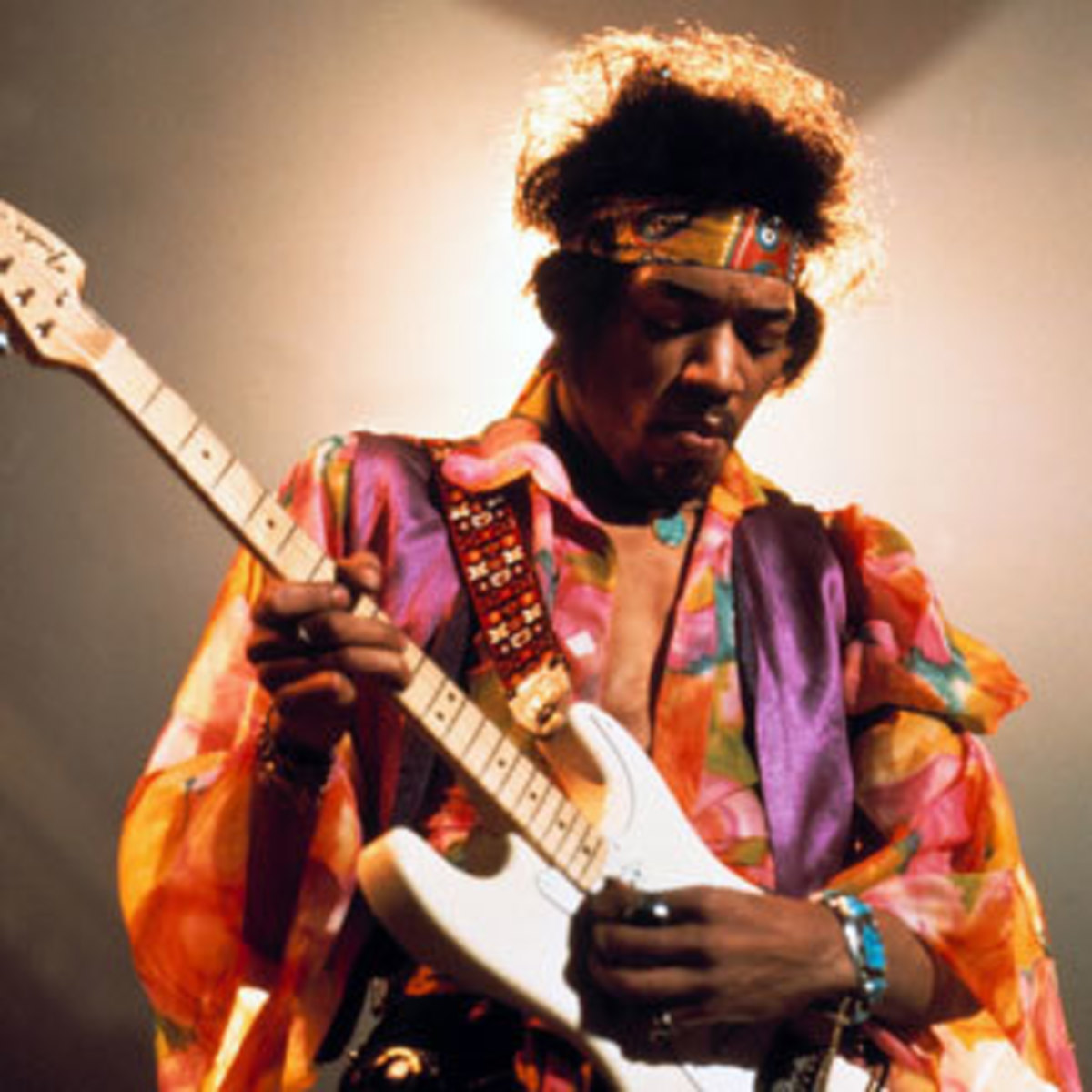
1. Jimi Hendrix
Jimi Hendrix changed the electric guitar more than almost any other musician. He combined blues, rock, soul, jazz, and feedback into a sound that still feels daring today.
Hendrix used the guitar as both an instrument and a sound machine. He explored wah wah, fuzz, volume control, string bending, noise, and controlled feedback. Songs such as “Purple Haze,” “Little Wing,” and “Voodoo Child (Slight Return)” show his range.
His playing could be aggressive one moment and tender the next. He also had a rare gift for rhythm. Many listeners focus on his solos, but his chord work and groove were just as important.
Hendrix belongs near the top of any answer to who are the best guitar players of all time because he expanded the language of rock guitar. His influence reaches metal, funk, blues, alternative rock, and experimental music.
2. Eric Clapton
Eric Clapton earned early fame with the Yardbirds, John Mayall’s Bluesbreakers, Cream, Blind Faith, Derek and the Dominos, and his solo work. His playing helped bring blues guitar into the center of British rock.
Clapton’s strength is his phrasing. He knows how to leave space, shape a note, and make a short line feel complete. His work on “Crossroads” and “Layla” remains central to the history of rock guitar.
He also showed that a guitarist could lead a band without filling every second with sound. His best solos have clear ideas, strong rhythm, and a singing tone.
Clapton’s career includes changes in style, public struggles, and uneven periods. Still, his influence on blues rock is enormous. For many players, he was the first guitarist who made the blues feel both old and completely new.
3. Jimmy Page
Jimmy Page was the guitarist, producer, and musical architect of Led Zeppelin. His work helped define hard rock through heavy riffs, layered arrangements, acoustic textures, and dramatic studio production.
Page could create a massive sound with simple musical ideas. “Whole Lotta Love,” “Black Dog,” “Kashmir,” and “Stairway to Heaven” reveal his skill as both a player and an arranger.
His acoustic work is often overlooked. Led Zeppelin used folk, blues, classical ideas, and world music sounds. Page could move from delicate fingerpicking to thick, distorted chords without losing the song’s identity.
He was not always the cleanest live guitarist, and some performances were uneven. Yet his songwriting, studio vision, and influence make him one of the clearest choices when discussing who are the best guitar players of all time.
4. B.B. King
B.B. King proved that great blues guitar does not require a crowded fretboard. His playing was built on timing, feeling, vibrato, and the emotional weight of each note.
His famous guitar, Lucille, became part of his identity. Songs such as “The Thrill Is Gone” show how he could make a single phrase sound like a human voice.
King’s vibrato was wide, controlled, and instantly recognizable. His bends did not simply reach a pitch. They seemed to search for it, creating tension and release.
His influence reaches blues, rock, jazz, country, and pop. B.B. King is one of the best guitar players of all time because he taught generations of musicians that restraint can be more powerful than speed.
5. Eddie Van Halen
Eddie Van Halen transformed rock guitar in the late 1970s and 1980s. His two hand tapping, fast legato, wide stretches, dive bombs, and rhythmic ideas pushed electric guitar technique forward.
The solo in “Eruption” stunned players around the world. Yet Eddie was more than a fast soloist. His riffs had swing, humor, and strong musical shape. “Unchained,” “Panama,” and “Mean Street” show how much groove lived inside his playing.
He also experimented with guitar design and amplification. His modified instruments and energetic technique encouraged players to build their own sound instead of copying standard equipment.
Eddie’s influence is easy to hear in hard rock and metal. He belongs among who are the best guitar players of all time because he made advanced technique sound exciting, playful, and musical.
6. Stevie Ray Vaughan
Stevie Ray Vaughan brought Texas blues to a new generation. His playing had massive tone, strong rhythm, and an emotional force that made even familiar blues ideas feel fresh.
He drew from Albert King, Jimi Hendrix, Buddy Guy, and other blues masters. Still, his attack was unmistakable. Songs such as “Texas Flood,” “Pride and Joy,” and “Riviera Paradise” show both his power and his sensitivity.
Vaughan used heavy strings, strong picking, and a focused right hand. His rhythm guitar could sound like a full section, while his solos stayed rooted in melody and blues vocabulary.
His career ended far too soon in 1990. Even so, his recordings continue to inspire players who want a large sound without losing emotional honesty.
7. Jeff Beck
Jeff Beck was one of the most inventive guitarists in rock history. He moved through blues rock, jazz fusion, hard rock, electronic music, and instrumental music without becoming trapped in one style.
Beck often used his fingers instead of a pick. He controlled pitch with the tremolo arm, shaped notes with volume changes, and created sounds that seemed almost vocal.
His work with the Yardbirds, the Jeff Beck Group, and his solo bands showed constant growth. Albums such as Blow by Blow and Wired helped make instrumental guitar music more expressive and modern.
Beck’s playing can be difficult to imitate because his ideas came from touch and instinct. His career is a strong reason why who are the best guitar players of all time should include artists who valued exploration over repetition.
8. David Gilmour
David Gilmour of Pink Floyd is a master of space, tone, and melody. His solos rarely feel crowded. Each note has room to breathe.
“Comfortably Numb” is a classic example. The solo builds through simple phrases, sustained notes, bends, and carefully chosen effects. It does not rely on speed. It relies on emotional direction.
Gilmour also helped shape Pink Floyd’s layered sound through clean tones, delay, modulation, and precise production. His playing shows that a guitarist can create a large emotional impact with a small number of notes.
He is often named among who are the best guitar players of all time because his sound is instantly recognizable. That kind of identity is one of the hardest achievements in music.
9. Chuck Berry
Chuck Berry helped create the blueprint for rock and roll guitar. His double stop bends, rhythmic introductions, strong riffs, and energetic stage style influenced countless bands.
Songs such as “Johnny B. Goode,” “Maybellene,” and “Roll Over Beethoven” made the guitar central to teenage music. Berry’s playing connected blues, country, rhythm and blues, and early rock.
His technique may sound simple beside modern shred guitar. That comparison misses the point. Berry created a musical language that later players built upon.
Without Chuck Berry, the path for rock guitar might have looked very different. His influence alone places him among the best guitar players of all time.
10. Wes Montgomery
Wes Montgomery brought a warm, powerful, and deeply musical voice to jazz guitar. He played with his thumb rather than a pick, creating a round tone that worked beautifully in small groups and orchestras.
His use of octaves became one of his trademarks. He could state a melody in single notes, repeat it in octaves, and then build a full chordal climax.
Montgomery balanced swing, harmony, melody, and groove. He also reached listeners outside the traditional jazz audience through accessible albums and arrangements.
Jazz guitar deserves a major place in any serious list of who are the best guitar players of all time. Montgomery’s influence is clear in players who want sophistication without losing warmth.
11. Steve Vai
Steve Vai is known for extreme technique, but his greatest strength is imagination. He treats the guitar like a laboratory for unusual sounds, wide intervals, expressive bends, and dramatic compositions.
His work with Frank Zappa helped develop his precision and musical discipline. His solo albums later showed a vivid mix of rock, fusion, theater, and experimentation.
Vai’s playing can be technical, but it is rarely empty. He uses strange effects and advanced movements to create character, not just to display difficulty.
He also contributed to guitar education by explaining technique and encouraging players to develop a personal voice. That makes him a major figure among the best guitar players of all time.
12. Carlos Santana
Carlos Santana created one of the most recognizable guitar tones in popular music. His sustained notes, fluid phrasing, Latin rhythms, and blues roots formed a sound that was both spiritual and instantly accessible.
His performance at Woodstock and early work with Santana introduced a wide audience to a new blend of rock, jazz, blues, and Latin music.
Santana does not need many notes to make a strong impression. His long tones and smooth bends often feel like a singer holding an emotional phrase.
His career also shows the value of collaboration and reinvention. He continued reaching new audiences while keeping his central musical identity.
13. Tony Iommi
Tony Iommi created the foundation of heavy metal guitar. As the guitarist of Black Sabbath, he built dark, heavy riffs that influenced nearly every major metal style that followed.
Songs such as “Iron Man,” “War Pigs,” and “Paranoid” show his gift for memorable, powerful guitar writing. His riffs are simple enough to remember but strong enough to define an entire genre.
Iommi also played through a serious hand injury that affected his fingertips. He adapted his technique and continued to create music with enormous impact.
His achievement proves that limits do not always stop creativity. Sometimes they force a player to find a new path.
14. Dimebag Darrell
Dimebag Darrell brought speed, groove, aggression, and humor to heavy metal. His work with Pantera helped define the sound of groove metal in the 1990s.
He could play fast, but his riffs always had physical weight. “Cowboys from Hell,” “Walk,” and “Cemetery Gates” show his ability to combine heavy rhythm with expressive lead playing.
His tone was thick and cutting. His solos often mixed blues bends with metal precision, giving his playing a human edge.
Dimebag’s influence remains strong among modern metal guitarists. He is one of the best guitar players of all time for players who value both technical skill and raw energy.
15. Chet Atkins
Chet Atkins expanded the possibilities of country guitar through fingerstyle technique, careful arranging, and studio leadership. He could play bass, chords, melody, and rhythm at the same time.
His style helped shape the Nashville sound. He also influenced players far beyond country music, including George Harrison and Mark Knopfler.
Atkins showed that guitar music could be elegant, warm, and highly organized without losing its human touch. His playing rewards close listening because every part serves the song.
He belongs on this list because guitar greatness is not limited to distortion and loud stages. Chet Atkins made control and clarity sound exciting.
Other Guitarists Who Deserve Recognition
No list of who are the best guitar players of all time can include everyone. These artists also made major contributions:
- Robert Johnson helped define the emotional and rhythmic language of Delta blues.
- Rory Gallagher combined blues feeling with fierce live energy and strong slide guitar.
- Mark Knopfler developed a clear fingerstyle sound with Dire Straits.
- Ritchie Blackmore shaped hard rock and early metal through Deep Purple and Rainbow.
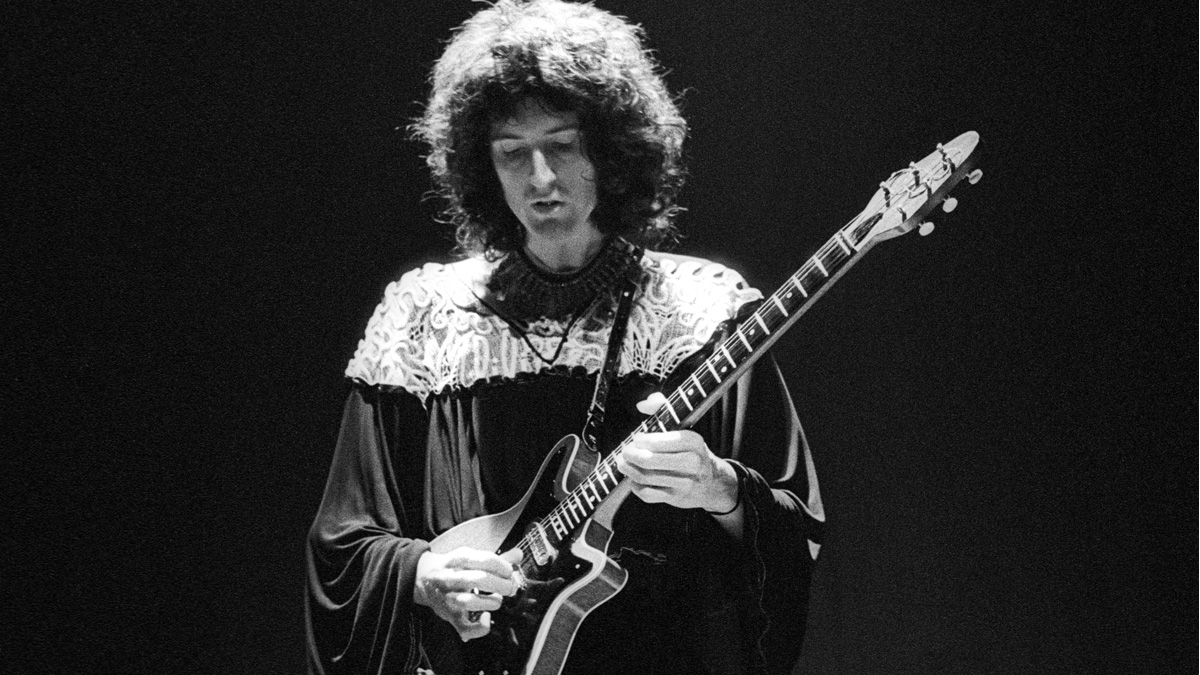
- Brian May created layered guitar harmonies and a distinct tone with Queen.
- Peter Green brought depth and restraint to early Fleetwood Mac.
- George Harrison used concise, melodic parts to strengthen the Beatles’ songs.
- Johnny Marr made jangling, interlocking guitar parts central to alternative rock.
- John Frusciante blended funk, melody, and atmosphere with the Red Hot Chili Peppers.
- Pat Metheny pushed jazz guitar toward bright tones, broad melodies, and new textures.
- Al Di Meola became known for fast, precise fusion playing and complex rhythm.
- Yngwie Malmsteen brought classical scales and arpeggios into neoclassical metal.
- Sister Rosetta Tharpe helped connect gospel guitar with early rock and roll.
- Bonnie Raitt combined slide guitar, blues phrasing, and soulful songwriting.
- Nita Strauss represents the technical strength and stage energy of modern rock guitar.
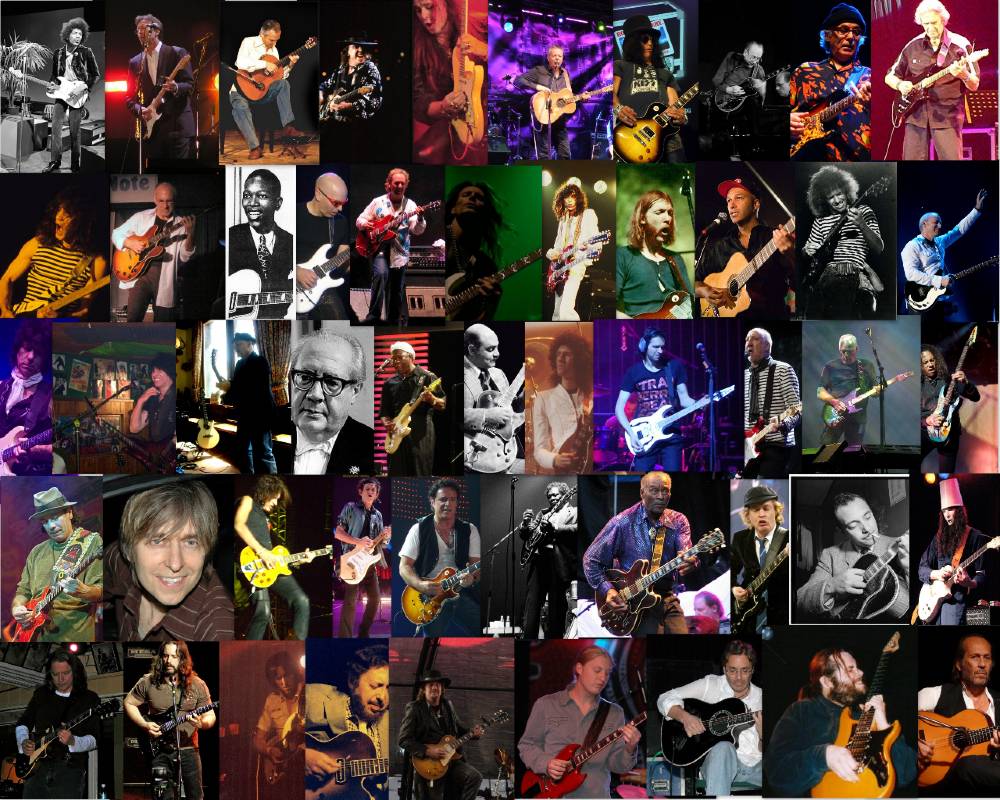
These players matter because guitar history is not one straight line. It is more like a large tree, with blues, jazz, country, gospel, folk, rock, metal, funk, and pop growing from connected roots.
The Best Guitar Players by Style
The answer to who are the best guitar players of all time can change when the musical style changes. A guitarist who dominates jazz may not use the same skills as a metal guitarist.
Best blues guitarists
B.B. King, Stevie Ray Vaughan, Eric Clapton, Buddy Guy, Albert King, and Robert Johnson are central figures. Their playing shows the value of bends, rhythm, call and response, and emotional phrasing.
Best rock guitarists
Jimi Hendrix, Jimmy Page, Jeff Beck, David Gilmour, Eddie Van Halen, and Brian May are strong choices. They expanded guitar tone, structure, effects, and stage performance.
Best metal guitarists
Tony Iommi, Eddie Van Halen, Dimebag Darrell, Randy Rhoads, James Hetfield, Dave Mustaine, and Yngwie Malmsteen helped shape metal guitar. Their strengths include tight rhythm, aggressive tone, speed, and dramatic composition.
Best jazz guitarists
Wes Montgomery, Django Reinhardt, Charlie Christian, Grant Green, Pat Metheny, George Benson, and John Scofield represent different eras and approaches. Jazz guitar often rewards harmonic depth, improvisation, touch, and interaction with other musicians.
Best country guitarists
Chet Atkins, Merle Travis, Jerry Reed, Brent Mason, Vince Gill, and Albert Lee show the range of country guitar. Their playing often blends rhythm, melody, fingerpicking, hybrid picking, and clean articulation.

What Makes a Guitarist Truly Great?
Technical skill gets attention, but it is only one part of greatness. A guitarist may play thousands of notes and still leave little behind. Another may play four notes that people remember for decades.
The best players often share these traits:
A clear personal voice
You should be able to recognize a great guitarist after a few notes. Hendrix, Gilmour, Santana, and B.B. King all developed sounds that feel like signatures.
Strong rhythm
Good guitar playing is not only about solos. It is also about time, groove, chord placement, and interaction with drums and bass. Chuck Berry, Tony Iommi, and Nile Rodgers are excellent examples of rhythm-led guitar greatness.
Emotional control
A great player knows when to push and when to hold back. Volume, silence, vibrato, tone, and note length can say as much as pitch.
Service to the song
The best guitar players do not always play the hardest part. They choose the part that supports the music. George Harrison’s work with the Beatles shows how a short guitar line can become essential to a song.
Long-term influence
Great players change what others believe is possible. Their ideas enter lessons, records, stages, and home practice rooms around the world.
In my own listening and practice, the most useful lesson is simple: do not copy a famous solo only note for note. Study why the player chose those notes, how the phrase sits in the rhythm, and how the tone supports the feeling.
Common Mistakes When Comparing Guitar Legends
Many rankings fail because they use one narrow standard. Speed alone cannot measure a blues master. Chart success alone cannot measure an innovative player.
Avoid these common mistakes:
- Comparing players from different styles as if they use the same goals
- Treating technical difficulty as the same thing as musical quality
- Ignoring rhythm guitar, songwriting, arranging, and production
- Judging older recordings by modern recording standards
- Confusing popularity with lasting influence
- Overlooking women, Black musicians, jazz players, country players, and gospel artists
- Assuming a famous player was perfect on every live performance
- Treating one magazine ranking as objective fact
Historical access also creates bias. Players with major record deals, large tours, or strong media coverage often receive more attention. Some outstanding regional musicians may never appear on a global list.
That is why the answer to who are the best guitar players of all time should remain open to debate. A thoughtful list explains its standards instead of pretending that taste can be removed completely.

How to Learn From the Greatest Guitar Players
You do not need expensive gear or rare talent to learn from guitar legends. You need focused listening and steady practice.
Try this process:
- Choose one guitarist and one song.
- Listen to the rhythm section before studying the solo.
- Learn the main riff or chord pattern first.
- Practice short phrases instead of the full solo at once.
- Copy the player’s timing, bends, vibrato, and pauses.
- Play the phrase in several keys.
- Change the phrase and make it your own.
- Record yourself and listen for timing and tone.
- Apply the idea to a simple song.
- Move to another guitarist with a different style.
For example, study B.B. King for phrasing, Eddie Van Halen for coordination, Chet Atkins for independence between thumb and fingers, and David Gilmour for space. Each player can teach a different skill.
One mistake I often see in guitar practice is chasing speed too early. Slow playing reveals weak timing and uneven tone. Build control first, then increase the tempo in small steps.
Why Guitar Greatness Still Matters
The guitar remains powerful because it can speak in many voices. It can whisper through a clean chord, shout through a distorted riff, swing in a jazz club, or carry a folk song around a campfire.
The best guitar players of all time matter because they connect technique with human feeling. Their work gives listeners a way to understand history, identity, struggle, joy, and freedom.
They also remind new players that progress comes from curiosity. Hendrix explored sound. B.B. King explored expression. Page explored arrangement. Van Halen explored movement. Gilmour explored space.
When you study who are the best guitar players of all time, you are not only building a list. You are learning how music evolves.

Frequently Asked Questions About Who Are the Best Guitar Players of All Time
Who is widely considered the best guitar player of all time?
Jimi Hendrix is the most common choice because he changed electric guitar technique, tone, performance, and musical expression. However, the best choice depends on whether you value blues, jazz, rock, country, metal, or another style.
Is Jimi Hendrix better than Eric Clapton?
There is no fully objective answer. Hendrix was more experimental and expanded the sound of the electric guitar, while Clapton became one of the leading figures in blues rock through phrasing and tone.
Who is the fastest guitar player of all time?
The answer depends on how speed is measured. Players such as Shawn Lane, Michael Angelo Batio, Paul Gilbert, and Yngwie Malmsteen are known for extreme speed, but speed alone does not determine overall greatness.
Who is the best female guitar player of all time?
Many players deserve consideration, including Sister Rosetta Tharpe, Bonnie Raitt, Joan Jett, Nancy Wilson, Jennifer Batten, Orianthi, and Nita Strauss. Sister Rosetta Tharpe is especially important because her gospel guitar helped shape early rock and roll.
Who is the best acoustic guitar player of all time?
Chet Atkins, Andrés Segovia, Tommy Emmanuel, John Fahey, and Michael Hedges are leading choices from different traditions. The answer changes depending on whether you mean classical, country, folk, fingerstyle, or modern acoustic guitar.
What is the most important skill to learn from guitar legends?
Learn timing, phrasing, and listening before chasing speed. The greatest guitar players use technique to serve a musical idea, so every exercise should connect to rhythm, tone, or expression.
Can a beginner learn from the best guitar players of all time?
Yes. Beginners can start with simple riffs, chord patterns, bends, or short melodies from famous players. The key is to choose an easy section, practice slowly, and focus on clean sound and steady time.
Conclusion
The best guitar players of all time include Jimi Hendrix, Eric Clapton, Jimmy Page, B.B. King, Eddie Van Halen, Stevie Ray Vaughan, Jeff Beck, David Gilmour, Chuck Berry, Wes Montgomery, and many other influential artists. They differ in style, technique, and tone, but they all made the guitar more expressive and more important.
The strongest lesson is not to copy one ranking. Listen across styles, study the players who move you, and learn the musical choices behind their famous sounds. Pick one guitarist today, learn a short phrase, and share your favorite guitar legend in the comments.

Senior Music Reviewer
Alex Carter is a seasoned music reviewer with over a decade of experience in the world of sound and instruments. Passionate about helping musicians and enthusiasts make informed choices, he brings sharp insights and in-depth knowledge to every review. From classical instruments to modern gear, Alex combines technical expertise with a love for music to deliver content that resonates with readers.
As a Senior Music Reviewer and expert author on Tuneluma.com, Alex is dedicated to sharing honest evaluations, practical advice, and thoughtful commentary to guide readers in their musical journey.