How To Play Steel Tongue Drum: Quick Beginner’s Guide
Play a steel tongue drum by gently striking tuned tongues with your hands or mallets, focusing on timing and feel.
I’ve taught and played steel tongue drum for years, and I’ll walk you through clear, practical steps to learn how to play steel tongue drum well. This guide explains gear, basic techniques, rhythm building, reading the drum layout, practice plans, and advanced moves. You’ll get hands-on tips from real experience, common pitfalls to avoid, and simple songs to practice. Read on to gain real confidence and musical joy with your steel tongue drum.
What is a steel tongue drum and why learn it
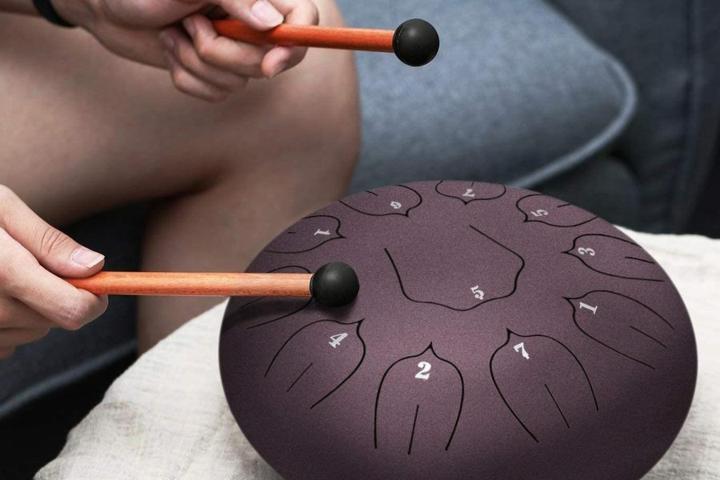
A steel tongue drum is a tuned percussion instrument made from steel with cut tongues that vibrate when struck. It produces warm, bell-like tones that fit solo play, meditation, and small ensembles. The drums come in different scales and sizes. They are easy to start on, yet deep enough to explore advanced music.
Learning how to play steel tongue drum builds rhythm, ear training, and relaxed creativity. Many pick it up for stress relief, songwriting, or classroom music. I started on one to teach mindfulness and quickly found it to be a powerful musical tool.
Choosing the right drum: scales, size, and materials
Pick a drum that fits your goals. Here are the main choices to consider.
- Scale and key
- Major scale gives bright, happy sounds.
- Minor scale gives a moody, peaceful tone.
- Pentatonic scales are forgiving; most notes sound good together.
- Size and portability
- Small drums are light and travel-friendly.
- Larger drums have more resonance and sustain.
- Tuning and quality
- Look for precise tuning and smooth tongues.
- Higher-quality drums hold pitch better in changing weather.
- Mallets or hand-play?
- Many drums come with mallets. Hands give softer, intimate sound.
In my experience, start with a pentatonic steel tongue drum in C or D. It’s the easiest to play and sounds great fast.

Basic techniques: hands vs mallets
Technique shapes tone. Learn both hands and mallets for versatility.
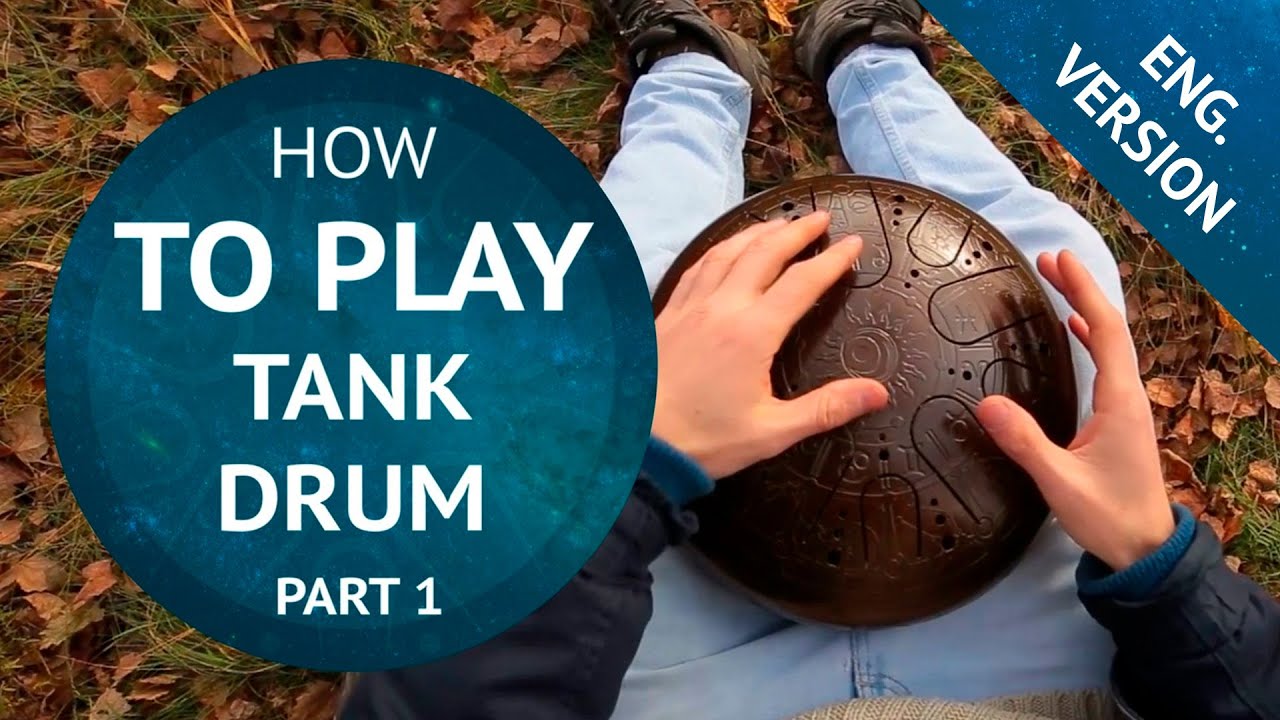
- Hands
- Use the pads of your fingers or thumbs.
- Keep wrists relaxed and strike with a quick motion.
- For softer sound, tap with fingertips near the edge of a tongue.
- Mallets
- Hold mallets lightly about midway.
- Strike near the center of a tongue for bright tone.
- Use rubber or silicone mallets for warm sound.
- Dampening and sustain
- Stop a tongue with a finger to shorten notes.
- Let notes ring for ambient, meditative play.
Practice simple taps to find a balance between volume and clarity. I often alternate hands and mallets to create layers.

Reading your drum: layout, labeling, and patterns
Most steel tongue drums have a central tongue and surrounding tongues laid out in a circle. Understand the layout to play melodies and chords.
- Central note
- Often the root or tonic of the scale.
- Surrounding tongues
- Typically arranged in stepwise order.
- Labels or numbers help when learning songs.
- Simple patterns to learn
- Stepwise: play adjacent notes in sequence.
- Arpeggios: skip notes to form chord-like patterns.
- Repetitive motifs: build rhythm around a two- or three-note pattern.
Label your drum lightly with stickers while learning. This helped me learn songs quickly and avoid confusion.

A step-by-step beginner routine
Follow a short daily plan to progress steadily in how to play steel tongue drum.
- Warm-up (3–5 minutes)
- Tap each tongue slowly to hear pitch.
- Scale practice (5 minutes)
- Play the full scale ascending and descending.
- Rhythms (10 minutes)
- Choose a simple beat and repeat for groove.
- Song practice (10–15 minutes)
- Learn a short melody or improvise over the scale.
- Cool down (2 minutes)
- Play slow, long notes and listen.
Short daily sessions beat long, irregular practice. I found 15–20 minutes per day improved my timing and musical memory faster than longer but rare sessions.

Building rhythm and feeling: simple grooves and timing
Rhythm makes music feel alive. Start simple and add variation.
- Basic grooves
- Quarter notes: steady pulse for grounding.
- Eighth-note pairs: adds motion.
- Syncopation: accent off-beats to create interest.
- Practice tips
- Use a metronome to stay steady.
- Clap patterns first, then transfer to the drum.
- Record yourself to hear timing issues.
Try this simple groove: play root on beats 1 and 3, a higher note on beats 2 and 4. Repeat and add fills. I use this pattern when accompanying singers because it’s simple and supports the melody.

Song ideas and simple arrangements
Start with easy songs to build confidence. Use the drum’s scale to adapt tunes.
- Simple song approaches
- Play melody only on single tongues.
- Add rhythm with a repeating bass note.
- Layer different patterns using hands and mallets.
- Beginner song ideas
- Easy folk melodies
- Nursery rhymes
- Short loops for meditation
A practical example: play a pentatonic melody while tapping the central tongue on beats 1 and 3. This makes an instant arrangement. I teach students to adapt one-line melodies into fuller arrangements using this trick.

Advanced techniques and creative uses
Once you can play basic patterns, expand your skill set.
- Harmonics and overtones
- Light touches near tongue edges can reveal extra color.
- Two-handed independent patterns
- Play independent rhythms with each hand.
- Looping and layering
- Use a loop pedal to build live arrangements.
- Ensemble work
- Pair with guitar, voice, or ambient synths.
I once recorded a layered track where each pass added a new rhythm. It turned a simple drum into a full-sounding piece.

Maintenance, tuning, and care
A well-cared drum lasts and stays in tune.
- Daily care
- Wipe with a soft cloth after play.
- Keep away from heavy moisture and extreme heat.
- Tuning checks
- Use a tuner app to check pitch occasionally.
- Minor pitch shifts are normal with temperature change.
- Repairs
- Small dents can affect tone; contact a pro for serious damage.
I keep mine in a padded bag and wipe it after use. That routine has kept its tone steady for years.
Common mistakes and how to avoid them
Watch for habits that slow progress.
- Hitting too hard
- Striking forcefully blurs tone. Aim for controlled taps.
- Ignoring rhythm
- Melodies need steady timing. Use a metronome early.
- Skipping basics
- Rushing to complex patterns without practice leads to plateaus.
I once tried to learn fast rolls before controlling single strokes. It felt sloppy. Going back to basics fixed the issue.
Benefits and limitations
Be clear about what the instrument offers and its boundaries.
- Benefits
- Easy to start with and forgiving.
- Portable and versatile for many genres.
- Great for mindfulness and group play.
- Limitations
- Limited dynamic range compared to drum kits.
- Fixed tuning; changing key requires a different drum.
- Sustain is longer, which can limit fast, dense passages.
Understanding these helps set realistic goals when learning how to play steel tongue drum.
Practical tips and troubleshooting
Small changes yield big results.
- If notes sound muffled
- Strike slightly closer to the tongue center.
- If notes aren’t ringing
- Check for dust or sticky residue on tongues.
- If rhythm feels uneven
- Slow the tempo and count aloud.
When teaching, I tell students: slow is smooth, smooth is fast. That advice consistently helps build clean technique.
Frequently Asked Questions of how to play steel tongue drum
What is the best way to start learning how to play steel tongue drum?
Start with a pentatonic drum, learn the scale, practice simple rhythms, and play daily for 10–20 minutes. Focus on clean, even strikes and steady timing.
Can I learn how to play steel tongue drum without music experience?
Yes. The drum’s forgiving scales make it easy for beginners, and you can learn by ear and simple patterns. Basic rhythm practice speeds learning.
Should I use hands or mallets when learning how to play steel tongue drum?
Start with mallets for clearer tone and then add hand technique for softer, nuanced sounds. Both methods are useful and offer different textures.
How long does it take to become good at how to play steel tongue drum?
With consistent practice, basic competence takes weeks and musical fluency takes months. Short daily sessions are more effective than rare long sessions.
How do I tune or fix a steel tongue drum if it goes out of tune?
Minor tuning shifts are often due to temperature or humidity; keep the drum dry and stable. For serious tuning issues, seek a professional repair service.
Conclusion
You now have a clear, practical path to learning how to play steel tongue drum. Start with a suitable drum, practice short routines, and focus on steady rhythm and clean strikes. Use simple songs to build confidence and expand into dynamics, loops, and ensemble playing as you grow. Take one small practice session today and build from there. If you found this helpful, try a daily 15-minute practice, share your progress, or leave a comment below to connect with other players.

Senior Music Reviewer
Alex Carter is a seasoned music reviewer with over a decade of experience in the world of sound and instruments. Passionate about helping musicians and enthusiasts make informed choices, he brings sharp insights and in-depth knowledge to every review. From classical instruments to modern gear, Alex combines technical expertise with a love for music to deliver content that resonates with readers.
As a Senior Music Reviewer and expert author on Tuneluma.com, Alex is dedicated to sharing honest evaluations, practical advice, and thoughtful commentary to guide readers in their musical journey.