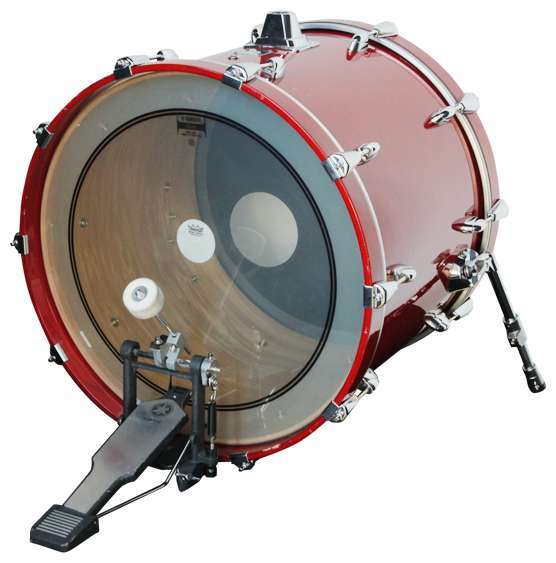
What Are Drums Made Of: Materials, Types & Uses
Drums are made from shells, drumheads, snares, hardware, and various metals or woods.
If you want a clear, expert view on what are drums made of, you’re in the right place. I’ve spent years building, tuning, and touring with drum kits, and I’ll walk you through every key material and part. You’ll learn what are drums made of, how each material shapes tone and feel, and how to choose or care for drums that fit your music and budget. Read on for practical tips, sound comparisons, and real-world lessons from the road.

Drum basics: shell, head, and hardware
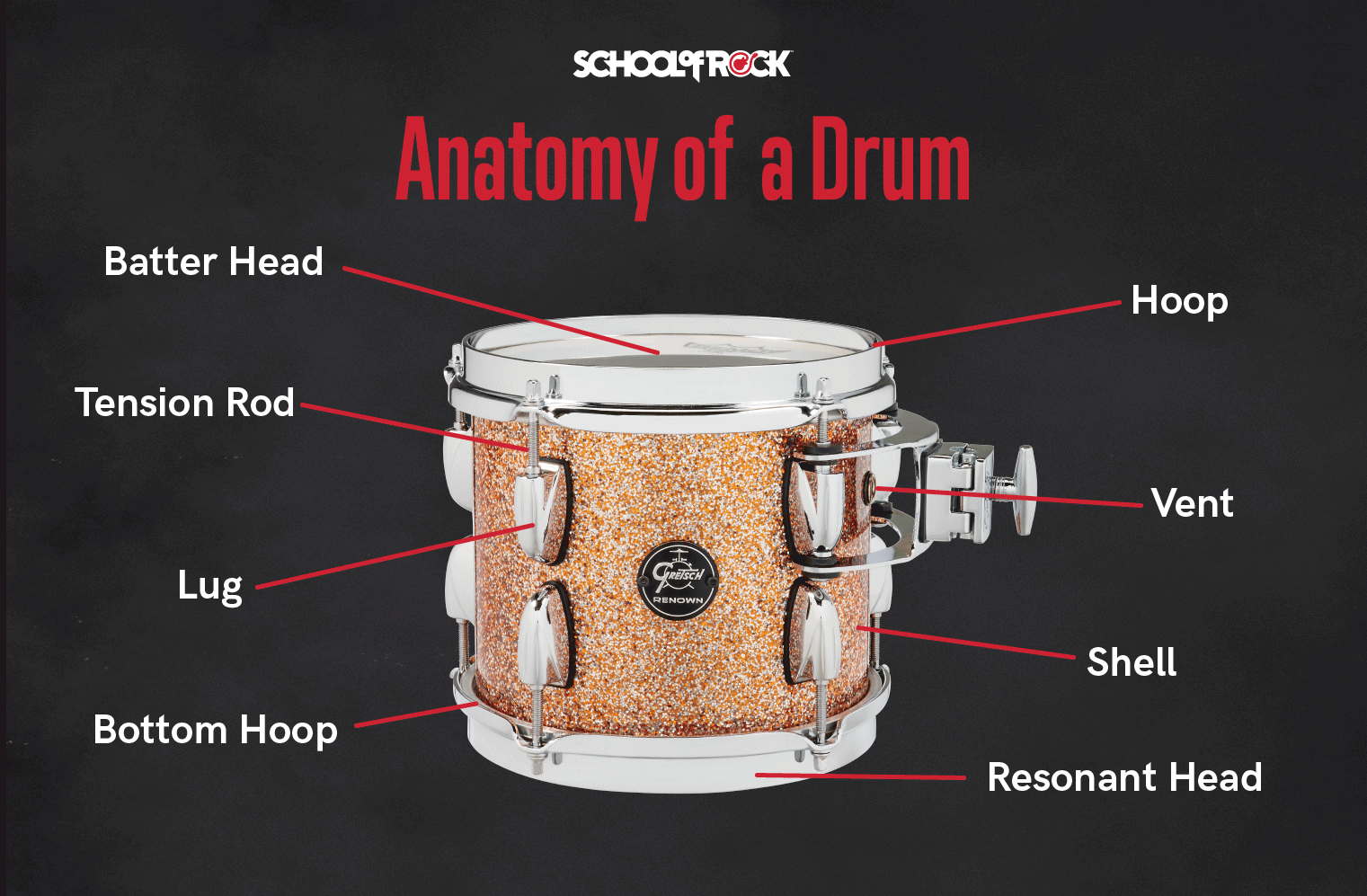
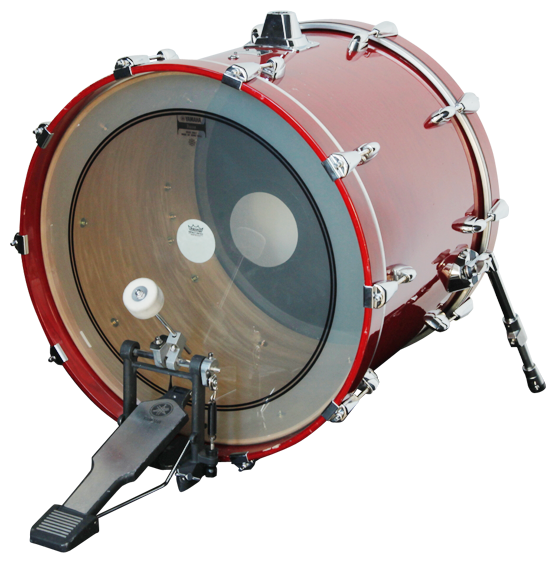
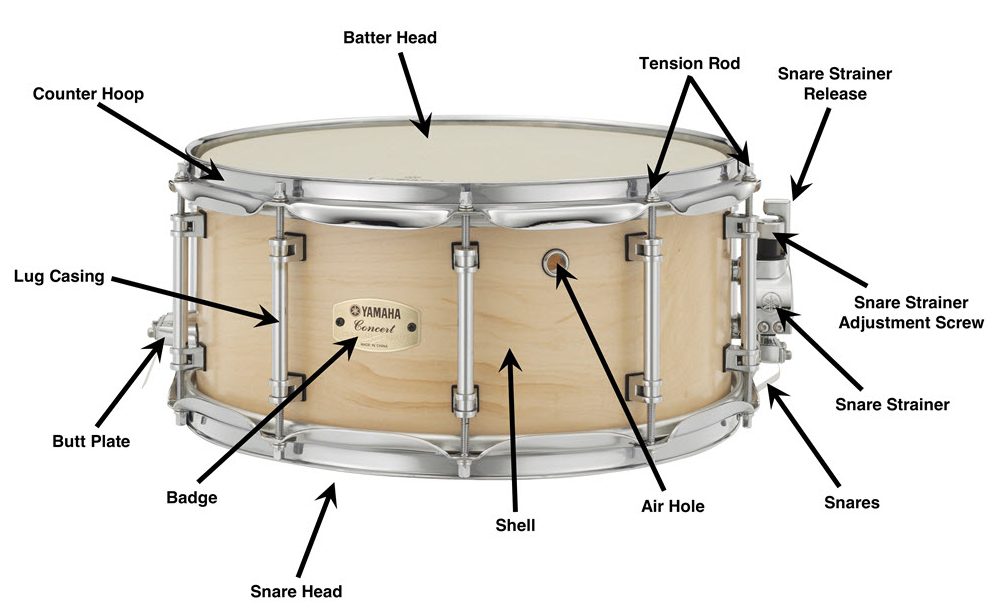
A drum has three main parts. The shell forms the body. The drumhead sits on top and vibrates. Hardware holds the head tight and lets you tune the drum.
When people ask what are drums made of, they usually mean shell and head materials. Those two parts control most of the sound. The rest—snares, hoops, lugs, and stands—add nuance and durability.
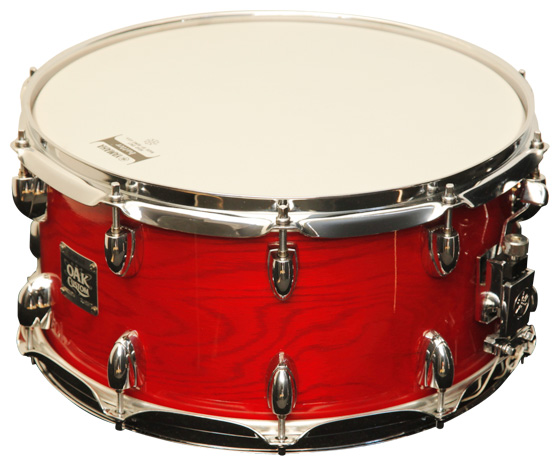
Shell materials: wood, metal, acrylic, and composites
Wood shells
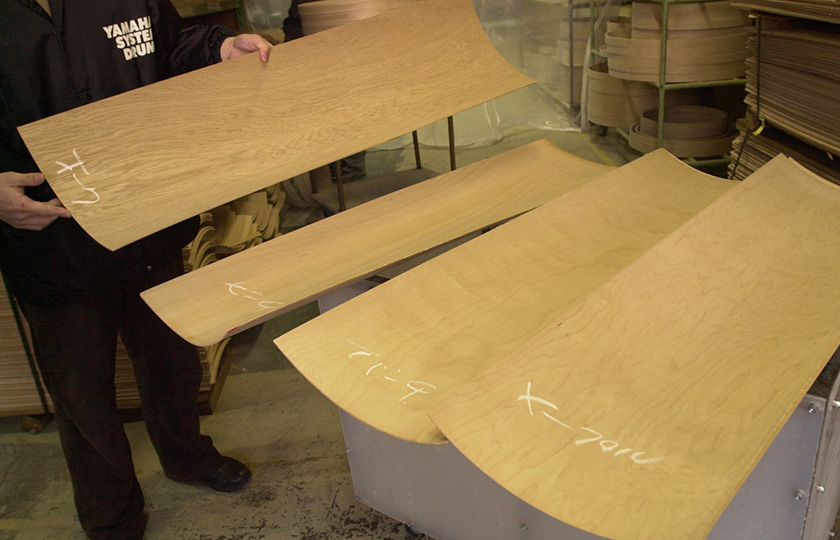
Wood is the classic shell material. Common woods include maple, birch, mahogany, and oak. Maple gives warm, balanced tone. Birch is bright with strong highs. Mahogany adds deep, rich lows. Oak is loud and focused.
How wood is built matters. Shells come as:
- Single-ply: thin, lively sound.
- Multi-ply: stable and focused.
- Solid billet or stave: dense, unique tones.
Metal shells
Metals give a different flavor. Steel and brass are common. Steel is bright and cutting. Brass has warm, complex overtones. Aluminum is light and dry. Copper and bronze appear in custom drums for unique colors.
Other shell types
Acrylic shells offer clear, punchy sound and a glossy look. Fiberglass and carbon fiber give strong projection and weather resistance. Composites blend wood and synthetic layers for tailored tone.
Answering the question what are drums made of means looking beyond a single part. Shell type, thickness, and construction combine to form the drum’s voice.
Drumheads: natural skin to Mylar and modern synthetics
Drumheads start the vibration. They sit on the shell and shape the initial sound. There are two broad groups: natural and synthetic.
Natural heads
Made from calfskin or goat skin. They feel warm and organic. They can be sensitive to humidity. Many jazz players still prefer calfskin for its tone.
Synthetic heads
Most modern heads use Mylar, a polyester film. Mylar is stable, durable, and affordable. Variations include:
- Single-ply: open, bright tone.
- Double-ply: warmer, focused sound.
- Coated: softer attack, good for brushes.
- Clear: bright attack and sustain.
Specialty heads include Kevlar for marching drums and hybrid films for extra durability. The drumhead material is a huge part of the answer to what are drums made of, because it directly affects attack, sustain, and feel.
Hardware, snares, hoops, and internal parts
Hardware keeps drums playable. It includes rims, tension rods, lugs, hoops, snare wires, and mounts. Most hardware is steel, chrome plated, or nickel plated for strength and corrosion resistance.
Key components and materials:
- Hoops: usually metal or wood. Metal gives hard attack; wood adds warmth.
- Tension rods and lugs: steel for stability.
- Snare wires: steel or brass. More strands mean brighter snare response.
- Mounts and stands: steel or aluminum for strength and portability.
Even small parts matter. Bearings edges, the cut where head meets shell, are often hand-shaped. That edge material and shape will change how the head vibrates. So if you ask what are drums made of, include these metal and small components—they shape tuning range and response.

How materials shape sound and playability
Material affects tone, attack, sustain, and how the drum sits in a mix. Simple rules you can use:
- Denser woods (maple) yield warm, full tones.
- Bright woods (birch) emphasize attack and cut.
- Metals add volume and snap.
- Thinner shells respond faster; thicker shells sustain more.
- Synthetic heads are consistent across climates.
Practical examples:
- Rock: often choose maple or metal shells with double-ply heads for power.
- Jazz: lighter maple or mahogany shells with calfskin or single-ply coated heads for warmth.
- Marching: Kevlar heads and metal shells for projection and durability.
From my experience on stage, a kit’s shell and head choice matters most for the first mix. I once replaced clear heads with coated single-ply heads and the kit sounded instantly rounder and more musical. When assessing what are drums made of, always test how parts interact, not just individual materials.
Choosing drums by material: practical tips and common mistakes
How to pick materials that fit you:
- Define your genre and venue size first.
- Test shells and heads together. A great shell with a poor head can still sound thin.
- Consider maintenance. Natural heads need care. Metal shells can need more muffling.
- Budget for hardware. Cheap lugs or hoops can limit tuning stability.
Common mistakes I’ve made and learned from:
- Buying a kit for looks, not sound. The finish doesn’t equal tone.
- Ignoring head type. I once bought a kit and kept its factory heads for months. Swapping to better heads made it sound twice as good.
- Skipping hardware upgrades. Better hoops and lugs can lift a kit’s tuning range.
If you want to know what are drums made of for touring or studio work, think about durability and consistency. Choose materials that match your schedule and environment.
Frequently Asked Questions of what are drums made of
What are drum shells usually made of?
Drum shells are usually made of wood, metal, acrylic, or composite. The most common woods are maple and birch, and common metals include steel, brass, and aluminum.
Are drumheads made of animal skin or plastic?
Both exist. Traditional drumheads use calf or goat skin, while most modern heads use Mylar or other synthetic films for stability and durability.
Do metal shells sound different than wooden shells?
Yes. Metal shells tend to be brighter and louder. Wooden shells generally offer warmer and rounder tones.
What material is best for a beginner drum set?
A mid-range maple or birch shell kit with durable synthetic heads is a safe, versatile choice. It offers good tone for many styles and holds tune well.
How do drum materials affect tuning and maintenance?
Shell density and head type influence tuning range and stability. Natural skins need climate care, and metal parts may need occasional tightening or cleaning.
Conclusion
You now know what are drums made of: shells, heads, snares, and hardware made from wood, metal, and synthetic materials. Each piece adds voice, feel, and durability. Use the sound rules here to match materials to your music. Try different heads on the same shell, and test drums in the room where you play. Ready to refine your sound? Try one material swap, share how it changed your tone, and join the conversation below.

Senior Music Reviewer
Alex Carter is a seasoned music reviewer with over a decade of experience in the world of sound and instruments. Passionate about helping musicians and enthusiasts make informed choices, he brings sharp insights and in-depth knowledge to every review. From classical instruments to modern gear, Alex combines technical expertise with a love for music to deliver content that resonates with readers.
As a Senior Music Reviewer and expert author on Tuneluma.com, Alex is dedicated to sharing honest evaluations, practical advice, and thoughtful commentary to guide readers in their musical journey.