What Are The Strings On A Guitar: A 2026 Beginner Guide
Guitar strings are the thin metal or nylon strands stretched across the instrument that vibrate to produce musical notes.
Understanding what are the strings on a guitar is the first step toward mastering the instrument. Over my decade of playing, I have learned that the strings are not just simple accessories; they are the voice of the guitar. Whether you are playing a gentle folk song or a heavy rock solo, the type of strings you choose changes how the instrument feels and sounds. In this guide, we will break down the anatomy of these strings, why they matter, and how to choose the right ones for your musical journey.
 <figcaption style=”font-size: 14px;color: #555;margin-top: 8px”>
Source: stringsandbeyond.com
Anatomy and Composition of Guitar Strings
When you look at a set of guitar strings, you might think they are all the same, but they vary significantly in construction. Most modern guitar strings are made using a core wire wrapped in a secondary metal. The core is typically high carbon steel, which provides the strength needed to withstand high tension. The outer wrap, which dictates the tone, can be made of various materials like nickel, bronze, or stainless steel.
In my experience, changing from a cheap set of factory strings to a high quality set is like cleaning a foggy window. You suddenly hear clarity, sustain, and warmth that you did not realize the guitar was hiding. For acoustic guitars, you will often encounter phosphor bronze strings, which provide a rich, long lasting tone. Electric guitars, meanwhile, favor nickel wound strings because they react better to the magnetic pickups found on those instruments.
Understanding String Gauges
A critical aspect of knowing what are the strings on a guitar involves understanding gauge, or thickness. Gauge is measured in thousandths of an inch. A light gauge set is easier on the fingers, making it a great choice for beginners who are still building up calluses. Conversely, heavy gauge strings provide more volume and tension, which professional players often prefer for lower tunings or aggressive playing styles.
When I started out, I made the mistake of buying the heaviest strings available because I thought they sounded cooler. I quickly learned that my fingers were not ready, and the extra tension actually hindered my progress. Always start with a light or medium gauge set and adjust as you gain strength. Remember that changing your gauge might require a quick adjustment to your guitar bridge or truss rod to keep the instrument playable.
How Material Affects Your Sound
The material of your strings defines the character of your guitar. Nylon strings are the standard for classical guitars, offering a soft, mellow tone that is very gentle on the skin. If you are learning classical techniques, you must use nylon. Steel strings, on the other hand, produce a bright and percussive sound that defines pop, rock, and country music.
Beyond the base material, many strings are now coated with microscopic layers to prevent corrosion from sweat and oil. While these strings cost a bit more, they can last twice as long as uncoated ones. I recommend coated strings for anyone who lives in a humid climate or plays for several hours a day, as they keep your instrument sounding fresh for weeks on end.

How to Choose the Right Strings for Your Guitar
Choosing strings means matching three things: your guitar type, your playing style, and your desired tone. Start with the guitar type. Acoustic guitars sound best with bronze or phosphor bronze wound strings. Electric guitars work best with nickel-plated or stainless steel strings. Classical guitars need nylon.
Next, think about playing style. Fingerpickers often like lighter gauges for responsiveness. Strummers and flatpicking players may prefer medium or heavy gauges for fuller sound and more volume. If you bend notes a lot, lighter strings are easier. If you tune down or play heavy styles, thicker strings give better tension and tone.
Lastly, try different brands. Each maker shapes tone slightly differently. I swap brands seasonally. Each set taught me something about my own sound and technique.
Quick selection checklist
- Guitar type: acoustic, electric, or classical.
- Preferred tone: bright, warm, mellow, or full.
- Playing style: fingerstyle, strumming, lead, or rhythm.
- Gauge: light for ease, heavy for volume and tension.
- Coated vs uncoated: longevity vs pure tone.
String Maintenance and Care
Strings will sound their best if you care for them. Wipe strings after each session. Use a clean cloth to remove sweat and oils. Wash your hands before you play. That small habit extends string life and keeps tone clear.
If you sweat a lot or play outdoors, consider coated strings. They resist corrosion. Keep spare sets in a dry place. Change strings at the first sign of rust, fret noise, or dull tone. For many players, that means changing strings every 1–3 months, depending on use.
How to Change Your Guitar Strings: Basic Steps
Knowing how to change strings is essential. Here is a short, practical process I use. It works for most steel-string acoustics and electrics. For classical guitars with tied-on nylon strings, follow specialized tying techniques.
- Loosen the old strings with the tuner until slack.
- Remove bridge pins (acoustic) or unwind at the tuning peg (electric).
- Clean the fretboard while strings are off. Use lemon oil sparingly on unfinished wood.
- Install new strings. Feed through bridge or tie for classical. Pull to seating pressure.
- Wind strings at the tuners neatly. Wrap 2–3 times on thin strings, 3–5 on thick ones.
- Tune up slowly. Stretch strings gently and retune until stable.
These steps reduce breakage and help new strings settle in faster. If you need a visual guide, many manufacturers and teaching sites show step-by-step videos.
Frequently Asked Questions of what are the strings on a guitar
How often should I change my guitar strings?
You should aim to change your strings every one to three months depending on how often you play and how much your hands sweat. If the strings feel dull, look rusty, or will not stay in tune, it is time for a fresh set.
What are the standard notes for guitar strings?
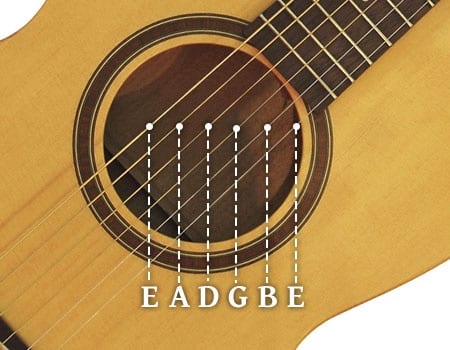
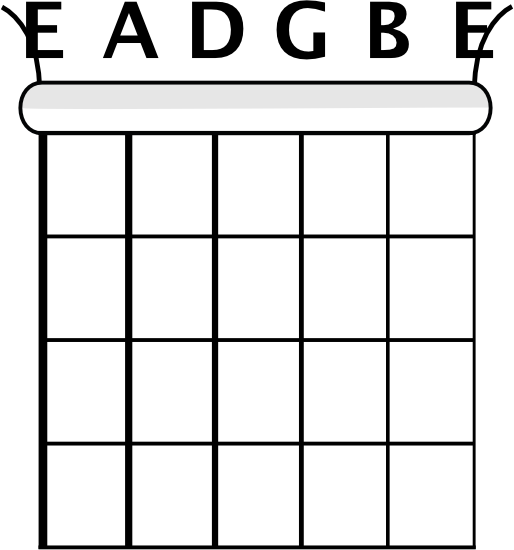
The standard tuning for a guitar from the thickest to the thinnest string is E, A, D, G, B, and E. Many players use the mnemonic Eat All Day Get Big Easy to remember this order.
Can I put electric guitar strings on an acoustic guitar?
It is technically possible, but it is not recommended because electric strings are made of magnetic materials and are often too thin for acoustic bridges. You will lose significant volume and tone quality, so always stick to strings designed for your specific guitar type.
Why do my fingers hurt when I press the strings?
Fingers hurt because your skin has not yet hardened into calluses, which is a normal part of the learning process. With regular practice, the discomfort will fade within a few weeks as your skin toughens up.
Are thicker strings better for guitar playing?
Thicker strings are not better or worse, as they simply offer more tension and a fuller sound at the cost of being harder to press down. The best choice depends on your personal playing style and the specific sound you want to achieve.
Additional Tips from My Years Playing
Here are a few practical tips I learned the hard way. They save time and keep the guitar sounding great.
- Break in strings gently. Play light for the first day to help them settle.
- Avoid extreme temperature and humidity. These change tuning stability and can warp the neck.
- Match string tension to your setup. Large gauge jumps may require a truss rod or bridge adjustment.
- Record comparisons. If you are unsure, record two takes with different strings to hear tone differences.
Conclusion
Knowing what are the strings on a guitar provides the foundational knowledge necessary to take control of your musical output. By understanding how materials, gauges, and types influence your sound, you can tailor your guitar to fit your personal style perfectly. Do not be afraid to experiment with different brands and sizes until you find the set that makes you want to play every single day. Start by inspecting your current strings, and if they have lost their brightness, treat your instrument to a new set this weekend. If you have questions about your specific setup, leave a comment below or explore our library of tutorials to continue your guitar journey.

Senior Music Reviewer
Alex Carter is a seasoned music reviewer with over a decade of experience in the world of sound and instruments. Passionate about helping musicians and enthusiasts make informed choices, he brings sharp insights and in-depth knowledge to every review. From classical instruments to modern gear, Alex combines technical expertise with a love for music to deliver content that resonates with readers.
As a Senior Music Reviewer and expert author on Tuneluma.com, Alex is dedicated to sharing honest evaluations, practical advice, and thoughtful commentary to guide readers in their musical journey.