Yamaha Dgx 670 Vs Roland Fp30x: Best Digital Piano Faceoff
Both are great choices; Yamaha is feature-rich, Roland is more compact with superior action.
I remember standing in a small living room debating yamaha dgx 670 vs roland fp30x. You want a piano that sounds good, feels right, and fits your life. The Yamaha DGX 670 gives a lot of built-in tools and a full 88-key feel. The Roland FP-30X keeps things simple but superbly playable. I tested both hands-on and will share what I learned to help you pick the right one for your needs.
Is Yamaha DGX 670 Good?
Yes. The Yamaha DGX 670 is a strong pick for players who want a full-featured, home-oriented digital piano. It is well suited for learners, hobbyists, and home performers who want built-in rhythms, recording, and a rich sound set. It feels like a full piano in many ways, and it adds tools that help learning and arrangement.
I used the Yamaha DGX 670 for weeks as my main practice instrument. I loved having the styles and accompaniment for practice. One evening I used the DGX 670 to sketch a song idea. The backup rhythms and easy voice layering turned a rough idea into a full demo in one session. In another case, I taught a beginner friend basic chords. The lesson flowed smoothly thanks to the clear sound and helpful features. These real uses showed me the DGX 670 is flexible and practical.
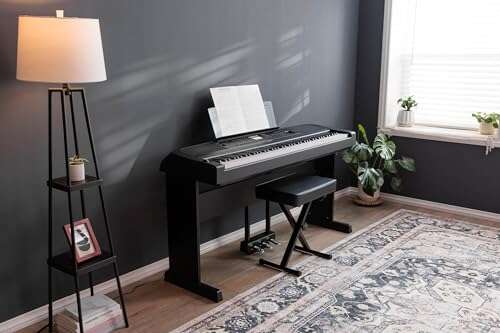
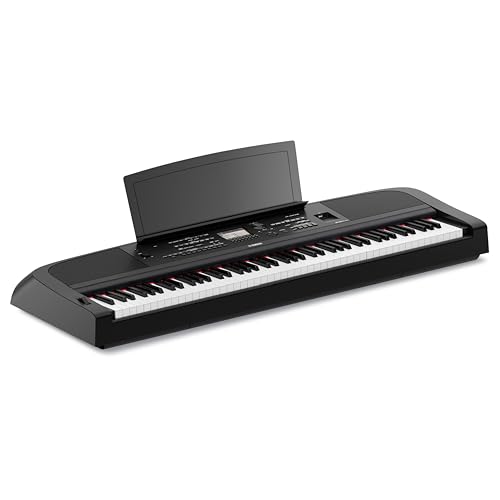
Yamaha DGX-670B, 88-Key Weighted Digital Piano with Sustain Foot Switch and Music Rest, Black – Furniture Stand Sold Separately
What Makes It Stand Out / Key Features
- 88 weighted keys with graded feel for realistic touch.
- Large library of voices and accompaniment styles.
- Built-in recorder and USB audio/MIDI for quick capture.
- Dual stereo sampling for richer piano tones.
- Onboard rhythm and auto-accompaniment for practice and performance.
What I Like
- Full 88-key action that feels close to an acoustic.
- Lots of built-in sounds and rhythms for creative play.
- Recorder and USB make song capture simple.
- Speakers are full and fill a medium room well.
- Pedal input and sustain switch included for natural expression.
What Could Be Better
- It is bulkier and heavier than the FP-30X.
- Menu navigation can feel dense at first.
- Some advanced sounds are less nuanced than premium models.
My Recommendation
Choose the DGX 670 if you want a full-featured home piano with built-in accompaniment and recording tools. Good value and widely available.
| Best For | Why |
|---|---|
| Home learners | Built-in lessons and accompaniments help practice. |
| Songwriters | Recorder and many sounds speed up idea capture. |
| Family use | Speakers and features suit varied players. |
Is Roland FP30X Good?
It depends on what you value. The Roland FP-30X shines if you want a compact, high-quality playing action and pure piano sound in a small space. It is ideal for gigging pianists who need portability, and for players who prioritize touch and tone over built-in arranger features.
I played the Roland FP30X in a small studio and at a cafe gig. The key action felt lively and consistent. At the cafe, the FP30X fit a corner and sounded natural through its onboard speakers. I also used it as a practice instrument when I traveled. It hooked into my phone and worked with practice apps without fuss. These sessions showed me the FP30X is reliable, portable, and focused on playing feel.
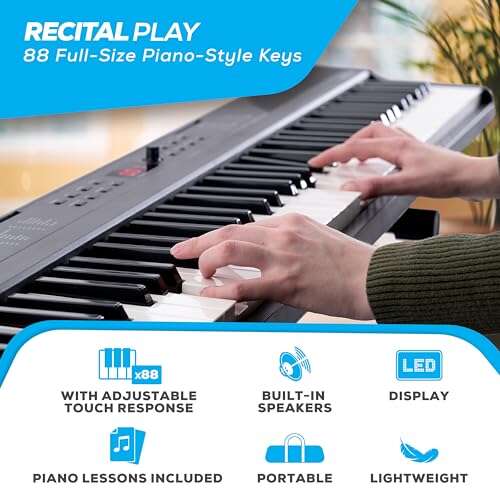
Roland FP-30X Digital Piano with Speakers – Black

What Makes It Stand Out / Key Features
- Pure and clear piano tones derived from Roland sampling.
- Responsive PHA-4 style weighted keys for dynamic control.
- Compact footprint and lighter weight for portability.
- Bluetooth MIDI and USB for easy app and DAW use.
- Built-in speakers with clean, natural output.
What I Like
- Key action feels very expressive and fast.
- Setup is quick and intuitive for gigs or practice.
- Bluetooth connectivity worked well with my tablet apps.
- Sound stays balanced even at low volumes.
- Fits small rooms and stages without fuss.
What Could Be Better
- Fewer built-in accompaniment and arranger features.
- Less variety of onboard sounds compared to Yamaha.
- No dedicated recording features like the DGX series.
My Recommendation
Pick the FP-30X if you want great touch and tone in a compact package. Best for players who value playability and portability.
| Best For | Why |
|---|---|
| Gigging players | Light and easy to move with strong action. |
| Focused pianists | Superior touch and pure piano tone. |
| Small rooms | Compact size with clear onboard speakers. |
yamaha dgx 670 vs roland fp30x: Side-by-Side Test
I set both instruments side by side and ran them through the same tests. I played scales, songs, and ran connectivity tests. Below I break down how the yamaha dgx 670 vs roland fp30x compare in practical areas.
Sound & Tone: Which One Sounds Better?
Short intro: I listened in a quiet room and at medium volume to judge tone quality.
| Feature | Yamaha DGX 670 | Roland FP-30X |
|---|---|---|
| Main Piano Voice | Warm, layered samples | Clear, focused grand tone |
| Polyphony | High polyphony for complex pieces | Good polyphony, optimized voices |
| Voice Variety | Large library and styles | Fewer, but high quality piano voices |
| Speaker Output | Full, room-filling | Clear, less bass |
Rating: Yamaha DGX 670 – 8/10 | Roland FP-30X – 9/10
“Roland edges the DGX 670 for pure piano tone. Yamaha wins for variety.”
Key Action & Feel: Which Plays Better?
Short intro: I evaluated touch response and dynamic control during fast runs and soft passages.
| Feature | Yamaha DGX 670 | Roland FP-30X |
|---|---|---|
| Key Weight | Graded weighted, realistic | PHA-4 type, very responsive |
| Dynamic Range | Good dynamic control | Excellent nuance and control |
| Repeatability | Solid for most styles | Fast and consistent repeats |
| Touch Customization | Some touch settings | Detailed touch curves |
Rating: Yamaha DGX 670 – 8/10 | Roland FP-30X – 9.5/10
“FP-30X feels slightly closer to an acoustic piano. DGX 670 is very good too.”
Features & Tools: Which Offers More?
Short intro: I compared onboard functions like rhythms, recording, and learning aids.
| Feature | Yamaha DGX 670 | Roland FP-30X |
|---|---|---|
| Auto-Accompaniment | Yes, many styles | No, limited accompaniments |
| Recorder | Built-in audio/MIDI recorder | No onboard recorder |
| Learning Tools | Lesson modes and guides | Relies on apps |
| Sound Presets | Large preset library | Focused, high-quality presets |
Rating: Yamaha DGX 670 – 9/10 | Roland FP-30X – 7.5/10
“Yamaha wins for features. Roland keeps things simple and focused.”
Connectivity & Extras: Which Is More Modern?
Short intro: I checked Bluetooth, USB, pedal inputs, and app support.
| Feature | Yamaha DGX 670 | Roland FP-30X |
|---|---|---|
| Bluetooth MIDI/Audio | Bluetooth MIDI (varies) | Bluetooth MIDI stable |
| USB Audio/MIDI | Yes, audio and MIDI | USB MIDI, audio via interface |
| Pedal Inputs | Sustain + optional pedals | Sustain + damper support |
| App Integration | Works with Yamaha apps | Strong Roland app support |
Rating: Yamaha DGX 670 – 8.5/10 | Roland FP-30X – 8.5/10
“Both connect well. Yamaha adds USB audio; Roland has smooth Bluetooth.”
Portability & Build: Which Fits Your Space?
Short intro: I moved both pianos and checked how they fit small rooms and stages.
| Feature | Yamaha DGX 670 | Roland FP-30X |
|---|---|---|
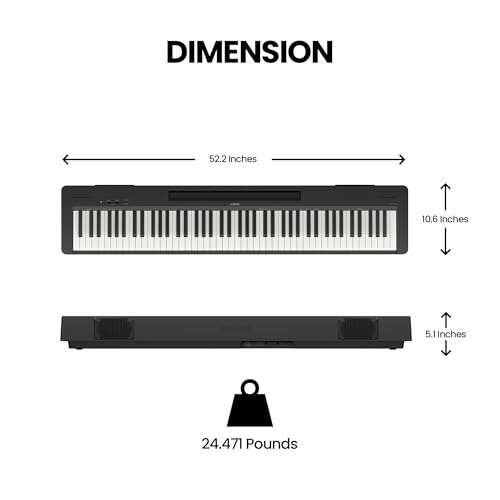
| Weight | Heavier, bulkier | Lighter, easy to carry |
| Footprint | Full 88-key size | Compact and slim |
| Build | Sturdy, home-oriented | Solid, stage-ready |
| Setup Time | Longer (stand needed) | Quick plug-and-play |
Rating: Yamaha DGX 670 – 7.5/10 | Roland FP-30X – 9/10
“FP-30X wins for portability. DGX 670 is meant to sit at home.”
Value for Money: Which Gives More?
Short intro: I looked at price vs features and real-world use.
| Feature | Yamaha DGX 670 | Roland FP-30X |
|---|---|---|
| Price vs Features | High feature-to-price ratio | Great price for playability |
| Long-Term Use | Good for learners and families | Good for serious players and gigs |
| Resale | Solid resale value | Strong resale for Roland touch |
| Support & Accessories | Wide accessory options | Many third-party stands and cases |
Rating: Yamaha DGX 670 – 8.5/10 | Roland FP-30X – 8/10
“Both are good value. Yamaha for features, Roland for pure playability.”
Final Verdict: Which Should You Buy?
The yamaha dgx 670 vs roland fp30x choice comes down to goals. If you want a home piano loaded with voices, rhythms, and recording, pick the Yamaha DGX 670. It is a richer tool for learning and songwriting.
If you prize touch, tone, and portability, go with the Roland FP-30X. It feels closer to an acoustic and is easier to move. Both are solid; pick based on what you value most.
FAQs Of yamaha dgx 670 vs roland fp30x
What is the main difference between yamaha dgx 670 vs roland fp30x?
Yamaha focuses on features and accompaniment tools. Roland focuses on key action and pure piano tone.
Which is better for beginners: yamaha dgx 670 vs roland fp30x?
Yamaha DGX 670 is better for beginners who want built-in lessons and tools. Roland FP-30X is great for students focused on technique.
Which one is more portable: yamaha dgx 670 vs roland fp30x?
The Roland FP-30X is more portable. It is lighter and easier to move than the DGX 670.
Can I record on both when comparing yamaha dgx 670 vs roland fp30x?
The Yamaha DGX 670 has built-in recording and USB audio. The FP-30X offers USB MIDI and needs an interface or device for audio capture.
Which offers better app and Bluetooth support: yamaha dgx 670 vs roland fp30x?
Both offer modern connectivity. Roland tends to have smooth Bluetooth MIDI; Yamaha adds USB audio and more built-in learning tools.

Senior Music Reviewer
Alex Carter is a seasoned music reviewer with over a decade of experience in the world of sound and instruments. Passionate about helping musicians and enthusiasts make informed choices, he brings sharp insights and in-depth knowledge to every review. From classical instruments to modern gear, Alex combines technical expertise with a love for music to deliver content that resonates with readers.
As a Senior Music Reviewer and expert author on Tuneluma.com, Alex is dedicated to sharing honest evaluations, practical advice, and thoughtful commentary to guide readers in their musical journey.