What Is A Taiko Drum: Traditional Japanese Drum Explained
A taiko drum is a traditional Japanese drum prized for its deep, thunderous sound and ritual role.
I’ve studied and played taiko drums for years, taught workshops, and researched their history and craft. In this guide I’ll explain what is a taiko drum, how it’s built, how it’s played, and why it matters culturally and musically. You’ll get clear, practical advice on buying, caring for, and learning taiko from someone who’s been on stage and in the workshop.
What is a taiko drum?
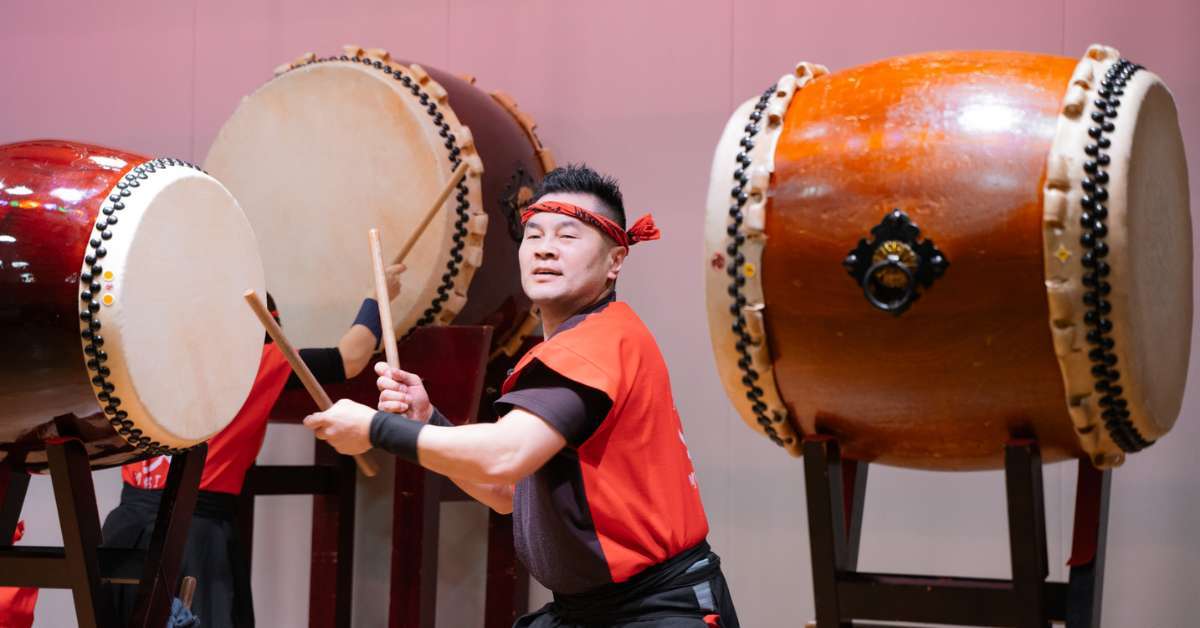
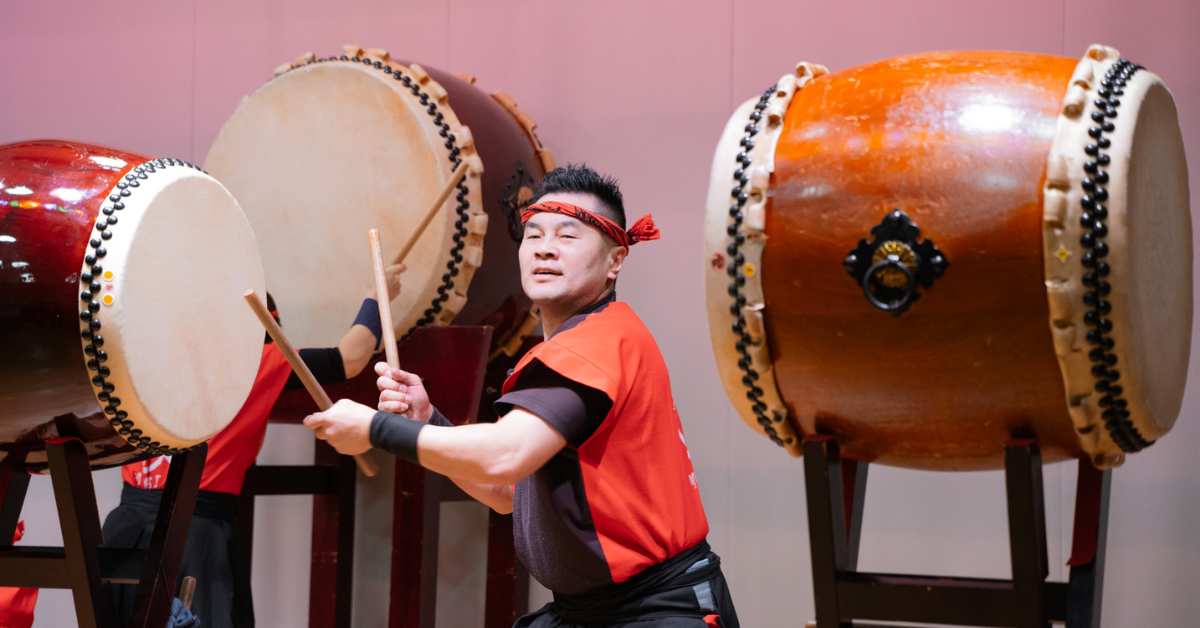
A taiko drum is a broad category of Japanese percussion instruments. The phrase what is a taiko drum asks about history, shape, sound, and use. Taiko range from small, tight-headed drums to giant barrel drums beaten with large sticks. They appear in religious ceremonies, festivals, theater, and modern ensemble music called kumi-daiko.
Taiko produce strong, resonant tones. Builders shape the body and stretch skins to tune the sound. Players use bachi (sticks) and body movement to make music and tell stories. Learning what is a taiko drum means learning about construction, technique, and cultural context.

History and cultural significance
Taiko drums have served ritual and communal roles for centuries. Early records and temple archives show drums used in Shinto rituals and Buddhist ceremonies. Over time, taiko moved from religious settings into village festivals and theater.
In the 20th century, ensemble styles like kumi-daiko turned taiko into a concert instrument. That change brought global attention. Today taiko symbolizes Japanese identity for many people. It also evolves in global fusion projects and contemporary compositions.

Types and sizes of taiko
Taiko come in many shapes and sizes. Here are common types you’ll see and hear.
- Odaiko: A very large drum with a deep, booming tone. Often used for dramatic impact.
- Nagado-daiko: The classic barrel-shaped drum with tacked heads. Common in ensembles.
- Shime-daiko: A small, high-pitched drum with rope or bolt tension. It sets tempo.
- Okedo-daiko: Made with staves and hoops, portable for festivals.
- Hirado/Byo-daiko: Flat drums used in theater or processions.
Each type answers a different musical need. Knowing what is a taiko drum helps you pick the right one for performance or study.
Construction and materials
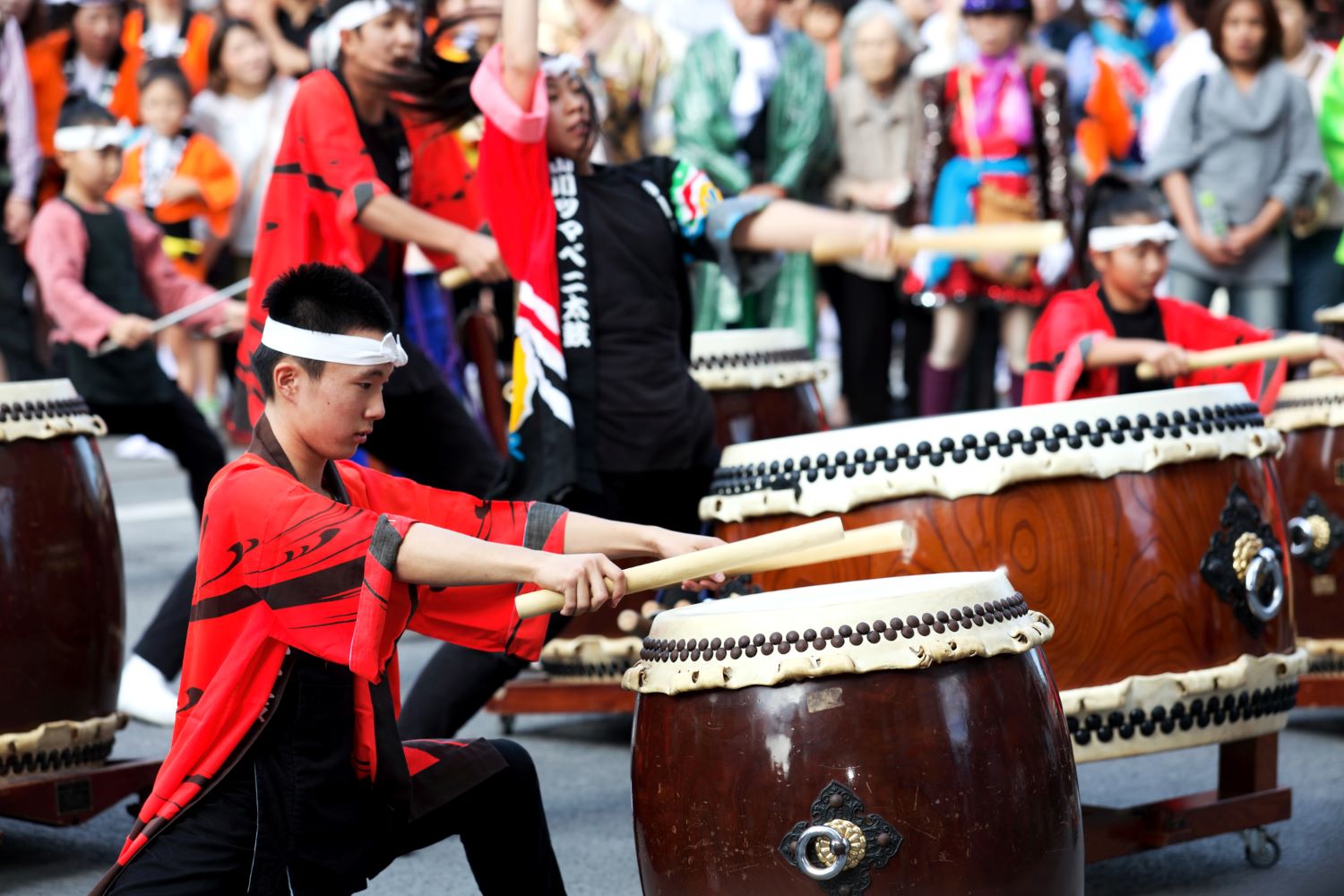
Taiko construction blends craftsmanship and acoustics. The main parts are body, head, and fittings.
- Body: Traditionally carved from a single log. Common woods include keyaki (zelkova) for high-end drums. Modern drums may use staves or laminated wood.
- Head: Cowhide is usual. Thickness and treatment affect tone and attack. Heads are either nailed (tacked) or bolted.
- Tensioning: Tacked heads are fixed and tuned by skin conditioning. Rope or bolts allow adjustable tension for shime-daiko.
- Finish: Natural or lacquered surfaces protect the wood and add visual appeal.
Construction choices shape the sound. A deep, long-sustaining tone comes from a large body and thick head. A sharp, clear strike comes from smaller bodies and tighter heads. Knowing what is a taiko drum includes understanding these trade-offs.
 techniques and performance”
style=”max-width: 100%; height: auto; border: 2px solid black; border-radius: 10px; display: block; margin: 0 auto;”
loading=”lazy”
/>
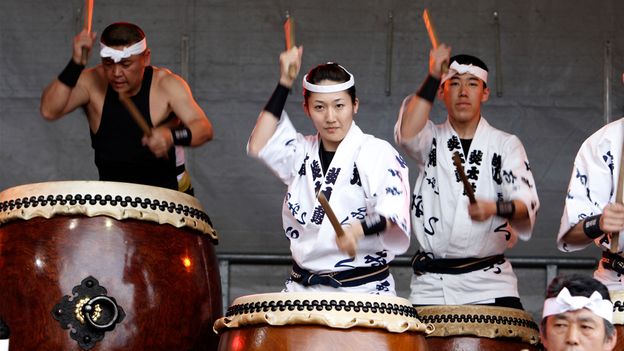
How taiko drums are played: techniques and performance
Playing taiko is physical and musical. Technique blends rhythm, posture, and expression.
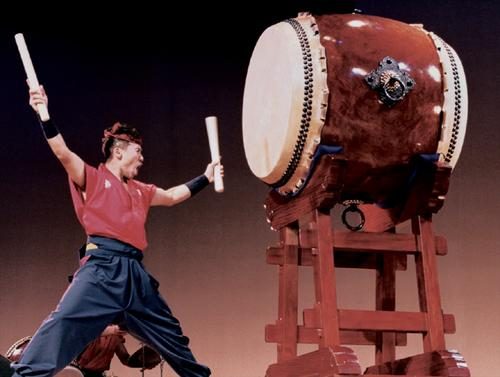
- Grip and bachi: Players hold wooden sticks called bachi. Grip is strong but relaxed to allow rebound.
- Stance and movement: Feet, hips, and shoulders work with the arms. Large movements create power and presence.
- Striking zones: The center yields deeper tones. The edge produces sharper sounds and overtones.
- Ensemble roles: Kumi-daiko ensembles balance odaiko for power, nagado for rhythm, and shime for cues.
PAA-style question: How hard do you hit a taiko drum? Strike hard enough to create the desired tone. Use full-body motion, not just arm strength, to control sound and prevent injury.
PAA-style question: Can beginners learn taiko quickly? Yes. Basic rhythms and movements are accessible, but mastery of tone and endurance takes time.
I learned early on to watch breathing and posture. Hitting with only the arms caused fatigue. Integrating the whole body improved endurance and tone. These personal lessons answer practical parts of what is a taiko drum for performers.
Uses, benefits, and limitations
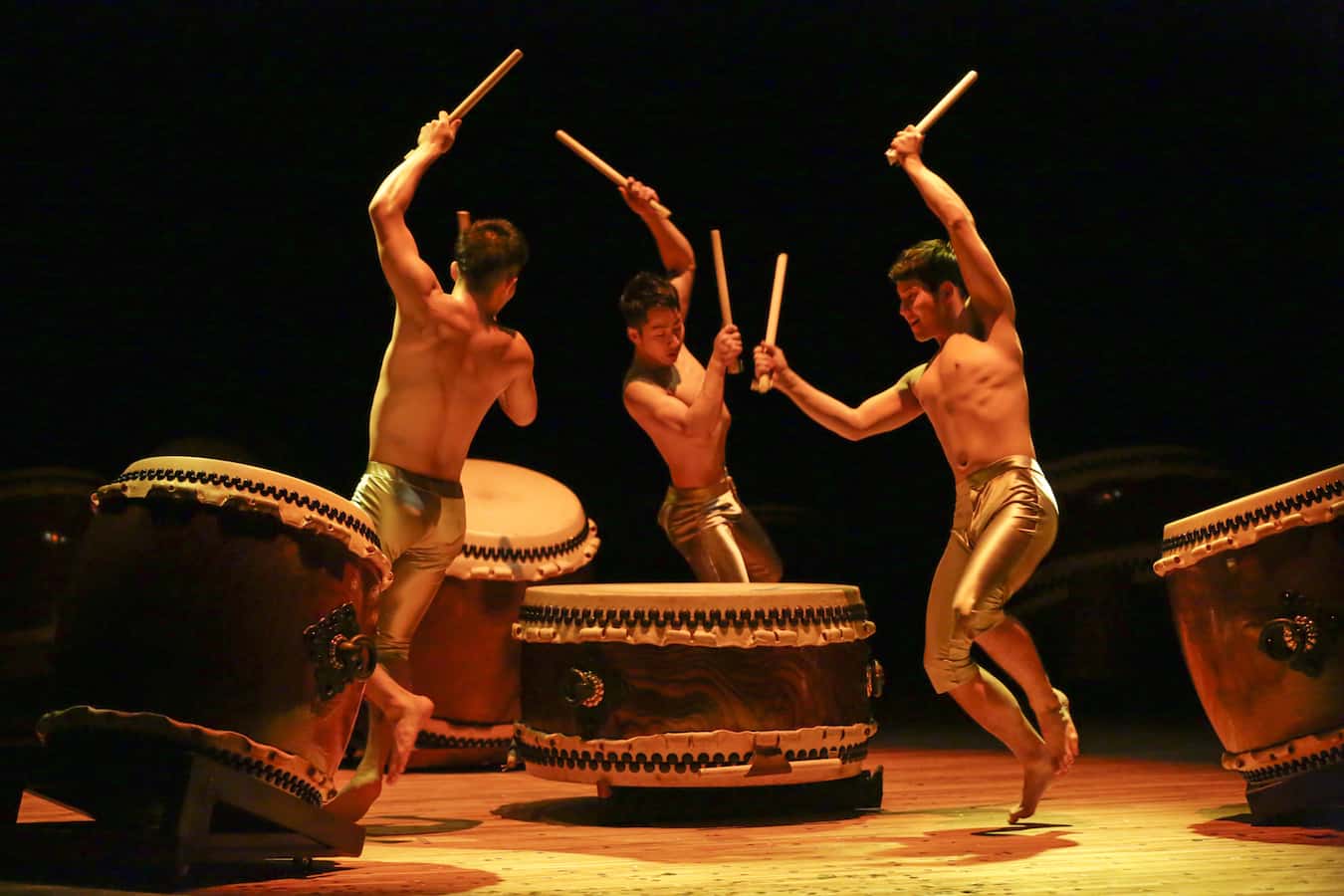
Taiko drums serve musical, cultural, and social roles.
Uses
- Religious rites and temple festivals.
- Local matsuri (festivals) and parades.
- Theater and dance accompaniment.
- Concert ensembles and studio recordings.
- Education, fitness, and team-building workshops.
Benefits
- Powerful, visceral sound that moves audiences.
- Physical workout that builds stamina and coordination.
- Community-building through ensemble play.
- Cultural preservation and creative expression.
Limitations
- Size and volume can limit where you can play.
- Cost of high-quality drums can be high.
- Transport and storage challenges for large instruments.
Understanding what is a taiko drum includes seeing both its strengths and practical constraints.

How to choose, buy, and maintain a taiko drum
Choosing a taiko depends on goals, budget, and space.
Buying tips
- Define purpose: studio practice, stage, or festival.
- Start with a shime-daiko or small nagado for learning.
- Try drums in person to hear attack and sustain.
- Consider used instruments for affordability.
Maintenance
- Keep drums out of extreme heat, cold, and humidity.
- Wipe skins with a dry cloth; never saturate with water.
- Check hoops and tacks for looseness periodically.
- For bolt-tension drums, tune gradually and evenly.
DIY and repair
- Minor cracks in the body may be stabilized with careful glue and clamps.
- Re-skinning is a specialized task—consult experienced builders if possible.
From personal experience, storing drums on padded racks and rotating practice schedules helped extend lifespan. That practical care matters when you learn what is a taiko drum in real life.
Learning and teaching taiko
Taiko learning blends rhythm training and physical coaching. Lessons cover timing, rudiments, and staging. Group rehearsals teach listening and ensemble balance.
Tips for learners
- Start with short sessions to build stamina.
- Focus on basic strikes and posture first.
- Use a metronome or shime-daiko for timing practice.
- Record rehearsals to track progress.
Tips for teachers
- Break complex rhythms into small motifs.
- Reinforce safe movement and warm-ups.
- Encourage musical phrasing, not just loudness.
Teaching and learning help answer the practical question of what is a taiko drum by turning concept into skill.
Frequently Asked Questions of what is a taiko drum
What materials are taiko drums made from?
Taiko drums are usually made from hardwood bodies and cowhide heads. Construction can be single-log carving or stave-assembled.
How loud is a taiko drum?
Taiko can be very loud, especially odaiko. Volume depends on drum size, head tension, and strike intensity.
Can anyone learn to play taiko?
Yes. People of many ages and fitness levels can learn taiko basics. Building endurance and technique takes regular practice.
How do you tune a taiko drum?
Tacked drums are tuned by adjusting skin moisture and temperature. Bolt-tension drums use even tightening of bolts to tune pitch.
Are taiko drums expensive?
High-quality, handcrafted taiko can be expensive. There are affordable practice drums and used options for beginners.
Is taiko only Japanese music?
No. While rooted in Japanese tradition, taiko appears in global fusion, contemporary music, and educational settings.
Conclusion
Taiko drums combine craft, sound, and community. Now you know what is a taiko drum: its forms, history, techniques, and practical care. If you want to try taiko, start with a small drum, focus on posture, and join a group or class to learn ensemble skills. Take one step today—find a local workshop, watch a performance, or try a beginner’s lesson—and share your experience below or subscribe for more guides on percussion and world instruments.

Senior Music Reviewer
Alex Carter is a seasoned music reviewer with over a decade of experience in the world of sound and instruments. Passionate about helping musicians and enthusiasts make informed choices, he brings sharp insights and in-depth knowledge to every review. From classical instruments to modern gear, Alex combines technical expertise with a love for music to deliver content that resonates with readers.
As a Senior Music Reviewer and expert author on Tuneluma.com, Alex is dedicated to sharing honest evaluations, practical advice, and thoughtful commentary to guide readers in their musical journey.