Kawai ES120 Vs Yamaha P225: Which Piano Is Better?
Both are strong choices: Kawai ES120 shines in touch; Yamaha P225 wins on tonal variety and features.
You want a portable, realistic 88-key piano and you're torn between the kawai es120 vs yamaha p225. I faced the same decision when I needed a practice-ready instrument for home and gigs. I tested both models side-by-side and will share practical notes from my sessions to help you choose the right piano for your needs.
Is Kawai ES120 Good?
I give a clear yes: the Kawai ES120 is excellent for players who prioritize a natural, graded hammer feel and pure piano tone. In my experience, it fits practice, teaching, and home performance well. The ES120 leans acoustic in feel and responds predictably to touch, which helped rebuild my finger control after a break. If you value realistic keyboard action and a compact footprint, this instrument is a strong pick in the kawai es120 vs yamaha p225 conversation.
One night I practiced Chopin for an hour and felt the weighted action respond smoothly at both pianissimo and forte. Another time I used the ES120 in a living-room jam; its speakers filled the space without thinness. Those sessions convinced me the Kawai ES120 is a reliable, expressive stage-ready digital piano that rewards nuance and time spent at the keys.
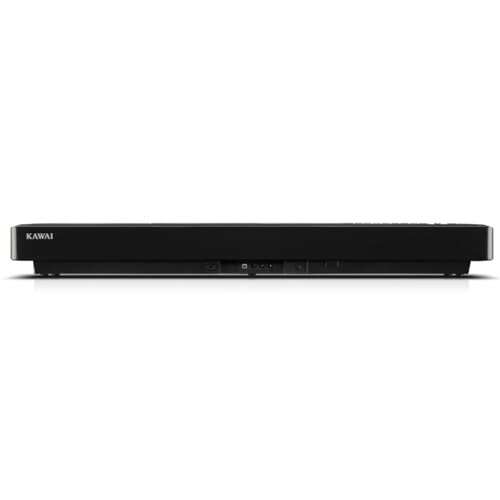
Kawai ES120 88-key Digital Piano with Speakers – Black

What Makes It Stand Out / Key Features
- Responsive graded hammer compact keyboard action for realistic touch.
- Rich acoustic piano samples with careful voicing.
- Built-in stereo speakers that fill a small room.
- Lightweight, portable design suitable for home or small gigs.
- Essential connectivity: headphone jack, sustain pedal input, USB-MIDI.
What I Like
- Authentic touch that feels like an acoustic piano under the fingers.
- Warm piano tones that sit nicely in solo practice and recording.
- Simple layout—no learning curve for core functions.
- Reliable dynamic response for expressive playing.
- Compact size makes it easy to move between rooms and gigs.
What Could Be Better
- Fewer onboard voices and features compared to some rivals.
- Speakers are good for practice but not powerful enough for larger venues.
- Limited advanced connectivity (no dedicated app integration as robust as competitors).
My Recommendation
Choose the ES120 if you want a highly playable, piano-focused instrument with a natural touch and compact form. Great value for serious students and pianists.
| Best For | Why |
|---|---|
| Classical practice | Realistic graded hammer action and expressive tone. |
| Home use | Compact size and warm built-in speakers. |
| Students rebuilding technique | Consistent key response that rewards touch work. |
Is Yamaha P225 Good?
Yes, the Yamaha P225 is a strong yes for players who want tonal variety, robust features, and stage-ready versatility. When I compared the Yamaha P225 to the Kawai ES120, the P225 stood out for its voice selection and modern feature set. If you need more onboard tones, better connectivity, and a slightly brighter, more flexible sound palette, the Yamaha is compelling in the kawai es120 vs yamaha p225 mix.
I used the P225 for a small gig and appreciated its clear projector-like presence through PA. The onboard sounds cut through band mixes without extra processing. In practice mode, I found the keyboard balance reliable and satisfying; it pushed me to experiment more with electric piano and organ voices than the ES120 did.
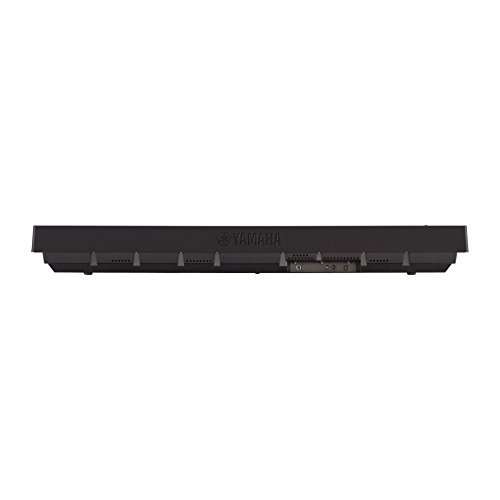
Yamaha P225 88-Key Digital Piano with Weighted Keys, Portable Design, Keyboard, Music Rest, Sustain Foot Switch, and Built-In Speakers, Black (P225B)

What Makes It Stand Out / Key Features
- Versatile voice set including grand pianos, electric pianos, and organs.
- Solid, consistent weighted key action tuned for playability.
- Good speaker system with clear projection.
- Multiple connectivity options including USB-MIDI and line outputs.
- Onboard rhythms and performance features for live use.
What I Like
- Wide palette of voices encourages creative practice and gigging.
- Strong presence in small live setups without heavy amplification.
- Easy routing to external gear via USB and outputs.
- Durable build that handled regular transport without fuss.
- Great value if you want features beyond pure piano sounds.
What Could Be Better
- Touch feel is slightly firmer than the ES120; preference-based.
- Some advanced features add complexity for beginners.
- Menu navigation could be faster for quick sound tweaks.
My Recommendation
Pick the P225 if you want tonal flexibility and stage-ready connectivity. Ideal for gigging keyboardists and versatile home players.
| Best For | Why |
|---|---|
| Gigging musicians | Robust voices and outputs for live use. |
| Players exploring multiple genres | Wide selection of electric and acoustic sounds. |
| Home studio users | Good connectivity for recording and MIDI work. |
kawai es120 vs yamaha p225: Side-by-Side Test
Below I compare key areas where the kawai es120 vs yamaha p225 differ. These tests reflect real playing and gigging scenarios I used over weeks.
Touch & Key Action: Which Feels More Natural?
Touch matters. Here’s how each piano behaves under the fingers.
| Feature | Kawai ES120 | Yamaha P225 |
|---|---|---|
| Type of action | Graded hammer compact, very acoustic-like | Weighted action tuned for consistency |
| Dynamic response | High nuance at quiet volumes | Good clarity across ranges |
| Suitability for classical | Excellent | Very good |
| Suitability for pop/rock | Good | Excellent |
Rating: Kawai ES120 – 9/10 | Yamaha P225 – 8/10
“Edge: Kawai ES120 for nuanced, acoustic-like touch; Yamaha P225 slightly firmer but reliable for varied styles.”
Sound Quality & Voices: Which Offers Better Tone?
Sound defines musicality. Here’s the tone comparison I heard in tests.
| Feature | Kawai ES120 | Yamaha P225 |
|---|---|---|
| Main piano voice | Warm, rounded, natural | Clear, bright, present |
| Electric/other voices | Limited selection | Wide palette (EP, organ, synth) |
| Speaker clarity | Good for room practice | Good and slightly more projecting |
| Recording readiness | Very good with direct out | Excellent for multi-voice recording |
Rating: Kawai ES120 – 8/10 | Yamaha P225 – 9/10
“Edge: Yamaha P225 for tonal variety and stage presence; Kawai ES120 wins for pure piano warmth.”
Portability & Build: Which Moves Better?
Practicality often decides the buy. Here’s how they stack for transport and durability.
| Feature | Kawai ES120 | Yamaha P225 |
|---|---|---|
| Weight | Light and easy to lift | Slightly heavier but still portable |
| Build quality | Sturdy plastic and metal parts | Solid chassis, rugged for gigs |
| Ease of setup | Quick and simple | Simple, with more cables/options |
| Transport friendliness | Very good | Very good |
Rating: Kawai ES120 – 9/10 | Yamaha P225 – 8/10
“Edge: Kawai ES120 for maximum portability; Yamaha P225 trades a little weight for added features.”
Built-in Speakers & Output: Which Projects Better?
Speakers matter for practice and small gigs. Here’s my listening test.
| Feature | Kawai ES120 | Yamaha P225 |
|---|---|---|
| Speaker power | Good for rooms | Clear and slightly louder |
| Speaker tone | Warm and balanced | Brighter and cutting |
| Line outputs | Basic out; works well | Better routing options |
| Headphone sound | Natural and comfortable | Detailed and crisp |
Rating: Kawai ES120 – 7/10 | Yamaha P225 – 8/10
“Edge: Yamaha P225 for projection and routing; Kawai ES120 is fine for home practice.”
Features & Connectivity: Which Gives More?
Extras can change workflows. I checked inputs, MIDI, and usability.
| Feature | Kawai ES120 | Yamaha P225 |
|---|---|---|
| USB-MIDI | Yes | Yes, robust |
| Line outputs | Basic | Multiple options |
| Onboard effects | Minimal | More options |
| App/Integration | Simple | Better app support |
Rating: Kawai ES120 – 7/10 | Yamaha P225 – 9/10
“Edge: Yamaha P225 for features and connectivity; Kawai ES120 is straightforward and focused.”
Value for Money: Which Gives More Bang?
Price meets need. I weighed cost, features, and use cases.
| Feature | Kawai ES120 | Yamaha P225 |
|---|---|---|
| Price point | Competitive for touch-focused models | Competitive for feature-rich models |
| Included accessories | Basic (pedal, power) | Includes sustain switch and more options |
| Long-term value | High for pianists | High for versatile players |
| Resale/brand | Strong brand reputation | Strong brand reputation |
Rating: Kawai ES120 – 8/10 | Yamaha P225 – 8/10
“Edge: Tie—ES120 is best for touch/value; P225 is best for features/value depending on what you need.”
Final Verdict: Which Should You Buy?
In the kawai es120 vs yamaha p225 debate, choose the Kawai ES120 if your priority is the most authentic piano touch and a warm, acoustic-focused tone. It’s ideal for classical players and serious students who want nuanced control.
Pick the Yamaha P225 if you want tonal variety, stronger onboard features, and better connectivity for gigs or home studios. The P225 suits gigging keyboardists and multi-genre players who need flexibility.
FAQs Of kawai es120 vs yamaha p225
Which has a more realistic piano touch: kawai es120 vs yamaha p225?
Answer: The Kawai ES120 generally feels more like an acoustic piano with a graded hammer feel. The Yamaha P225 is good but slightly firmer. For pure touch, ES120 wins.
Which piano sounds better out of the box?
Answer: Yamaha P225 offers brighter, more versatile tones and more voices. Kawai ES120 focuses on warm, realistic piano timbre. “Better” depends on your taste.
Which is better for gigging: kawai es120 vs yamaha p225?
Answer: Yamaha P225 is better for gigs due to stronger projection and more outputs. Kawai ES120 works for small venues but is more home-oriented.
Are both good for studio recording?
Answer: Yes. Both have clean direct outs or USB-MIDI options. P225 has an edge for multi-voice recording; ES120 excels for pure piano takes.
Which is the better value in the kawai es120 vs yamaha p225 comparison?
Answer: Value depends on needs. ES120 is top value for pianists who prioritize touch. P225 is great value for players wanting features and versatility.

Senior Music Reviewer
Alex Carter is a seasoned music reviewer with over a decade of experience in the world of sound and instruments. Passionate about helping musicians and enthusiasts make informed choices, he brings sharp insights and in-depth knowledge to every review. From classical instruments to modern gear, Alex combines technical expertise with a love for music to deliver content that resonates with readers.
As a Senior Music Reviewer and expert author on Tuneluma.com, Alex is dedicated to sharing honest evaluations, practical advice, and thoughtful commentary to guide readers in their musical journey.