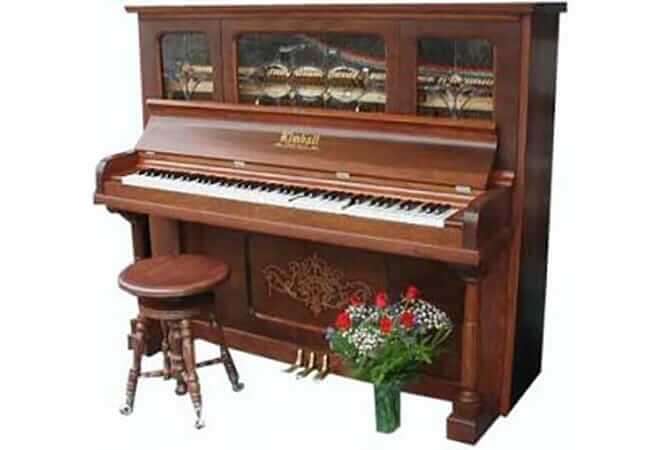
How To Price A Second Hand Piano Correctly: Quick Tips
Price a used piano by checking brand, age, condition, and local demand—then set a fair market range.
I’ve priced hundreds of used pianos for owners, teachers, and shops, and I’ll show you exactly how to price a second hand piano correctly. This guide breaks the process into clear steps, explains the factors that matter most, offers real examples, and gives practical checklists you can use right away. Read on and you’ll feel confident setting a fair asking price or recognizing a fair offer.
How to approach pricing a second hand piano correctly
Pricing a second hand piano correctly starts with a clear method. Use a simple three-step approach:
- Inspect the piano for brand, age, and condition.
- Research local and online comparable sales.
- Adjust price for repairs, moving, and demand.
This method helps you avoid guesswork. Focus on measurable facts first, then add judgment for softer factors like tone and local demand. As you learn how to price a second hand piano correctly, you’ll save time and get better offers.

Key factors that determine value
When you want to know how to price a second hand piano correctly, these are the core factors to evaluate.
Brand and model
Some brands keep value better. Well-known makers often fetch higher prices even when older. Lesser-known brands usually sell for much less.
Age and serial number
Age matters. Older pianos can be collectible or worn out. Use the serial number to estimate manufacture year. That date helps set a baseline.
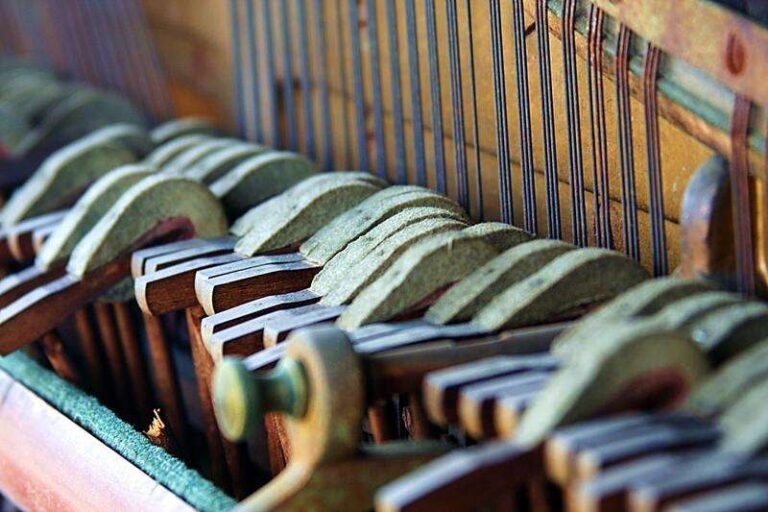
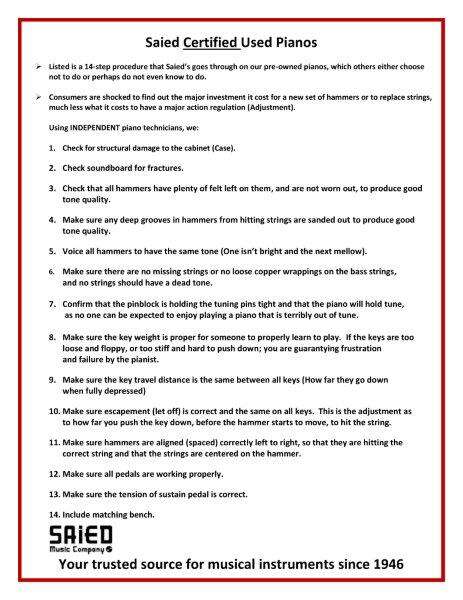
Condition of the action and hammers
The mechanical parts affect playability and value. Sticky keys, worn hammers, or broken action parts lower price significantly.
Sound and tone
Sound quality is subjective but important. A piano that sounds rich will command more. Tone issues can be fixed, but repairs are costly.
Structural condition: soundboard, pinblock, and frame
Cracks in the soundboard or a loose pinblock are serious. These reduce value a lot. A solid soundboard and stable tuning pins increase value.
Finish, case, and cosmetics
Scratches and finish wear affect appeal. They change buyer perception but usually cost less to fix than structural issues.
Size and type
Grands are generally worth more than uprights. Baby grands and studio grands have higher resale values than small uprights.
Market demand and location
Local demand shifts prices. Urban areas and music schools create higher demand. In rural areas, expect lower prices.
Costs to factor in
Include moving, tuning, restoration, and disposal costs. Buyers discount for these costs. Sellers should subtract realistic expenses when pricing.
When you combine these factors, you’ll have a clear picture of how to price a second hand piano correctly.
Step-by-step pricing formula you can use today
Follow this step-by-step formula to set a reliable price.
- Inspect and record facts
- Note brand, serial number, size, and visible damage. Play each key and listen.
- Determine age and baseline value
- Use the serial number to find the year. Check typical resale values for that brand and age.
- Rate condition on a simple scale
- Excellent, Good, Fair, Poor. Write notes for each rating.
- Estimate repair and moving costs
- Get quotes for tuning, minor repairs, or major restoration.
- Calculate base price
- Start with baseline market value for brand and age.
- Apply adjustments
- Subtract estimated repair and moving costs.
- Add a small premium for excellent tone or rare model.
- Set a price range
- Create a listing price and a lowest acceptable price. Leave room for negotiation.
Use this process each time you need to decide how to price a second hand piano correctly. It keeps the decision rational and repeatable.
Practical examples and case studies
Examples help solidify the method. Here are three short cases from my experience.
Case 1: Vintage upright, common brand
- Brand: Mid-level upright, 1965. Condition: Fair. Needs new hammers and a tuning.
- Local baseline: $800. Repairs and moving: $600. Listing price: $1,000. Lowest acceptable: $600.
Case 2: Yamaha U3 studio upright
- Brand: Yamaha U3, 1985. Condition: Good, plays well, minor cosmetic wear.
- Baseline: $3,200. Minimal repairs. Listing price: $2,900. Lowest acceptable: $2,300.
Case 3: Small baby grand, structural issues
- Brand: Unknown baby grand, 1978. Soundboard has a hairline crack.
- Baseline for model: $4,000. Soundboard repair estimate: $1,500. Listing price: $2,700. Lowest acceptable: $2,000.
These real examples show how repairs and brand change the final price. Learning how to price a second hand piano correctly means practicing on multiple cases like these.

Where to sell and how it affects price
Where you sell changes what buyers expect and the final price.
- Private sale
- Typically gets you the highest price. Buyers expect to pick up and may negotiate.
- Dealer or consignment
- Lower price to the seller. Dealer covers repairs and provides marketing.
- Trade-in
- Lowest payout but fastest. Good if you want credit toward a new piano.
- Auction or estate sale
- Has risk. Prices vary widely and may be lower than expected.
Choose the channel that matches how quickly you want to sell and how much work you’ll accept. That choice is part of how to price a second hand piano correctly.

Common mistakes to avoid
Avoid these frequent errors when determining value.
- Relying only on sentiment
- Sellers overprice pianos because of emotional value.
- Ignoring repair quotes
- Overlooking realistic repair costs leads to unrealistic prices.
- Skipping local market research
- Prices vary by region and season.
- Not accounting for moving costs
- Piano moves can be expensive and cut into profit.
- Claiming unrealistic restoration costs
- Buyers expect honest listings about condition and needed work.
I once priced a piano too high because I loved the history. It sat unsold for six months. Lowering the price after getting a repair estimate brought a quick sale. That taught me to balance sentiment with facts.
People also ask
How much should I expect to lose from the original price?
Expect to pay significantly less than new price. Typical resale values range from 10% to 50% of new price depending on condition, brand, and age.
Can I sell a piano with a cracked soundboard?
You can sell it, but expect a steep discount. Serious buyers will subtract repair costs or pass.
Is professional appraisal necessary?
Not always. For valuable or antique pianos, an appraisal is wise. For common models, market research and local dealers often suffice.

Frequently Asked Questions of how to price a second hand piano correctly
How do I find the piano’s age?
Check the serial number and use manufacturer serial charts or ask a technician. The year helps set baseline value.
How much does tuning affect price?
Tuning itself is a small cost but a sign of care. A well-tuned piano attracts more buyers and can sell for a higher price.
Should I restore the piano before selling?
Minor repairs and tuning usually pay off. Major restoration often costs more than it adds in resale value unless the piano is rare.
How do I list repair costs in the ad?
Be honest and itemize needed repairs with estimates. Transparency builds trust and speeds sale.
How long should I expect to wait for a sale?
It depends on price and demand. Priced fairly, expect 1 to 3 months in most markets; longer for specialty or high-end instruments.
Conclusion
Pricing a second hand piano correctly combines clear inspection, local market research, and realistic cost adjustments. Follow the step-by-step formula here: record facts, estimate baseline value, subtract repair and moving costs, and set a flexible range. Take action now: inspect your piano, gather a few local comparables, and set a price using the steps above. If you found this useful, try these steps on one piano today, leave a comment with your results, or subscribe for more practical guides on buying and selling musical instruments.

Senior Music Reviewer
Alex Carter is a seasoned music reviewer with over a decade of experience in the world of sound and instruments. Passionate about helping musicians and enthusiasts make informed choices, he brings sharp insights and in-depth knowledge to every review. From classical instruments to modern gear, Alex combines technical expertise with a love for music to deliver content that resonates with readers.
As a Senior Music Reviewer and expert author on Tuneluma.com, Alex is dedicated to sharing honest evaluations, practical advice, and thoughtful commentary to guide readers in their musical journey.