How To Memorize Piano Pieces Faster Without Sheet Music: Go
Chunk sections, drill hands separately, visualize patterns, and use active recall—no sheet music needed.
I’ve taught and performed piano for over a decade, and I rely on a mix of pattern recognition, ear training, and smart practice to memorize pieces quickly and reliably. This article explains how to memorize piano pieces faster without sheet music by breaking songs into musical ideas, building motor memory, and training your brain to recall structure instead of notes. You’ll get step‑by‑step methods, concrete drills, mistakes to avoid, and real tips from my own practice room experiments. Read on to build a practical system that helps you play confidently from memory.
Why memorize without sheet music?
Memorizing without sheet music gives freedom on stage. It reduces dependence on pages and boosts musical intuition. When you know how to memorize piano pieces faster without sheet music, you play with more eye contact, more flow, and less fear of page turns.
Benefits include:
- Greater focus on sound and expression rather than notation.
- Faster recovery from memory slips because you know musical structure.
- Better long-term retention through active recall and ear training.
Research and experience show that active recall and spaced practice improve memory. Applying these ideas to piano means you learn themes, harmonic patterns, and finger paths, not just letter names.

Core principles to memorize piano pieces faster without sheet music
These principles form the backbone of a reliable memory system.
- Chunking: group bars into musical units. Learn small chunks well.
- Hands-separate work: master each hand alone before combining them.
- Pattern recognition: find repeated motifs, scales, arpeggios, and cadences.
- Harmonic understanding: map chord progressions to reduce note-level memorization.
- Visualization: see the score, the keyboard, and your fingering in your mind.
- Active recall: try to play from memory often, not just read through.
- Spaced repetition: revisit sections after increasing intervals.
- Slow practice and error correction: slow and accurate beats fast and sloppy.
When you apply these, you shift from memorizing individual notes to remembering musical logic. That is how to memorize piano pieces faster without sheet music in a reliable way.

Step-by-step method to memorize piano pieces faster without sheet music
Follow these steps in order for efficient memory work.
- Listen to the piece several times to internalize structure and mood.
- Score study: mark phrases, repeats, key changes, and tricky spots while looking at the music.
- Chunk the piece into small sections of 2–8 measures. Label them A, B, C.
- Practice each chunk hands-separately until smooth.
- Combine hands slowly and focus on transitions between chunks.
- Add visualization: mentally play through the chunk away from the instrument.
- Use active recall: start a chunk from memory, not from the beginning every time.
- Repeat chunks with spaced intervals: hours, a day, three days, a week.
- Test yourself under performance conditions: stand, remove the bench, sing lines, or play for a friend.
This process is how to memorize piano pieces faster without sheet music while building robust recall that survives performance stress.
.png)
Techniques explained in detail
Breaking techniques into practiceable moves makes them easier to use.
Chunking and structure
Chunking reduces load on working memory. Group by melody, harmony, or rhythmic motif. I often map chunks onto harmonic cadences; when the harmony changes, I treat that as a new chunk.
Hands-separate practice
Isolate the left or right hand and focus on patterns. Hands-separate work reveals independence issues and prevents over-reliance on visual cues.
Visualization and mental practice
Mental practice is powerful. Close your eyes and imagine hands on the keys. Hear the piece in your head. I used mental rehearsal to learn a concerto movement while traveling, and recall stayed strong.
Harmonic analysis
Label chords and progressions. If you know the piece goes I–vi–IV–V, you can re-create many notes from harmonic context. For jazz or pop, chord symbols simplify memory dramatically.
Motor memory and fingerings
Consistent fingering builds motor memory. Mark fingerings and stick to them. Muscle memory favors repetition, so start slowly and repeat cleanly.
Ear training and singing
Try to sing or hum phrases. Ear memory often recovers what finger memory forgets. I hum phrases when practicing to lock in melodic shape.
Active recall and spaced repetition
Practice starting from random bars. Use recall tests at increasing time gaps. Studies show spaced recall beats cramming.

Practice schedule and specific drills to accelerate memorization
A short, smart schedule beats long unfocused sessions.
Daily routine (30–60 minutes):
- Warm up 5 minutes with scales and arpeggios.
- Focused chunk work 15–25 minutes: hands separate, slow, accurate.
- Integration 5–15 minutes: combine chunks and practice transitions.
- Mental practice 5–10 minutes: visualize and hum the sections.
Useful drills:
- Random entry drill: start from a random bar and play one chunk.
- Backwards recall: begin at the end of a section and play preceding measures.
- Silent keys: imagine playing without touching keys and then check.
- Rhythmic displacement: play the melody with altered rhythm to force deeper understanding.
These drills train recall, structure, and resilience. Using them regularly teaches you how to memorize piano pieces faster without sheet music.
Common mistakes and how to avoid them
Avoid these traps to speed progress.
- Relying only on sight reading. Fix: do more hands-separate and mental practice.
- Practicing too fast. Fix: slow down to build accuracy first.
- Ignoring harmony. Fix: label chords and progressions.
- Changing fingering constantly. Fix: choose consistent fingering and keep it.
- Not testing memory under pressure. Fix: perform short run-throughs for others.
I once memorized a piece but failed under stage lights. After that, I always rehearse under performance conditions. That change cut memory slips by half.

Tools and resources that help you memorize without sheet music
Use simple tools that reinforce memory rather than replace it.
- Recordings: listen and compare different interpretations.
- Metronome: build stable tempo and slow practice.
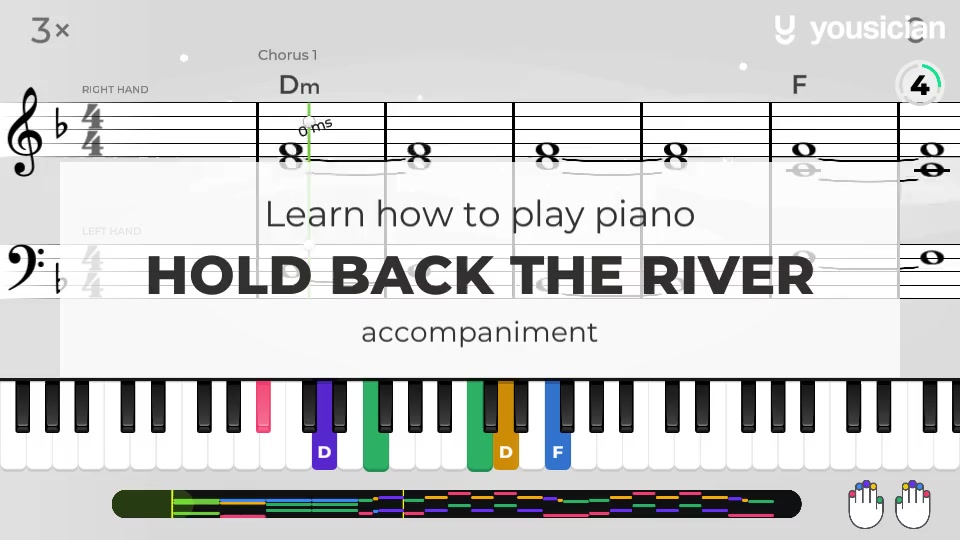
- MIDI files: isolate hands or loop hard passages.
- Apps for spaced repetition: schedule recall sessions.
- Backing tracks and play-alongs: simulate performance scenarios.
These tools speed learning and help you internalize sections. They also let you practice away from the piano using recordings and visualization.

My personal experience: what worked for me
I learned a 7-minute Romantic work mostly away from the piano during a train trip. I used repeated listening, mental rehearsal, and short physical sessions. I mapped the harmony and practiced hard sections in 30-minute focused bursts. When I returned to the piano I combined chunks and did random-entry recalls. The piece was performance-ready in two weeks.
Lessons learned:
- Less is more: short, focused sessions beat long unfocused practice.
- Mental practice counts: I learned entire sections in my head.
- Performance simulation matters: I now rehearse standing and without music to build confidence.
These experiences shaped how I teach students to memorize and are central to how to memorize piano pieces faster without sheet music.
Quick PAA-style questions
What if I forget a bar during performance?
Stay calm, listen for harmonic cues, and continue. Often your ear and structure will guide you back.
How long should I study each chunk?
Practice until you can play it three clean times in a row slowly. Then increase speed.
Can I memorize sight-reading pieces quickly?
Yes, use chunking and immediate recall drills. Prioritize melody and harmony over every note.
Frequently Asked Questions of how to memorize piano pieces faster without sheet music
How long does it take to memorize a piece well?
It depends on length and difficulty. For short pieces, days; for long works, weeks of spaced practice and recall.
Is it necessary to analyze the harmony to memorize?
No, but harmony greatly reduces memorization load. Even a simple chord map helps you reconstruct sections.
Should I always use the same fingering?
Yes, consistent fingering builds reliable motor memory and reduces slips during recall.
How often should I test myself from memory?
Daily brief recall is best. Add longer tests at increasing intervals like two days and one week later.
Can I memorize by ear alone without score study?
Yes, especially for simpler or popular pieces. Ear-based memorization shines for jazz and pop. For complex classical works, combine ear training with analysis.
What if I panic on stage and lose memory?
Build recovery strategies: pause, breathe, listen inward, and use harmonic anchors to restart. Practice under pressure to make recovery automatic.
Conclusion
Memorizing piano pieces without sheet music is a skill you can build. Use chunking, hands-separate drills, harmonic maps, visualization, active recall, and spaced repetition. Start small, repeat with intent, and practice under real conditions. Try the step‑by‑step plan here for two weeks and note the progress.
Take action now: pick one piece, apply these drills, and test from memory daily. Share your results or questions below, and subscribe or follow for more practice tips and guided exercises.

Senior Music Reviewer
Alex Carter is a seasoned music reviewer with over a decade of experience in the world of sound and instruments. Passionate about helping musicians and enthusiasts make informed choices, he brings sharp insights and in-depth knowledge to every review. From classical instruments to modern gear, Alex combines technical expertise with a love for music to deliver content that resonates with readers.
As a Senior Music Reviewer and expert author on Tuneluma.com, Alex is dedicated to sharing honest evaluations, practical advice, and thoughtful commentary to guide readers in their musical journey.