How To Fix Uneven Piano Key Response: Quick Repair Tips
Clean, regulate, and replace worn action parts; adjust humidity, level keys, or hire a piano tech.
I’ve tuned and repaired pianos for over a decade, and I’ll guide you through how to fix uneven piano key response clearly and safely. This article covers causes, diagnosis, step-by-step fixes for acoustic and digital pianos, tools, and real-world tips I learned on the job. Read on for practical steps you can take today to restore even feel and reliable playability.

What causes uneven piano key response
Uneven piano key response means some keys feel heavier, lighter, sticky, or slow compared to others. Many factors can cause this. The common causes include:
- Dirt, dust, or foreign objects lodged in the keybed or action.
- Worn felts, bushings, or key pins causing wobble or friction.
- Misaligned or broken action parts like wippens, jacks, or repetition levers.
- Changes in humidity that swell wood and felt.
- Uneven leveling of keys or a warped keybed.
- Electronic sensor faults in digital pianos.
Understanding the root cause helps you decide whether to do a DIY fix or call a pro. Below I show simple checks you can do at home and more advanced repairs that require tools and parts.

Quick diagnosis: how to test uneven keys fast
Begin with a few simple checks. These tests help identify if the problem is mechanical, humidity-related, or electronic.
- Visual scan: Look for obvious debris between and under keys. Check for cracked or loose parts.
- Feel test: Press each key slowly and note which feel sticky, heavy, or slow. Mark problem keys with a small piece of painter’s tape.
- Repeat test: Play trills or rapid scales to see if keys stick or fail to repeat.
- Humidity check: If keys feel tight after a seasonal change, humidity is likely. Use a hygrometer if you can.
- Digital check: On a digital piano, test using built-in diagnostics or MIDI output to compare velocity response.
PAA-style question — Why do keys stick after moving a piano?
Sticky keys after a move usually come from shifted action parts or debris lodged under keys. Humidity changes during the move can also swell wooden parts and felt.
PAA-style question — Can humidity cause uneven key response?
Yes. Changes in humidity can swell or shrink wooden parts and felt, altering lever lengths and friction and causing uneven action.
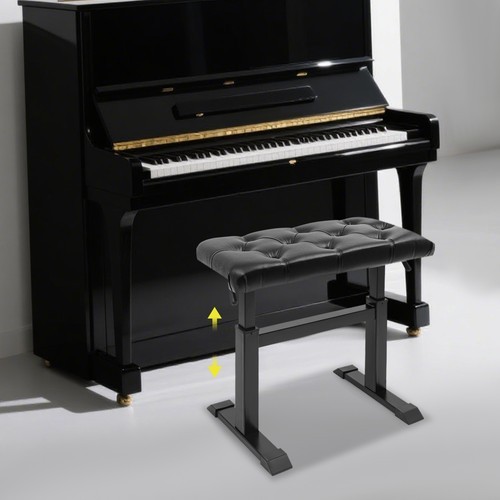
How to fix uneven piano key response on an acoustic piano — step-by-step
Follow these steps in order. Stop if you feel uncertain and call a technician.
-
Prepare and protect
- Work in a clean, well-lit room. Gather a small vacuum with a brush, soft cloths, cotton swabs, and painter’s tape.
- Remove the fallboard (key cover) and music desk if needed for access.
-
Clean under the keys
- Use a soft brush and vacuum to remove dust and debris from the keybed and action. Use cotton swabs dampened with a little distilled water for sticky residue.
- Take care not to touch felt surfaces or delicate regulating springs.
-
Level the keys
- Check key height visually. Minor unevenness can be corrected by sanding or inserting thin shims under key bushings or adjusting key buttons.
- For many uprights, you can remove the action and adjust key bushings or replace worn cloth bushings.
-
Lubricate and replace worn bushings
- If keys rub against guides, re-bush or replace worn bushings. Use proper key bushing cloth and felt; do not use household oils.
- Lightly talc the cloth bushings to reduce friction if needed.
-
Inspect and adjust action parts
- Look at hammers, wippens, jacks, and repetition mechanisms. Bent or misaligned parts cause uneven response.
- Adjust jack height and let-off using regulation screws. For grands, check repetition springs and let-off adjustment.
-
Check hammer alignment and voicing
- Hammers that hit off-center or unevenly can change perceived resistance. Realign shanks and check centers.
- Voicing affects sound, not feel, but overly hard or soft hammers can change how a player perceives resistance.
-
Final regulation and test
- After repairs, regulate key dip, let-off, drop, and repetition. Play scales and pieces to test under musical conditions.
- Re-tune if needed after work that affects string tension or hammer position.
Be conservative on the first attempt. Small adjustments can fix most issues. For major worn parts, source correct replacements from piano supply houses.
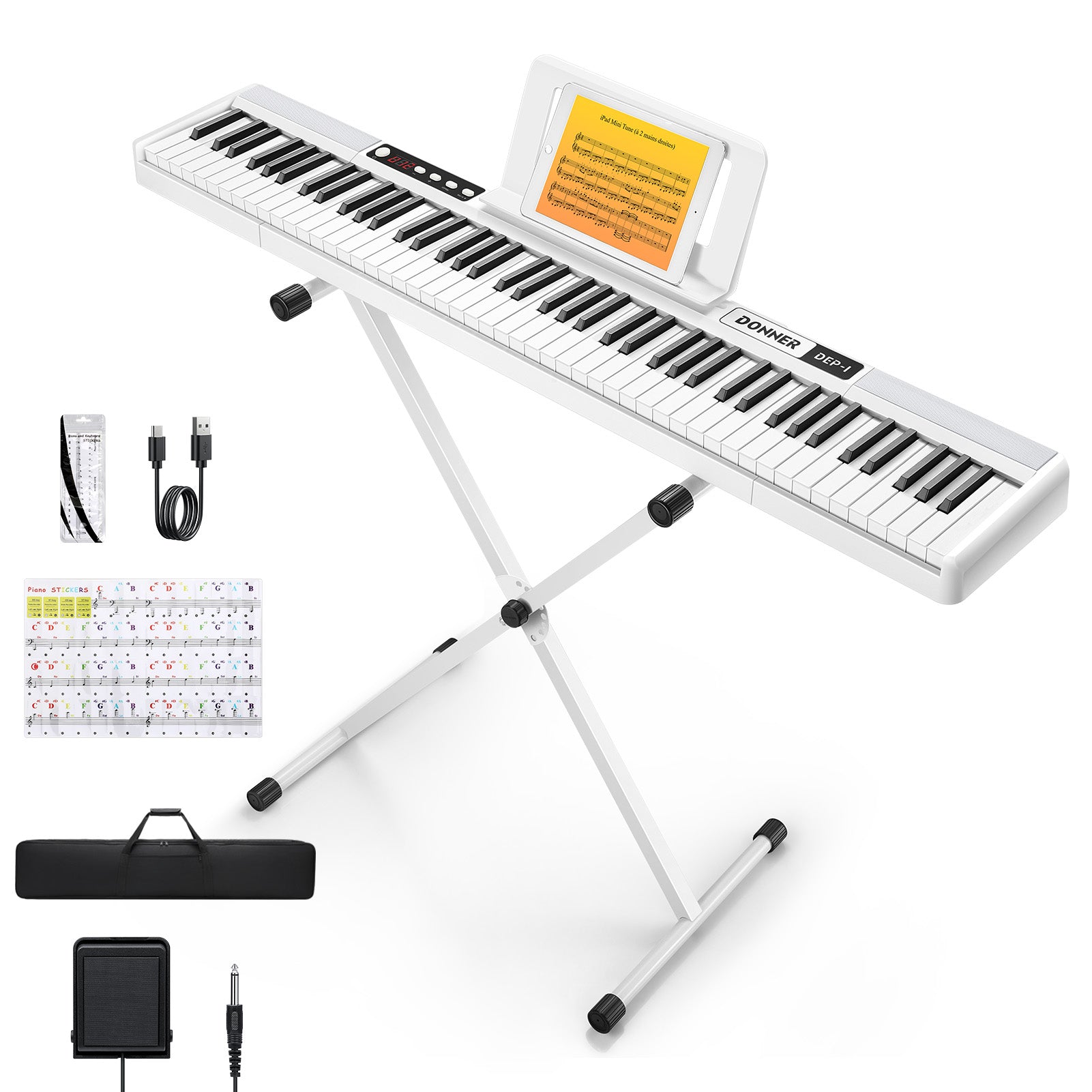
How to fix uneven piano key response on a digital piano
Digital pianos use sensors and mechanical key assemblies. The fixes are often quicker but require care.
- Power cycle and firmware: Restart and update firmware. Some models have velocity calibration tools.
- Clean key sensors: Remove key tops as allowed by manufacturer. Carefully vacuum and blow dust from sensor areas.
- Sensor replacement: If a sensor or contact is faulty, replace the sensor strip or board. Follow the service manual.
- Re-level keys: Tighten or adjust key bushings or guides if the keys wobble.
- Professional service: For complex sensor electronics or when in warranty, use authorized service.
Always follow the manufacturer’s service manual. Many digital pianos have delicate flex boards and small ribbon cables that can be damaged if handled roughly.

Tools and parts you may need
Use proper piano tools. Cheap substitutes can do harm.
-
Basic tools
- Soft brush, vacuum with brush attachment
- Small screwdrivers, needle-nose pliers
- Painter’s tape and soft cloths
- Hygrometer for humidity checks
-
Piano-specific tools and supplies
- Key leveling gauge or small straightedge
- Key bushing cloth and talc
- Replacement felts, hammer shanks, and action screws
- Regulating screwdriver set and feeler gauges
-
For digital pianos
- Small electronics screwdrivers
- Replacement sensors or ribbon cables per service manual
If you are missing a specialized tool, consider borrowing or hiring a pro. I once tried a jammed key repair without the right bushing cloth and ended up replacing several keys. Lesson: the right tools save time and parts.

Maintenance tips to prevent uneven key response
Regular care stops problems from growing. Use simple habits.
- Keep humidity stable
- Aim for 40–50% relative humidity. Use a humidifier or dehumidifier in extremes.
- Clean monthly
- Dust keys and the piano interior lightly every month. Avoid liquids near action parts.
- Schedule regular regulation
- Have a technician regulate action and tune at least once a year for home pianos.
- Handle keys gently
- Avoid dropping heavy items on the keys and don’t lean or press multiple keys hard when moving the piano.
These steps keep action parts in good shape and extend the time between repairs. Small, regular checks catch issues early.

When to call a professional
Some issues need a trained technician. Call a pro when:
- You find broken wood parts, split hammers, or snapped springs.
- Regulation adjustments are beyond simple tweaks or require removing the entire action.
- The piano has structural problems like warped keybeds or a cracked soundboard.
- You’re dealing with complex electronics in a digital instrument under warranty.
- You’re unsure or uncomfortable with the repair steps.
A technician brings experience, tools, and parts. Expect a diagnostic fee, but it often saves money by preventing further damage.

Personal experience, mistakes to avoid, and pro tips
I’ve regulated hundreds of pianos. Here are the lessons I learned on the job.
- Don’t force parts. Forcing screws or pins can strip heads and break wood.
- Mark problem keys. It saves time and prevents missed spots.
- Replace, don’t over-fix. If bushings are crumbly, replace them rather than patching.
- Humidity control is the most cost-effective fix to prevent uneven response.
- Keep a log. Note repairs, parts replaced, and dates to track patterns.
One memorable job involved a customer who had a sticky F# that returned after a DIY fix. A small walnut crumb lodged deep in the action was the real culprit. That taught me to always inspect inside before changing parts.
Frequently Asked Questions of how to fix uneven piano key response
What is the simplest fix for uneven keys?
The simplest fix is to clean under the keys and check for debris. Often dust or crumbs are the main cause and cleaning restores normal feel.
Can I fix uneven keys by myself?
Yes, for simple issues like cleaning, leveling minor key heights, or re-bushing small spots. For broken parts or complex regulation, hire a piano technician.
How long does regulation take?
A basic regulation pass can take 1–3 hours depending on the piano’s condition. Full regulation with repairs and voicing may take longer and often requires multiple visits.
Will humidity control solve all uneven key issues?
Humidity control helps prevent and fix many problems but won’t repair broken parts or badly worn bushings. It is a key preventive measure, not a universal cure.
How much does professional repair cost?
Costs vary by region and the needed work. Minor regulation starts low, while parts replacement and major repairs cost more. Ask for a written estimate before work begins.
Conclusion
Uneven piano key response is common and usually fixable. Start with simple cleaning, diagnosis, and small adjustments. If the problem is complex or involves broken parts, seek a trained technician. With regular maintenance, stable humidity, and the right tools, you can keep your piano feeling even and responsive for years. Try the steps here, track changes, and share your experiences or questions below — I’ll help where I can.

Senior Music Reviewer
Alex Carter is a seasoned music reviewer with over a decade of experience in the world of sound and instruments. Passionate about helping musicians and enthusiasts make informed choices, he brings sharp insights and in-depth knowledge to every review. From classical instruments to modern gear, Alex combines technical expertise with a love for music to deliver content that resonates with readers.
As a Senior Music Reviewer and expert author on Tuneluma.com, Alex is dedicated to sharing honest evaluations, practical advice, and thoughtful commentary to guide readers in their musical journey.