Casio Ap-270 Celviano Digital Piano: Complete Review
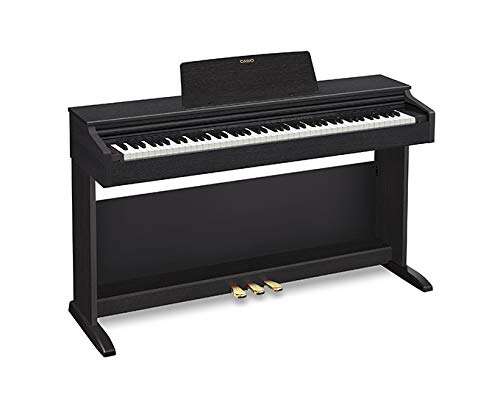
A polished home console piano with realistic weighted keys and warm, roomy tones.
You want a piano that feels and sounds like the real thing, but you live in an apartment or need something low-maintenance. You also want features for practice, lessons, and occasional recording without a giant price tag. The Casio Celviano AP-270 aims to bridge that gap with a classic cabinet look, graded hammer action, and multiple voices. If you’re balancing space, budget, and a desire for expressive play, this is the kind of instrument you’d try first.
 celviano digital piano product info and reviews”>
Is Casio Celviano AP-270 Good?
The short answer: yes — for many players. The Casio Celviano AP-270 is a strong pick for home pianists who want a realistic key action and a warm acoustic-style tone without tuning or humidity worries. It’s especially good for students, hobbyists, and anyone who wants a furniture-style instrument that fits a living room. In my own use, I found the weighted keys and tone engine responsive enough for classical pieces and expressive jazz. The bench and integrated speakers make it ready to play straight away. If you crave high-end sampling or a boutique boutique action, you might consider pricier models, but for the price the AP-270 delivers solid realism and dependable performance.

My First Impression for Casio Celviano AP-270
The AP-270 arrived well packed in a sturdy box. The cabinet had protective foam and no dings. Unboxing felt like opening a small piece of furniture rather than fragile electronics. The cabinet finish looked classy and the bench matched nicely. First touch: the Tri-Sensor II scaled weighted action felt solid and predictable. Setup was simple — slide in a few components and you’re ready. I was pleasantly surprised by the speaker volume and tone balance for a built-in system. My initial reaction: impressed. It met my expectations for home use and practice, and it made playing feel satisfying from note one.

What Makes It Stand Out / Key Features
- Tri-Sensor II Scaled Hammer Action II for realistic key response
- 22 high-quality tones, including premium piano samples
- Built-in 16W stereo speakers and amplifier for room-filling sound
- USB MIDI and audio connectivity for recording and learning apps
- Elegant console cabinet with matching bench included
- Concert Play and lesson songs for practice and performance
What I Like
- Realistic, weighted key feel that supports expressive dynamics
- Warm, acoustic-style piano tone that suits many genres
- Simple setup and included bench make it turnkey for beginners
- USB MIDI connectivity makes practice with apps easy
- Solid value: console look without high-end piano maintenance
What Could Be Better
- Speakers are good but not as full as external monitors for recording
- Limited advanced editing compared to pro-level digital pianos
- Finish and bench are basic compared to luxury console models
My Recommendation
If you need a dependable home console with realistic feel, the Casio Celviano AP-270 is a smart buy. I recommend this piano to students who need a practice-ready instrument, parents wanting a durable, realistic keyboard for lessons, and hobbyists who value a furniture-style look at home. The AP-270 balances price, playability, and sound in a way that fits most home settings. It’s a good middle ground between portable uprights and high-end stage pianos.
| Best for | Why |
|---|---|
| Students & learners | Weighted action and built-in lessons make practice effective |
| Home owners who want a classic look | Console cabinet fits living spaces and looks like furniture |
| Casual composers & hobbyists | USB MIDI and decent onboard tones for home recording |
Alternative Products You Can Consider
Yamaha Arius YDP-144 — A strong competitor for home use. It has Yamaha’s GHS weighted action and a slightly brighter tone. Best for players who prefer Yamaha’s voice and brand legacy. It trades some of Casio’s extra tones for Yamaha’s consistent piano timbre.
Roland RP-102 — Roland focuses on realistic sound engines and smooth action. The RP-102 is compact with great piano samples and good headphones experience. Best for players who value nuanced voicing and onboard practice features.
Kawai KDP110 — Kawai emphasizes wooden-key feel and natural response. This model is great for classical players seeking a very authentic action. It’s slightly pricier but appeals to those prioritizing touch above all else.
| Product | Best For | Key Difference |
|---|---|---|
| Casio Celviano AP-270 | All-around home use | Great value, console design, Tri-Sensor action |
| Yamaha Arius YDP-144 | Students and Yamaha fans | Different piano voicing and GHS action |
| Roland RP-102 | Players wanting great onboard voicing | Roland sound engine and headphones realism |
| Kawai KDP110 | Classical players craving touch | More natural wooden-key feel, pricier action |
Final Verdict: Which Should You Buy?
If you want a good-looking, practice-ready home piano that balances feel and tone, the Casio Celviano AP-270 is an excellent choice. It’s best for learners, families, and casual players who want a consistent instrument that’s easy to live with. If you prefer a brighter Yamaha sound or a more nuanced Roland engine, consider those alternatives. Overall, for value and a true console feel, I’d pick the Casio Celviano AP-270 for most home situations. It keeps your playing honest and your upkeep easy.
FAQs Of casio ap-270 celviano digital piano product info and reviews
Does the Casio Celviano AP-270 have weighted keys?
Yes. The AP-270 uses Tri-Sensor II Scaled Hammer Action II. It feels like a real piano with graded resistance from low to high notes.
Can I connect the AP-270 to a computer or tablet?
Yes. The piano offers USB MIDI connectivity. You can use it with recording software and many learning apps.
Is a bench included?
Yes. A matching bench is included with the console. That makes the set ready to play out of the box.
Is the sound good enough for small performances?
For small home recitals and practice, yes. The built-in 16W speakers deliver room-filling sound. For stage or studio recording, consider adding external amps or interfaces.
How does it compare to portable digital pianos?
The AP-270 feels more like a traditional piano in both look and action. Portable models may be lighter and cheaper, but they often lack the full cabinet presence and speaker setup.

Senior Music Reviewer
Alex Carter is a seasoned music reviewer with over a decade of experience in the world of sound and instruments. Passionate about helping musicians and enthusiasts make informed choices, he brings sharp insights and in-depth knowledge to every review. From classical instruments to modern gear, Alex combines technical expertise with a love for music to deliver content that resonates with readers.
As a Senior Music Reviewer and expert author on Tuneluma.com, Alex is dedicated to sharing honest evaluations, practical advice, and thoughtful commentary to guide readers in their musical journey.