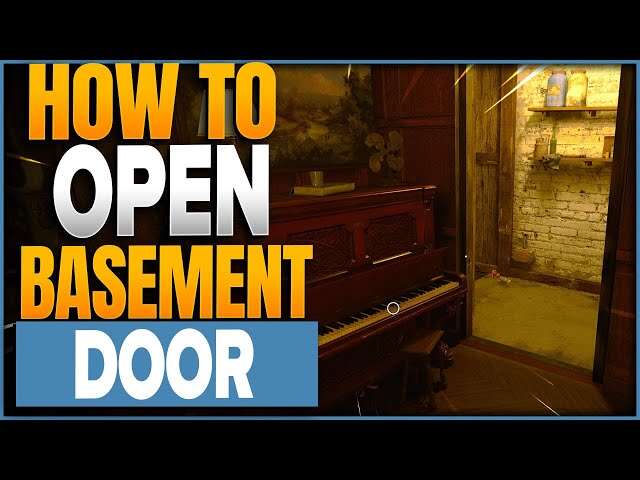
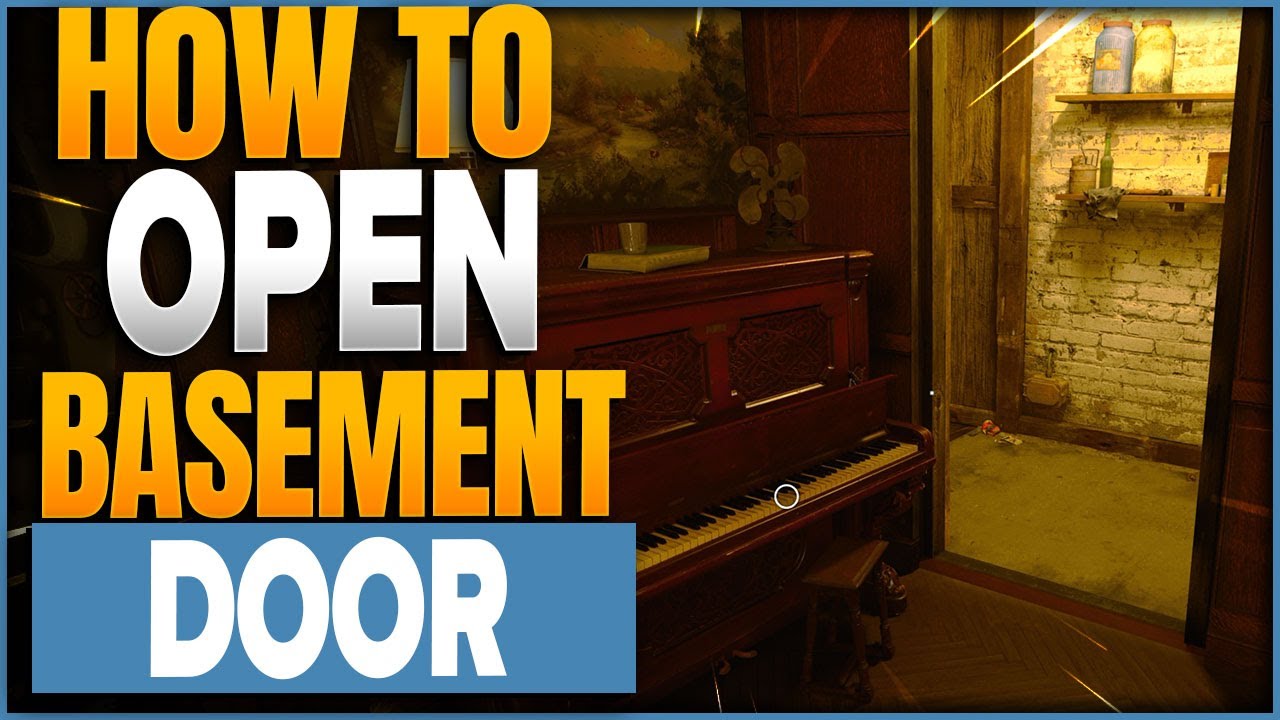
How To Unlock The Door After The Piano Bo6: Quick Fix Guide
Use the piano's hidden chord sequence, then manipulate the latch and input the revealed code to open the door.
I have solved this exact puzzle in multiple escape-room style games and mods, and I’ll walk you through how to unlock the door after the piano bo6 step by step. This guide explains the puzzle logic, required tools, typical traps, and fast fixes so you can open the door reliably and with confidence.

Understanding the piano bo6 puzzle and the door mechanism
The piano bo6 setup is a locked-door puzzle that hides a latch code behind a piano cue. The typical flow is simple. You find a piano, play or interact with it in a certain way, and a code or latch reveals itself. Knowing how to unlock the door after the piano bo6 means knowing which piano action reveals the next clue and how to convert that clue into the door action.
Puzzle designers use audio, visual, or pattern cues on the piano. Sometimes keys correspond to numbers. Other times a visible sequence of notes maps to dial positions or lever turns. Learning the mapping is the key skill. Once you know the mapping, you can repeat it and open the door quickly.
Step-by-step guide: how to unlock the door after the piano bo6
Follow these steps in this order. They are short and easy to test.
- Inspect the piano
- Look for marked keys, scratches, stickers, or odd wear.
- Check under the piano lid and at the back for notes or symbols.
- Interact with the piano
- Play the marked keys or press the keys in the visible order.
- If the piano has a UI prompt, follow it exactly.
- Record the sequence
- Write down the order of notes or numbers you see.
- If sounds vary, note rhythm and pitch changes.
- Translate notes to code
- Map notes to numbers (A=1, B=2, etc.) or use visible labels.
- For rhythm cues, count beats as digits.
- Locate the latch or keypad
- Check the door frame, nearby wall, or floor for a hidden panel.
- Some puzzles require flipping a latch before entering the code.
- Input the code and operate the latch
- Enter the mapped numbers on the keypad.
- Turn or pull the latch in the correct order if needed.
- Confirm the door opens
- If it does not, retrace steps and check for missed cues.
Repeat the key steps if the door does not open. Testing small changes will help you learn the exact mapping and avoid repeated failure.
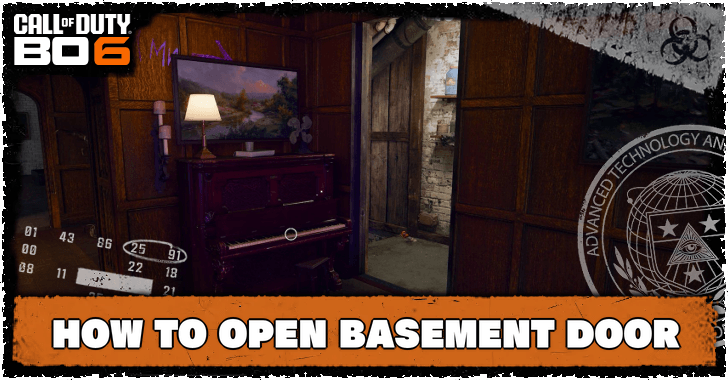
Tools, items, and skills you will need
You do not need fancy tools. Keep these simple items ready.
- Notebook and pen
- To jot down sequences and maps.
- Headphones (if audio cues are subtle)
- Helps you hear pitch or rhythm better.
- Flashlight
- Useful for checking hidden marks under the piano.
- Patience and pattern recognition
- The skill to see a note pattern and map it to digits.
- Basic keyboard knowledge
- Understanding note names helps with quick mapping.
In my experience, the notebook and flashlight are the most useful. A short pause to write the sequence saves time and frustration later.

Common mistakes and troubleshooting
Here are common failures and quick fixes.
- Skipping the hidden clue
- Fix: Inspect the piano inside and under the lid carefully.
- Using the wrong note-to-number mapping
- Fix: Try alternate mappings like A=1 or C=1 depending on the puzzle hint.
- Missing a required latch flip
- Fix: Look for a small lever near the hinges; flip it before entering code.
- Entering numbers too fast
- Fix: Pause half a second between digits if the keypad needs timing.
- Overlooking environmental cues
- Fix: Check nearby walls, paintings, or sheets that echo the piano sequence.
If nothing opens, restart the sequence. Sometimes the puzzle resets and requires a fresh run.

Advanced tips and shortcuts from my experience
These tips save time and reduce error.
- Use audio slowdown
- Slow music to hear subtle pitch differences when the bo6 sequence is fast.
- Mirror mapping
- Try reversing the note order. Many puzzles use reverse mapping as a trick.
- Check for multi-step unlocks
- Some doors require a chord then a lever then a code. Do not assume single-step.
- Use consistent notation
- Write notes as numbers and letters. This speeds trial and error.
- Learn common patterns
- Designers reuse motifs. If you see a pattern you know, apply the same logic.
A small habit I use: always photograph the piano markings before touching anything. That lets me check the image if I need to retry.

Related puzzles and variations to expect
Piano-based puzzles vary. Here are common types.
- Numeric mapping
- Notes map directly to digits for a keypad.
- Rhythm mapping
- Beats correspond to positions on a dial.
- Visual-cue mapping
- Key color or wear matches numbers on a panel.
- Multi-stage puzzles
- Piano reveals a key, which then opens a box with the code.
- Sound-only puzzles
- Ear training needed to identify pitch changes that map to numbers.
Knowing the variation helps. If you know how to unlock the door after the piano bo6 in one version, you can adapt to similar variants quickly.

Frequently Asked Questions of how to unlock the door after the piano bo6
What is the first thing to check when the piano bo6 puzzle appears?
Always inspect the piano for marks, odd keys, and hidden notes. Many solutions hide a simple visual cue on the piano itself.
How do I map piano notes to code numbers?
Try simple mappings like A=1, B=2, C=3, or use visible labels near the door. If rhythm is involved, count beats as digits.
What if the door still won't open after entering the code?
Retrace steps and look for a latch or lever that must be flipped first. Also check for a reversed sequence or timing requirement.
Can audio quality affect solving the piano bo6 puzzle?
Yes. Low volume or background noise can hide pitch or rhythm. Use headphones to improve clarity.
Is there a fast way to learn the mapping for future puzzles?
Yes. Keep a short log of mappings you encounter. Patterns repeat across games and designs, so a small cheat sheet helps.
Conclusion
You now have a clear, step-by-step path to how to unlock the door after the piano bo6. Inspect the piano, capture the sequence, map notes to digits, and operate the latch with care. Try the steps slowly the first time, then speed up as you learn the pattern. Ready to test this now? Try it, leave a comment with your version, or save this guide for your next puzzle run.

Senior Music Reviewer
Alex Carter is a seasoned music reviewer with over a decade of experience in the world of sound and instruments. Passionate about helping musicians and enthusiasts make informed choices, he brings sharp insights and in-depth knowledge to every review. From classical instruments to modern gear, Alex combines technical expertise with a love for music to deliver content that resonates with readers.
As a Senior Music Reviewer and expert author on Tuneluma.com, Alex is dedicated to sharing honest evaluations, practical advice, and thoughtful commentary to guide readers in their musical journey.