How Tall Is A Guitar: Standard Sizes And Quick Guide
Most full-size guitars stand about 38 to 41 inches tall (96–104 cm).
I’ve spent years teaching, repairing, and playing guitars, so I know how confusing size terms can be. This article breaks down exactly how tall is a guitar, why that number matters, and how to pick the right size for your body, age, and playing style. I’ll explain measurements like overall length, scale length, and body depth in simple terms, share real-world tips from my experience, and answer common questions so you can measure, compare, and choose with confidence. Read on to get clear, practical answers.

Standard guitar sizes and typical heights
Guitar height usually means overall length from the tip of the headstock to the bottom of the body. For most players, this is the number they care about. Here are typical overall lengths and related size notes.
-
Classical (full size)
- Overall length: about 39 to 40 inches (99–102 cm)
- Scale length: usually 650 mm (25.6 inches)
- Common for fingerstyle and nylon-string players
-
Steel-string acoustic (dreadnought / folk)
- Overall length: about 40 to 41 inches (102–104 cm)
- Scale length: 24.75 to 25.5 inches
- Popular for strumming and flatpicking
-
Jumbo acoustic
- Overall length: about 41 inches (104 cm) or slightly more
- Larger body depth for volume and bass response
-
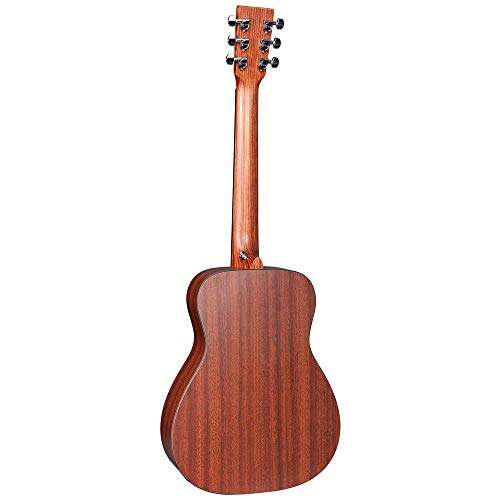
Parlor and travel acoustics
- Overall length: 34 to 38 inches (86–97 cm)
- Good for small players and travel
-
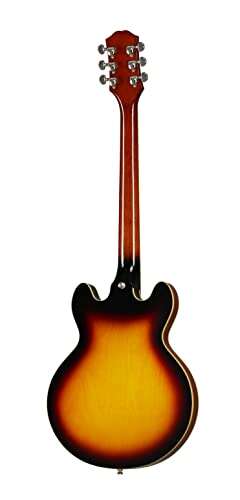
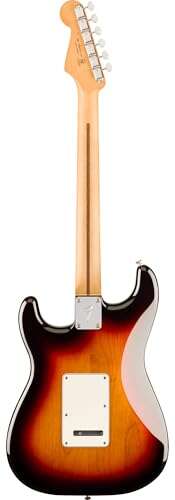
Full-size electric guitars (solid-body)
- Overall length: about 38 to 39 inches (96–99 cm)
- Examples: many guitars fall in this range despite slimmer bodies
-
3/4 and student-size guitars
- Overall length: 34 to 36 inches (86–91 cm)
- Made for kids and small adults
When you ask how tall is a guitar, the short answer depends on the model. Most full-size acoustics and electrics sit between 38 and 41 inches.
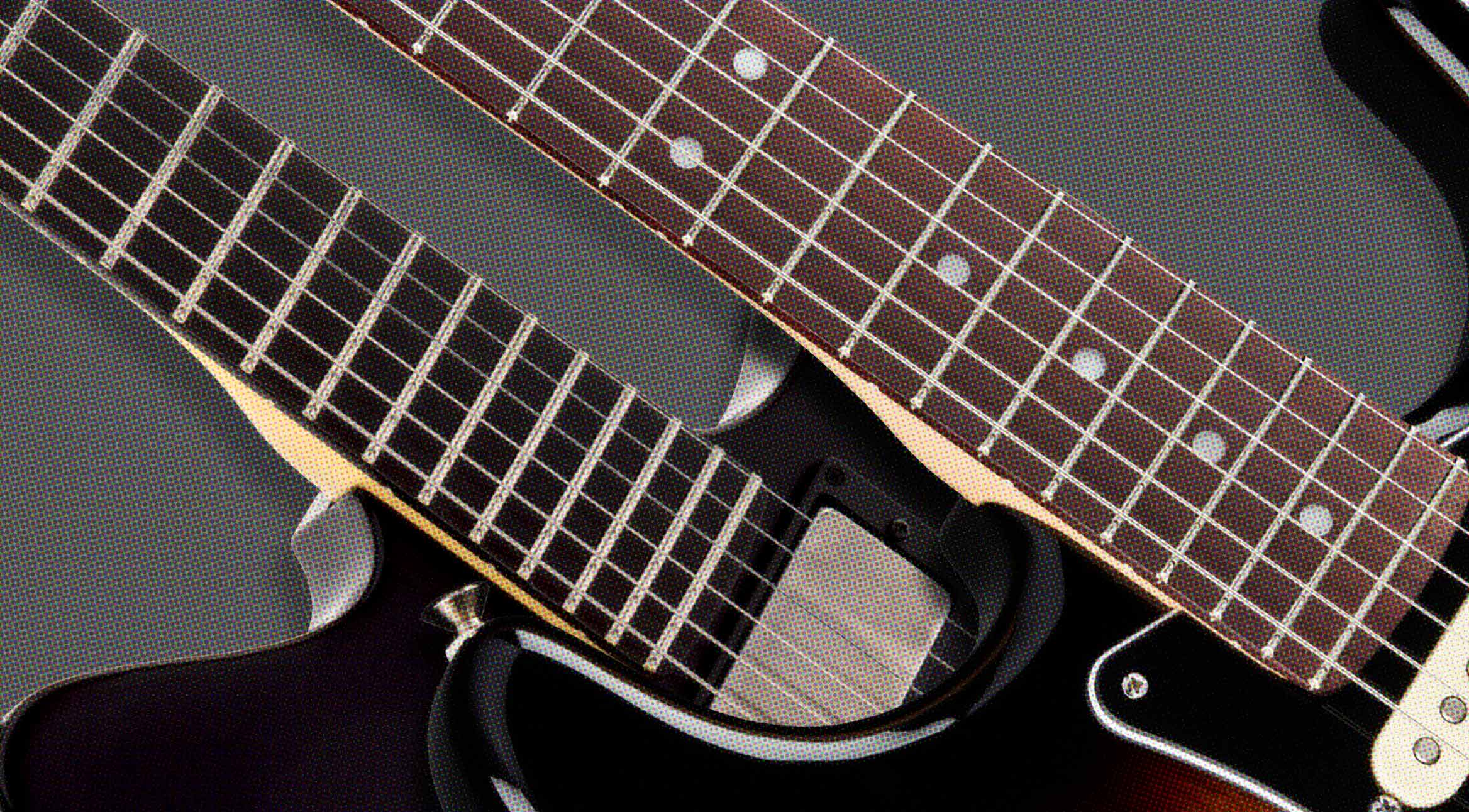
What “height” can mean: overall length, scale length, and depth
People use the word tall in different ways. Knowing which measurement you need helps you buy and set up a guitar.
-
Overall length
- Measured from headstock tip to bottom of the body
- Best for case size and transport decisions
-
Scale length
- Measured from the nut to the saddle
- Affects string tension, playability, and fret spacing
- Common values: 24.75", 25.0", 25.5", 650 mm
-
Body depth
- Thickness of the body from top to back
- Affects comfort, resonance, and tone
-
Neck profile and thickness
- Not a “height” but influences how tall the guitar feels in the hand
If you want to know how tall is a guitar for playing comfort, consider scale length and body depth as well as overall length.

How to measure your guitar step-by-step
Measuring a guitar is simple. Gather a tape measure and follow these steps.
- Measure overall length
- Place the guitar flat.
- Measure from the tip of the headstock to the bottom of the body.
- Measure scale length
- Measure from the nut’s front edge to the saddle’s center.
- Multiply millimeters to inches if needed.
- Measure body depth
- Measure at the deepest point on the body’s side.
- Record neck thickness if needed
- Measure at the first and twelfth frets for comparison.
A quick check answers many questions about fit and case size. If you’re selling or buying, include all four measurements.

People also ask
How does scale length affect feel?
A longer scale increases string tension at the same pitch and makes frets slightly farther apart. Players with large hands often like longer scale lengths for clarity and tension.
Is body depth related to loudness?
Deeper bodies usually produce more bass and volume in acoustics. But top wood, bracing, and construction also matter.
Choosing the right size for kids and adults
Size matters for comfort. Use these practical guidelines.
- Children under 7
- Use 1/2 or 3/4 size guitars. They are easier to hold and play.
- Age 8–11
- 3/4 or 4/4 depending on height and arm length.
- Teens and adults
- Full-size (38–41 inches) works for most.
- Consider parlor or travel for very small players.
My teaching experience shows that players who start on a comfortable-sized guitar progress faster. Don’t force a child onto a full-size instrument; the correct height and scale prevents bad posture and strain.

Practical tips for buying, traveling, and fitting
Small details help when dealing with guitar height in real life.
- Try before you buy
- Stand and sit with the guitar to test reach and balance.
- Check case and gig bag dimensions
- Cases need a few inches extra beyond overall length.
- Consider a cutaway
- Same overall height but easier upper-fret access.
- For air travel
- Measure and compare with airline seat and carry-on rules.
- Adjust setup for playability
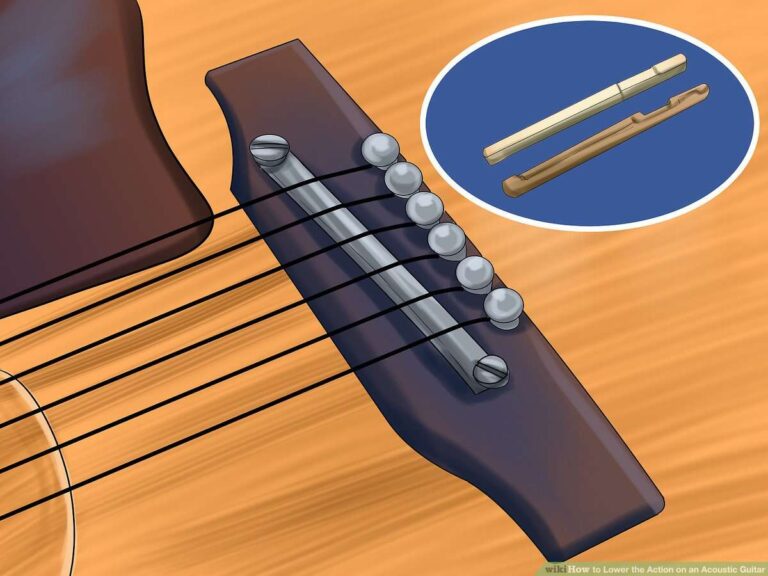
- A proper setup can offset small size issues through action and nut height adjustments.
I once flew with a full-size acoustic in a soft case and regretted it. A compact hard case and measuring the guitar first saved me headaches later.

Common misconceptions about guitar height
Several myths circulate about how tall is a guitar. Let’s clear them up.
- Myth: Bigger equals louder
- Reality: Body size helps volume, but top wood and bracing are critical.
- Myth: Longer scale is always better for tone
- Reality: It changes tone and feel, and preferences vary by player and style.
- Myth: Electric and acoustic sizes are the same
- Reality: Full-size electrics are often shorter overall but feel different due to body shape and weight.
Being precise about what “height” you mean avoids confusion and poor purchases.

Personal experience and lessons learned
I’ve worked on dozens of guitars. Here are things I’ve learned that you can use.
- Measure before buying online
- I once bought a “full-size” guitar that felt tiny because of a shorter headstock.
- Consider scale over overall length
- Students often adapt faster when the scale length fits their hand.
- Comfort beats specs
- A guitar that feels comfortable will get played more. That’s the real measure of success.
These practical lessons come from years of hands-on repair and teaching. Use them to make better choices.
Frequently Asked Questions of how tall is a guitar
What is the average height of a full-size acoustic guitar?
Most full-size acoustic guitars measure about 40 to 41 inches long. This is the typical overall length from headstock tip to body bottom.
How tall is a classical guitar compared to an electric?
A classical guitar usually measures about 39 to 40 inches, while many solid-body electrics are about 38 to 39 inches long. Scale lengths and body shapes differ between them.
How do I measure the scale length of my guitar?
Measure from the front edge of the nut to the center of the saddle. This distance defines the scale length and affects playability.
Is a travel guitar always shorter in height?
Yes, travel guitars are designed shorter and lighter. They often range from 34 to 38 inches in overall length to fit carry-on needs and small rooms.
Can I modify a guitar to make it shorter?
You can’t safely shorten an instrument without major work. Modifying length changes scale and intonation and is usually not recommended.
Conclusion
Knowing how tall is a guitar starts with clear measurements: overall length, scale length, and body depth. Most full-size guitars measure between 38 and 41 inches, while travel and student models are smaller. Choose a size that matches your body, playing style, and travel needs. Measure before you buy, try guitars in person when possible, and prioritize comfort over raw specs. Take action now: measure your current guitar, note the scale length, and use that data when shopping or booking a case. If you found this helpful, leave a comment with your guitar’s size or subscribe for more practical guides.

Senior Music Reviewer
Alex Carter is a seasoned music reviewer with over a decade of experience in the world of sound and instruments. Passionate about helping musicians and enthusiasts make informed choices, he brings sharp insights and in-depth knowledge to every review. From classical instruments to modern gear, Alex combines technical expertise with a love for music to deliver content that resonates with readers.
As a Senior Music Reviewer and expert author on Tuneluma.com, Alex is dedicated to sharing honest evaluations, practical advice, and thoughtful commentary to guide readers in their musical journey.