How To Prevent Guitar Neck From Warping In Humidity: Tips
Keep your guitar at steady 45–50% RH, use a case humidifier, and monitor with a hygrometer.
I’ve worked on and played dozens of guitars for years, and I know how fast humidity can ruin a neck. This guide shows exactly how to prevent guitar neck from warping in humidity. You’ll get clear steps, tools that work, and real tips from hands-on experience so you can protect your guitar and keep it playing true.
Why guitar necks warp in humidity
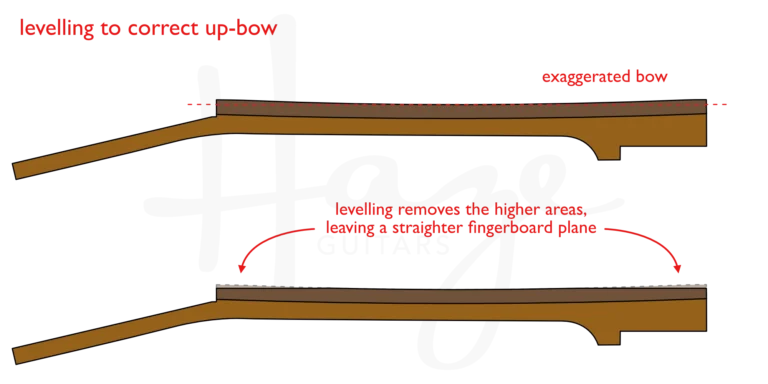
Wood swells when it absorbs moisture and shrinks when it loses moisture. A guitar neck is made of different woods and glued parts that react at different rates. Uneven movement causes the neck to bow, twist, or develop fret issues. Truss rods and the finish limit movement, but they can’t stop extreme or rapid humidity shifts.
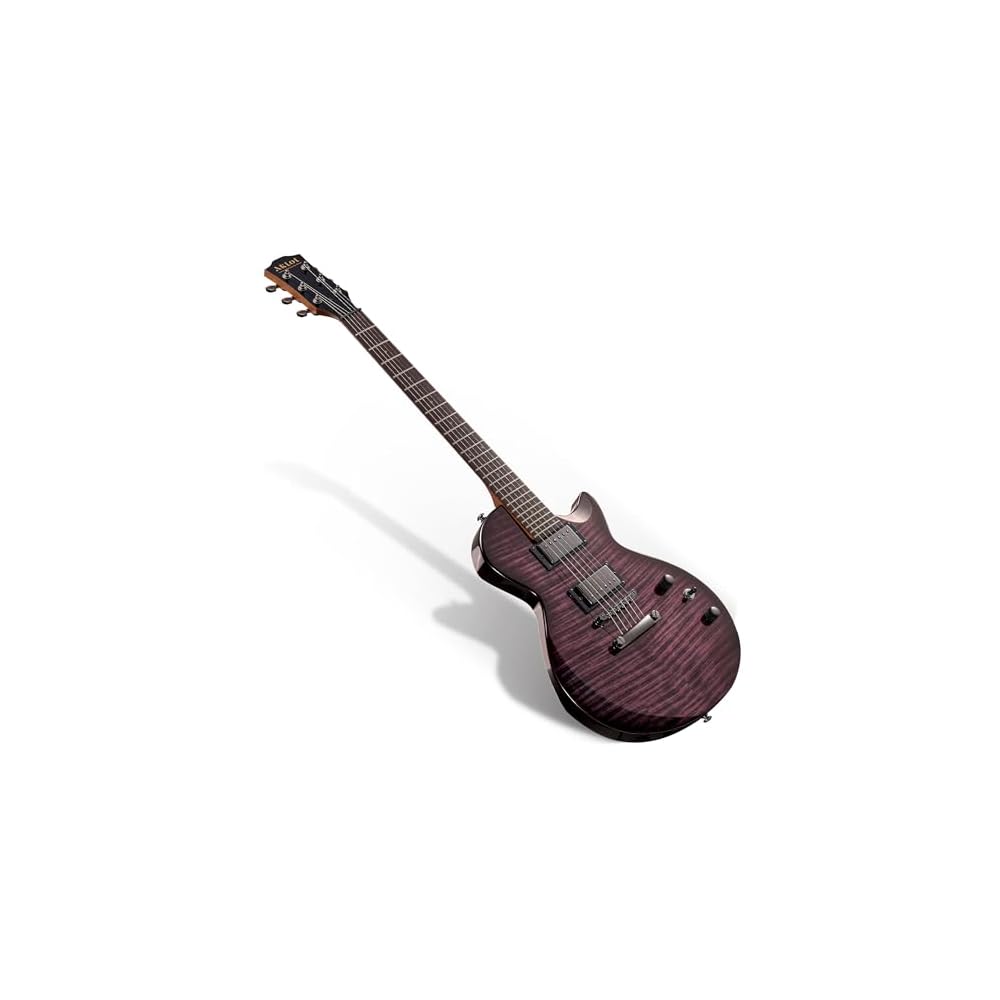
How humidity affects wood and guitars
Relative humidity (RH) tells how much moisture air holds. Guitars do best around 45–55% RH. Higher RH makes the neck swell and can raise action, buzz, or cause a bulge. Lower RH dries wood, causing shrinkage, cracks, sharp fret ends, and a back-bowed neck. Temperature swings also matter because warm air holds more moisture; stable climate control helps more than quick fixes.

How to prevent guitar neck from warping in humidity
Control humidity around the guitar rather than fight the neck. Follow these practical methods to prevent problems and keep a straight neck.
- Keep RH steady between 45–50% for most tonewoods and climates. Many players aim for 45–50% as a safe middle.
- Store the guitar in a hard case with a quality case humidifier. A closed case slows humidity swings and lets the humidifier work.
- Use a reliable digital hygrometer inside the case and one in the room. Check both so you know if the case seals well.
- Use room humidifiers or dehumidifiers as needed. Whole-room control helps if you store multiple guitars.
- Avoid rapid temperature or humidity changes. Don’t leave a guitar in a hot car, attic, or near vents.
- Maintain proper string tension during storage. Loosen strings slightly for long moves between very different climates, but don’t leave them slack for months.
- Keep the finish and fretboard conditioned correctly. Seal-checks and light oils on unfinished fretboards help reduce moisture uptake.
- Get a proper setup seasonally. A luthier can adjust truss rod, action, and frets to compensate for seasonal shifts.
If you want the short method to prevent neck warping: control RH, keep the guitar in a sealed case, and monitor with a hygrometer. Those three steps alone solve most problems I’ve seen in real life.

Practical step-by-step routine to prevent warping
Do this routine weekly or whenever season changes. It’s simple and keeps your guitars safe.
- Check hygrometers. Look at the case and room hygrometer every few days.
- Refill or recharge humidifiers as needed. Keep the case humidifier working so the RH stays steady.
- Inspect the neck and action. Look for new buzzing, high action, or visible bow.
- Adjust string tension if you move the guitar to a very different climate. Slightly reduce tension for very dry moves.
- Book a setup when you see big changes. A pro can re-set relief and check glue joints before damage spreads.
Following this makes a big difference. I once ruined a day of gigs because I ignored step 1. Now I check twice.

Tools and products that help prevent guitar neck from warping in humidity
Good tools are worth buying. They stop stress and save repair costs.
- Digital hygrometers. They give accurate RH and temperature reads. Keep one in the room and one in the case.
- Case humidifiers. Soundhole types and case block types both work when used correctly. Case blocks are great for sealed cases.
- Room humidifier or dehumidifier. These control larger environments where guitars live.
- Hard cases. They slow down humidity swings more than gig bags.
- Guitar stands with covers or a climate-controlled cabinet. Cabinets keep multiple instruments stable.
- Luthier tools and a trusted tech. Annual checks by a pro catch slow changes before they become damage.
Choose quality over cheap gear. I learned that a cheap hygrometer gave me false zeros and cost me a repair bill. Invest once and avoid headaches.

Maintenance, setup, and small adjustments
Small checks can prevent big fixes. Keep this maintenance schedule.
- Monthly: Check case and room RH, refill humidifier, wipe down the guitar.
- Seasonally: Get a setup. Truss rod, action, and nut work keeps playability and prevents stress.
- When moving climates: Let the guitar acclimate for 24–72 hours in its case before tuning up fully.
- Fretboard care: Use light, appropriate oil on unfinished boards once or twice a year. Don’t over-oil.
- Finish checks: Look for cracks or lifting. Finish damage speeds moisture exchange and leads to warping.
If you are unsure about a truss rod turn, stop and call a professional. A small twist can fix many issues; a big twist can make them worse.

Signs of warping and when to seek repair
Watch for these early signs so you act fast.
- Visible bow or twist in the neck when looking down the fingerboard.
- Sudden high action or string buzz in multiple fret zones.
- Dead spots or buzzing that don’t change after tuning or string changes.
- Fret sprout or sharp fret ends, common after dry season shrinkage.
- Finish cracks, glue joint separation, or open seams.
If you see these signs, call a luthier. Small truss rod tweaks, fret dressing, or humidity rehab can save the neck. Major fixes like neck resets are costly but avoidable with care.

My personal experience and practical lessons
I played and repaired many guitars in different climates. I once stored a prized acoustic in a basement with 30% RH for months. The fret ends popped and the neck went back-bowed. I paid for a full setup and fretwork. After that I started a simple habit: a digital hygrometer in every case and a block humidifier. That small change stopped problems for years.
Lessons I learned:
- Don’t trust room RH alone; the case RH matters more.
- Slow changes are less damaging than rapid swings.
- A yearly pro setup is cheap compared to a neck reset.
I share these points because they worked for me and for many players I’ve helped. They will help you prevent guitar neck from warping in humidity too.
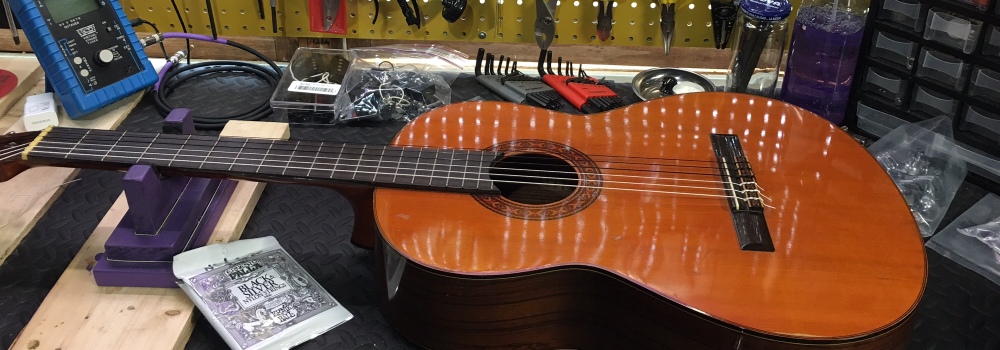
Common mistakes to avoid
Avoid these traps that lead to warping.
- Leaving the guitar in a car, near vents, or in direct sun.
- Relying on a single cheap hygrometer without cross-checks.
- Over-oiling the fretboard, which can trap moisture and swell wood.
- Ignoring small changes in action or buzz; they often get worse.
- Doing aggressive truss rod adjustments without skill.
Fix small problems early. It saves time and money.
Frequently Asked Questions of how to prevent guitar neck from warping in humidity
What RH level is best to prevent guitar neck warping?
Aim for 45–50% RH to prevent most warping and cracking. This range keeps tonewoods stable without encouraging mold.
Can I use a room humidifier instead of a case humidifier?
Yes. A room humidifier works well if the room is small and sealed. For travel or inconsistent rooms, a case humidifier is more reliable.
Should I loosen strings during long storage to prevent warping?
Loosen strings slightly if storing for months in a different climate, but don’t leave them fully slack. Slight tension helps keep neck alignment.
How often should I check humidity inside my case?
Check your case hygrometer weekly, and after any major weather change or long trip. Regular checks catch problems early.
Will a truss rod fix a warped neck caused by humidity?
A truss rod can correct bow and relief, but it cannot fix twisted or severely warped necks. Always consult a luthier for major issues.
Is a hard case necessary to prevent warping?
A hard case is highly recommended because it reduces rapid humidity swings. Gig bags offer less protection, but are better than nothing with added humidifiers.
Conclusion
Protecting a guitar neck from humidity damage is mostly about steady care. Keep RH around 45–50%, store guitars in hard cases with case humidifiers, and monitor with good hygrometers. Small, regular checks and seasonal setups prevent costly repairs and keep the tone and feel you love. Start today by placing a hygrometer in your case and picking a quality humidifier. If this guide helped, leave a comment, share your experience, or subscribe for more gear care tips.

Senior Music Reviewer
Alex Carter is a seasoned music reviewer with over a decade of experience in the world of sound and instruments. Passionate about helping musicians and enthusiasts make informed choices, he brings sharp insights and in-depth knowledge to every review. From classical instruments to modern gear, Alex combines technical expertise with a love for music to deliver content that resonates with readers.
As a Senior Music Reviewer and expert author on Tuneluma.com, Alex is dedicated to sharing honest evaluations, practical advice, and thoughtful commentary to guide readers in their musical journey.