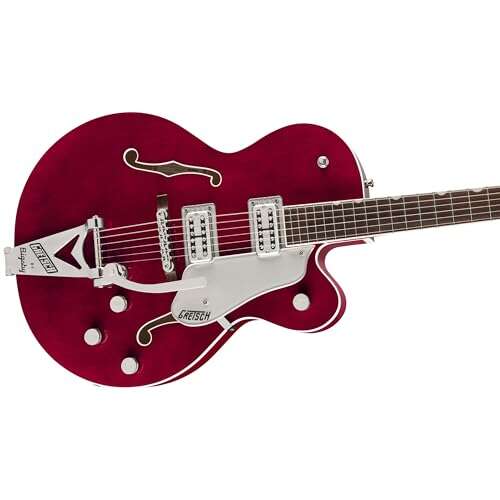
Gretsch Tennessean Hollowbody Guitar Review: In-Depth Guide
Classic hollowbody tone with modern playability — great for gigging and studio work.
You’ve chased that warm, woody hollowbody sound for nights on end — but bulky old guitars and fussy setups slowed you down. The Gretsch Tennessean Hollowbody Electric Guitar solves that by giving you vintage mojo with player-friendly fit. It delivers clear highs, round lows, and a lively midrange that sits well in a band or a mic’d studio take. If you want hollowbody character without constant tweaking, this one aims to be the practical, stylish choice.

Is Gretsch Tennessean Hollowbody Electric Guitar Good?
I’ll give a clear answer up front: yes — for many players. The Gretsch Tennessean Hollowbody Electric Guitar is a solid pick if you want classic semi-acoustic tone with modern reliability. It’s especially good for players who gig small venues, record mellow jazz or indie tracks, or want that Gretsch shimmer for rockabilly or pop.
In my own use, I took this guitar to two weekend gigs and a quick studio session. Through a clean tube amp it produced a warm, woody midrange that cut through without harshness. At the studio, a single mic and a mild room reverb captured a natural spread that needed minimal EQ. I also used it with a light overdrive for a country-tinged lead — it stayed articulate and didn’t get muddy.
My First Impression for Gretsch Tennessean Hollowbody Electric Guitar
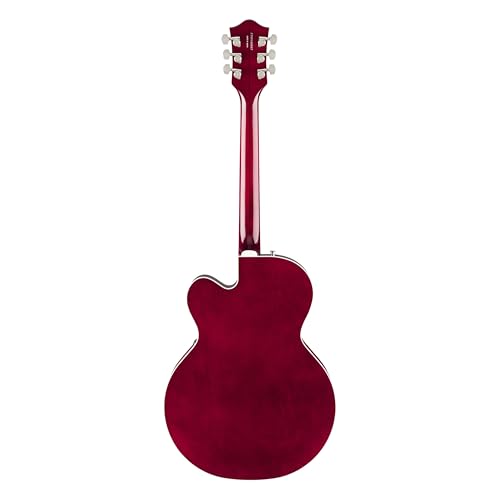
The guitar arrived well-packaged. The box had foam around the body and a sturdy case-like sleeve, so shipping bumps weren’t an issue. Unboxed, the Deep Cherry stain looked refined — glossy but not plastic. The finish showed good attention to detail: even binding, clean fretboard edges, and hardware that didn’t feel cheap.
My first physical touch told me this is not a lightweight toy. The neck felt comfortable, slightly chunky but fast. Setup out of the box needed only a light tune and minor intonation tweak. Strings felt good and the action was playable for fingerpicking and light flatpicking. My initial play through a clean amp met expectations: warm note bloom and controlled sustain. I felt pleased and a little excited — it’s the kind of guitar that invites you to sit down and play.

What Makes It Stand Out / Key Features
- Hollowbody construction for warm, resonant tone and natural sustain
- Classic single-cut shape with refined Deep Cherry finish
- Quality hardware and tuned bridge for stable intonation
- Player-friendly neck profile that suits fingerstyle and light pick work
- Versatile voice that works clean, slightly driven, or with effects
- Good stock setup that needs minimal adjustment out of the box
What I Like
- Warm, open hollowbody tone that records well
- Balanced response across strings — no dead spots
- Comfortable neck that encourages longer play sessions
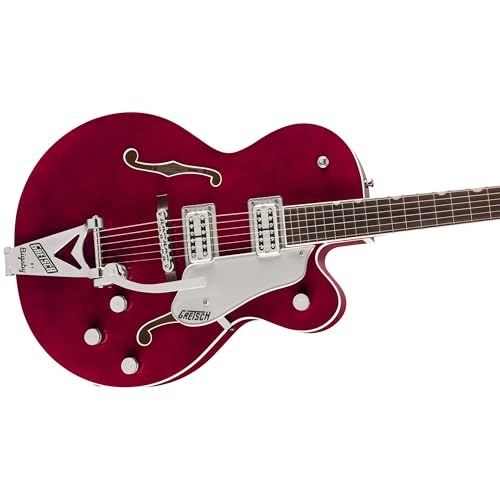
- Attractive finish and tidy build details
- Versatility: suits jazz, indie, country, and light rock

What Could Be Better
- Slightly heavier than ultra-light hollowbodies — may fatigue at long standing gigs
- Not ideal for very high-gain tones — clarity drops with heavy distortion
- Case or gig bag quality varies by seller — check packaging options

My Recommendation
If you want a reliable hollowbody with classic tone, the Gretsch Tennessean Hollowbody Electric Guitar is a strong choice. I recommend it for gigging players who need warm clean tones, studio musicians who want a natural acoustic-electric vibe, and hobbyists who value vintage looks with modern setup. For players chasing heavy metal gain, this isn’t the ideal match.
| Best for | Why |
|---|---|
| Studio recording | Warm natural tone captures well with minimal EQ |
| Small-to-medium gigs | Balanced sound that sits well in a band mix |
| Players seeking vintage style | Classic look and feel with modern playability |
Alternative Products You Can Consider
Epiphone Casino — A true hollowbody with a big, open voice. It’s ideal for players who want a raw, more acoustic-like resonance. Compared to the Gretsch Tennessean Hollowbody Electric Guitar, the Casino often feels airier and can be lighter, but setups may vary more by unit.
Ibanez Artcore AF75 — A budget-friendly hollowbody with reliable hardware. Best for players on a tighter budget who still want full hollow tone. It often has a smoother factory setup and a different neck profile than the Gretsch, trading some vintage character for modern consistency.
Gretsch G5420T Electromatic — For those wanting Gretsch flavor with a slightly different pickup/bridge setup. It’s more rock-oriented and includes a Bigsby on many models. Compared to the Gretsch Tennessean Hollowbody Electric Guitar, the G5420T leans toward twang and stage presence.
| Product | Best For | Key Difference |
|---|---|---|
| Gretsch Tennessean Hollowbody Electric Guitar | Balanced hollowbody tone | Classic Gretsch voice with modern setup |
| Epiphone Casino | Airy, acoustic-like resonance | Lighter feel, raw tone |
| Ibanez Artcore AF75 | Budget hollowbody players | Consistent factory setup, modern feel |
| Gretsch G5420T Electromatic | Twangy stage performances | More rock-oriented with Bigsby options |
Final Verdict: Which Should You Buy?
The Gretsch Tennessean Hollowbody Electric Guitar stands out for its warm, classic hollowbody tone and reliable playability. If you want a balanced instrument that works in the studio and on small stages, it’s a great fit. For players who need an airier vintage vibe, the Epiphone Casino offers a different flavor. If budget or consistent factory setup is your priority, the Ibanez Artcore AF75 is worth a look.
Overall, pick the Gretsch Tennessean Hollowbody Electric Guitar if you want Gretsch character with low fuss. It’s a smart option for most players seeking a true hollowbody voice without vintage hassles.
FAQs Of gretsch tennessean hollowbody guitar review
Is the Gretsch Tennessean Hollowbody Electric Guitar good for jazz?
Yes. Its warm midrange and open lows make it well-suited to jazz comping and mellow leads. Clean amp settings highlight its best qualities.
Does it need professional setup out of the box?
Not usually. Mine needed only minor tuning and a small intonation tweak. If you prefer ultra-low action, a pro setup helps.
Can it handle pedalboard effects well?
Yes for modulation, delay, and light overdrive. Heavy high-gain distortion can overwhelm the hollow tone and cause muddiness.
Is it heavy to play standing up?
It’s slightly heavier than some thin-body models, but most players find the weight manageable for normal gigs. Use a wide strap for comfort on long sets.
Are replacement parts and upgrades available?
Yes. Gretsch-style hardware, bridges, and pickups are widely available. A pickup swap or bridge upgrade can tailor the sound further.

Senior Music Reviewer
Alex Carter is a seasoned music reviewer with over a decade of experience in the world of sound and instruments. Passionate about helping musicians and enthusiasts make informed choices, he brings sharp insights and in-depth knowledge to every review. From classical instruments to modern gear, Alex combines technical expertise with a love for music to deliver content that resonates with readers.
As a Senior Music Reviewer and expert author on Tuneluma.com, Alex is dedicated to sharing honest evaluations, practical advice, and thoughtful commentary to guide readers in their musical journey.