Gibson brings premium tone and build; Epiphone delivers top value and access.
You’re torn between two legends. The epiphone les paul standard vs gibson les paul standard debate hits hard when you want that rich, timeless Les Paul sound without regret. I’ve gigged, recorded, and rehearsed with both. Both are excellent, but one offers pure prestige while the other excels at price-to-performance. I’ll share what I found so you can choose the right one for your music and budget.
Is Epiphone Les Paul Standard Good?
Yes—for many players, the Epiphone Les Paul Standard is more than good. It’s a smart buy. If you want that classic Les Paul voice, a comfy 60s neck, and reliable hardware without breaking the bank, this hits the sweet spot. It suits learners, weekend warriors, and even working players who need a dependable backup or main axe on a budget.
On a bar gig, I paired an Epiphone Standard 60s with a clean tube combo and a light drive pedal. The ProBucker pickups gave me warm, singing mids and a tight low end. Later, I tracked a rhythm part in my small studio. The guitar sat in the mix without fighting the vocal. It stayed in tune all night with only minor tweaks.

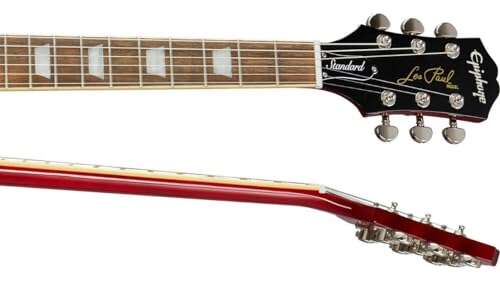
What Makes It Stand Out / Key Features
- Mahogany body with maple cap for classic Les Paul depth and snap
- 60s SlimTaper neck for fast, comfy play
- ProBucker humbuckers for vintage-leaning tone and clarity
- Graph Tech nut and Grover tuners for solid tuning stability
- 500k pots and quality hardware in the Inspired by Gibson line
What I Like
- Feels and sounds close to the “real deal” at a friendly price
- Neck profile is easy to adapt to for long sets
- Pickups handle clean, crunch, and classic rock gain well
- Setup is often good, and small tweaks go a long way
- Reliable build; you can gig it with confidence
What Could Be Better
- Poly finish lacks the “breathing” feel and aging of nitro
- Fret ends and nut slots may need minor attention out of the box
- Slightly less dynamic range compared with Gibson
My Recommendation
If you need the Les Paul sound without the Gibson price, this is the one. Great for first Les Paul buyers, backups, or budget-conscious pros.
| Best For | Why |
|---|---|
| Beginners and students | Playable neck and classic tone at a fair price |
| Working musicians on a budget | Consistent, dependable gigging guitar |
| Home studio players | Tracks well and sits in the mix easily |
Is Gibson Les Paul Standard Good?
Yes—the Gibson Les Paul Standard is exceptional. If you want top-tier tone, feel, and long-term value, it earns its reputation. It’s best for serious players, tone chasers, and anyone who wants the exacting fit, finish, and nuance that made the Les Paul an icon.
I used a Gibson Les Paul Standard 60s on a session where touch response mattered. The Burstbucker-style pickups delivered snap, bloom, and harmonics that jumped out at low and high volumes. On stage, the nitro finish felt alive. Small volume changes cleaned up the sound in a way that felt more “tube amp-like.” It inspired me to play better and bolder.

What Makes It Stand Out / Key Features
- Solid mahogany body with carved maple top for rich sustain
- 60s Slim Taper neck and rosewood fingerboard for fast play
- Burstbucker-style pickups with vintage output and focus
- Hand-wired electronics with quality capacitors and 500k pots
- Nitrocellulose finish that ages and resonates over time
What I Like
- Nuanced dynamics and strong note bloom
- Premium feel from fretwork to finish
- Includes a hard case and strong factory spec
- Great stage presence and inspiring sustain
- Resale value and long-term ownership appeal
What Could Be Better
- High price puts it out of reach for many
- Nitro finish can dent and wear more easily
- Weight can be on the heavier side
My Recommendation
If tone nuance, build excellence, and long-term value matter most, choose Gibson. Ideal for pros and committed players.
| Best For | Why |
|---|---|
| Session and touring pros | Dynamic range and premium reliability |
| Tone chasers | Harmonics, bloom, and expressive response |
| Collectors | Prestige, case, and resale strength |
epiphone les paul standard vs gibson les paul standard: Side-by-Side Test
I tested both across rehearsals, gigs, and home recording. Below are the key differences I felt and measured in real use. This should make the epiphone les paul standard vs gibson les paul standard choice much easier.
Tone & Pickups: Which Sings Better?
Both offer classic Les Paul warmth. The question is nuance and dynamics.
| Aspect | Epiphone Les Paul Standard | Gibson Les Paul Standard |
|---|---|---|
| Pickup Voice | ProBucker: vintage-leaning, smooth mids | Burstbucker-style: airy top, articulate mids |
| Clean Detail | Good clarity, slightly compressed | Excellent detail, more open |
| Gain Response | Handles classic rock with ease | Tighter lows, better note separation |
| Volume/Tone Roll-off | Predictable and musical | More dynamic and expressive |
Rating: Epiphone – 8/10 | Gibson – 9.5/10
Gibson wins for nuance and harmonic detail; Epiphone is close and very musical for the price.
Playability & Neck Feel: Which Feels Faster?
Both 60s necks feel quick; fretwork and setup decide the edge.
| Aspect | Epiphone | Gibson |
|---|---|---|
| Neck Profile | 60s SlimTaper, comfy | 60s Slim Taper, refined |
| Fretwork | Good; may need light polish | Excellent; smooth ends |
| Nut & Slots | Graph Tech; solid | High-quality nut; precise |
| Out-of-Box Setup | Usually good | Often great, minor tweaks |
Rating: Epiphone – 8.5/10 | Gibson – 9/10
Gibson edges ahead with finer fretwork; Epiphone stays fast and friendly.
Build & Finish Quality: Who Nails the Details?
Construction and finish type shape feel and aging.
| Aspect | Epiphone | Gibson |
|---|---|---|
| Finish | Gloss poly, durable | Nitrocellulose, breathes and ages |
| Top/Binding | Clean work, attractive tops | Premium tops, sharp binding |
| Electronics | 500k pots, neat wiring | Hand-wired with premium caps |
| Origin | Asian factories | USA |
Rating: Epiphone – 8/10 | Gibson – 9.5/10
Gibson takes it for finish character and top-tier components; Epiphone feels sturdy and clean.
Hardware & Tuning Stability: Which Stays in Tune?
Both hold tune well with proper stringing and setup.
| Aspect | Epiphone | Gibson |
|---|---|---|
| Tuners | Grover Rotomatics | Grover/High-end factory tuners |
| Bridge/Tailpiece | Solid TOM + stopbar | Premium TOM + stopbar |
| Nut | Graph Tech, stable | Precision-cut, smooth |
| Real-World Tuning | Stable across sets | Very stable; quick recovery |
Rating: Epiphone – 8.5/10 | Gibson – 9/10
Gibson wins by a nose due to nut precision; Epiphone is rock-solid for shows.
Weight, Balance & Comfort: Who Wins on Stage?
Both are traditional single-cuts; weight varies by piece.
| Aspect | Epiphone | Gibson |
|---|---|---|
| Typical Weight | Medium to heavy | Medium to heavy |
| Balance (Strap) | Good; no neck dive | Excellent; steady |
| Long Set Comfort | Good with wide strap | Good; more “alive” feel |
| Body Feel | Classic LP heft | Classic LP heft |
Rating: Epiphone – 8/10 | Gibson – 8.5/10
Gibson feels a bit more responsive; both benefit from a padded strap.
Versatility & Studio Use: Which Records Easier?
Small tone differences matter under mics and in mixes.
| Aspect | Epiphone | Gibson |
|---|---|---|
| Noise Floor | Low | Very low |
| Dynamic Range | Good | Excellent |
| Tone Shaping | Responds well to EQ | Responds great to EQ and mic placement |
| Mix Placement | Sits well | Cuts and blooms |
Rating: Epiphone – 8/10 | Gibson – 9.5/10
Gibson edges it in critical recording due to dynamic nuance; Epiphone still lands strong tracks.
Value for Money & Resale: Where’s the Smart Cash?
Price vs return is the core of epiphone les paul standard vs gibson les paul standard.
| Aspect | Epiphone | Gibson |
|---|---|---|
| Street Price | Budget-friendly | Premium |
| Case | Often sold without hard case | Hard case included |
| Resale Strength | Good for the price tier | Strong over time |
| Overall Value | Outstanding on a budget | High if you need the best |
Rating: Epiphone – 9.5/10 | Gibson – 8/10
Epiphone wins value; Gibson wins prestige and long-term pro appeal.
Final Verdict: Which Should You Buy?
If you want the classic Les Paul tone and feel at a sane price, go Epiphone. It is easy to play, records well, and is great for beginners to gigging players. The epiphone les paul standard vs gibson les paul standard debate leans Epiphone for value.
If you crave nuance, nitro feel, and best-in-class dynamics, choose Gibson. It shines on stage and under microphones. For pros and tone-picky players, Gibson earns the spend in the epiphone les paul standard vs gibson les paul standard matchup.
FAQs Of epiphone les paul standard vs gibson les paul standard
What is the main difference between the two?
Gibson offers finer fretwork, nitro finish, hand-wired electronics, and more dynamic tone. Epiphone delivers very similar looks and strong sound at a far lower price.
Is Epiphone good enough for gigs and recording?
Yes. I’ve gigged and tracked with it. With a good setup, it stays in tune and sits well in a mix.
Why does a Gibson cost so much more?
USA build, nitro finish, premium components, detailed labor, and brand prestige raise the price—and also the nuance in tone and feel.
Do they sound the same in a live mix?
Often, to most ears. The Gibson’s extra detail shows more in quiet rooms, studios, and under careful listening.
Which should a beginner choose in the epiphone les paul standard vs gibson les paul standard?
Start with Epiphone. It’s more affordable, plays great, and leaves budget for lessons and an amp. Upgrade to Gibson when you know what you want.

Leave a Reply