Is Guitar Hero Coming Back: Latest News And Future Updates
Guitar Hero is not officially coming back yet, but signs point to a possible revival in the future.
The question “is Guitar Hero coming back” remains one of gaming’s most searched music game topics. The classic series still has a loyal audience, while newer games have shown that rhythm gaming is far from dead. Here is what we know, what has changed, and how likely a true Guitar Hero revival may be.
Is Guitar Hero coming back?
As of now, Activision has not announced a new mainline Guitar Hero game. There is no confirmed release date, revealed console game, or official launch plan for Guitar Hero 7.
That does not mean the series is permanently over. Guitar Hero remains a valuable name with strong nostalgia, proven sales history, and a fan base that still buys plastic guitars and rhythm games. The main challenge is finding a modern business model that makes sense.
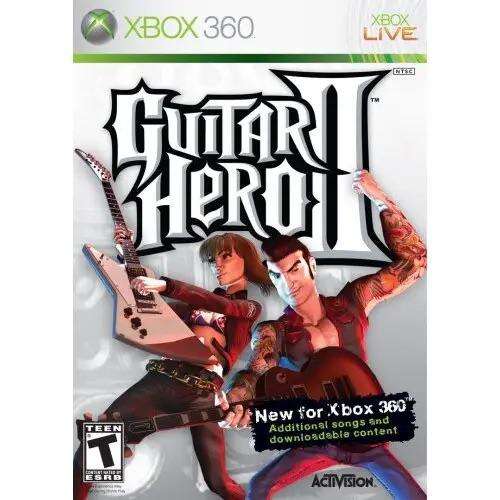
The last major release was Guitar Hero Live, which launched in 2015. It introduced a new six-button guitar and a first-person stage view. The game had fresh ideas, but it did not reach the same cultural level as Guitar Hero III, Guitar Hero World Tour, or Guitar Hero 5.
Why did Guitar Hero disappear?
Guitar Hero became one of the biggest music game brands of the 2000s. Players could pick up a plastic guitar, choose a song, and feel like they were on stage. The series also helped popularize music from rock, metal, punk, pop, and alternative bands.
However, several problems hurt the franchise.
• Too many releases arrived in a short period. New Guitar Hero games, spin-offs, and track packs competed with one another.
• Players had to buy new instruments for some entries, which made each release more expensive.
• The plastic instrument market became crowded. Rock Band, DJ Hero, and other music games fought for the same audience.
• Many players lost interest after the novelty faded.
• Licensing popular music can be costly and complex.
• Guitar Hero Live used a new guitar system that was not compatible with older controllers.
Guitar Hero Live also depended heavily on GHTV, an online music video mode. When that service shut down in 2018, a major part of the game disappeared. The remaining offline content still worked, but the experience was much smaller.
The lesson is clear: a new Guitar Hero game needs more than famous songs. It needs a simple product plan, long-term support, and hardware that players can use for years.
What happened to the Guitar Hero franchise?
Activision published the main Guitar Hero games for many years. The company later became part of Microsoft after Microsoft completed its acquisition of Activision Blizzard in 2023.
That ownership change created fresh speculation. Microsoft now controls major gaming properties, while Activision has access to established franchises, online services, and a large console and PC audience. Still, ownership alone does not confirm that Guitar Hero is returning.
The original development team also changed. Harmonix, the studio behind several Rock Band games, was acquired by Epic Games in 2021. Harmonix later worked on Fortnite Festival, a music mode inside Fortnite.
Fortnite Festival is important because it shows that rhythm games can work in a modern service. Players can perform songs, play with friends, and access content through a game that already has a massive global audience. It also shows why a future Guitar Hero game might not look like the old series.

Could Fortnite Festival replace Guitar Hero?
Fortnite Festival is not Guitar Hero, but it serves a similar purpose. Both games turn music into an interactive performance. Both can support licensed songs, multiplayer play, leaderboards, and seasonal content.
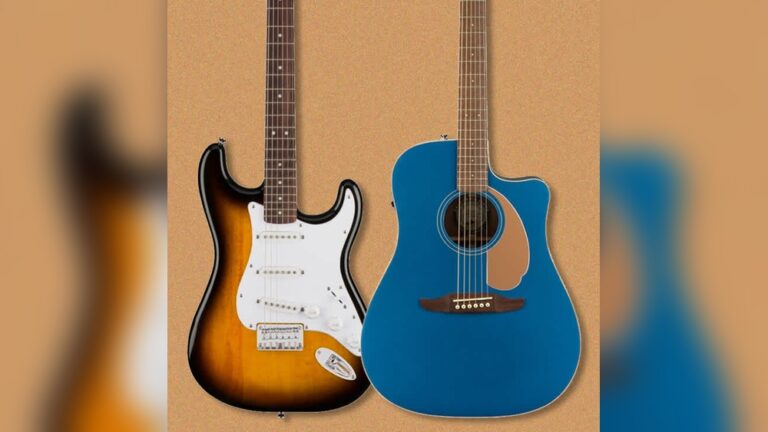
The biggest difference is hardware. Fortnite Festival works with standard controllers, keyboards, and some guitar controllers. Classic Guitar Hero required a special plastic guitar with colored fret buttons and a strum bar.
This difference matters. A standard controller makes the game easy to access, but it may not create the same physical feeling. The old guitar controller was like a key that unlocked the fantasy. Without it, the game can feel more like a music mini-game.
A future Guitar Hero could learn from Fortnite Festival in several ways:
• Use digital song purchases or a subscription library.
• Add regular online events and new content.
• Support cross-play across consoles and PC.
• Allow players to use older guitar controllers where possible.
• Build a social space for bands, tournaments, and live shows.
• Offer a free entry point with optional song packs.
Fortnite Festival may reduce the urgency for Activision to produce a separate music game. At the same time, its success could prove that the market is ready for another large rhythm franchise.
What would a new Guitar Hero game need?
A successful revival would need to respect the past without copying it exactly. Players want the familiar guitar experience, but they also expect modern features.
Better controller support
The guitar controller is central to the series. A new game should ideally support a new wireless guitar while also working with older hardware through adapters or Bluetooth.
Compatibility would help avoid one of the biggest mistakes from the past. Players do not want to buy a new instrument every time the game changes.
A strong music library
Songs are the heart of any rhythm game. A new Guitar Hero should launch with a mix of well-known hits, deep cuts, current songs, and classic tracks.
A balanced library could include:
• Famous rock songs that players remember.
• Modern pop and alternative music.
• Metal, punk, indie, and electronic tracks.
• Songs from different regions and cultures.
• Family-friendly music for younger players.
• Downloadable song packs that remain playable offline.
Music licensing would still be a major cost. A smart game could reduce risk by combining a carefully selected base library with ongoing additions.
Cross-platform multiplayer
Modern players expect friends to play together even when they own different systems. Cross-play between Xbox, PlayStation, PC, and possibly Nintendo platforms would make a new release much stronger.
Online band play could also return in a better form. Players could join a drummer, bassist, singer, and guitarist in one virtual performance. Shared progress and band challenges would give people a reason to keep playing.
A fair business model
The old model involved buying a full game, plastic instruments, and downloadable songs. That model can work, but only if the value is clear.
Possible options include:
-
A premium game with a large song list and optional expansions.
-
A free-to-play version with rotating songs and paid tracks.
-
A subscription service with access to a large music library.
-
A complete offline edition for players who dislike live-service games.
The best approach may combine these models. Players should be able to enjoy the core game without feeling pressured to spend money every week.
Why fans still want Guitar Hero back
Guitar Hero is more than a rhythm game for many players. It is tied to memories of school parties, family rooms, college apartments, and late-night sessions with friends.
The game made difficult music feel approachable. You did not need years of guitar lessons to play “Through the Fire and Flames” on an easier setting. You could fail, laugh, restart, and slowly improve.
That low-pressure design still has value. Many players discovered real bands through the series. Others used it as a first step toward learning actual guitar, bass, or drums.
The social side also matters. Traditional multiplayer games can be intense, but Guitar Hero created a relaxed form of competition. People could cheer for a friend, swap instruments, and enjoy the same song together.
This emotional connection gives the brand a major advantage. A revival would not start from zero. It would begin with a community that already understands the basic appeal.
Why a comeback is not guaranteed
The nostalgia around Guitar Hero is powerful, but nostalgia does not always become long-term sales. Publishers must consider the cost of hardware, music rights, development, advertising, and online support.