How Big Is Regular Electric Guitar Bag Inches: Size Guide
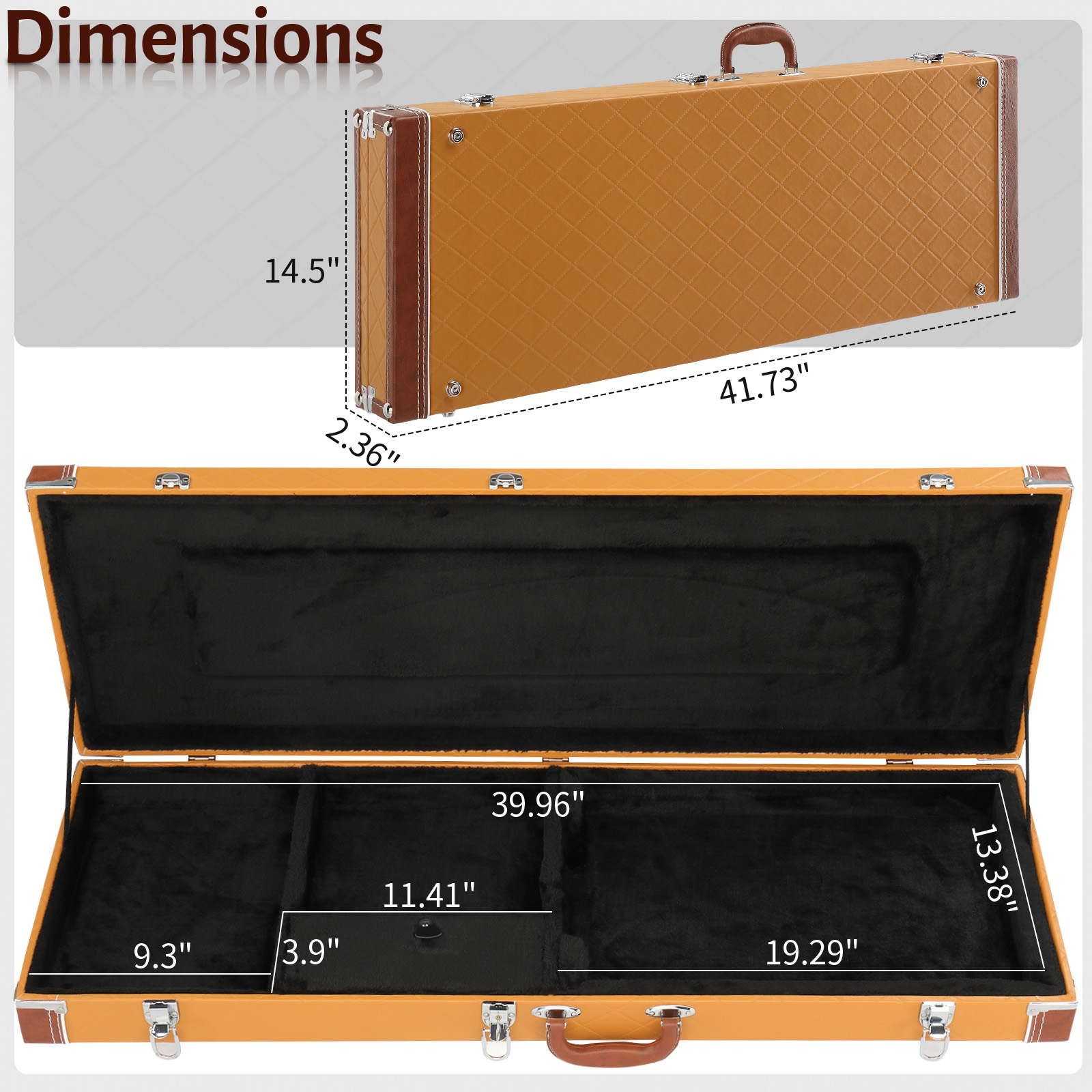
A regular electric guitar bag is usually 42 to 44 inches long, 14 to 16 inches wide, and 3 to 5 inches deep.
If you are asking how big is regular electric guitar bag inches, the answer depends on the guitar shape and the bag design. Most standard gig bags fit common Stratocaster, Telecaster, Les Paul, and similar electric guitars. This guide explains the usual measurements, how to check fit, and what to measure before you buy.

How Big Is a Regular Electric Guitar Bag in Inches?
A regular electric guitar bag is commonly about 42 to 44 inches long on the outside. Its width is often 14 to 16 inches at the widest point, while its depth ranges from 3 to 5 inches.
These measurements describe the bag, not the guitar alone. The bag needs extra room for padding, zippers, pockets, and a headstock area. That is why a guitar that is 39 or 40 inches long may still need a bag that measures more than 42 inches.
Typical regular electric guitar bag dimensions include:
• Length: 42 to 44 inches
• Maximum width: 14 to 16 inches
• Body depth: 3 to 5 inches
• Neck width inside the bag: About 3 to 5 inches
• Headstock area: Often 6 to 9 inches wide
• Weight: Commonly 2 to 5 pounds, depending on padding and hardware
The phrase how big is regular electric guitar bag inches usually refers to a standard soft gig bag for a full-size electric guitar. It does not usually refer to a bass bag, acoustic guitar bag, or molded flight case.
Standard Electric Guitar Bag Dimensions
The best way to understand how big is regular electric guitar bag inches is to separate the key measurements. Length matters most, but width and depth also affect comfort and protection.
Overall length
Most full-size electric guitar bags measure 42 to 44 inches from the bottom edge to the top of the headstock compartment. Some compact bags are closer to 40 inches, while long bags may reach 46 inches.
A standard electric guitar itself may measure around 38 to 41 inches from the bottom of the body to the tip of the headstock. The added length gives the instrument room to sit without pressing against the zipper or top seam.
Overall width
The widest part of a regular electric guitar bag is often 14 to 16 inches. This space is usually found around the lower body, where the guitar has its greatest curve.
A narrow Telecaster-style body may fit a slimmer bag. A wide Les Paul, offset guitar, or instrument with a large body may need a bag closer to 15 or 16 inches wide.
Overall depth
A soft gig bag may be 3 to 5 inches deep when measured across the padded body section. This measurement does not mean the guitar is that thick. It includes the instrument, padding, lining, and extra space.
A heavily padded electric guitar bag can feel much thicker than a thin budget cover. More depth usually means better protection, but it may also make the bag heavier and harder to store.
Why Electric Guitar Bag Sizes Vary
There is no single universal size for every electric guitar bag. Manufacturers use different patterns, padding levels, and shape designs.
The main reasons for size differences are:
• Guitar body shape: A Stratocaster, Les Paul, Jaguar, and Explorer do not have the same outline.
• Headstock size: Large or angled headstocks need more space at the top.
• Padding thickness: Premium gig bags add foam that increases the outside dimensions.
• Storage design: Large front pockets can add width and bulk.
• Neck support: Some bags include thick neck cradles or adjustable straps.
• Intended use: A home-storage bag may be thin, while a touring bag may be heavily reinforced.
This explains why two bags labeled “electric guitar” may differ by several inches. A generic regular electric guitar bag can fit many instruments, but “universal” does not always mean perfect.
In my experience helping players choose cases, the most common mistake is checking only the length. A guitar may fit from end to end but still feel tight around the lower bout, bridge, or headstock.
Common Guitar and Bag Size Examples
The following examples show how big is regular electric guitar bag inches for several popular guitar styles. These are useful estimates, not strict industry rules.
| Guitar style | Approximate guitar length | Common bag length | Common bag width |
|---|---|---|---|
| Stratocaster style | 39 to 40 inches | 42 to 44 inches | 14 to 15 inches |
| Telecaster style | 39 to 40 inches | 42 to 44 inches | 13 to 15 inches |
| Les Paul style | 39 to 40 inches | 42 to 44 inches | 14 to 16 inches |
| SG style | 40 to 41 inches | 42 to 44 inches | 13 to 15 inches |
| Jaguar or Jazzmaster style | 40 to 41 inches | 43 to 46 inches | 15 to 17 inches |
| Explorer style | 41 to 43 inches | 44 to 47 inches | 16 to 19 inches |
These numbers show why body shape matters. An Explorer-style guitar may be too wide or long for a standard bag even when its total length seems similar to a Stratocaster.
A compact travel guitar may need a bag under 40 inches. A full-scale electric guitar with a long headstock may need a larger model.

How to Measure Your Electric Guitar for a Bag
Measuring your guitar takes only a few minutes. Use a flexible tape measure, and keep the guitar flat on a clean surface.
Follow these steps:
-
Measure the total length from the lowest body point to the highest tip of the headstock.
-
Measure the widest part of the guitar body.
-
Measure the body depth at the thickest point, including knobs or a raised bridge.
-
Measure the neck width if the guitar has an unusually wide neck.
-
Measure the headstock width and length.
-
Add about 1 to 2 inches of safe clearance for padding and easy removal.
Do not add excessive room. A bag that is too large allows the guitar to move inside, which can cause bumps and pressure on the headstock.
For example, if your guitar is 40 inches long, a bag with a 42-inch interior may be suitable. If the stated 42 inches refers to the outside length, the usable interior could be smaller.
That distinction is important when researching how big is regular electric guitar bag inches. Always look for interior measurements when the manufacturer provides them.
Interior Size Versus Exterior Size
Many product listings give exterior measurements. Others list the maximum guitar size. These are not the same thing.
A 44-inch-long bag may have an interior length of only 41 or 42 inches because the outer shell includes padding, seams, and protective panels.
Before buying, check whether the listing says:
• Overall bag dimensions
• Interior dimensions
• Maximum instrument length
• Maximum body width
• Maximum body depth
The maximum instrument size is often the most useful number. If a listing does not provide it, contact the seller or compare the return policy before ordering.
A simple rule is to choose a bag with at least 1 inch of extra interior length and about half an inch of extra width. More room is not always better, especially around the neck and headstock.
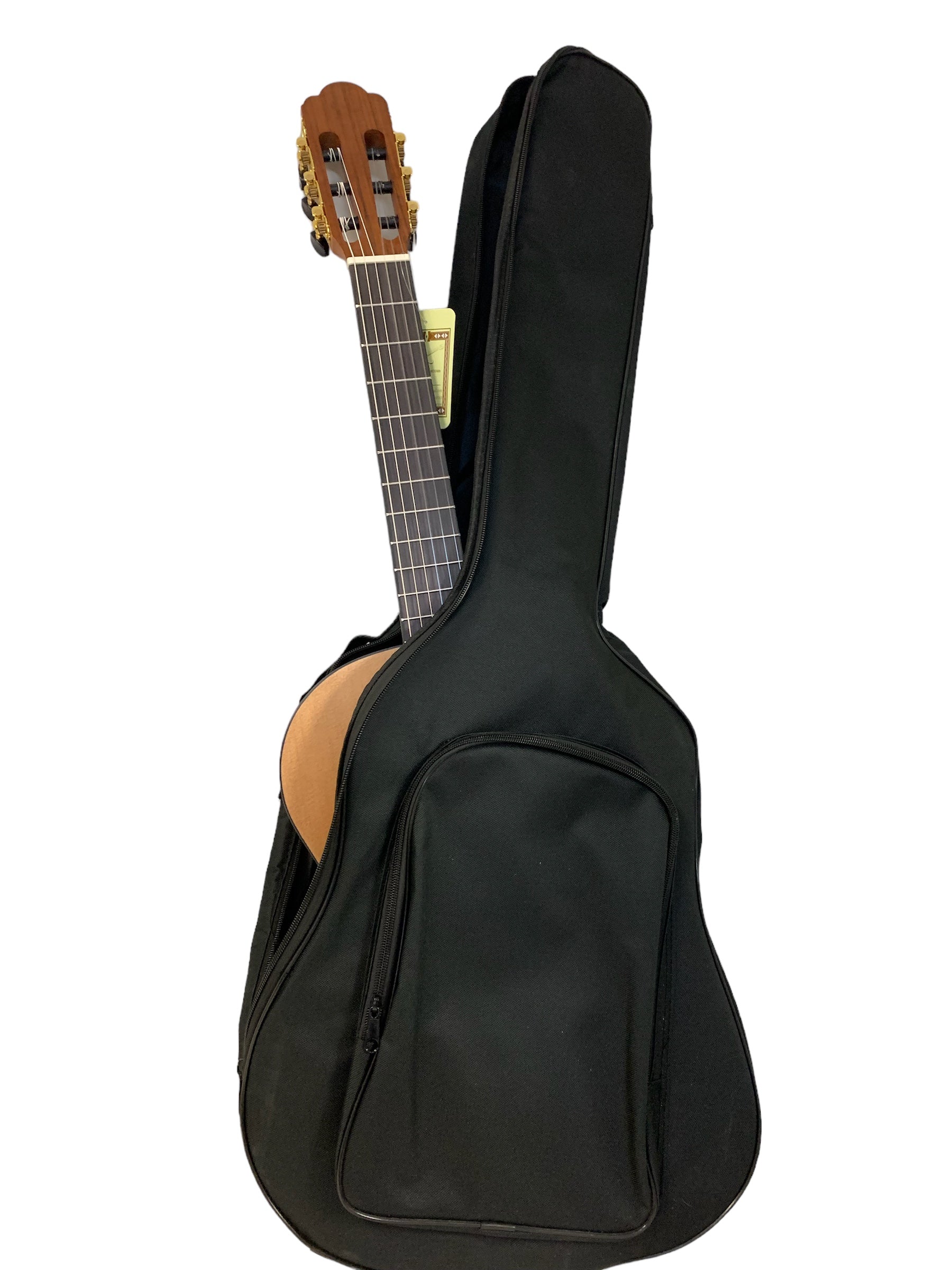
Gig Bag, Soft Case, and Hard Case Sizes
People often use “guitar bag” to describe several types of protection. Each type has a different size and purpose.
Thin gig bag
A thin gig bag may be 41 to 44 inches long and 13 to 15 inches wide. It is light and affordable, but it offers limited protection from impact.
This type works well for home storage, short walks, and careful transport. It is not the best choice for crowded public transit or airline travel.
Padded gig bag
A padded gig bag usually measures 42 to 45 inches long and 14 to 17 inches wide. It may use 10 to 30 millimeters of foam, along with stronger fabric and better zippers.
This is the most common choice for students, gigging musicians, and music-school travel. It balances comfort, protection, and price.
Hybrid case
A hybrid case may be 43 to 46 inches long and 15 to 18 inches wide. It combines a soft exterior with a firm frame or molded interior.
Hybrid cases are bulkier, but they protect the guitar better than basic bags. They are useful when you drive often or carry expensive instruments.
Molded hard case
A hard case may be 44 to 48 inches long and 16 to 20 inches wide. It also needs extra room for latches, hinges, handles, and thick walls.
Hard cases protect well, but they are heavy and less convenient. Their shape must match the guitar closely, so a hard case is rarely as flexible as a regular electric guitar bag.

Will a Regular Electric Guitar Bag Fit Every Electric Guitar?
No. A regular electric guitar bag fits many common solid-body guitars, but it may not fit unusual designs.
You may need a special bag if your guitar has:
• An extended-range neck
• A seven-string or eight-string body
• A V, Explorer, or other angular shape
• A very large headstock
• A longer-than-standard scale
• A wide lower bout
• A floating tremolo or large hardware that adds height
A regular electric guitar bag is often shaped for familiar models such as Stratocaster and Telecaster designs. If your guitar has an unusual body, search for a contoured or model-specific bag.
The neck and headstock deserve special attention. Even when the body fits, a tight headstock section can place pressure on the tuning machines. That pressure may lead to scratches or damage during transport.
Mistakes to Avoid When Buying a Guitar Bag
Choosing by the word “standard” alone can cause problems. The label does not guarantee that every full-size guitar will fit.
Avoid these common mistakes:
• Measuring only the guitar body and ignoring the headstock
• Comparing the bag’s outside length with the guitar’s total length
• Buying an acoustic guitar bag for an electric guitar
• Forgetting that padding reduces interior space
• Choosing a bag with no neck support
• Ignoring zipper quality and strap strength
• Assuming a larger bag offers better protection
• Buying a bass bag because it looks more spacious
A bass guitar bag is usually much longer, often around 45 to 50 inches or more. It may hold an electric guitar, but the guitar can slide around inside. That extra movement reduces protection.
I once saw a player use a bag that was several inches too long because it seemed “safer.” The guitar shifted every time the bag moved. A snug fit with soft padding would have been the better choice.
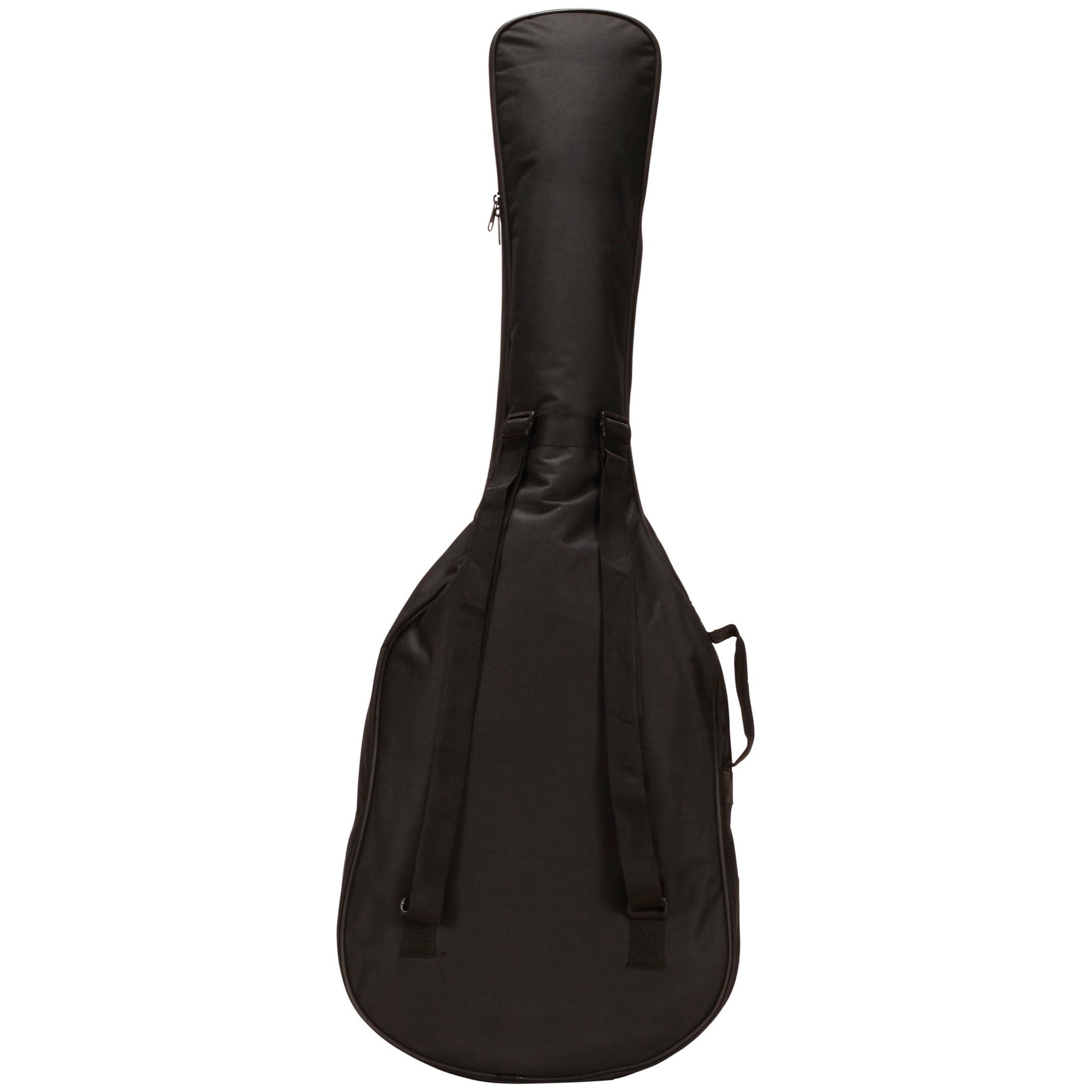
How Much Extra Space Should a Guitar Bag Have?
A good electric guitar bag should have a small amount of clearance. The guitar should slide in easily but should not move freely once the zippers are closed.
Aim for:
• 1 to 2 inches of extra length
• About half an inch to 1 inch of extra body width
• Enough depth for the bridge and knobs without compression
• A padded neck rest that keeps the neck stable
If the bag has too little space, the zipper may rub against the finish. If it has too much space, the guitar may shift and strike the sides.
You can improve a slightly loose fit with a clean, soft towel around the lower body. Do not place hard objects, tools, or loose accessories inside the main guitar compartment.
Choosing the Right Regular Electric Guitar Bag
When comparing how big is regular electric guitar bag inches, size should be only one part of the decision. Protection, comfort, and build quality matter just as much.
Look for these features:
• Interior padding that covers the body and headstock
• A firm bottom panel
• A padded neck cradle
• Strong shoulder straps
• Smooth, durable zippers
• A water-resistant outer fabric
• Separate accessory pockets
• Reinforced stitching near the handle
For local lessons, a 42 to 44-inch padded bag is often enough. For frequent gigs, choose stronger padding and a reinforced base. For flights, use an approved hard case rather than relying on a soft guitar bag.
Air travel has special risks. Airlines may have different rules for musical instruments, and baggage handling can be rough. Check the current airline policy before arriving at the airport.

How to Store and Care for an Electric Guitar Bag
A good bag can last for years if you care for it properly. Store it in a dry room away from direct heat and damp floors.
Keep the bag upright or lay it flat. Do not hang a heavy guitar from a weak wall hook by the bag handle. Inspect the straps, seams, and zipper before each trip.
Useful care habits include:
• Emptying small items from the pockets before lifting
• Cleaning dust from the zipper track
• Drying the bag fully if it gets wet
• Checking for crushed padding
• Avoiding sharp picks, tools, and cables near the guitar body
• Keeping the guitar secured with the neck strap when available
A clean, dry bag protects the finish and helps prevent hardware damage. It also makes it easier to notice problems before they become expensive repairs.

Frequently Asked Questions About How Big Is Regular Electric Guitar Bag Inches
How many inches long is a regular electric guitar bag?
Most regular electric guitar bags are 42 to 44 inches long on the outside. The usable interior length may be smaller, so check the listed maximum guitar length before buying.
What is the standard width of an electric guitar bag?
A standard electric guitar bag is usually 14 to 16 inches wide at its broadest point. Wide or unusual guitar bodies may need a bag that measures 17 inches or more.
Will a 40-inch electric guitar fit in a 42-inch bag?
Usually, yes, if the 42 inches refers to the interior length or maximum guitar size. If it is the exterior length, confirm the interior measurement because padding can reduce available space.
Is an electric guitar bag the same size as an acoustic guitar bag?
No. Acoustic guitar bags are often wider and deeper because acoustic guitars have larger bodies. An acoustic bag may hold an electric guitar, but it can leave too much empty space.
Can a regular electric guitar bag fit a Les Paul?
Many regular electric guitar bags fit a Les Paul-style guitar, but the lower body and headstock must have enough room. Choose a bag with at least 14 to 16 inches of body width and a padded headstock section.
How big is a regular electric guitar bag in centimeters?
A typical bag is about 107 to 112 centimeters long, 36 to 41 centimeters wide, and 8 to 13 centimeters deep. Exact measurements vary by padding and guitar shape.
Is a longer guitar bag better?
Not always. A longer bag can let the guitar move inside, which may increase the risk of impact. The best bag has a little clearance and holds the neck and body securely.
Conclusion
A regular electric guitar bag is usually 42 to 44 inches long, 14 to 16 inches wide, and 3 to 5 inches deep. The right size depends on the guitar’s total length, body width, headstock shape, and the difference between interior and exterior measurements.
Measure your guitar first, then compare those numbers with the bag’s maximum instrument size. Choose a snug, padded fit rather than a loose bag with too much extra room. If this guide helped, compare a few trusted gig bags, review their interior dimensions, and share your guitar model or fitting experience in the comments.

Senior Music Reviewer
Alex Carter is a seasoned music reviewer with over a decade of experience in the world of sound and instruments. Passionate about helping musicians and enthusiasts make informed choices, he brings sharp insights and in-depth knowledge to every review. From classical instruments to modern gear, Alex combines technical expertise with a love for music to deliver content that resonates with readers.
As a Senior Music Reviewer and expert author on Tuneluma.com, Alex is dedicated to sharing honest evaluations, practical advice, and thoughtful commentary to guide readers in their musical journey.