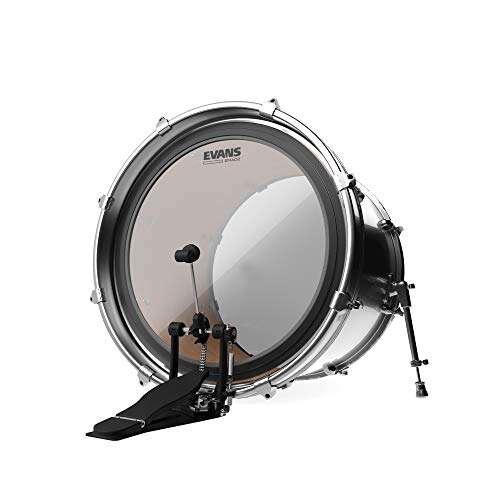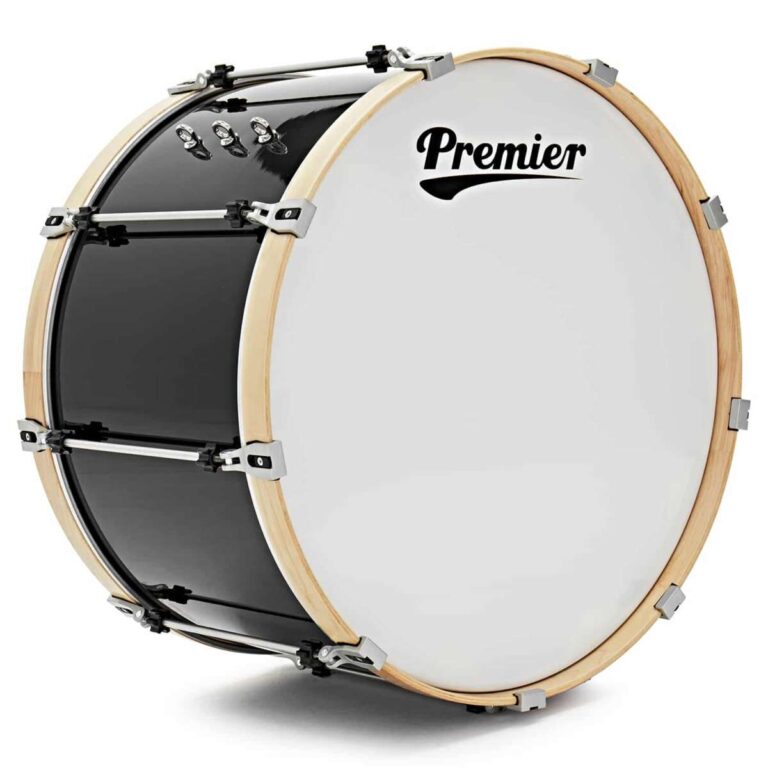
What Are Drum Heads Made Of: Material Guide For Drummers
Most drum heads are made from plastic films like Mylar, though natural skins and specialty composites are also common.
I’ve played and repaired drums for years, and I can tell you exactly what are drum heads made of, why each material sounds and behaves differently, and how to choose the right head for your music. This guide breaks down materials, construction, sound differences, care tips, and real-world advice so you can make smarter choices for your kit.
Materials used to make drum heads and what they mean
Drum heads come from a handful of core materials. Knowing each one helps you dial in tone, durability, and tuning stability.
- Mylar and polyester film
- Most modern heads use Mylar (a polyester film). It’s strong, cheap, and stable in different humidity and temperature.
- Mylar heads deliver consistent tone and long life. They can be clear or coated.
- Natural calfskin and other animal skins
- Traditional heads are made from calfskin, goat, or other hides. They sound warm and rich.
- Natural skins react to humidity and need more tuning attention.
- Kevlar and aramid fibers
- Used mainly for marching and heavy hitting. Extremely durable and resist tearing.
- They give a very focused, low-resonance sound.
- Composite and hybrid materials
- Some heads combine films with fiber layers or damping inserts.
- These aim to blend warmth, durability, and controlled sustain.
- Metal or wood resonant alternatives
- Rare specialty heads use thin metal or laminated materials for unique timbres.
- Mostly found in experimental or custom applications.
What are drum heads made of affects every part of play: attack, sustain, warmth, and how long the head lasts.
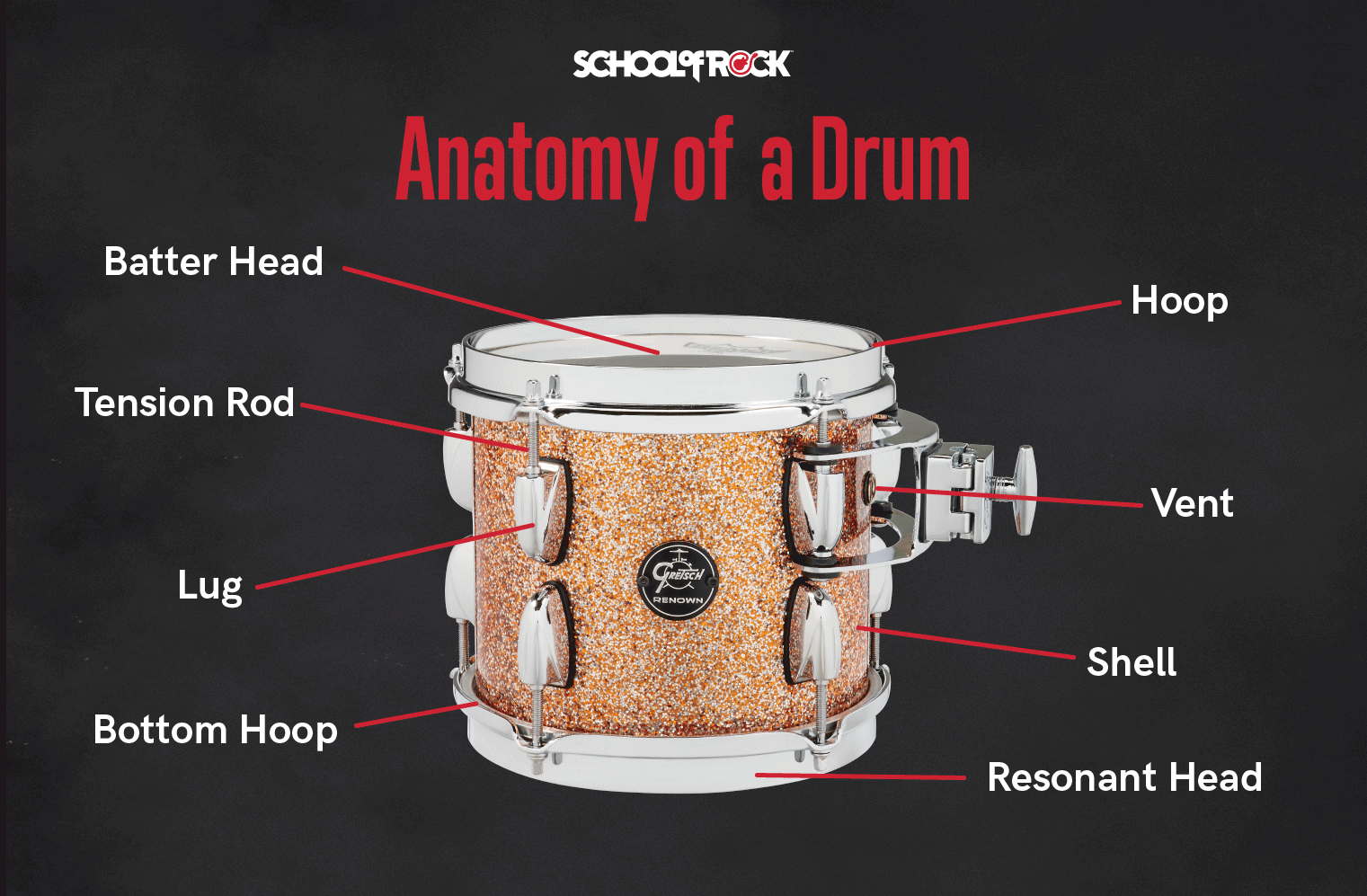
How material and construction change sound and feel
The same drum shell will sound different with different heads. Here’s how material and build affect tone.
- Single-ply vs double-ply
- Single-ply heads are thin and open. They give brightness and sustain.
- Double-ply heads are thicker and more focused. They cut unwanted overtones and last longer.
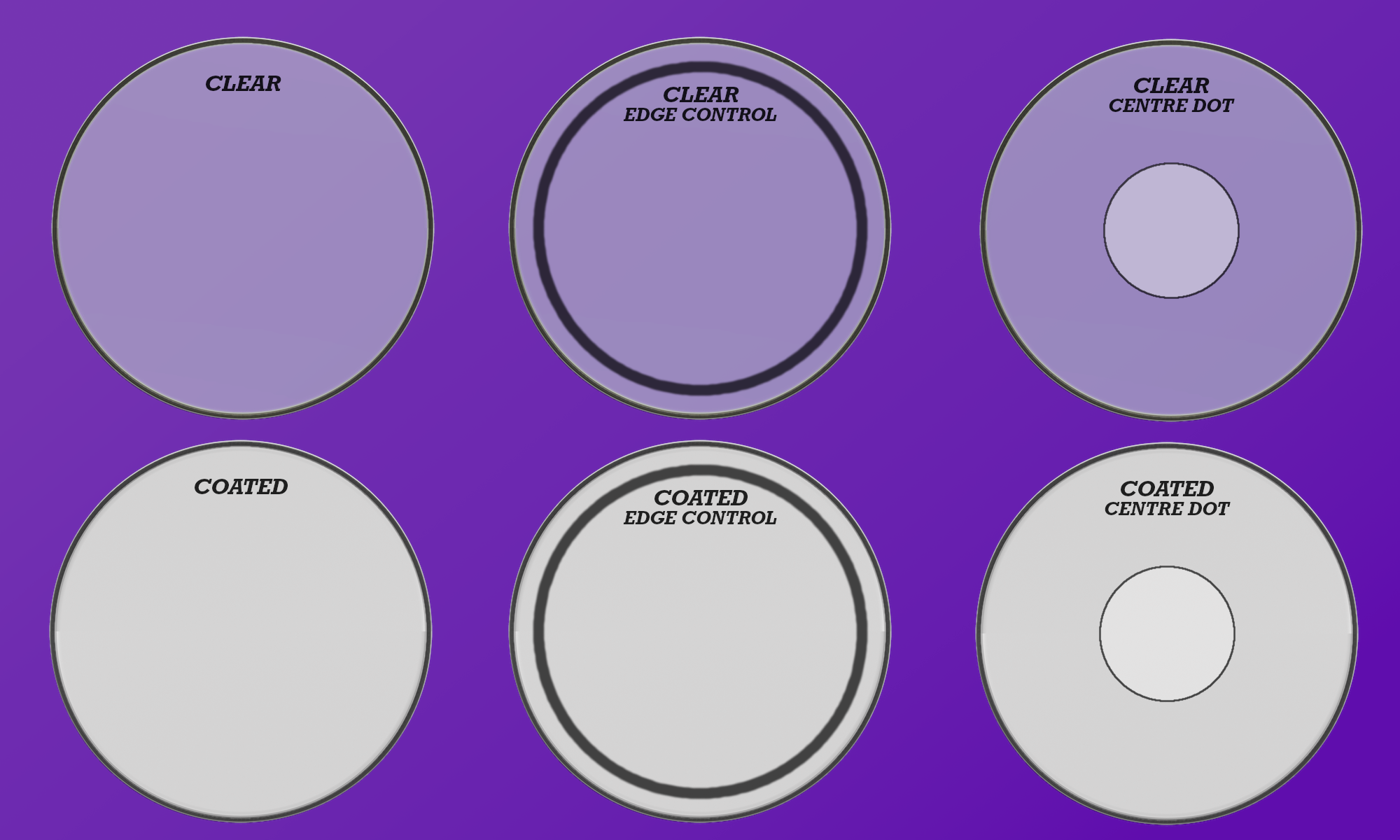
- Clear vs coated
- Clear heads are brighter and punchier.
- Coated heads add warmth and soften stick attack — great for brushwork.
- Damping, center dots, and rings
- Built-in dots or rings control overtones and focus the sound.
- External gels or muffling mimic these effects if you need quick adjustments.
- Natural skin behavior
- Natural skins give complex, warm tones. They detune with humidity shifts.
- They need regular tuning and sometimes seasonal replacement.
Personal note: I switched a mid-range kit from clear single-ply to double-ply coated tom heads and immediately got tighter, more studio-friendly tones. That simple change reduced overtones and made recording faster.
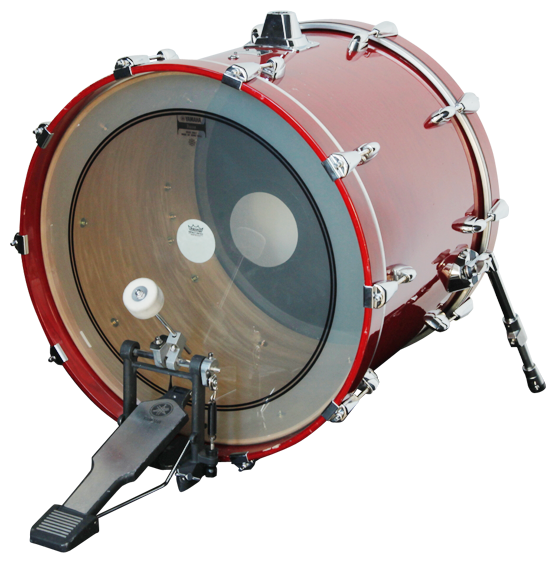
Manufacturing and construction details: the how of what are drum heads made of
Knowing how heads are made helps you spot quality differences and predict performance.
- Film extrusion and molding
- Polyester films are extruded and then cut to size. Thickness is measured in mils or mm.
- Thinner films mean more resonance; thicker films mean durability.
- Adhesives and laminates
- For double-ply heads, plies are bonded with adhesives. Quality control here affects longevity and tone.
- Coatings and textures
- Coated heads get a textured layer for tone and grip with brushes.
- Coating uniformity matters; uneven coats change the feel.
- Quality testing
- Manufacturers test for tear resistance, stretch, and tone consistency across batches.
- Industry labs and factory QA ensure heads remain within spec.
From an expert’s view: higher-end heads often have tighter manufacturing tolerances, which translates to more predictable tuning and better interchangeability between kits.

Choosing the right head based on style and use
Selecting heads depends on genre, playing strength, and whether you record, play live, or march.
- Rock and metal
- Use durable double-ply Mylar or Kevlar for kicks and snares.
- Choose coated or controlled-overtones heads for focused attack.
- Jazz and studio work
- Single-ply coated or natural skins for warm, open tones.
- Use lower tuning and light damping for vintage vibe.
- Marching and heavy hitting
- Kevlar or reinforcement-lined heads resist tears and stay consistent.
- High tension and minimal resonance work best for projection.
- Orchestral and traditional
- Natural skins are common for timpani and some hand drums.
- They offer the needed tonal nuance for classical music.
Practical tip: For a versatile kit, put a coated single-ply on the snare top and a double-ply on the batter of your floor tom. This combination balances warmth and durability.
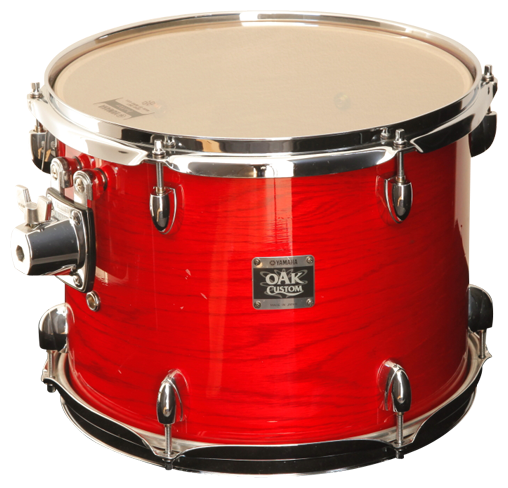
Care, maintenance, and knowing when to replace heads
Proper care extends life and keeps your drum sound consistent.
- Tuning routine
- Tune systematically around the drum in small steps to avoid warping.
- Re-check after 10–30 minutes; new heads settle.
- Cleaning and storage
- Wipe off stick residue with a soft cloth. Avoid harsh solvents.
- Store drums in a climate-controlled place to protect natural skins.
- Signs a head needs replacing
- Dents, visible thinning, or loss of tone and sustain are clear signs.
- Rattles, loose fit, or frequent need to retune also indicate wear.
- Replacement schedule
- Gigging rock drummers may change snare batter heads every few weeks.
- Casual players might replace heads every 6–18 months depending on use.
From experience: I once ignored small dents on a snare head. It split mid-set. Lesson learned — inspect heads before each gig.

PAA-style questions: quick helpful answers
How long do Mylar drum heads last?
Mylar heads last from several months to years depending on playing intensity and care. Heavy hitters may replace batter heads more often than tuning-sensitive studio players.
Are natural skin drum heads better for tone?
Natural skins offer a warm, complex tone, but they are less stable in humidity and need more care than synthetic heads.
Can you mix head materials on one kit?
Yes. Mixing materials (for example, coated snare and clear toms) is common to tailor tone and response for each drum.
Do coated heads muffle the drum?
Coated heads slightly soften attack and reduce high-frequency sheen, which can feel like mild muffling but often enhances musical tone.
Is Kevlar better than Mylar for durability?
Kevlar is far more tear-resistant and suited for heavy use, but it yields a very focused, less resonant sound compared with Mylar.
Frequently Asked Questions of what are drum heads made of
What are drum heads made of for beginner kits?
Most beginner kits use Mylar polyester film heads because they are affordable, durable, and easy to tune.
Are synthetic heads better than natural skins?
Synthetic heads are more stable and consistent; natural skins have unique tonal color but require more maintenance.
How do I choose drum head thickness?
Thinner (single-ply) heads favor warmth and resonance; thicker (double-ply) heads favor durability and focused tones.
Can I tune a natural skin head like a synthetic one?
You can, but natural skins are sensitive to humidity and often need retuning more frequently than synthetics.
Do drum head coatings wear off?
Coatings can wear over time, especially on the batter head, which may change feel and tone as it ages.
Are specialty composite heads worth the cost?
If you need specific tonal control, durability, or reduced overtones, specialty heads can be worth the investment for gigging and studio drummers.
Conclusion
Knowing what are drum heads made of and how each material shapes sound and performance helps you make smart choices for your music. Whether you want bright, open tones or focused, durable hits, matching head material and construction to your needs gives faster results and fewer surprises. Try swapping one head at a time, listen closely, and keep notes on settings that work for different venues or songs. If this guide helped, leave a comment with your kit setup or subscribe for more hands-on drum tips.

Senior Music Reviewer
Alex Carter is a seasoned music reviewer with over a decade of experience in the world of sound and instruments. Passionate about helping musicians and enthusiasts make informed choices, he brings sharp insights and in-depth knowledge to every review. From classical instruments to modern gear, Alex combines technical expertise with a love for music to deliver content that resonates with readers.
As a Senior Music Reviewer and expert author on Tuneluma.com, Alex is dedicated to sharing honest evaluations, practical advice, and thoughtful commentary to guide readers in their musical journey.