Don’t Stop Believin Piano Sheet Music: Easy Piano Tabs
don't stop believin piano sheet music is available in solo, simplified, and full-score arrangements for all levels.
As a pianist and teacher with years of arranging pop songs for students, I can guide you through the best ways to find, read, practice, and perform don't stop believin piano sheet music. This article dives deep into versions, difficulty, legal issues, practice strategies, and real-life tips I learned while arranging and teaching this classic. Read on to master the tune with confidence and musicality.
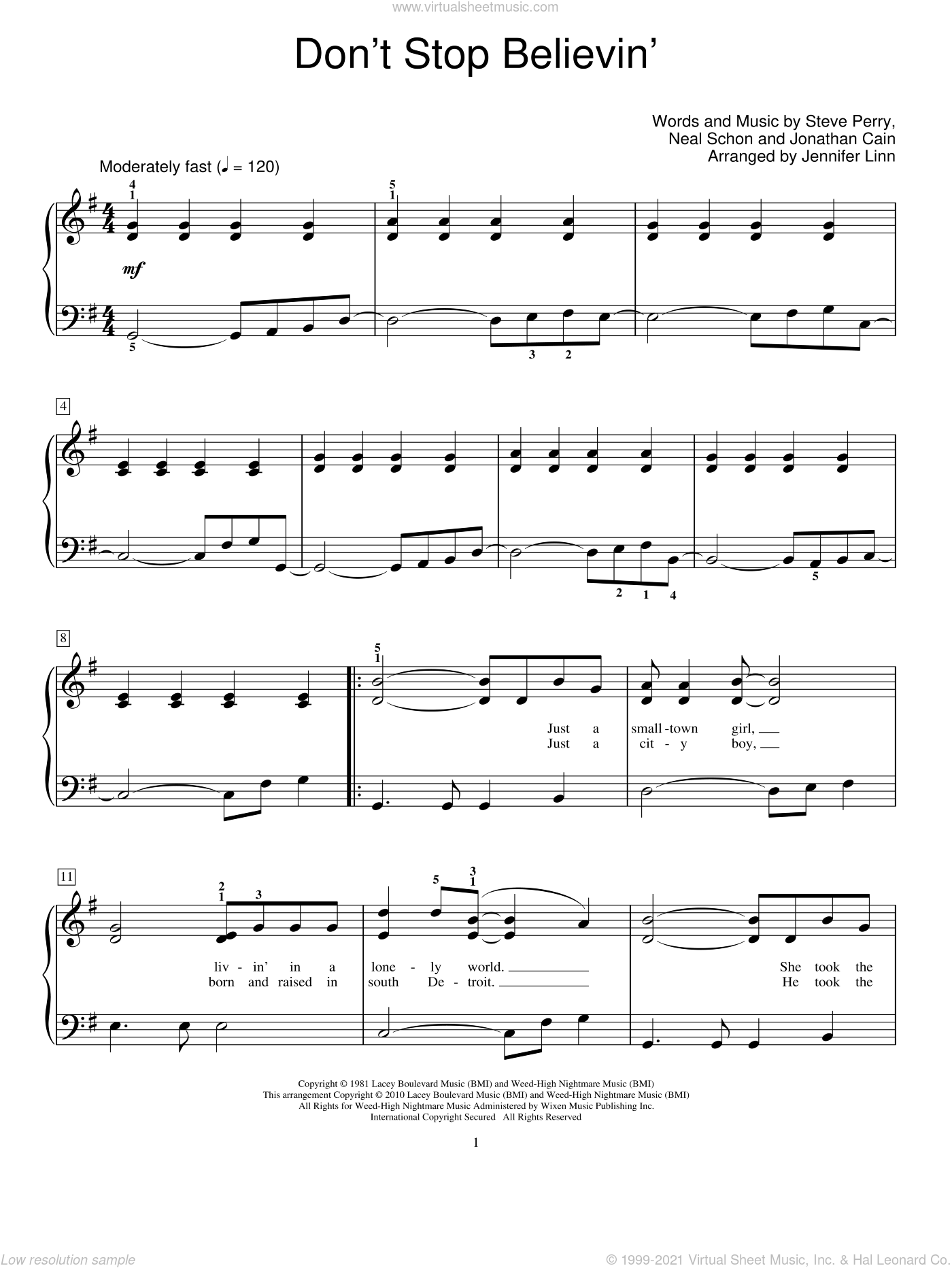
Why don't stop believin piano sheet music still matters to players
Don't Stop Believin has a simple, powerful melody and clear chord changes. That makes don't stop believin piano sheet music ideal for learning pop phrasing and rock-pop harmony. Pianists like it because it works as a solo piece, as an accompaniment to singers, and as a band part. The song teaches structure, repetition, and emotional build in a compact form.
- Key features that keep players coming back
- Strong, singable melody that maps clearly to piano.
- Repetitive sections that help memory and practice.
- Versatile arrangements from easy to full concert score.
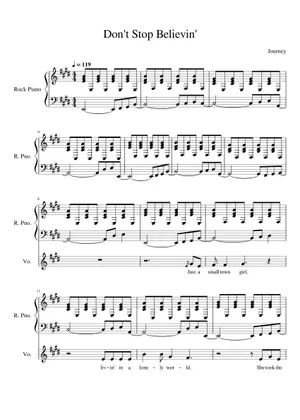
Types of don't stop believin piano sheet music to choose from
There are multiple arrangement types for this song. Each serves a different goal. Choose based on skill, performance needs, and time to learn.
- Solo piano arrangements for intermediate or advanced players.
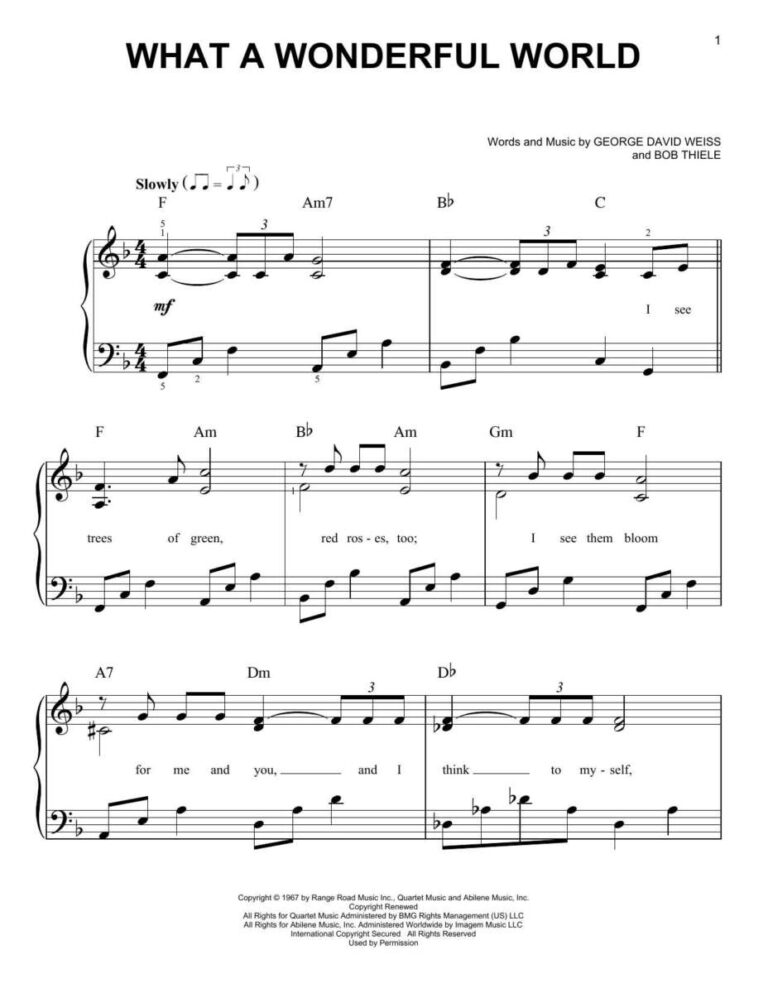
- Easy piano or simplified editions for beginners.
- Vocal/piano lead sheets with lyrics and chord symbols for singers.
- Chord charts and fake books for jam sessions.
- MIDI and digital scores for learning apps and playback.
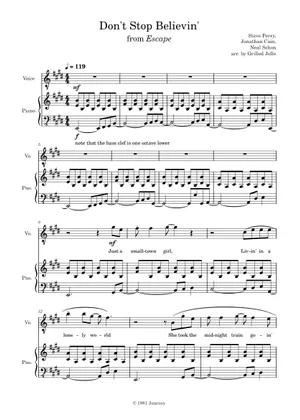
Choosing the right don't stop believin piano sheet music for your level
Match the arrangement to your hands and time. Beginners should pick simplified don't stop believin piano sheet music that keeps the melody and basic chords. Intermediate players can try arrangements with left-hand patterns and simple fills. Advanced players can use full-score versions with fuller harmony and ornamentation.
- Tips to pick the right version
- Check page previews to see note density.
- Look for versions labeled easy, intermediate, or advanced.
- Choose the key that suits the singer if you plan to accompany vocals.
From my experience teaching students, starting with a simplified version and then moving to a fuller arrangement keeps motivation high. A common mistake is picking too hard a version and giving up early.

How to read and learn from don't stop believin piano sheet music
Learning a pop standard is about structure and repetition. Break the piece into small chunks. Learn melody and left-hand separately first. Then combine slowly.
- Step-by-step practice plan
- Scan the form: intro, verses, chorus, bridge, outro.
- Learn the melody by singing it while playing the right hand.
- Practice left-hand patterns alone at slow tempo.
- Use a metronome and increase tempo in small steps.
Use looping practice and hands-separate work. That method worked well when I arranged the chorus into a two-handed pattern for a student. Within a week, the student could play the whole chorus hands together.
Performance tips and musical interpretation for don't stop believin piano sheet music
This song lives in dynamics and timing. The chorus needs lift and clarity. The verses often sit lower and more reserved.
- Practical performance tips
- Start soft on the intro and verse to build to the chorus.
- Keep the rhythm steady. The groove drives the song.
- Add tasteful fills in the second and third chorus for variety.
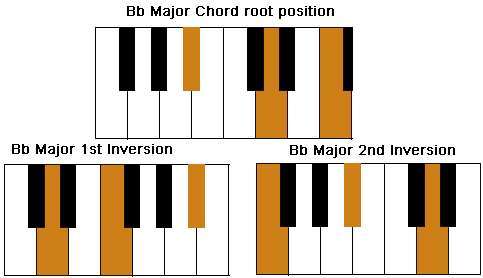
- Watch chord inversions to keep left-hand motion simple.
I advise practicing transitions between verse and chorus slowly. They are the moments where tension and release must feel natural.
Legal and ethical considerations for obtaining don't stop believin piano sheet music
Don't Stop Believin is not public domain. That means most high-quality don't stop believin piano sheet music must be licensed. Use legitimate sources to respect copyright and support the creators.
- How to get legal copies
- Buy printed editions from licensed publishers.
- Purchase digital scores from reputable sheet music stores.
- Use subscription services that provide licensed downloads.
Free scans or unlicensed copies may be low quality and could violate copyright. Paying a small fee ensures accuracy and supports further arrangements.
Recommended tools and resources to learn don't stop believin piano sheet music
Modern tools speed learning. Use apps and software to slow passages and loop sections. Backing tracks help with timing and feel.
- Helpful tools
- Slow-down audio apps that loop measures.
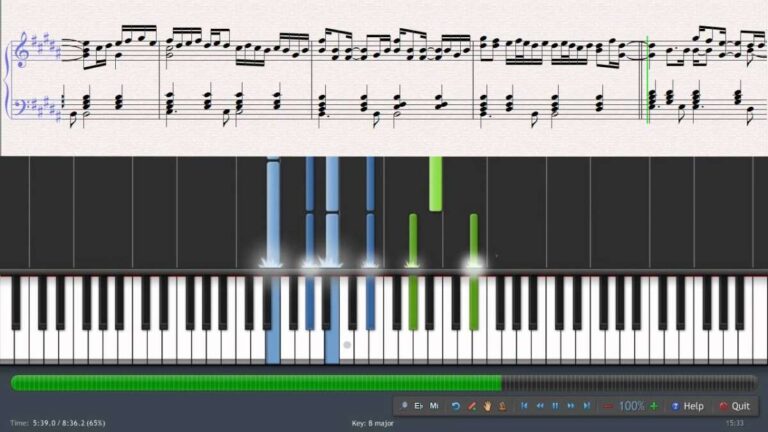
- Notation readers that highlight notes as they play.
- Metronome and backing track libraries for performance practice.
- Teacher-led lessons for guidance and feedback.
I used slow-down software to help a student master an eight-bar vamp. That hands-on adjustment saved weeks of frustration.
My personal experience arranging and teaching don't stop believin piano sheet music
I arranged a simplified piano version for a beginner recital. The goal was to keep the chorus strong while reducing left-hand effort. The student learned the melody first, then built confidence by adding a simple left-hand pattern.
Lessons learned from real practice
- Keep arrangements playable for the student’s age and hand span.
- Focus on key sections like the chorus for quick wins.
- Encourage recording practice to track progress and timing.
Those small wins increased the student's motivation and led to a better final performance.
Common mistakes when learning don't stop believin piano sheet music and how to fix them
Many players rush the chorus or play too many notes in the left hand. Others ignore vocal phrasing and lose the song’s drive.
- Typical issues and solutions
- Overplaying left hand — simplify or use root-position patterns.
- Rushed transitions — slow them and practice with a metronome.
- Stiff accompaniment — add light syncopation to feel more natural.
- Ignoring dynamics — mark crescendos and cutoffs clearly in the score.
Fixes are usually simple. Make one change at a time and keep practice short and focused.
Frequently Asked Questions of don't stop believin piano sheet music
What level of player can learn don't stop believin piano sheet music?
Most beginners can learn a simplified version of don't stop believin piano sheet music. Intermediate and advanced players can explore fuller arrangements with richer harmony.
Where can I legally buy don't stop believin piano sheet music?
You can buy licensed don't stop believin piano sheet music from major sheet music retailers and official digital stores. Licensed editions ensure accurate notes and respect copyright.
Should I transpose don't stop believin piano sheet music for a singer?
Transposing can help match a singer's range and is often a good idea. Use a capo for guitarists or transpose the piano part into a comfortable key.
How long does it take to learn don't stop believin piano sheet music?
Time depends on the arrangement and your practice routine; a beginner might need a few weeks, while an intermediate player can learn the piece in several practice sessions. Consistent daily practice speeds progress.
Can I create my own arrangement of don't stop believin piano sheet music?
You can arrange the song for personal use, but public distribution requires proper licensing. Personal arrangements are great for learning and performance at private events.
Conclusion
Don't stop believin piano sheet music offers a clear path to learning melody, harmony, and pop phrasing. Choose the right arrangement, break the song into parts, and practice with focus. Start with a simple version, build musicality, and add nuance as you gain comfort. Try a licensed score, use slow-down tools, and record your practice to track progress. If this article helped, grab a copy of the sheet music and play the first chorus today — then share your progress or questions in the comments.

Senior Music Reviewer
Alex Carter is a seasoned music reviewer with over a decade of experience in the world of sound and instruments. Passionate about helping musicians and enthusiasts make informed choices, he brings sharp insights and in-depth knowledge to every review. From classical instruments to modern gear, Alex combines technical expertise with a love for music to deliver content that resonates with readers.
As a Senior Music Reviewer and expert author on Tuneluma.com, Alex is dedicated to sharing honest evaluations, practical advice, and thoughtful commentary to guide readers in their musical journey.