What Are The Pedals On A Piano For: Simple Guide
Pedals change tone, sustain notes, and shape dynamics and color of piano sound.
I have studied and taught piano for years, and I know how confusing pedals can seem. This article answers what are the pedals on a piano for in clear, practical terms. You will learn how each pedal works, why composers ask for pedal effects, how to practice good pedal technique, and how pedal use changes across pianos. Read on to master the pedals and make your playing sound more expressive and controlled.
How piano pedals work: the basic physics and parts
Piano pedals are foot-operated levers. They change the action inside the piano. Each pedal alters how strings vibrate or how hammers interact with strings. That results in sustained sound, softer tone, or selective sustain.
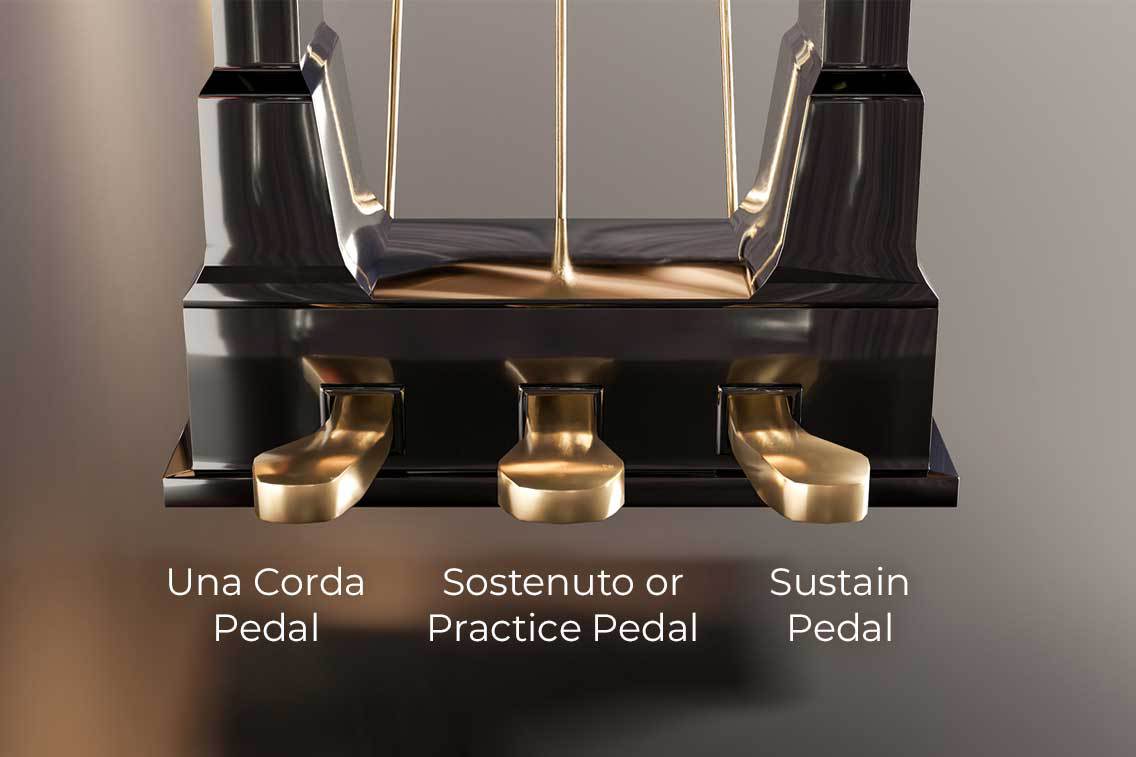
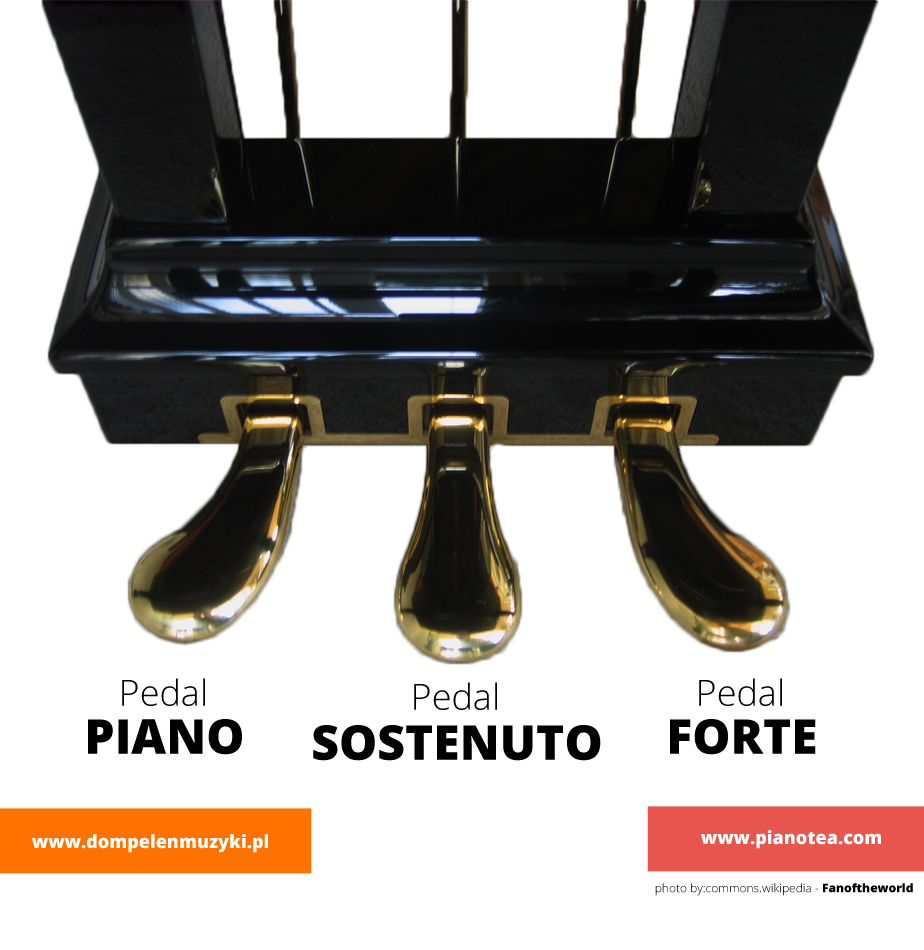
There are three common pedals on modern pianos.
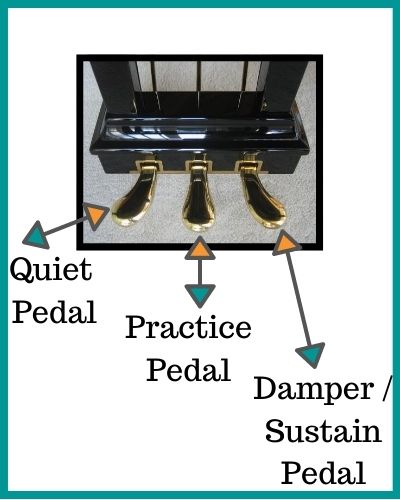
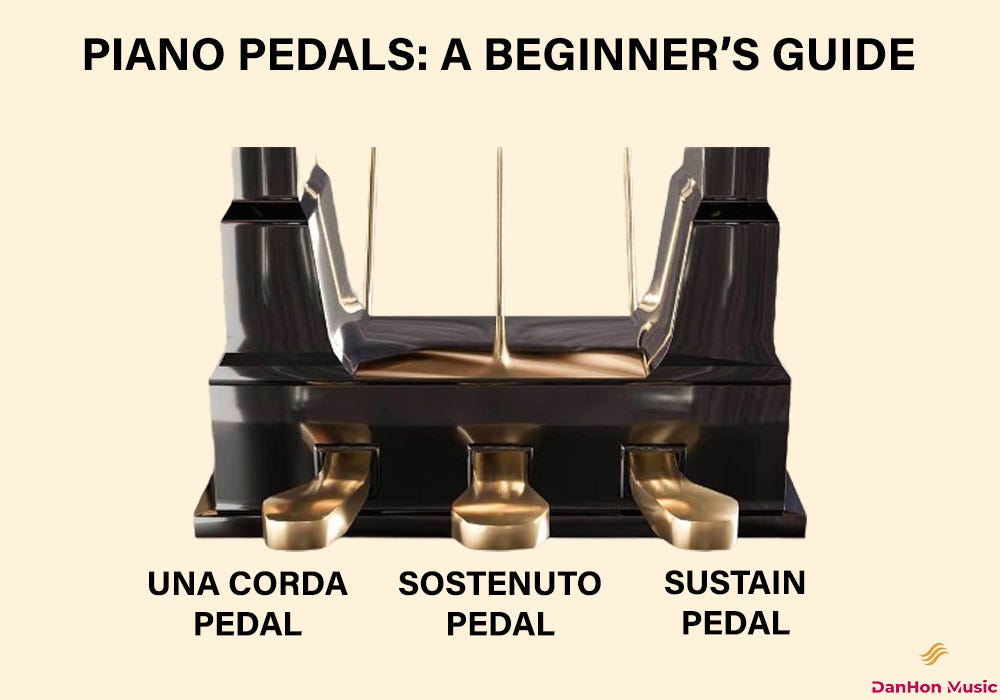
- Right pedal (sustain or damper pedal): Lifts all dampers so strings keep sounding after keys are released. This is the most used pedal in most music.
- Left pedal (soft pedal or una corda): Shifts the action or moves hammers so the tone is softer or slightly different in color.
- Middle pedal (sostenuto or practice): Holds specific notes or mutes strings for quiet practice, depending on piano type.
These pedals work by changing mechanical contact or damping. On an upright, mechanisms differ slightly from grand pianos but aim for the same sound effects. Understanding this helps answer why composers request certain pedal effects and how to achieve them in performance. what are the pedals on a piano for is mainly to shape sustain, volume, and tone color.
The three pedals in detail: functions and musical roles
Right pedal — sustain or damper pedal
- Function: Lifts all dampers off the strings so notes ring until they fade or you release the pedal.
- Musical role: Creates legato across gaps, blends harmony, and adds resonance. Use it for sustained chords and expressive lines.
- Practical tip: Change the pedal at harmonic moments to avoid blurring. The sustain pedal is an expressive tool, not a "hold everything" button.
what are the pedals on a piano for? For many players, the right pedal is the pedal they use most.
Left pedal — una corda or soft pedal
- Function on grands: Shifts the action so hammers hit fewer strings (one or two instead of three). On uprights, it moves the hammers closer to strings or alters hammer alignment for a softer sound.
- Musical role: Softens dynamics and changes tone color for delicate passages.
- Practical tip: Use sparingly for contrasts and textural color. It also helps practice quiet playing.
what are the pedals on a piano for? For quieter, more intimate tone, the left pedal is the answer.
Middle pedal — sostenuto or practice
- Function on grands: Sustains only the notes depressed when the pedal is engaged, leaving later notes unaffected. On many uprights, the middle pedal acts as a practice mute, inserting felt between hammers and strings.
- Musical role: Allows selective sustain and special effects. It supports modern repertoire that requires sustained bass while you play other lines.
- Practical tip: Learn when to use sostenuto in scores; it’s less common than sustain but crucial in some works.
what are the pedals on a piano for? For selective sustain and practice quieting, the middle pedal serves those needs.

History and evolution: why pianos gained pedals
Early keyboard instruments used hand stops and knee levers. As the piano evolved, foot pedals became standard for hands-free expression. By the 19th century, the three-pedal layout emerged on many concert grands.
- 18th century: Harpsichords and early pianos used hand stops and knee levers.
- 19th century: Innovations added the sustain and soft pedals. Composers wrote for these effects.
- 20th century: Sostenuto was added to top-tier grands to meet new musical demands.
Knowing this history helps explain why composers ask for pedal markings. It also shows that what are the pedals on a piano for has changed with music style and instrument design. Modern music and historical performance practice require different pedal approaches.
How to use pedals: technique, timing, and common mistakes
Pedal timing is as important as finger timing. Poor pedaling creates blurs. Good pedaling clarifies shape and phrasing.
Simple practice steps
- Practice without the pedal first to learn clean finger legato.
- Add brief pedal changes at harmonic shifts.
- Use half-pedaling to control sustain until you find the sweet spot.
Common mistakes to avoid
- Holding the sustain pedal too long and blurring harmonies.
- Using the soft pedal for volume only, instead of color.
- Relying on the middle pedal without knowing its function on your piano.
Personal tip from my teaching: Record yourself. I once practiced Chopin with too much sustain. Hearing the recording showed me where the pedal blurred the melody. Shorter pedal changes fixed it. What are the pedals on a piano for? They are tools for clarity when used with intent.
Practical examples and repertoire notes
Classical music
- Baroque and early Classical pieces often need little or no sustain. Use pedal sparingly to stay authentic.
- Romantic pieces often demand rich sustain and tonal shading. The right pedal is essential here.
Jazz and popular music
- Pedal use in jazz can create atmospheric swells. Left pedal can add intimacy for ballads.
- In pop arrangements, pedals help create the ambient pad-like textures.
Contemporary and experimental music
- Composers may require precise sostenuto use or inside-piano effects. Understanding each pedal’s mechanics is vital.
Examples of pedaling instructions in scores
- Ped. and * or a bracket indicates lift and reapply. Follow harmonic changes, not just beat counts. This clarifies why learning what are the pedals on a piano for matters for accurate interpretation.

PAA-style questions (short answers)
What happens when you press the sustain pedal?
Pressing the sustain pedal lifts all dampers, so strings keep vibrating and sound continues after you release the keys. This creates legato and resonance across notes.
Can the soft pedal change tone on all pianos?
Yes, but it works differently. On grands it shifts the action; on uprights it changes hammer distance or puts felt closer to strings for a softer tone.
Is the middle pedal always sostenuto?
No. On many uprights the middle pedal is a practice mute. On grans it is usually a sostenuto that sustains selected notes.
How do pedaling habits differ by style?
Baroque and classical styles use less pedal for clarity. Romantic and modern styles use more pedal for sustain and color. Always match pedaling to the music’s era.
Does the sustain pedal affect tuning?
Indirectly. Excessive sustained resonance can reveal tuning issues, but the pedal itself does not change tuning.
Pedal maintenance and piano types
Pedal mechanisms need occasional servicing. Worn felt, loose screws, or sticky action can affect pedal response.
-
Maintenance tasks
-
Tighten loose nuts and bolts.
-
Replace worn felts and bushings.
-
Lubricate moving parts if recommended by the maker.
-
Differences by piano type
-
Grand pianos usually have smoother, more responsive pedals.
-
Upright pianos have compact mechanisms and may offer a practice pedal instead of sostenuto.
-
Digital pianos simulate pedals electronically; quality varies by model.
Note limitations: Not all uprights have true sostenuto. Some digital pianos lack half-pedaling. Check your instrument before assuming pedal capabilities. What are the pedals on a piano for depends on both design and your technique.
Personal experience and practical lessons
As a teacher and performer, I learned to listen more than rely on habit. Early on, I overused the sustain pedal in romantic pieces. Students often mimic that mistake. I now coach simple habits:
- Play the passage cleanly first.
- Pedal at harmonic changes, not on every beat.
- Use recordings to test your pedaling choices.
One memorable lesson: in a rehearsal, the ensemble sounded muddy until I shortened the pedal in the left hand passages. That small change made the melody clear. These are the kinds of insights that explain what are the pedals on a piano for in actual music-making.
Frequently Asked Questions of what are the pedals on a piano for
What is the purpose of the sustain pedal?
The sustain pedal lifts dampers so strings continue vibrating after keys are released. It creates legato, resonance, and harmonically rich sound.
When should I use the soft pedal?
Use the soft pedal for quieter passages or to change tone color. It works best for nuance and contrast, not just volume reduction.
How do I practice half-pedaling?
Practice half-pedaling by slowly pressing and releasing the sustain pedal while listening for the point where blurring stops. Use slow scales and chords to find that control.
Does the middle pedal always sustain selected notes?
Not always. On grands, the middle pedal often sustains selected notes (sostenuto). On many uprights, it acts as a practice mute that dampens sound.
Can pedals damage a piano?
Pedals themselves don’t damage a piano when used properly. Damage can occur if mechanisms are ignored, if repairs are delayed, or if heavy, abrupt force is applied repeatedly.
Conclusion
Pedals shape sustain, tone color, and expression. They let you extend notes, soften sound, and sustain chosen tones. Learning what are the pedals on a piano for will make your playing clearer, more expressive, and more authentic across styles. Start by practicing cleanly, add pedal with purpose, and listen carefully to the result. Try focused practice sessions with and without pedals, record yourself, and adjust based on what you hear. If you enjoyed this guide, subscribe for more practical tips, ask a question below, or try a short pedal exercise today.

Senior Music Reviewer
Alex Carter is a seasoned music reviewer with over a decade of experience in the world of sound and instruments. Passionate about helping musicians and enthusiasts make informed choices, he brings sharp insights and in-depth knowledge to every review. From classical instruments to modern gear, Alex combines technical expertise with a love for music to deliver content that resonates with readers.
As a Senior Music Reviewer and expert author on Tuneluma.com, Alex is dedicated to sharing honest evaluations, practical advice, and thoughtful commentary to guide readers in their musical journey.