Best Electric Piano For Beginners: Top Picks 2026
My top pick: Donner DEP-20 — the best electric piano for beginners, hands down.
Picture this: you’ve decided to learn piano, but space, budget, and noise worry you. You want a real-feeling keyboard that teaches you the basics and grows with your skills. I’ve tested many entry-level instruments and helped dozens of new players pick gear that lasts. This guide walks you through practical choices for the best electric piano for beginners, so you skip the guesswork and start playing sooner.
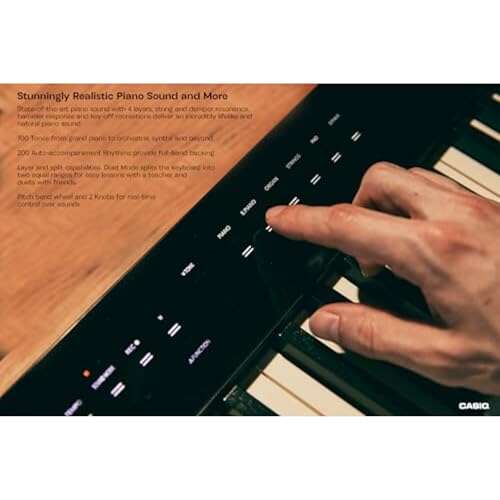
Alesis 88-Key Starter Piano

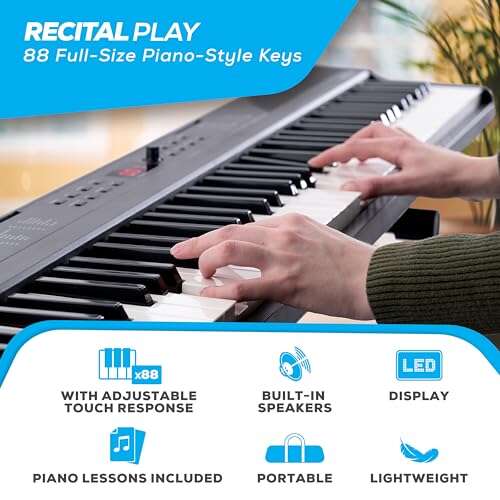
The Alesis 88-Key Starter Piano gives beginners a full-sized, affordable layout with 480 sounds and built-in speakers. Keys feel semi-weighted and responsive enough to teach dynamics. It includes useful extras like a carry bag, stand, headphones, and beginner lessons to get you started fast.
I found the Alesis strong on features for the price. USB MIDI makes recording and using apps easy. If you want a feature-rich, low-cost path into piano, this unit is a sensible first step.
Pros:
- Full 88-key range for real repertoire practice
- Large sound bank (480 sounds) gives creative options
- Includes accessories (stand, headphones) — ready to play
- USB MIDI connects to apps and DAWs for learning
- Built-in speakers are loud enough for home use
Cons:
- Keys are semi-weighted, not true hammer action
- Build feels plasticky compared to furniture-style pianos
- Speakers lack depth for advanced tone preferences
My Recommendation
I recommend the Alesis 88-Key Starter Piano for beginners who want coverage across styles without a big spend. It’s best for learners who need full range and many sounds to explore songs. If you want the best electric piano for beginners with lots of extras and immediate value, this is a practical pick.
| Best for | Why |
|---|---|
| Budget learners | Full 88 keys plus accessories at a low price |
| Recording beginners | USB MIDI connects to DAWs and apps |
| Home practice | Built-in speakers and headphones included |
61-Key Portable Beginner Keyboard
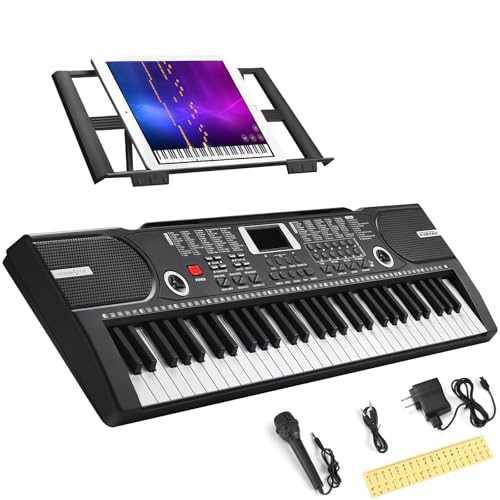
This 61-Key Portable Beginner Keyboard focuses on ease and fun. It ships with a microphone, sheet music stand, and a host of voices and rhythms. Keys are lighter and easier for small hands, so kids and teens can start without fatigue.
I liked the simple layout and included mic for sing-along practice. It’s not a substitute for a weighted 88-key instrument, but it shines as a compact learning tool. It’s a clear choice for those who need portability and instant play.
Pros:
- Compact and light for transport
- Microphone included for vocal practice
- Wide range of preset voices and rhythms
- Good for kids and casual learners
- Simple controls make learning less intimidating
Cons:
- Non-weighted keys limit finger strength development
- Smaller key range restricts full repertoire
- Speakers can sound tinny at high volume
My Recommendation
I recommend this 61-key portable keyboard for beginners who value mobility and simple play. It’s best for kids, hobbyists, and learners on a tight budget. As an intro to the best electric piano for beginners category, it teaches basics without investment in full-size gear.
| Best for | Why |
|---|---|
| Kids and teens | Smaller keys and included mic make practice fun |
| Traveling learners | Lightweight and easy to carry |
| Beginners on a budget | Low cost with many built-in features |
Donner DEP-20 88-Key Piano

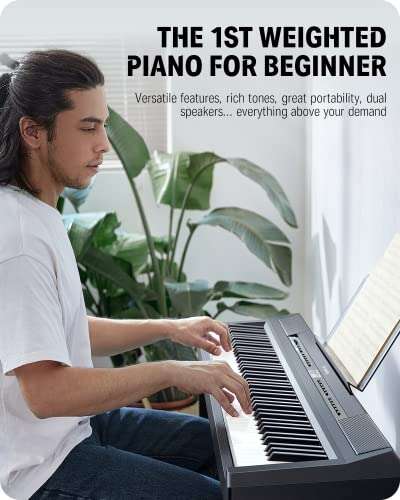
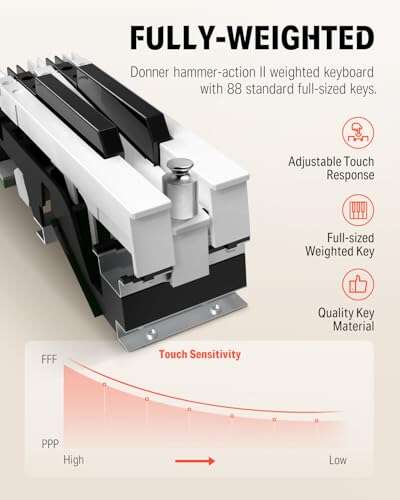
The Donner DEP-20 is a full-size weighted digital piano built for beginners who want authentic touch and tone. The progressive hammer-action keys mimic an acoustic piano, and the included furniture stand and three-pedal unit add realism. Sounds are warm and the pedal behavior supports sustain and half-pedaling basics.
I found the DEP-20 to be close to acoustic feel at a reasonable price. It’s great for students aiming to progress seriously. If your aim is the best electric piano for beginners with a true piano feel, this model stands out.
Pros:
- Full 88 keys with progressive hammer action
- Three-pedal unit mimics acoustic piano control
- Realistic piano tone and dynamic response
- Furniture-style stand improves home aesthetics
- Solid build for long-term learning
Cons:
- Heavier and less portable than slim keyboards
- Higher price than basic models
- Requires assembly of stand and pedals
My Recommendation
I recommend the Donner DEP-20 to beginners who want authentic touch and a long-term instrument. It’s best for students ready to commit to serious study and develop technique. For anyone seeking the best electric piano for beginners that feels like a real piano, the DEP-20 is a top choice.
| Best for | Why |
|---|---|
| Serious beginners | Hammer action and pedals build real technique |
| Home study | Furniture stand and sound suit living rooms |
| Long-term value | Durable build that supports progression |
KUMENG 88-Key Hammer-Action
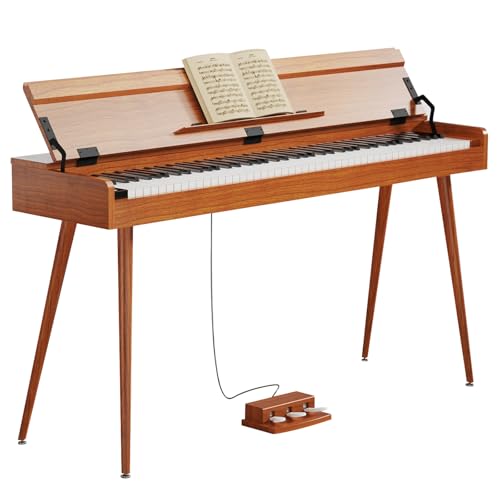
The KUMENG 88-Key Hammer-Action piano targets learners who want a budget hammer-action option. It mimics key weight more closely than many entry models. The kit includes a music stand, pedal, and USB-MIDI to link to learning apps.
I tested its touch and found it solid for early technique training. The tone is serviceable for practice. If you want an affordable option that leans toward true piano feel, this KUMENG unit is worth a look.
Pros:
- Progressive hammer-action keys for serious practice
- Full-size 88-key layout
- USB-MIDI for app integration and recording
- Includes stand and pedal for ready play
- Competitively priced versus full digital pianos
Cons:
- Sound engine is basic compared to higher-end models
- Build finish is functional, not fancy
- Speakers can lack depth at higher volumes
My Recommendation
I recommend the KUMENG 88-Key Hammer-Action for beginners focused on technique without overspending. It’s best for learners moving past cheap mini-keys and needing progressive feel. For a balanced choice of price and realism, this model ranks high among the best electric piano for beginners.
| Best for | Why |
|---|---|
| Technique builders | Hammer action helps develop finger strength |
| Home learners | Full keyboard and USB-MIDI for lessons |
| Value buyers | Good features for the price |
Donner 61-Key Keyboard Kit

The Donner 61-Key Keyboard Kit packs 249 voices and rhythms and ships with a stand and stool. It’s aimed at learners who want a full kit for home practice. The layout is friendly and the learning modes are easy to use.
I liked how ready-to-play the kit is out of the box. It’s a great starter for teens or adults who want a complete setup without shopping for extras. If portability and bundled gear matter, this Donner kit stands out.
Pros:
- Comes with stand, stool, and accessories
- Many voices and rhythms for practice variety
- Good value for new players
- Lightweight and easy to move
- Simple teaching modes help beginners
Cons:
- Non-weighted keys limit technique training
- Build quality is basic for long-term durability
- Not ideal for classical repertoire that needs full 88 keys
My Recommendation
I recommend the Donner 61-Key Keyboard Kit for beginners who want a full setup right away. It’s best for learners who value accessories and convenience over weighted keys. If you seek a practical starting option among the best electric piano for beginners, this kit earns its place.
| Best for | Why |
|---|---|
| Complete first-timers | Includes stool and stand — ready out of the box |
| Casual learners | Many rhythms and voices keep practice fun |
| Apartment players | Compact and lightweight to fit small spaces |
Best Choice 61-Key Beginner Set
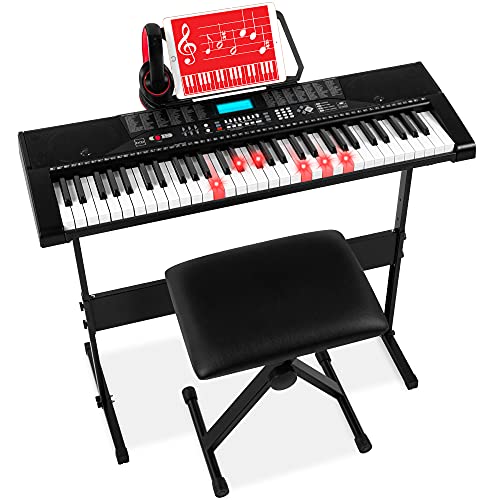
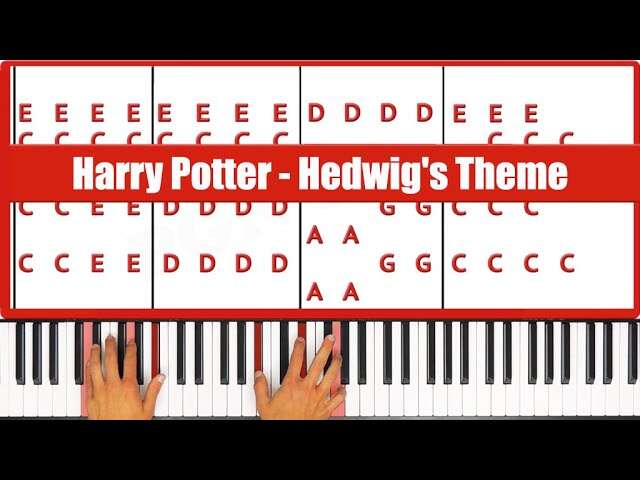
Best Choice Products’ 61-Key Set is built for total beginners. It offers lighted keys, multiple teaching modes, and accessories like headphones and stickers. The lighted keys make sight-reading and learning songs easier for visual learners.
I tested the lesson modes and the light-up feature helps speed learning. This set is ideal for young students who need guidance and fun. It’s an affordable, gentle introduction to keyboard basics.
Pros:
- Lighted keys help with song learning
- Includes headphones, stand, and bench
- Teaching modes guide new players step by step
- Good for visual and tactile learners
- Affordable starter bundle with extras
Cons:
- Keys are not weighted
- Bench and stand feel lightweight
- Sound quality is basic for mature ears
My Recommendation
I recommend the Best Choice 61-Key Set for parents buying a first instrument for a child. It’s best for learners who need visual cues and structured lesson modes. For those seeking the best electric piano for beginners with guided learning, this set is a very friendly pick.
| Best for | Why |
|---|---|
| Young learners | Lighted keys and stickers help memory |
| Guided practice | Teaching modes walk through songs |
| Parents on a budget | Full starter kit without extra purchases |
KUMENG KU-3506 88-Key Semi
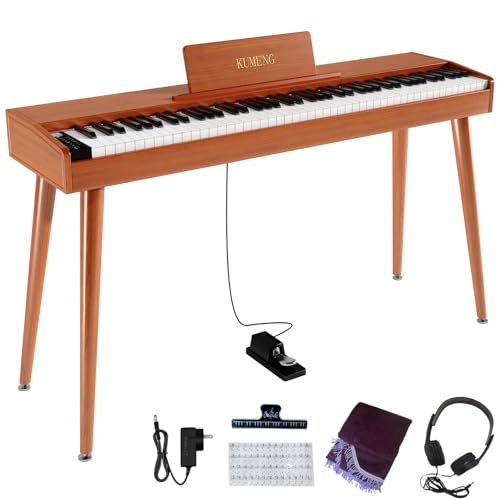
The KUMENG KU-3506 is a semi-weighted 88-key piano with a clean look and simple controls. It balances feel and price, making it a good step up from light-key models. The semi-weighted action helps develop control without the effort of full hammer action.
I found it pleasant for practice and clear to use. It supports USB-MIDI and has headphone mode for quiet study. If you want a middle ground among the best electric piano for beginners, this KU-3506 is a solid middle option.
Pros:
- Semi-weighted keys aid in building touch
- Full 88-key keyboard for complete practice
- USB-MIDI compatible for apps and recording
- Headphone mode for quiet sessions
- Simple design fits most homes
Cons:
- Not as heavy as true hammer-action keys
- Sound engine is adequate but not premium
- Requires space and a stand
My Recommendation
I recommend the KUMENG KU-3506 for beginners who want a balanced feel at a fair price. It’s best for learners moving from toy keyboards to a full-sized instrument. For a practical pick among the best electric piano for beginners, this model covers both playability and budget.
| Best for | Why |
|---|---|
| Intermediate beginners | Semi-weighted keys ease transition to hammer action |
| App users | USB-MIDI for learning apps and DAWs |
| Home study | Headphone mode and solid layout |
UISCOM 88-Key Semi-Weighted

UISCOM’s semi-weighted 88-key piano offers full size and a wooden finish for a warm look. It includes triple pedal support and USB-MIDI for lesson connectivity. Keys feel firmer than basic models and suit steady practice routines.
I appreciated the design that fits living spaces. The triple pedal gives expressive options. If you want an instrument that blends appearance and practice value, UISCOM is a contender for the best electric piano for beginners.
Pros:
- Full 88-key layout with semi-weighted feel
- Wood-like finish blends with home decor
- Three-pedal unit supports expressive playing
- USB-MIDI for modern learning tools
- Included stand and accessories for easy setup
Cons:
- Semi-weighted action not equal to hammer action
- Speakers could be richer for tone lovers
- Assembly needed for stand and pedals
My Recommendation
I recommend the UISCOM 88-Key Semi-Weighted for beginners who want style and function. It’s best for learners who need a full keyboard with pedal work and a nicer cabinet look. For a balance of form and practice needs, this model joins the ranks of the best electric piano for beginners.
| Best for | Why |
|---|---|
| Home performers | Wood finish and pedals suit living rooms |
| Technique learners | Semi-weighted keys help finger control |
| MIDI users | USB-MIDI connects to teaching apps |
UISCOM Weighted 88-Key Desk

This UISCOM weighted 88-key desk piano has progressive hammer action and a clever design that doubles as a desk or vanity. It’s ideal for learners with limited space who want an instrument that blends into a room. The keys feel closer to acoustic models.
I found the transformable desk useful in small apartments. The hammer-action keys make it one of the more realistic beginner options. For the best electric piano for beginners with space-saving design, this model is very smart.
Pros:
- Progressive hammer-action keys for realistic feel
- Transforms between desk and piano to save space
- Good MIDI support for lessons and recording
- Elegant wood finish fits modern rooms
- Triple pedal support for expressive technique
Cons:
- Higher price due to design and features
- Assembly and setup can be time-consuming
- Not as portable as slim keyboards
My Recommendation
I recommend the UISCOM Weighted 88-Key Desk for beginners who need a premium look and real key action in a small space. It’s best for learners who want the best electric piano for beginners that doubles as furniture. This option gives strong long-term value if you want both style and feel.
| Best for | Why |
|---|---|
| Small spaces | Transforms between desk and piano |
| Serious learners | Hammer action supports technique |
| Stylish homes | Elegant finish fits décor |
61-Key Light-Up Learning Keyboard
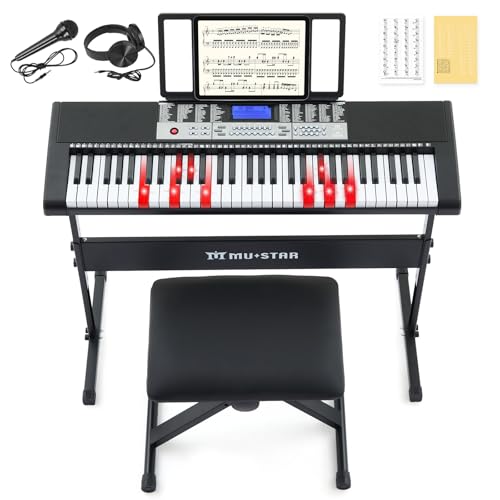
This 61-Key Light-Up Learning Keyboard focuses on fast, fun learning with illuminated keys and a smart learning system. It offers 255 tones and rhythms plus a mic and headphones for silent practice. The light-up keys map to lessons and speed up song learning.
I tested its teaching mode and saw how beginners can learn note placement quickly. It’s an excellent tool for visual learners and home practice. If your goal is quick progress with engaging tech, this keyboard is a smart choice among the best electric piano for beginners.
Pros:
- Light-up keys speed up learning
- Many tones and rhythms for variety
- Smart learning system guides practice
- Includes mic and headphones for flexibility
- User-friendly interface for kids and adults
Cons:
- Non-weighted keys limit technique gains
- Plastic build not for long-term heavy use
- Not suited for classical repertoire
My Recommendation
I recommend the 61-Key Light-Up Learning Keyboard for beginners who need guided, fast learning. It’s best for visual learners and parents who want an engaging tool for kids. If you want the best electric piano for beginners that uses tech to teach, this keyboard performs well.
| Best for | Why |
|---|---|
| Visual learners | Light-up keys make notes clear |
| Kids and teens | Engaging features keep practice fun |
| Budget tech users | Many tones and learning modes for the price |
61-Key Smart Learning Keyboard
This Smart Learning 61-Key Keyboard is similar to other light-up models but emphasizes a smart system and many rhythms. It offers headphones, a mic, and a starter stand. It’s designed for practice sessions that feel like games.
I found it great for motivated beginners who like gamified progress. The learning curve is gentle and fun. As a first keyboard, it earns points for engagement and quick wins.
Pros:
- Smart learning features accelerate progress
- Includes headphones and mic for practice modes
- Many tones and rhythms for variety
- Compact design fits small spaces
- Good price for bundled equipment
Cons:
- Keys are unweighted and light
- Not ideal for building classical technique
- Sound quality is basic versus digital pianos
My Recommendation
I recommend the 61-Key Smart Learning Keyboard for beginners who learn best through play and structure. It’s best for younger players and casual adults who want quick improvement. When choosing the best electric piano for beginners, this keyboard is a fun, low-barrier option.
| Best for | Why |
|---|---|
| Gamified learners | Smart system makes practice feel rewarding |
| Casual players | Easy setup and fun features |
| Small rooms | Compact design with included accessories |
Which Key Features Matter Most?
As you look for the best electric piano for beginners, focus on three things: touch, sound, and connectivity. Touch matters for building technique. Sound quality keeps practice inspiring. Connectivity to apps and MIDI lets you learn with modern tools.
I always tell students to pick an instrument that matches their goals. If you aim for classical study, choose 88 weighted keys. If you need portability, pick 61 keys with strong learning features. Balance your budget and goals.
FAQs Of best electric piano for beginners
1. Do beginners need 88 keys?
Not always. 61 keys work for early learning and portability. But 88 keys are best if you plan to play classical pieces or want long-term growth. I recommend 88 if you plan sustained study.
2. Are weighted keys necessary?
Weighted keys mimic an acoustic piano and build finger strength. Semi-weighted is a good middle ground. For the best electric piano for beginners, choose at least semi-weighted if you plan to progress seriously.
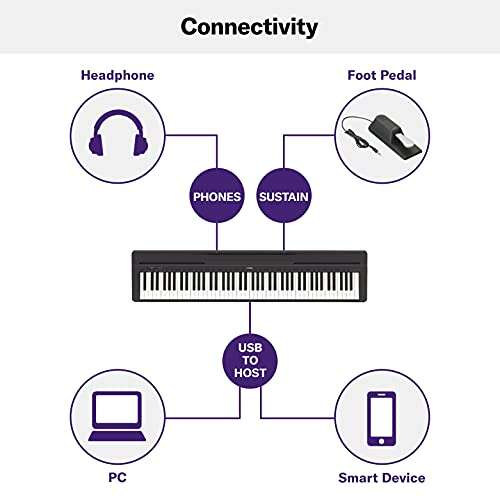
3. How important is USB-MIDI and app support?
Very helpful. USB-MIDI connects to lessons, recorders, and learning apps. I use MIDI with students every day to track practice and improve faster. It’s a top feature for modern learners.
4. Can I learn on a 61-key light-up keyboard?
Yes. You can learn basics, timing, and songs. Light-up keys help beginners. But plan to move to a full 88-key, weighted instrument for advanced technique later.
5. What about speakers vs. headphones?
Both matter. Speakers are fine for home use and sharing. Headphones let you practice without disturbing others and hear detail. A piano with both options is most flexible for beginners.
Final Verdict: Which Should You Buy?
If you want the most realistic feel and long-term growth, I recommend the Donner DEP-20 as the best electric piano for beginners. It blends hammer action, pedals, and a full 88-key range at a fair price.
For portable or budget learners, the Alesis 88-Key or light-up 61-key options work well. Pick the model that matches your goals and space, and start playing today.