Is Bass Guitar Easier Than Guitar: The 2026 Comparison Guide
Bass guitar is often considered easier to start because of simpler single-note lines, but it becomes equally challenging.
Whether you are picking up an instrument for the first time or thinking of switching, the classic question—”is bass guitar easier than guitar?”—sparks long debates. I have played both on stage and in the studio for years. From that time, I learned one clear thing: there is no simple answer. The bass is the song’s foundation. The electric guitar carries melody and color. Which one feels easier depends on your goals, your ear, and how much time you will spend on rhythm versus technical speed.
The Core Differences in Difficulty
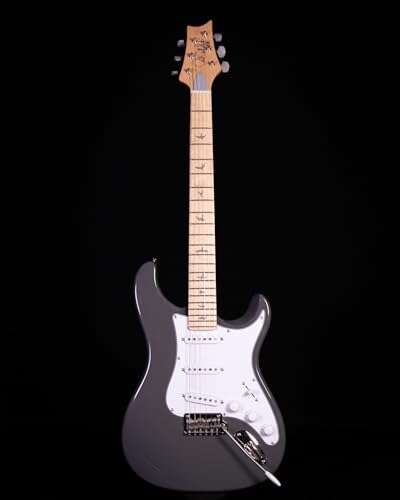
Beginners often compare the two by feel. A standard electric guitar has six strings. It asks you to learn chords and sometimes awkward hand shapes. A typical bass has four thicker strings. You mostly play single notes. That can feel simpler at first.
Physical feel: strings, scale, and setup
Bass strings are thicker. The scale length is longer. That means more reach and more finger pressure. Your fingertips may hurt more at the start. You will build stronger hands with time. Setup matters. Lower string action and proper intonation make both instruments easier to play.
Chords vs single-note lines
Guitarists learn many chord shapes. They also learn strumming patterns and fingerpicking. Bass players focus on basslines, root notes, and connecting tones. Early progress on bass can feel faster because you play fewer notes at once. But that does not mean it is easier long term.
Timing and groove: why bass demands precision
One big difference is timing. The bass locks with the drums. If a bassist plays off time, the whole band feels off. A missed guitar chord can be padded over. A missed bass note can expose the song’s weak spot. So bass work demands steady rhythm, great feel, and consistent pocket playing.
Understanding the Role of Each Instrument
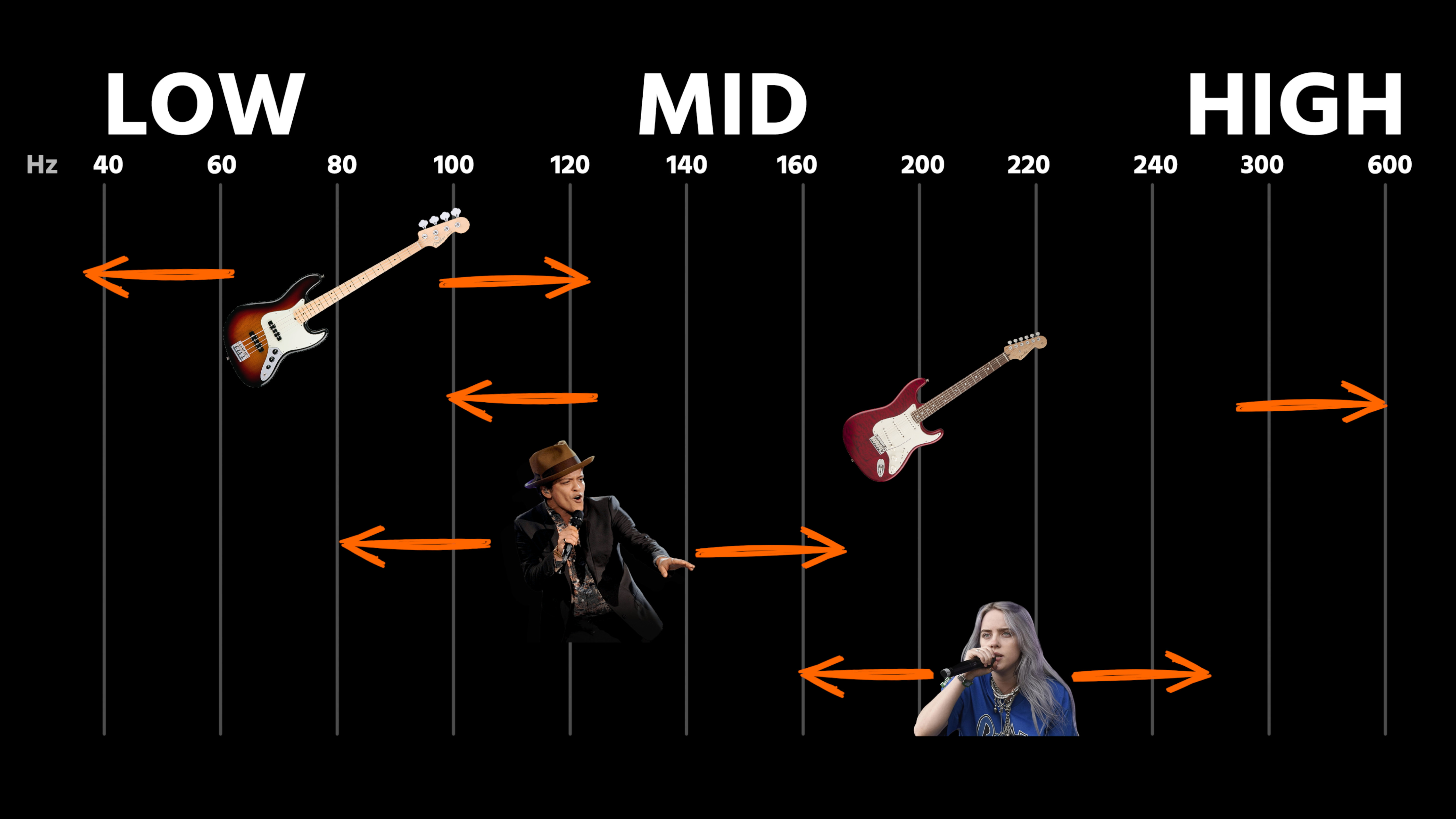
You can better judge difficulty when you know what each instrument must do in a band. The guitar often handles melody, solos, and harmony. That requires learning many scales and chord shapes. The learning curve can feel steep early on.
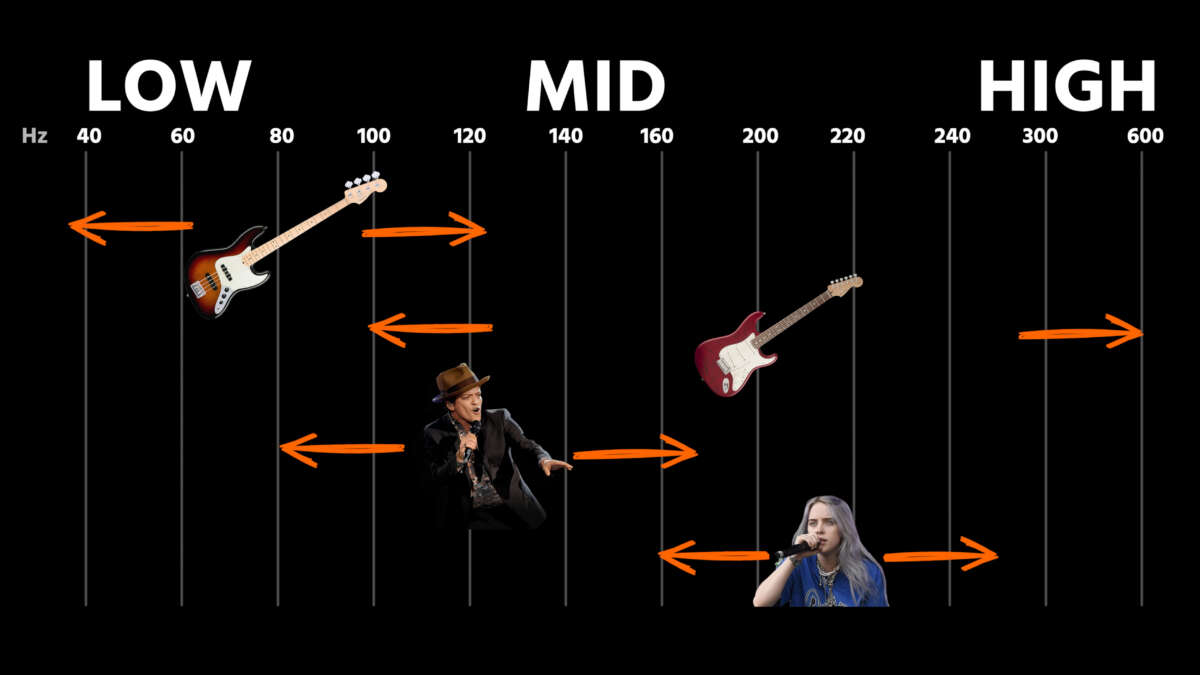
The bass sits between drums and melody. Its job is to lock with the kick drum. It defines the chord root and the harmonic path. Often you play one note at a time. That can speed early learning. But writing great basslines and grooves is an art. It takes time and musical taste to master.
Common bass roles and techniques
Here are tasks bass players often handle:
- Locking with the kick drum to form the rhythm section.
- Playing root notes, fifths, and octave jumps to outline chords.
- Using walking basslines in jazz to support chord changes.
- Using slap, pop, or fingerstyle for funk and modern sounds.
- Creating fills that move the song forward without crowding the mix.
Common guitar roles and techniques
Guitarists typically do:
- Chordal rhythm and strumming patterns that shape the song.
- Melodies and solos that stand out in the mix.
- Chord voicings and extensions that color harmony.
- Lead techniques like bends, vibrato, tapping, and fast picking.

Personal Insights on Starting Your Journey
I started on a six-string guitar. I fought barre chords for months. When I tried bass, I felt relief. I could play root notes and instantly support a band. That felt good. But I soon found another challenge: groove. Playing the right note is one thing. Making people move is another.
Beginner practice routine for bass
Here is a simple 30–40 minute daily plan I recommend for new bass players. It builds strength, timing, and musicality.
- Warm-up (5 minutes): open-string plucks, chromatic runs.
- Timing (10 minutes): play with a metronome and focus on locking with the beat.
- Scales and positions (10 minutes): major, minor, and pentatonic shapes.
- Groove practice (10 minutes): learn simple basslines to popular songs.
- Cool down (5 minutes): slow melodic runs, ear training.
Tips I learned on the road
- Use a metronome or play with a drum loop every day.
- Learn to play with a pick and with fingers. Both have uses.
- Work on dynamics. A good bassist plays loud and soft at the right times.
- Study songs you love. Transcribe basslines and analyze them.
- Play with drummers as soon as you can. Real band time builds pocket fast.
Frequently Asked Questions of is bass guitar easier than guitar
Does the bass guitar have fewer notes to learn than the guitar?
The notes across the fretboard are the same. But bass players focus on single-note lines. Guitar players often learn chords and shapes. That makes the early fingerwork feel simpler on bass. Still, understanding harmony and voice leading on bass adds depth. You will study scales, arpeggios, and chord tones over time.
Is it physically harder to play the bass guitar?
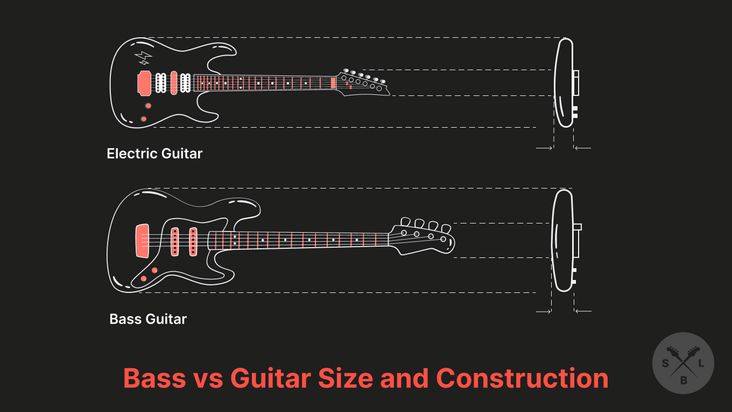
Yes and no. Bass strings are thicker. The neck is longer. You need more finger and hand strength at first. Over months of practice, your hands adapt. Technique and good setup reduce strain. Proper posture, thumb placement, and light touch make long sessions easier.
Can I transition from bass guitar to electric guitar easily?
Many core skills transfer. Reading tabs, rhythm skills, and fretboard knowledge help. If you move to guitar, you will learn chords and more lead techniques. Your bass background gives you an edge in timing and musicality. The transition is smooth if you practice targeted guitar exercises.
Is bass guitar less popular than regular guitar?
There are fewer bassists than guitarists. That is true in most scenes. This shortage creates demand. Skilled bass players find many chances to play in bands. If you want more gig work, learning bass can be a smart choice.
Does a bass guitar require less practice than a guitar?
No. To reach a pro level, both need many hours. Bass and guitar require focused, deliberate practice. You must build speed, accuracy, timing, tone control, and musical taste. Hundreds of hours of smart practice give real progress.
Should I choose bass or guitar first?
Pick the instrument that excites you. If you love rhythm, low end, and groove, try bass. If you want solos, chord work, and singing while playing, start with guitar. Both pathways teach useful skills. If unsure, rent or borrow both for a few weeks. The one you enjoy most is usually the right choice.
Conclusion
The debate about whether bass guitar is easier than guitar will go on. The best guide is your own interest. Bass offers a rhythmic, foundational role that rewards players who love pocket and groove. Guitar gives a melodic landscape for solos and harmony. Neither instrument is truly easier in the long run. They follow different paths to mastery.
Start by listening to your favorite songs. Notice which parts grab your attention. If you feel the low-end pulse, pick up a bass and begin. If solos and complex harmonies call you, pick the guitar. Practice steadily. Use a metronome. Play with other musicians. And most importantly, have fun making music.

Senior Music Reviewer
Alex Carter is a seasoned music reviewer with over a decade of experience in the world of sound and instruments. Passionate about helping musicians and enthusiasts make informed choices, he brings sharp insights and in-depth knowledge to every review. From classical instruments to modern gear, Alex combines technical expertise with a love for music to deliver content that resonates with readers.
As a Senior Music Reviewer and expert author on Tuneluma.com, Alex is dedicated to sharing honest evaluations, practical advice, and thoughtful commentary to guide readers in their musical journey.