How Does An Electric Guitar Work: The 2026 Beginner Guide
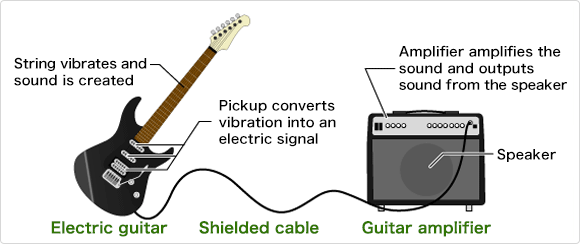
An electric guitar works by using magnetic pickups to convert the vibrations of steel strings into electrical signals.
When you first hold an electric guitar, it feels like a solid block of wood and metal. Yet it holds the potential for endless sound. After years in recording studios and repairing vintage instruments, I still enjoy peeling back the simple physics that turn a string pluck into a stadium anthem. Understanding how an electric guitar works is not only for luthiers. It is the key to unlocking your instrument’s true tone. By looking at strings, magnets, pickups, and amplifiers, we can open the curtain on this iconic tool of modern music.
The Anatomy of Vibration and Induction
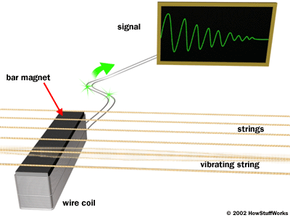
At the heart of the instrument is electromagnetic induction. When you strike a steel string, it vibrates inside the magnetic field of the pickup. A pickup is a magnet wrapped in many turns of fine copper wire. As the steel string moves, it disturbs the magnetic field. That changing magnetic flux induces a tiny electrical current in the coil. The waveform of that current follows the string’s motion and frequency.
In simple physics terms, this follows Faraday’s law of induction. The faster or larger the string motion, the larger the induced voltage. Pickup design—magnet type, pole-piece spacing, and number of coil turns—changes the signal’s strength and frequency balance.
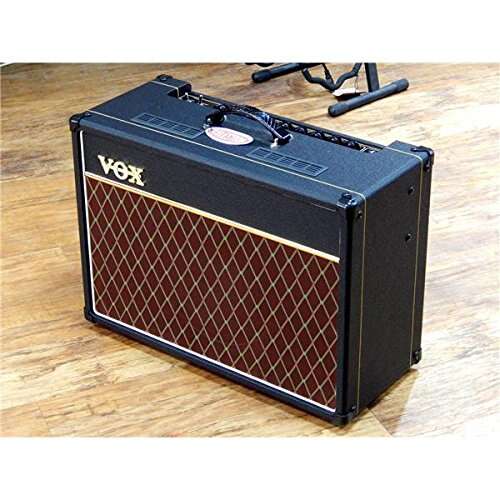
I learned this first-hand when a loose pickup wire in a vintage Telecaster caused a weak, brittle sound. That small fault taught me how fragile the signal path is. The pickup’s raw voltage is still small. It can’t drive a speaker directly. The signal must leave the guitar through the output jack and head to an amplifier. The amp raises the voltage and current so a speaker can move air and make sound.
Every part of the guitar affects tone. The bridge material, pickup wiring, and even the string type change what the pickups “see.” Understanding these links helps you shape tone in an informed way.
How pickups create a usable signal (quick summary)
- Steel string vibrates over a magnet.
- The vibrating metal changes the magnetic field.
- That change induces voltage in the pickup coil.
- The coil output goes to pots, switches, and the output jack.
- An amplifier boosts the signal to drive a speaker.
The Role of Guitar Controls and Circuitry
Once the pickup produces a signal, it travels through the guitar’s wiring harness. This wiring is the control center for your tone. Most guitars have volume and tone knobs. These knobs are potentiometers (variable resistors). They change how much signal flows to the output.
The volume pot simply reduces or increases output level. The tone pot usually works with a capacitor to bleed high frequencies to ground. Turn the tone down and you get a darker sound. Turn it up and the sound brightens. The exact capacitor value (typically 0.022µF or 0.047µF) affects how quickly highs are rolled off.
I’ve fixed many guitars with scratchy pots or bad switches. A scratchy pot makes the signal noisy. A bad switch can mute pickups or make tone thin. When you toggle the pickup selector switch, you choose which coils are active. The bridge position usually sounds brighter and sharper. The neck position is often warmer and rounder. Combining pickups gives more tonal options.
Wire type, solder joints, grounding, and shielding also matter. Shielding the control cavity with copper tape reduces hum. Proper grounding prevents buzzing caused by nearby lights or appliances. These details are small. But they make a big difference in clarity and noise floor.
Pickup wiring and common mods
Simple wiring changes can alter tone and functionality. Examples I often recommend:
- Series/parallel switching on humbuckers for varied output and clarity.
- Coil-splitting a humbucker to get single-coil brightness.
- Treble-bleed circuits on the volume pot to keep highs when you lower volume.
Beyond the Physics: Setting Up Your Sound
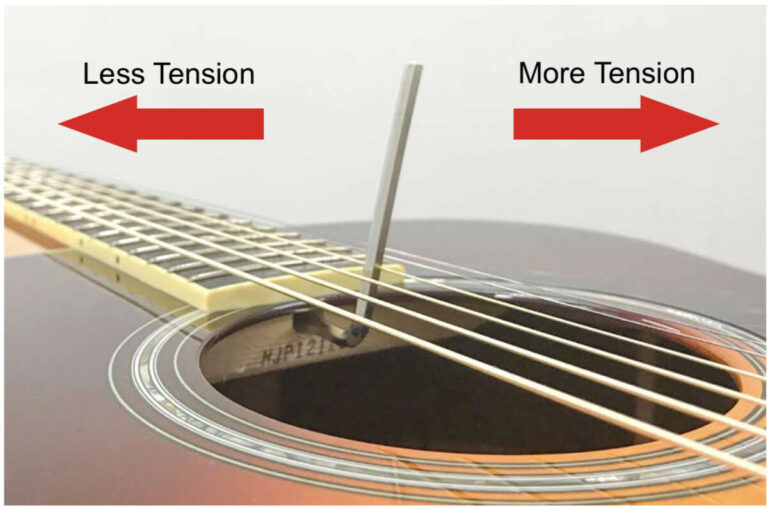
The mechanics are only half the story. The physical setup of the guitar affects how the electronics perform. Pickup height, string action, and intonation control how clearly strings vibrate. If strings sit too high above the pickup, the magnetic pull is weaker and tone becomes thin. If strings are too close, magnets can pull on the string. That causes tuning instability and strange overtones called “magnetic pull” or “intonation warble.”
I tell students a good setup is as vital as the electronics. A well-adjusted guitar lets the strings vibrate freely. That gives the pickups a clean signal to capture. When you know how an electric guitar works, you stop treating it like a mystery and start treating it like a precision tool. Try adjusting pickup height, string gauge, and action incrementally. Listen closely. Small changes yield big differences.
Practical setup ranges and tips
Start with these baseline suggestions and tweak to taste:
- Pickup gap: roughly 2–3 mm at the bass side and 1.5–2.5 mm at the treble side when fretted at the highest fret. Adjust by ear for balance and attack.
- String action: electric players often use 1.5–2.5 mm at the 12th fret for comfortable play and fewer fretting issues.
- Intonation: set saddles so fretted notes are in tune at the 12th fret. Retune and recheck after each adjustment.
These are starting points only. Your preferred gauge, playing style, and string height will change the ideal settings.
Pickup Types and Tone Differences
Pickup design drives much of an electric guitar’s voice. Different pickups capture string motion differently. Common types include single-coil, humbucker, and P90s. Each has unique characteristics.
Single-coil pickups
Single coils are known for bright, clear tones. They have fewer coil turns and a lower output. That makes them articulate and responsive. They also pick up electromagnetic interference, which can cause 60-cycle hum in some settings.
Humbuckers
Humbuckers use two coils wired out of phase. This cancels hum and increases output. They sound thicker and warmer than single coils. They are favored for rock, jazz, and metal where a fuller tone or higher gain is needed.
P90 pickups
P90s sit between single-coils and humbuckers. They have a punchy midrange and more bite than modern humbuckers.
Magnet types—Alnico (II, III, V) or ceramic—also shape tone. Alnico magnets are often described as warm or musical. Ceramic magnets tend to push more output and aggression.
Active vs Passive Electronics
Most guitars are passive. Passive pickups need no battery. They rely solely on coil and magnet physics. Active pickups include a preamp. The preamp raises output and lets you shape tone with less noise. Active systems require a battery—usually 9V.
I’ve refretted guitars where the owner added active circuitry for boost and clarity in the studio. The battery brought consistent headroom and lower noise, but it did change the instrument’s natural dynamics. Choose active if you want more output and control. Choose passive if you want a more organic, touch-sensitive response.
Signal Chain: From String to Speaker
Understanding the full signal chain helps troubleshooting and tone choices. The basic path is:
- String vibration → pickup coils (magnet + wire)
- Pickup output → volume/tone pots and selector switch
- Guitar output jack → guitar cable
- Cable → amplifier input or pedalboard
- Amplifier → speaker cabinet → sound you hear
Every link affects tone and noise. A poor cable or bad jack can degrade sound. Pedals and amp settings shape the final tone. In the studio I learned to isolate each element of the chain. That made it easy to find whether noise came from the guitar, cable, pedal, or amp.
Materials and Their Effect on Tone
People often ask whether wood matters. The short answer: yes, but not the whole story. Body wood, neck wood, and construction style influence sustain and resonance. Hard, dense woods like maple can add brightness and snap. Lighter woods like alder and swamp ash often give a balanced midrange.
Hardware also matters. A solid steel bridge, locking tuners, or a high-mass tremolo can increase sustain and change attack. Nut material and saddle contact point can subtly affect harmonics and intonation. While pickups capture the signal, the instrument’s build colors that signal before it reaches the amp.
Troubleshooting Common Issues
Here are reliable checks when tone feels off:
- Weak or intermittent signal: check solder joints, output jack, and pickup wires.
- Unwanted hum: test with cover removed and control cavity shielded. Try hum-canceling pickups or better grounding.
- Muddy tone: check pickups height, string action, and pickup polarity. Clean or replace pots if they are scratchy.
- Tuning instability or warbling: inspect pickup proximity and magnetic pull. Also check tuner stability and nut binding.
I keep a small electronics kit in my case. It has solder, a new jack, and a few pots. It has saved many gigs.

Frequently Asked Questions of how does an electric guitar work
Do electric guitars need batteries to work?
Most standard electric guitars are passive and do not require batteries to produce a signal. However, guitars equipped with active electronics or onboard preamps do require a 9V battery to power the circuit. Active systems give higher, cleaner output and built-in EQ or boost options.
Does the wood of the guitar affect the sound?
Yes. The density and type of wood influence sustain and resonance before the vibrations reach the pickups. Pickups capture most of what you hear, but body and neck woods add subtle coloration. Construction, finish, and hardware also shape tone.
Why do some guitars have different types of pickups?
Different pickup designs—single coils, humbuckers, P90s—use different coil windings and magnet arrangements. They create unique tonal profiles and noise characteristics. Single coils are bright and articulate. Humbuckers cancel hum and give thicker output. P90s sit between the two in tone and output.
Can I play an electric guitar without an amplifier?
You can physically play the guitar without an amp, but the sound will be very quiet and lack the tonal character and volume you expect. The electric guitar is designed to rely on external amplification to convert its signal into audible music.
What causes the hum often heard in electric guitars?
The hum usually comes from electromagnetic interference interacting with pickup coils. Fluorescent lights, computer monitors, and other devices can introduce 60Hz hum. Shielding the control cavities with copper tape, ensuring good ground connections, or switching to hum-canceling pickups are common fixes.
Recommended Maintenance and Simple Upgrades
Keeping your guitar in top shape improves tone and reliability. A few practical tips I follow:
- Change strings regularly. Old strings sound dull and can hide setup problems.
- Clean pots with contact cleaner if they get scratchy.
- Check and tighten output jack and strap button screws.
- Consider upgrading to higher-quality pots, capacitors, or switch if you want a clearer tone or more reliable controls.
Small upgrades like a better capacitor for the tone control or a higher-quality output jack make the instrument feel more professional. I document mods so I can return to stock if needed for resale or vintage authenticity.
Conclusion
The electric guitar is a neat mix of mechanics and electronics. It lets players turn physical energy into music. By learning how magnetic fields, vibrations, and amplification work together, you can troubleshoot gear better. You can also better dial in the tone you want. Every change you make—lowering action, altering pickup height, or changing string gauge—matters. I encourage you to pick up your screwdriver, move a pickup a millimeter, and listen. Small changes reveal big differences. Keep exploring the science behind your music, and feel free to leave a comment below about your own experiences with your guitar setup.


Senior Music Reviewer
Alex Carter is a seasoned music reviewer with over a decade of experience in the world of sound and instruments. Passionate about helping musicians and enthusiasts make informed choices, he brings sharp insights and in-depth knowledge to every review. From classical instruments to modern gear, Alex combines technical expertise with a love for music to deliver content that resonates with readers.
As a Senior Music Reviewer and expert author on Tuneluma.com, Alex is dedicated to sharing honest evaluations, practical advice, and thoughtful commentary to guide readers in their musical journey.