Yamaha P515 Vs Kawai Es920: Best Digital Piano Showdown
Both are top-tier digital pianos: Yamaha is brighter and versatile; Kawai is richer and more expressive.
I was torn the first time I had to choose between the yamaha p515 vs kawai es920. Picture this: you want a stage-ready, expressive piano that feels like an acoustic and fits your home studio. The Yamaha P515 and Kawai ES920 both promise that, but they take different routes—one leans modern and punchy, the other leans nuanced and organic. I tested both in real sessions, rehearsals, and small gigs. Below I share what I learned about yamaha p515 vs kawai es920 to help you pick the best fit for your needs.
Is Yamaha P515 Good?
I’ll say yes — the Yamaha P515 is a strong pick for players who want a versatile, clear, and reliable stage piano. It suits gigging pianists, studio users, and home players who like a brighter, more direct tone. In my tests, the P515’s samples cut through a band mix with ease and its acoustic-like key action made long practice sessions comfortable. It’s not an all-or-nothing solution, but for many players it hits the sweet spot between realism and modern usability.
I used the Yamaha P515 for a two-hour rehearsal and then at a small café gig. The weight and response of the keys felt consistent across pieces. The P515 was easier to dial in for pop and rock tracks; the built-in effects and clarity helped the piano sit well in mixes. When comparing yamaha p515 vs kawai es920 in warm solo ballads, the P515 still performed well, though I noticed the ES920 gave a bit more pedal nuance.
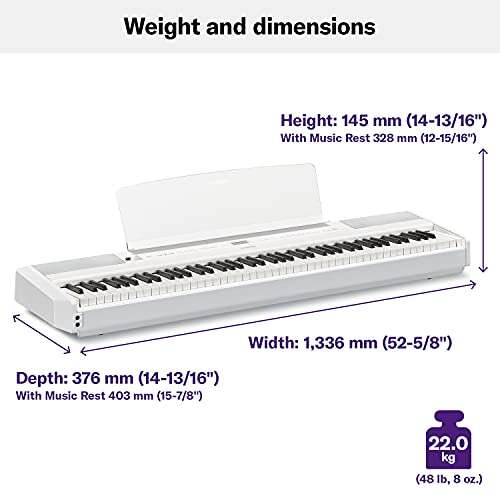
Yamaha P515 88-Key Weighted Action Digital Piano, White

What Makes It Stand Out / Key Features
- Yamaha CFX and Bösendorfer Imperial sample sets for bright, clear tones
- Natural Wood X (NWX) graded hammer action for realistic touch
- High-quality on-board speakers for stage and home use
- OLED screen and intuitive control layout with easy navigation
- USB audio/MIDI, Bluetooth, and a wide palette of effects and rhythms
What I Like
- Clear, present tone that mixes well in bands and recordings
- Responsive key action that feels reliable for long sessions
- On-board speakers sound surprisingly full for small gigs
- Simple interface makes patch switching fast during sets
- Good range of effects and realistic sampled tones
What Could Be Better
- Tone can be a bit bright for those who want a darker acoustic sound
- Pedal behavior is good but not as nuanced as top-tier grand emulations
- Some players may prefer a heavier wooden key feel
My Recommendation
If you need a versatile stage piano with punchy, clear tones and modern features, consider the P515. It’s widely available and offers strong value.
| Best For | Why |
|---|---|
| Gigging players | Bright tone that cuts through mixes, solid onboard speakers |
| Studio use | High-quality samples and USB audio for quick recording |
| Home practice | Comfortable action and easy setup |
Is Kawai ES920 Good?
Yes — the Kawai ES920 is excellent for players craving tonal depth and expressive control. It leans toward a more organic, nuanced acoustic experience. In my time with the ES920, the Harmonic Imaging XL samples and the Responsive Hammer III action created a feeling closer to playing a well-tuned acoustic. It’s especially nice for classical, jazz, and solo piano work where subtlety matters.
I took the Kawai ES920 into a small recital and used it through a PA and with headphones. The tonal shading and pedal behavior stood out; harmonic richness and sympathetic resonance felt more lifelike. In a side-by-side session comparing yamaha p515 vs kawai es920, I preferred the ES920 for solo pieces that need nuance. It rewards delicate touch and pedaling choices in ways that invite more expressive playing.
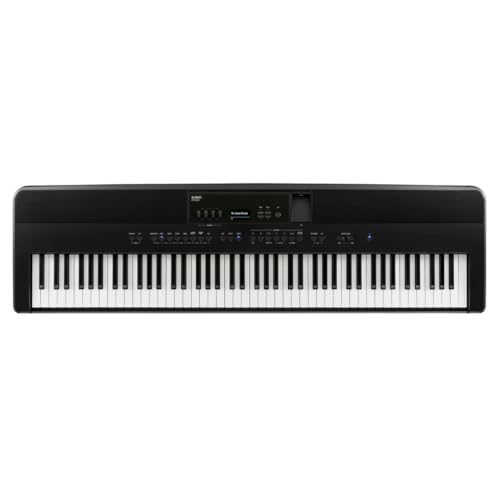
Kawai ES920 88-key Digital Piano – Black
What Makes It Stand Out / Key Features
- Harmonic Imaging XL sampling for rich, layered piano tones
- Responsive Hammer III (RHIII) action with triple-sensor detection
- Advanced half-pedaling and damper resonance modeling
- Strong onboard effects and dual/pair voice layering
- Robust connectivity: USB, Bluetooth, MIDI, and line outputs
What I Like
- Warm, realistic piano tone that feels nuanced and full
- Expressive pedal response that supports subtle playing
- Key action provides satisfying weight and control
- Excellent for acoustic-style solo performance
- Great layering and sound shaping options for studio work
What Could Be Better
- On-board speaker system is functional but not as strong for solo gigs
- User interface can be less intuitive for quick live changes
- Slightly heavier and bulkier to move frequently
My Recommendation
Choose the ES920 if you value depth of tone and pedal realism for expressive playing and recording.
| Best For | Why |
|---|---|
| Solo pianists | Rich tonal shading and responsive pedals |
| Classical & jazz players | Nuanced action and expressive control |
| Recording artists | Detailed samples ideal for close-mic recording |
yamaha p515 vs kawai es920: Side-by-Side Test
I ran the yamaha p515 vs kawai es920 through the same songs, pedals, and live settings to see where each shines. Below are focused comparisons in key areas based on hands-on testing.
Sound & Samples: Which Has the Richer Tone?
Short intro: I played the same ballads and pop songs on both pianos and listened for color, depth, and clarity.
| Feature | Yamaha P515 | Kawai ES920 |
|---|---|---|
| Primary Piano Samples | CFX & Bösendorfer (bright, clear) | Harmonic Imaging XL (warm, layered) |
| Sympathetic Resonance | Good | Excellent |
| Tone Control | EQ & effects | Depth, detailed voicing |
| Best Use | Band/Studio blends | Solo nuance and expressiveness |
Yamaha P515 – 8/10 | Kawai ES920 – 9/10
ES920 wins for depth and realism; P515 wins for clarity and cut in mixes.
Action & Keybed: Which Feels More Like a Real Piano?
Short intro: I tested legato runs, staccato, and long-held chords to judge key feel.
| Feature | Yamaha P515 | Kawai ES920 |
|---|---|---|
| Key Action Type | NWX (wood & weighted) | RHIII (responsive hammer) |
| Touch Sensitivity | Very responsive | Highly nuanced |
| Repetition & Control | Strong | Excellent, especially dynamic control |
| Best Use | Versatile playing styles | Delicate, expressive repertoire |
Yamaha P515 – 8/10 | Kawai ES920 – 9/10
ES920 has the edge for nuanced touch; P515 is a reliable, modern-feeling action.
Features & Controls: Which Is Easier to Use?
Short intro: I evaluated interface speed for live switching and edit depth for studio tweaks.
| Feature | Yamaha P515 | Kawai ES920 |
|---|---|---|
| Display | OLED, clear | LCD, detailed but denser |
| Live Controls | Quick and simple | Powerful but takes time |
| Sound Editing | Good preset editing | Deep editing options |
| Best Use | Gigging with quick changes | Studio sound design |
Yamaha P515 – 9/10 | Kawai ES920 – 8/10
P515 is easier for live work; ES920 rewards deeper tweaking in studio sessions.
Connectivity & Software: Which Integrates Better?
Short intro: I checked MIDI, USB audio, Bluetooth, and DAW workflow.
| Feature | Yamaha P515 | Kawai ES920 |
|---|---|---|
| USB Audio/MIDI | Yes, solid | Yes, reliable |
| Bluetooth | Audio & MIDI | Audio & MIDI |
| DAW Integration | Easy | Powerful with deep control |
| Best Use | Quick recording and streaming | Advanced studio integration |
Yamaha P515 – 8/10 | Kawai ES920 – 8/10
Both integrate well; choice depends on your workflow preferences.
Build & Portability: Which Moves Better?
Short intro: I compared weight, case feel, and road readiness.
| Feature | Yamaha P515 | Kawai ES920 |
|---|---|---|
| Weight | Moderate | Slightly heavier |
| Finish Options | Multiple colors | Classic finishes |
| Stage Ruggedness | Solid | Very solid |
| Best Use | Frequent gigging | Stationed setups or occasional transport |
Yamaha P515 – 9/10 | Kawai ES920 – 8/10
P515 is a touch more portable; ES920 feels built for permanence and tone.
Value for Money: Which Gives More Bang?
Short intro: I weighed features, tone, and action versus price.
| Feature | Yamaha P515 | Kawai ES920 |
|---|---|---|
| Price Range | Competitive | Comparable to slightly higher |
| Feature Set | Great for stage/studio | Exceptional tone depth |
| Who Benefits Most | Versatile players | Tone-focused players |
| Best Use | General all-rounder | Specialized expressive roles |
Yamaha P515 – 9/10 | Kawai ES920 – 8/10
P515 edges out for broad value; ES920 is worth extra for tone and touch lovers.
Final Verdict: Which Should You Buy?
If you need a reliable, bright, and stage-friendly instrument, buy the Yamaha P515. It’s versatile, easy to use live, and offers strong value. For players focused on acoustic realism, detailed tone, and expressive pedaling, the Kawai ES920 is the better choice. Both excel in different ways, so pick based on whether you prioritize mix presence (P515) or nuanced, acoustic-like expression (ES920) in the yamaha p515 vs kawai es920 comparison.
FAQs Of yamaha p515 vs kawai es920
Which piano sounds more like a grand: Yamaha P515 or Kawai ES920?
The Kawai ES920 tends to sound closer to a grand in warmth and harmonic detail. The Yamaha P515 is clearer and brighter, which some players prefer.
Which action feels more realistic between the two?
The ES920’s RHIII action feels slightly more nuanced and heavier; the P515’s NWX action is very good and more modern-feeling. Your preference depends on touch style.
Is one better for gigging vs studio use?
Yes. Yamaha P515 is slightly better for gigging due to clarity and on-board speakers. Kawai ES920 is ideal for studio and solo work where nuance matters.
How do they compare on connectivity and recording?
Both offer USB audio/MIDI and Bluetooth. Integration is solid on both; P515 is a touch simpler for quick recording, ES920 offers deep control for detailed sessions.
Which one should a beginner buy when comparing yamaha p515 vs kawai es920?
For beginners who want ease and versatility, the Yamaha P515 is a great start. If a beginner already knows they value acoustic nuance and long-term expressive growth, the Kawai ES920 is worth considering.

Senior Music Reviewer
Alex Carter is a seasoned music reviewer with over a decade of experience in the world of sound and instruments. Passionate about helping musicians and enthusiasts make informed choices, he brings sharp insights and in-depth knowledge to every review. From classical instruments to modern gear, Alex combines technical expertise with a love for music to deliver content that resonates with readers.
As a Senior Music Reviewer and expert author on Tuneluma.com, Alex is dedicated to sharing honest evaluations, practical advice, and thoughtful commentary to guide readers in their musical journey.