How To Become A Drum Major: Step-By-Step Leadership Tips
Lead with confidence: learn conducting, marching, communication, and rehearsal leadership.
I’ve led bands, taught majors, and helped students find the right path. If you want to know how to become a drum major, this guide will walk you through the skills, steps, and mindset you need. I’ll share proven drills, audition tips, leadership strategies, and real mistakes I’ve seen so you can move from section leader to the person the band follows.

What is a drum major?
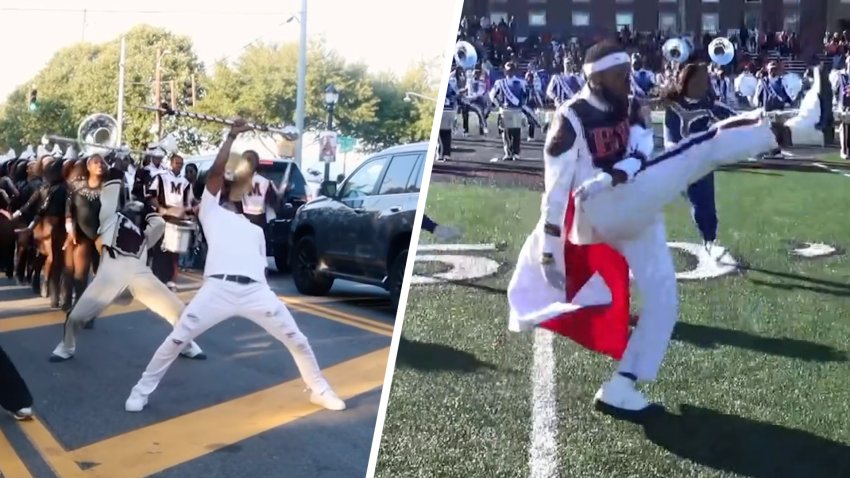
A drum major is the visual and musical leader of a marching ensemble. They conduct shows, set tempo, give marching commands, and represent the band on and off the field. Learning how to become a drum major means mastering music, movement, and people skills at the same time.

Core skills and qualities you must build
To learn how to become a drum major, focus on these core skills.
- Conducting and beat patterns
- Read scores and conduct clear downbeats, upbeats, and cutoffs.
- Marching and visual leadership
- March accurately, show crisp visuals, and lead transitions.
- Communication and rehearsal management
- Give concise feedback, run effective rehearsals, and be diplomatic.
- Confidence and presence
- Project energy and calm under pressure so the band trusts you.
- Musicianship and ear training
- Know rhythms, tempos, and tuning so musical decisions are sound.
- Problem solving and time management
- Lead warm-ups, solve section issues, and keep rehearsals on track.
I tell students to grade themselves weekly on these skills. Small, steady gains win auditions and build trust.

Step-by-step path: how to become a drum major
Follow this step-by-step plan to reach the role.
- Learn the basics of conducting
- Practice basic patterns: 2/4, 3/4, 4/4, and cutoffs.
- Work on clear baton or hand technique in front of a mirror.
- Improve marching fundamentals
- Master posture, roll step, and consistent stride length.
- Drill turns, snaps, and alignment with metronome practice.
- Build leadership experience
- Volunteer to lead sectionals and small ensembles.
- Take on administrative tasks like warm-up schedules.
- Study show command and drill flow
- Learn common marching commands and visual cues.
- Understand how drill design affects tempo and breath.
- Prepare audition materials
- Create a short conducting repertoire and a mock rehearsal plan.
- Record and critique your audition, then revise.
- Seek feedback and mentorship
- Ask directors, former drum majors, and peers for honest notes.
- Attend leadership clinics and camps when possible.
- Run mock auditions under pressure
- Simulate adjudicators, time limits, and live band responses.
- Adjust based on tape reviews and mentor advice.
Repeat these steps each season and track progress. Persistence and deliberate practice are key to how to become a drum major.

Training routines and leadership drills that work
Practical routines shorten the learning curve when learning how to become a drum major.
- Daily conducting drills
- 10 minutes of metronome-based patterns at varied tempos.
- 5 minutes of cutoffs and tempo changes to strengthen clarity.
- Marching and visual practice
- 20 minutes of stride drills, turns, and mirror checks.
- Practice leading a set of simple drill moves while conducting.
- Rehearsal leadership routine
- Plan a 30-minute sectional and a 60-minute full-band rehearsal script.
- Start with a two-minute opening speech to build presence.
- Communication and cue drills
- Practice giving correction statements that are brief and kind.
- Run “instant fix” drills where you cue a section back on tempo quickly.
From my experience, consistent short sessions beat occasional long practices. I recommend logging sessions and rating clarity, tempo control, and leadership each week.

Audition preparation: what directors listen for
Directors evaluate musical and leadership abilities when choosing a drum major. To ace auditions for how to become a drum major, know what they want.
- Musical accuracy
- Steady tempo, clean cutoffs, and correct patterns matter most.
- Clarity in conducting
- Large, readable gestures and consistent dynamics are essential.
- Command presence
- Confidence, eye contact, and brief rehearsal leadership show capability.
- Problem-solving on the spot
- Directors test how you handle tempo shifts or unruly sections.
- Communication style
- Calm, concise feedback beats long speeches.
Record your audition. Watch how you move and speak. Directors notice small signs of leadership.
Common conducting patterns and marching commands
Here are practical patterns and commands you will use daily in the journey of how to become a drum major.
- Basic beat patterns
- 2/4 pattern: downbeat on 1, small motion on 2.
- 3/4 pattern: downbeat on 1, middle, and upbeat shapes for 2 and 3.
- 4/4 pattern: strong downbeat and clear subdivision for tempo.
- Cutoffs and hold commands
- Use a firm stop gesture at eye level and give a small preparatory beat.
- Marching calls and cadence cues
- Call standards for "attention," "mark time," and "forward march."
- Visual cues for transitions
- Use eye contact and a pointed gesture to move sections cleanly.
Practice these with a metronome and a friend playing your band part. Real-time feedback speeds improvement.

Mistakes to avoid and lessons from real experience
I’ve led rehearsals and judged auditions. Here are common pitfalls and how to avoid them when learning how to become a drum major.
- Mistake: Over-talking in rehearsals
- Fix: Keep corrections to one or two sentences and show the example immediately.
- Mistake: Conducting too small or too large
- Fix: Match your gestures to the band size and rehearsal space.
- Mistake: Ignoring the band’s musical needs
- Fix: Balance marching needs with musical phrasing and breathing.
- Mistake: Not practicing under pressure
- Fix: Run mock auditions with peers watching and timing you.
A personal note: I once lost an audition because I focused on flashy visuals instead of clear beat control. After I prioritized steady tempo and short cues, I won the next audition. Learn from mistakes early so they stop holding you back.

Benefits and challenges of being a drum major
Knowing how to become a drum major helps you weigh the rewards and demands.
- Benefits
- Strong leadership experience that transfers to jobs and school.
- Enhanced musical understanding and communication skills.
- Visibility and respect within school and community.
- Challenges
- High responsibility and time commitment for rehearsals and travel.
- Pressure to remain calm under stressful performances.
- Balancing personal practice with leadership duties.
The role shapes character. If you enjoy teaching, performing, and leading, the benefits usually outweigh the challenges.
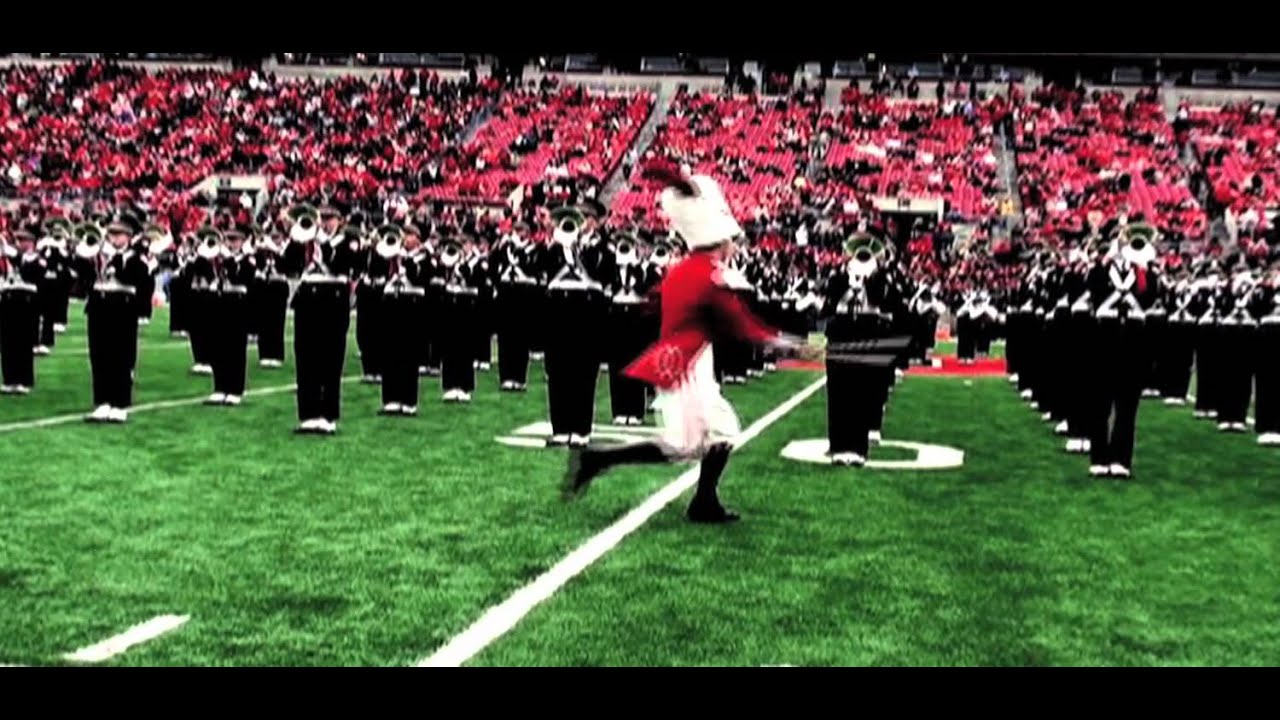
Gear, uniform, and showmanship tips
Small details matter when you learn how to become a drum major.
- Gear essentials
- Comfortable podium shoes or boots that match uniform needs.
- A good baton or mace you can control easily.
- Uniform and appearance
- Clean lines, polished shoes, and a consistent salute add authority.
- Showmanship tips
- Use controlled flourishes only when they support the music.
- Practice entrances and exits until they are smooth and consistent.
A memorable presence comes from reliability, not ostentation.
Resources and next steps
Take these next steps to accelerate your path to how to become a drum major.
- Attend a drum major clinic or camp this summer.
- Study university band handbooks and common adjudication guides.
- Watch and analyze recordings of respected drum majors for style.
- Seek a mentor among alumni or current staff and schedule weekly check-ins.
- Use apps for metronome, video review, and rehearsal planning.
Commit to a 12-week plan of focused practice and leadership tasks, then reassess. Small milestones build confidence and skill fast.
Frequently Asked Questions of how to become a drum major
What basic skills should I master first to become a drum major?
Start with steady conducting patterns and reliable march fundamentals. Build clear verbal cues and rehearsal organization skills next.
Do I need perfect marching to become a drum major?
You do not need perfection, but you must march well enough to model form and tempo for others. Consistency matters more than flashy moves.
How long does it take to be ready for a drum major audition?
With focused work, you can be audition-ready in one season, but many students refine skills over two to three years. Regular feedback speeds progress.
Can a vocalist or non-marching musician become a drum major?
Yes. Strong musical skills and leadership ability can make you an excellent drum major, even if you haven’t marched much before. You will need dedicated marching practice.
What should I include in my audition packet or rehearsal plan?
Include a short conducting demo, a mock rehearsal plan, and a tempo map for your show. Keep materials concise and easy to follow.
How do I handle nerves during an audition?
Breathe, use a practiced warm-up routine, and focus on clear gestures rather than perfection. Visualize success and treat the audition like a rehearsal.
Conclusion
Becoming a drum major is about steady skill-building, clear leadership, and deliberate practice. Master conducting, marching, and communication, seek honest feedback, and run mock auditions to gain confidence. Start small, track progress, and treat leadership as a daily habit. If you commit to the steps above, you’ll be ready to lead with authority and heart — take the first step this week: set a 12-week plan, schedule your first mock rehearsal, and ask a mentor for one honest critique. Share your progress or questions below to keep learning.

Senior Music Reviewer
Alex Carter is a seasoned music reviewer with over a decade of experience in the world of sound and instruments. Passionate about helping musicians and enthusiasts make informed choices, he brings sharp insights and in-depth knowledge to every review. From classical instruments to modern gear, Alex combines technical expertise with a love for music to deliver content that resonates with readers.
As a Senior Music Reviewer and expert author on Tuneluma.com, Alex is dedicated to sharing honest evaluations, practical advice, and thoughtful commentary to guide readers in their musical journey.