How To Do A Drum Stick Twirl: Easy Step-By-Step Guide
Master a smooth drum stick twirl by using a relaxed grip, wrist snap, and controlled finger release.
I’ve taught and practiced drumming techniques for years, so I know how to do a drum stick twirl in a way that’s safe, repeatable, and show-ready. This guide breaks the move into clear steps, covers gear and safety, offers progressions, and shares real mistakes I made so you don’t repeat them. Read on to learn precise, practical ways to practice and master how to do a drum stick twirl.

Why learn how to do a drum stick twirl
Learning how to do a drum stick twirl adds flair to playing. It improves finger control, timing, and hand confidence. The move is useful for fills, sticks-toss tricks, and stage showmanship. Approach it as both a skill and a performance tool to enhance your overall drumming.

Gear, safety, and grip basics for how to do a drum stick twirl
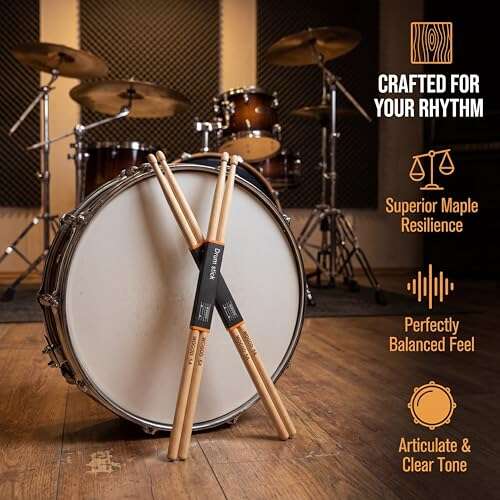
Choose the right sticks. Lighter sticks and balanced models are easier to twirl than extra-heavy rods. Tape the shaft lightly where your fingers will contact to prevent slipping.
Warm your hands and wrists before attempting twirls. A few minutes of basic rudiments and wrist rotations reduce strain and lower injury risk. Practice over soft flooring or a rug to catch drops and protect sticks.
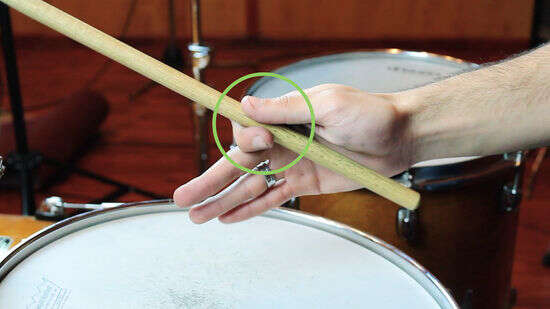
Hold the stick relaxed. Aim for a middle-to-rear grip for most twirls so the tip hangs past your knuckles. Tension kills spin. Keep your thumb and index finger flexible and ready to guide the rotation.

Step-by-step: Basic single-finger twirl (first twirl to learn how to do a drum stick twirl)
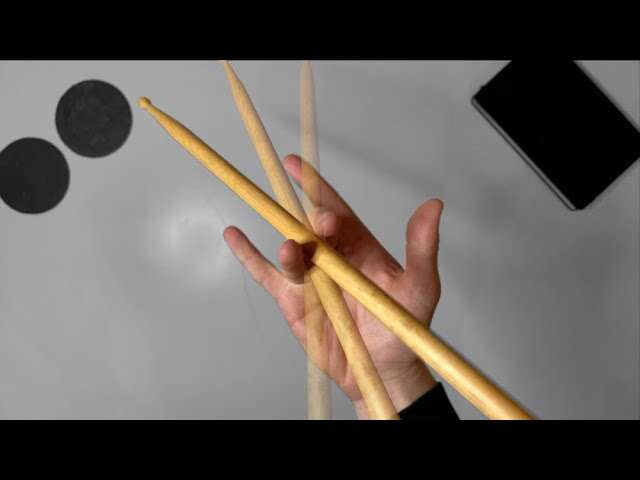
Start slow. Stand or sit with good posture. Rest the stick on your middle finger or index finger near the middle of the shaft.
Step 1: Place and balance
- Place the stick horizontally over your first knuckle or index finger.
- Rest the stick so it balances with a slight tilt toward the tip.
- Keep your thumb on the side for light control.
Step 2: Initiate with a wrist snap
- Use a small wrist flick toward the palm side.
- Allow the stick to roll onto the top of your finger.
- Keep fingers soft; do not grip tight.
Step 3: Catch with fingers
- As the stick completes a 180-degree rotation, open the index and middle finger slightly.
- Let the stick land between these fingers.
- Close your fingers gently to trap the stick and stop the spin.
Step 4: Reset and repeat
- Return the stick to the starting balance point.
- Repeat slowly ten times per hand.
- Increase speed only when consistent.
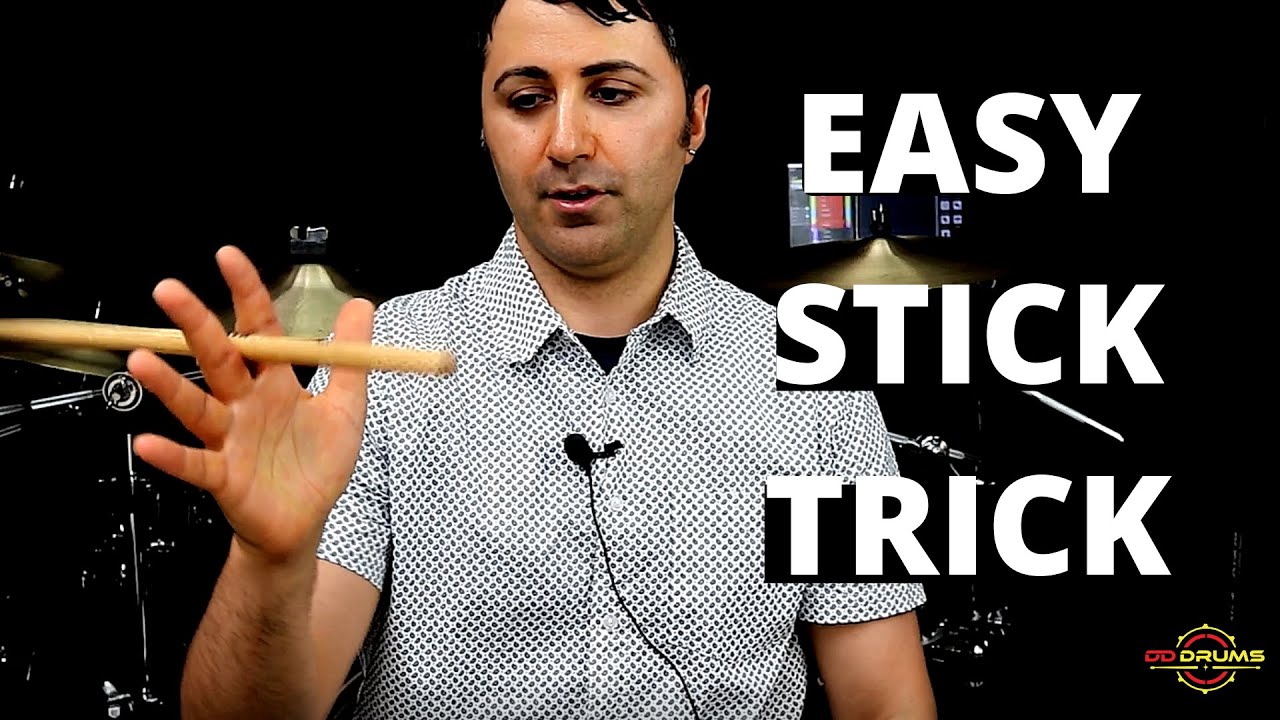
Practice these steps with short sets. Use a mirror to watch finger placement. If it flips unpredictably, slow down and focus on balance instead of speed. Repetition builds the neural pattern for how to do a drum stick twirl.

Progressions and variations to extend how to do a drum stick twirl
Once you can do a basic single-finger twirl, expand into these moves.
-
Finger pass
Practice passing the stick from index to middle finger during rotation for a smoother trail. -
Thumb spin
Use the thumb as a pivot so the stick rotates more around the base of the thumb. This gives a longer spin. -
Reverse spin
Practice spinning the stick back toward your wrist. It helps build bidirectional control. -
Two-handed combos
Alternate twirls between hands to create flow during fills or transitions. -
Show moves (behind-the-back, tosses)
Attempt only after nailing finger control and catches on both hands.
Keep progressions simple. Master each variant slowly. These steps scale your ability and protect you from bad habits while learning how to do a drum stick twirl.

Common mistakes and troubleshooting when learning how to do a drum stick twirl
Too tight a grip
If your grip is rigid, the stick won’t roll. Relax fingers and reduce thumb pressure.
Starting too fast
Speed causes misses and drops. Slow practice trains accurate motion. Use small bursts.
Wrong balance point
If you place the stick too far forward or back, spins become unstable. Adjust the resting spot until spins are predictable.
Neglecting the catch
Many learners focus on the spin and forget the catch. Practice just the catch movement until it’s smooth.
Ignoring wrist health
Twirls stress small joints if done wrong. Stop if you feel sharp pain and consult a pro for technique cues.
Practice routines to master how to do a drum stick twirl
Short, focused sessions beat long, sloppy ones. Try these sample routines.
Routine A — Beginner (10 minutes)
- 2 minutes of wrist warm-ups and finger stretches
- 3 minutes balancing the stick and slow single-finger twirls (each hand)
- 3 minutes of catching practice without spinning
- 2 minutes of relaxed cool-down and reflection
Routine B — Intermediate (15 minutes)
- 3 minutes warm-up with rudiments
- 5 minutes single-finger twirls with metronome at slow tempo
- 4 minutes progressions (thumb spin and reverse)
- 3 minutes combining twirls into a simple fill
Routine C — Show prep (20 minutes)
- 5 minutes dynamic warm-up and mobility exercises
- 8 minutes alternating twirls and passing combos with tempo increases
- 5 minutes practicing transitions into playing (strike then twirl)
- 2 minutes video review for posture and flair
Use a metronome to gradually increase speed. Record short clips to analyze hand motion. From my experience, small daily practice beats one long weekly session. Consistency trains the muscle memory that lets you perform how to do a drum stick twirl on stage.

Frequently Asked Questions of how to do a drum stick twirl
How long does it take to learn how to do a drum stick twirl?
Most learners can perform a simple twirl within a few days of focused practice. Getting it consistently fast and smooth often takes several weeks of short daily sessions.
Are certain sticks better for learning how to do a drum stick twirl?
Yes. Medium-weight sticks with a balanced feel and a smooth shaft are easier to twirl. Lighter and well-balanced models reduce strain and increase control.
Will twirling sticks damage my playing technique?
If learned carefully, twirling improves finger control and does not harm technique. Avoid forcing speed and practice with good posture to prevent bad habits.
Can I twirl while playing the drums?
Yes, but practice the catch and timing first without playing. Gradually integrate a simple twirl between hits until it becomes natural and musical.
Is it safe to practice twirls without supervision?
Yes, if you follow safety tips: warm up, use soft surfaces, tape sticks if needed, and stop if you feel pain. For advanced tricks like tosses, a coach or spotter helps reduce risk.
Conclusion
Learning how to do a drum stick twirl is a small skill with big benefits. Focus on balance, relaxed grip, wrist initiation, and clean catches. Practice slowly, use short daily routines, and build progressions with patience. Try the basic steps today, film yourself, and push one small change each week to improve. If this guide helped, leave a comment, subscribe for more drumming tips, or share a clip of your first twirl.

Senior Music Reviewer
Alex Carter is a seasoned music reviewer with over a decade of experience in the world of sound and instruments. Passionate about helping musicians and enthusiasts make informed choices, he brings sharp insights and in-depth knowledge to every review. From classical instruments to modern gear, Alex combines technical expertise with a love for music to deliver content that resonates with readers.
As a Senior Music Reviewer and expert author on Tuneluma.com, Alex is dedicated to sharing honest evaluations, practical advice, and thoughtful commentary to guide readers in their musical journey.