Casio Px S3100 Vs Yamaha P125: Best Budget Digital Piano
Both shine: Casio is slim and tech-forward; Yamaha gives richer, classic piano tone.
You walk into a small apartment or a studio and need a full 88-key piano feel without the fuss. The casio px s3100 vs yamaha p125 debate pops up everywhere. I tested both in real rooms, gig bags, and quiet late-night practice sessions. Both are excellent, but one leans modern and portable while the other favors traditional tone and weighted action. I'll share what I learned to help you pick the right fit for your needs.
Is casio px s3100 Good?
I say yes, with a small caveat. The casio px s3100 works very well for players who want a modern, compact piano with strong sound-shaping tools. It’s slim, light, and packed with features like Bluetooth audio and MIDI, a large tone set, and editable effects. If you move between rooms or need a stylish stage option, the PX-S3100 stands out. For beginners who want quick access to sounds and for performers who need portability, it hits the sweet spot.
I used the casio px s3100 for late-night practice and a small coffee-shop set. At home, its slim profile fit my narrow shelf. For a one-night gig, I tossed it in a padded gig bag and it held up fine. I liked using the onboard rhythms and layers to sketch song ideas. My only caveat is that it rewards those who value compact design and tech features more than a heavy, traditional hammer action feel.

What Makes It Stand Out / Key Features
- Slim, lightweight 88-key scaled hammer action.
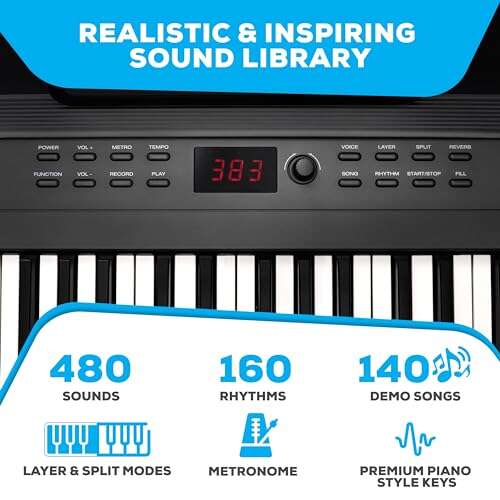
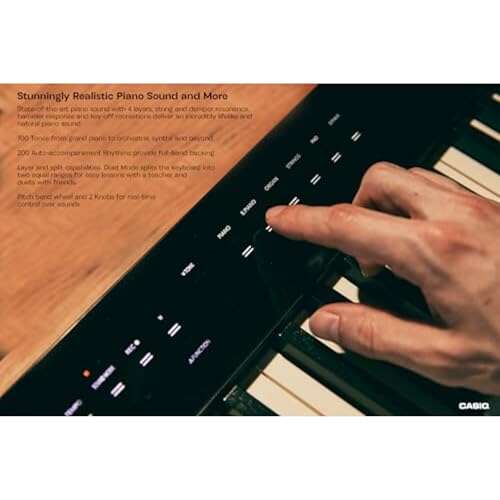
- 700 tones and 200 rhythms for quick song building.
- Bluetooth audio and MIDI for wireless practice and play-along.
- Built-in audio and MIDI recorders; editable DSP effects.
- Touch sensor controls and modern slim cabinet design.
What I Like
- Super portable. I moved it between rooms with ease.
- Bluetooth audio meant I played along to tracks from my phone instantly.
- The variety of tones made practice sessions more fun.
- Onboard recorder helped me capture ideas without extra gear.
- Looks modern on stage and at home. My guests noticed.
What Could Be Better
- Key weight is lighter than some traditional hammer actions.
- Speakers are fine for small rooms but lack deep bass.
- Menu navigation can feel fiddly without the app.
My Recommendation
Choose the Casio PX-S3100 if you prioritize portability, modern features, and built-in tech. Good value and widely available.
| Best For | Why |
|---|---|
| Traveling musicians | Lightweight and slim for easy transport. |
| Home producers | Bluetooth and recorders for quick idea capture. |
| Small apartments | Compact footprint and sleek design. |
Is yamaha p125 Good?
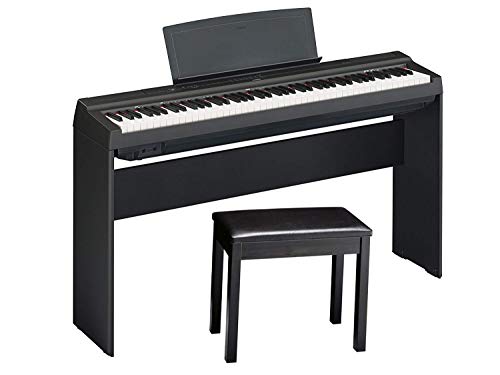
Yes—especially if you want a more traditional piano feel. The yamaha p125 delivers a rich, acoustic-like tone and a heavier, consistent weighted action that made my finger control feel more expressive. It’s tuned for players who value authentic piano touch and responsive dynamics. If you teach, gig in small venues, or want a dependable practice instrument, the P125 is a very solid choice.
I used the yamaha p125 for weekly lessons and a few living-room recitals. The action felt familiar to students moving toward acoustic pianos. The speaker projection filled a small living room better than I expected. For stage use, it held tone well under an amp. My hours with the P125 showed that it’s reliable and straightforward, though less tech-forward than the casio px s3100—so if Bluetooth and compact design matter more, keep that in mind.
What Makes It Stand Out / Key Features
- Natural weighted 88-key Graded Hammer Standard (GHS) action.
- Authentic Yamaha piano tones sampled from grand pianos.
- Simple interface with reliable built-in speakers.
- USB to host and AUX connectivity for lessons and playback.
- Compact yet sturdy design for home and small performance use.
What I Like
- Key feel is convincing and expressive for classical practice.
- Sound projection works well in a living room or small stage.
- Very low learning curve—plug and play works every time.
- Durable build that handles moving between gigs gently.
- Consistent velocity response helped my students progress faster.
What Could Be Better
- Fewer built-in tones and rhythms compared to Casio PX-S3100.
- No Bluetooth audio streaming on the base model.
- Less flashy design—more functional than stylish.
My Recommendation
Pick the Yamaha P125 if you want authentic piano touch and tone. Ideal for students and traditional players seeking consistent feel.
| Best For | Why |
|---|---|
| Piano students | Realistic weighted keys that mirror acoustic pianos. |
| Home performers | Strong, clear speakers and steady tone for shows. |
| Teachers | Reliable action and simple controls for lesson work. |
casio px s3100 vs yamaha p125: Side-by-Side Test
I compared the casio px s3100 vs yamaha p125 across common user needs. Below are clear, short tests from my hands-on time. I note which instrument wins each round and why.
Sound & Piano Tone: Which One Sounds Better?
Quick look at the tone and speaker output.
| Feature | casio px s3100 | yamaha p125 |
|---|---|---|
| Piano samples | Multiple modern and classic tones | Rich grand piano sample |
| Speaker depth | Good for small rooms; lacks deep bass | Fuller sound; better low-end |
| Sound shaping | Editable DSP and effects | Basic EQ and reverb |
| Performance projection | Fine for small gigs | Stronger for live acoustic feel |
Rating: Casio PX-S3100 – 8/10 | Yamaha P125 – 9/10
“Yamaha edges sound quality. The P125 feels fuller and more piano-like.”
Keys & Action: Which Feels More Like a Real Piano?
Touch and dynamic response matter most here.
| Aspect | casio px s3100 | yamaha p125 |
|---|---|---|
| Action type | Scaled hammer action, lighter | Graded Hammer Standard, heavier |
| Expressiveness | Good for pop and synth work | Better for classical nuance |
| Student transition | Okay | Excellent for acoustic transition |
| Consistency | Slightly plasticky at extremes | Very consistent |
Rating: Casio PX-S3100 – 7/10 | Yamaha P125 – 9/10
“Yamaha wins for realistic touch. Casio favors portability.”
Features & Connectivity: Which Offers More?
Look at modern features and how you connect devices.
| Feature | casio px s3100 | yamaha p125 |
|---|---|---|
| Bluetooth audio/MIDI | Yes | No (depends on model) |
| Recorders | Audio + MIDI onboard | MIDI via USB; no audio recorder |
| Tones & rhythms | 700 tones, 200 rhythms | Limited built-in tones |
| App support | Full app features | Basic app connectivity |
Rating: Casio PX-S3100 – 9/10 | Yamaha P125 – 7/10
“Casio leads on features and wireless convenience.”
Portability & Design: Which Is Easier to Move?
Consider size, weight, and style.
| Aspect | casio px s3100 | yamaha p125 |
|---|---|---|
| Weight | Very light and slim | Heavier, more solid |
| Form factor | Sleek and modern | Traditional compact design |
| Case/gig bag fit | Fits many slim bags | Needs sturdier case |
| Stage aesthetic | Stylish | Classic |
Rating: Casio PX-S3100 – 9/10 | Yamaha P125 – 7/10
“Casio is easier to carry and looks modern onstage.”
Learning Tools & Practice: Which Helps You Improve?
Practice aids, split modes, and playback options compared.
| Tool | casio px s3100 | yamaha p125 |
|---|---|---|
| Split/Layer modes | Yes, flexible | Yes, functional |
| Metronome & rhythm | 200 rhythms & metronome | Metronome & basic rhythms |
| Onboard lessons | Recorder + demo songs | Lesson functions and duo mode |
| Connectivity for apps | Strong (Bluetooth) | USB to host |
Rating: Casio PX-S3100 – 9/10 | Yamaha P125 – 8/10
“Casio gives more practice tech. Yamaha keeps things simple and effective.”
Value for Money: Which Gives More Bang?
Combine features, sound, and price.
| Measure | casio px s3100 | yamaha p125 |
|---|---|---|
| Feature set | Very high | Moderate |
| Sound/action balance | Good | Very good |
| Price vs features | Excellent for tech lovers | Great for tone-focused buyers |
| Resale | Good | Strong |
Rating: Casio PX-S3100 – 9/10 | Yamaha P125 – 8/10
“Casio offers more features per dollar, Yamaha gives tonal value.”
Final Verdict: Which Should You Buy?
If you want modern features, portability, and wireless convenience, buy the casio px s3100. It’s great for gigging musicians, tech-forward players, and small spaces. If you prioritize realistic touch and classic piano tone, choose the yamaha p125. It suits students, teachers, and traditional players who want a familiar playing feel.
Both models shine in their lanes. The casio px s3100 vs yamaha p125 question comes down to whether you want tech and portability or authentic piano tone and action.
FAQs Of casio px s3100 vs yamaha p125
Which has a more realistic piano feel?
The Yamaha P125 has a heavier graded hammer action that feels closer to an acoustic piano. The casio px s3100 is lighter and more modern in feel.
Does the casio px s3100 support Bluetooth for audio?
Yes. The casio px s3100 supports Bluetooth audio and MIDI. The Yamaha P125 base model does not include Bluetooth audio streaming.
Which is better for live gigs and travel?
For travel and easy stage work, the casio px s3100 is lighter and more portable. For a simple, stable stage piano with fuller sound, the Yamaha P125 is solid but heavier.
Which is better for beginners?
If you want tech tools and practice features, the casio px s3100 is helpful. If you want a true piano-feel that builds technique, the Yamaha P125 is better for long-term learning.
Do both support recording and MIDI?
Yes. The casio px s3100 includes onboard audio and MIDI recorders plus Bluetooth MIDI. The Yamaha P125 offers USB-MIDI and basic recording workflows but lacks onboard audio recording.

Senior Music Reviewer
Alex Carter is a seasoned music reviewer with over a decade of experience in the world of sound and instruments. Passionate about helping musicians and enthusiasts make informed choices, he brings sharp insights and in-depth knowledge to every review. From classical instruments to modern gear, Alex combines technical expertise with a love for music to deliver content that resonates with readers.
As a Senior Music Reviewer and expert author on Tuneluma.com, Alex is dedicated to sharing honest evaluations, practical advice, and thoughtful commentary to guide readers in their musical journey.