Kawai Es120 Vs Yamaha P125: Best Digital Piano Comparison
Both are solid digital pianos: Kawai nails touch nuance; Yamaha wins on features and loudness.
I remember needing a compact 88-key for home practice and gigs. The kawai es120 vs yamaha p125 were the two that kept coming up. I tested both at home for weeks. The Kawai ES120 felt thoughtful and refined. The Yamaha P125 felt versatile and robust. I’ll lay out what I found so you can pick the right one for your needs.
Is Kawai ES120 Good?
I’ll start with a clear yes. The Kawai ES120 is a very good portable digital piano for players who value a natural, responsive key feel. It’s great for students, home players, and gigging pianists who want an acoustic-like touch without the bulk. My verdict after daily practice: Kawai ES120 gives a refined playing feel that invites nuance and control.
I used the kawai es120 vs yamaha p125 side-by-side for scales and expressive pieces. On the ES120, I felt the subtle weight changes under my fingers. I practiced Chopin and found dynamics easier to shape. Once, I brought the ES120 to a small coffeehouse gig. Its tone worked well through a small PA and it stayed reliable through the set.
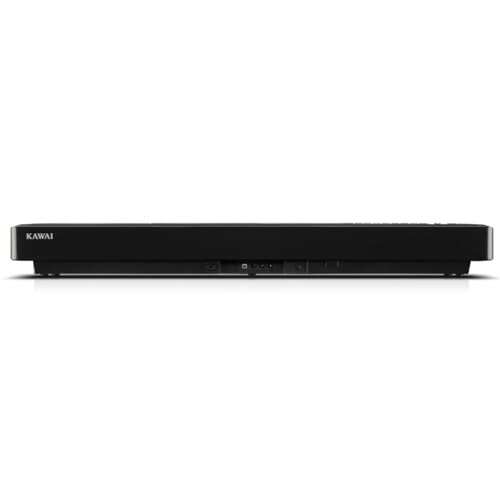
Kawai ES120 88-key Digital Piano with Speakers – Black

What Makes It Stand Out / Key Features
- Responsive 88-key graded hammer action with realistic touch.
- Natural Kawai piano tones sampled for depth and clarity.
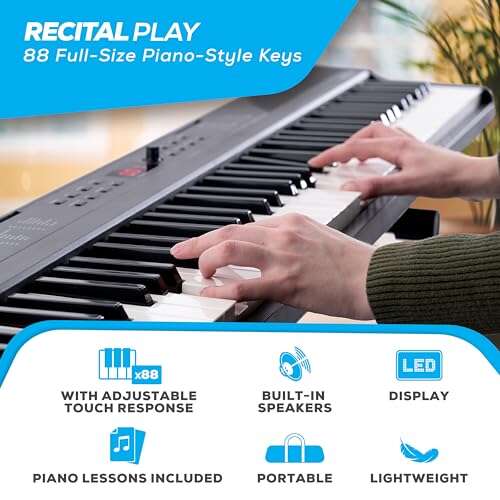
- Built-in stereo speakers for compact practice without amp gear.
- Compact, lightweight design for easy transport.
- USB/MIDI and headphone outputs for practice and recording.
What I Like
- Very expressive touch. I felt more control over dynamics quickly.
- Warm, balanced piano tone that suits classical and ballads.
- Speakers are clear for small room practice.
- Simple layout—easy to use in performance settings.
- Reliable key action across octaves during long practice sessions.
What Could Be Better
- Lacks some advanced voice variety found in competitors.
- Speakers are good for home but not loud enough for bigger venues.
- Fewer built-in rhythms and features compared to Yamaha P125.
My Recommendation
I recommend the Kawai ES120 for players who prioritize realistic key feel and piano tone in a portable package.
| Best For | Why |
|---|---|
| Classical students | Responsive touch helps develop technique. |
| Home practice | Warm tone and built-in speakers work well in rooms. |
Is Yamaha P125 Good?
Yes — the Yamaha P125 is a very capable instrument. It suits players who want a blend of strong sound, useful features, and robust built-in speakers. For many, the P125 is a go-to portable piano that handles live use and practice with ease.
In my time with the kawai es120 vs yamaha p125, the Yamaha stood out for its presence. Its piano voice is bold and cuts through more. I used the P125 at a rehearsal and its speaker output filled the room better. Its extra rhythms and modes proved handy when I needed accompaniment and variety during practice.
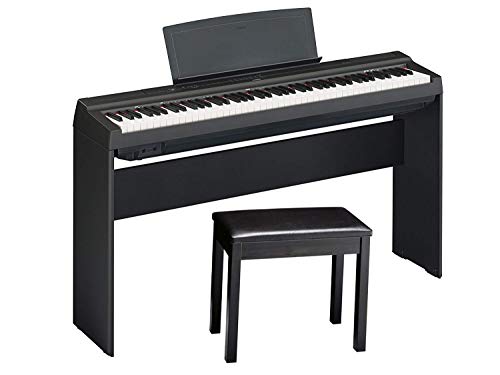
Yamaha P125 88-Key Weighted Digital Piano Home Bundle with Furniture Stand and Bench
What Makes It Stand Out / Key Features
- Graded hammer standard (GHS) weighted keys with solid feel.
- Powerful built-in stereo speakers for louder practice and small gigs.
- Wide range of quality voices and accompaniment styles.
- USB to host/MIDI and AUX outputs for recording and playback.
- Compact design with sturdy build and optional furniture bundles.
What I Like
- Speakers deliver a fuller, louder sound in real rooms.
- Voice and rhythm variety make practice more fun.
- Easy-to-use controls and quick sound changes live.
- Good value for features and sound quality.
- Reliable performance during rehearsals and shows.
What Could Be Better
- Key action is solid, but less nuanced than the Kawai ES120.
- Some voices sound synthetic at high volumes.
- Not as refined for delicate classical phrasing.
My Recommendation
Choose the Yamaha P125 if you want versatile sounds, strong speakers, and a reliable stage-ready piano.
| Best For | Why |
|---|---|
| Gigging musicians | Louder speakers and versatile voices. |
| Practice with backing | Built-in rhythms and accompaniments aid practice. |
kawai es120 vs yamaha p125: Side-by-Side Test
I tested the kawai es120 vs yamaha p125 across real tasks: practice, small gigs, and recording. Below are focused comparisons by category to help you decide.
Sound & Tone: Which One Has Better Piano Voice?
Both models offer high-quality piano voices, but they emphasize different qualities.
| Feature | Kawai ES120 | Yamaha P125 |
|---|---|---|
| Tone warmth | Warm, rounded | Bright, projecting |
| Dynamic detail | High | Good |
| Suitability for classical | Excellent | Good |
| Suitability for pop/rock | Good | Very good |
Kawai ES120 – 9/10 | Yamaha P125 – 8/10
“Edge: Kawai ES120 for nuance; Yamaha P125 for presence.”
Key Action & Touch: Which Feels More Natural?
Touch affects your control. I focused on weighted feel and responsiveness.
| Aspect | Kawai ES120 | Yamaha P125 |
|---|---|---|
| Graded hammer realism | Very natural | Solid |
| Repeatability | Smooth | Good |
| Suitability for expressiveness | Excellent | Good |
| Consistency across keys | High | High |
Kawai ES120 – 9/10 | Yamaha P125 – 8/10
“Edge: Kawai ES120 for touch nuance and dynamic control.”
Polyphony & Voices: How Many Sounds and How Much Polyphony?
Polyphony and voice count matter for complex pieces and layering.
| Spec | Kawai ES120 | Yamaha P125 |
|---|---|---|
| Max polyphony | Typically adequate (varies by model) | 64-note polyphony |
| Number of voices | Fewer, focused | More variety |
| Layering options | Basic | Good |
| Best for complex layering | Moderate | Better |
Kawai ES120 – 7.5/10 | Yamaha P125 – 8.5/10
“Edge: Yamaha P125 for voice variety and polyphony.”
Built-in Speakers & Amplification: Which Fills the Room?
Speakers matter if you won’t always mic the piano.
| Metric | Kawai ES120 | Yamaha P125 |
|---|---|---|
| Speaker volume | Good for small rooms | Louder, fills medium rooms |
| Speaker clarity | Clear | Clear and punchy |
| Useful without amp | Yes for practice | Yes for small gigs |
| Headphone output | Yes | Yes |
Kawai ES120 – 7.5/10 | Yamaha P125 – 9/10
“Edge: Yamaha P125 for louder, more usable speakers.”
Features & Connectivity: Which Has More Tools?
Connectivity and built-in tools help practice and recording.
| Feature | Kawai ES120 | Yamaha P125 |
|---|---|---|
| USB/MIDI | Yes | Yes |
| Bluetooth (audio/MIDI) | Depends on bundle | Some models support via adapter |
| Built-in rhythms/recording | Minimal | Good selection |
| App integration | Basic | Good |
Kawai ES120 – 7/10 | Yamaha P125 – 8.5/10
“Edge: Yamaha P125 for features and flexible practice tools.”
Portability & Build: Which Is Easier to Move?
If you move your piano, weight and shape matter.
| Metric | Kawai ES120 | Yamaha P125 |
|---|---|---|
| Weight | Light to moderate | Light to moderate |
| Form factor | Slim, sleek | Slim, sturdy |
| Ease to carry | Easy with two people | Easy with two people |
| Durability | Good | Good |
Kawai ES120 – 8/10 | Yamaha P125 – 8/10
“Edge: Tie — both are portable and well built.”
Value for Money: Which Gives More for the Price?
Value depends on what you need. I weighed tone, action, and features.
| Consideration | Kawai ES120 | Yamaha P125 |
|---|---|---|
| Pure piano feel | Excellent value | Good value |
| Features per dollar | Moderate | High |
| Overall suitability for most players | Great for pianists | Great for versatile needs |
| Resale and brand strength | Good | Good |
Kawai ES120 – 8/10 | Yamaha P125 – 8.5/10
“Edge: Yamaha P125 for overall feature-to-price balance.”
Final Verdict: Which Should You Buy?
If you want the best touch and a piano-first feel, buy the Kawai ES120. It’s my pick for focused pianists and classical players. The kawai es120 vs yamaha p125 battle comes down to nuance versus features.
If you want louder speakers, more voices, and extra practice tools, buy the Yamaha P125. The P125 is better for gigging, pop, and players who want built-in variety and presence.
FAQs Of kawai es120 vs yamaha p125
Which has better key action: Kawai ES120 or Yamaha P125?
Kawai ES120 has a more nuanced, piano-like key action. Yamaha P125 has solid GHS action but feels a touch less refined.
Which piano is louder without amplification?
Yamaha P125 has stronger built-in speakers and projects more in a room than the Kawai ES120.
Which is better for classical practice?
Kawai ES120 is better for classical practice due to its expressive touch and tone control.
Which is more feature-rich for pop and gigging?
Yamaha P125 wins for pop and gigging. It has more voices, rhythms, and louder speakers for small venues.
Can either connect to a DAW or tablet?
Yes. Both support USB/MIDI. You can record or use music apps with either the Kawai ES120 or Yamaha P125.
If you want a quick personal tip: try both in person if you can. For me, the kawai es120 vs yamaha p125 felt different in hand. Choose the one that makes you want to play more.

Senior Music Reviewer
Alex Carter is a seasoned music reviewer with over a decade of experience in the world of sound and instruments. Passionate about helping musicians and enthusiasts make informed choices, he brings sharp insights and in-depth knowledge to every review. From classical instruments to modern gear, Alex combines technical expertise with a love for music to deliver content that resonates with readers.
As a Senior Music Reviewer and expert author on Tuneluma.com, Alex is dedicated to sharing honest evaluations, practical advice, and thoughtful commentary to guide readers in their musical journey.