How To Maintain Piano In High Humidity Environment: Tips
Keep humidity around 40%–50% using a reliable dehumidifier, hygrometer, and regular technician checks.
I have tuned, repaired, and cared for pianos in coastal homes and tropical apartments for over a decade. This article explains how to maintain piano in high humidity environment with clear steps, simple tools, and realistic expectations. You will learn why humidity matters, what to watch for, practical fixes you can do now, and when to call a pro. Read on for hands-on advice that protects tone, action, and finish.
Why humidity matters for pianos
Pianos are mostly wood, felt, glue, and metal. Wood swells and shrinks as humidity changes. That movement alters the soundboard, pinblock, and action geometry. High humidity makes wood expand. Expansion creates sticking keys, blurred tone, and increased string tension shifts. Metal parts can rust and felt can grow mold when moisture stays high. Knowing how to maintain piano in high humidity environment helps stop small problems from becoming costly repairs.

Ideal humidity range for long-term health
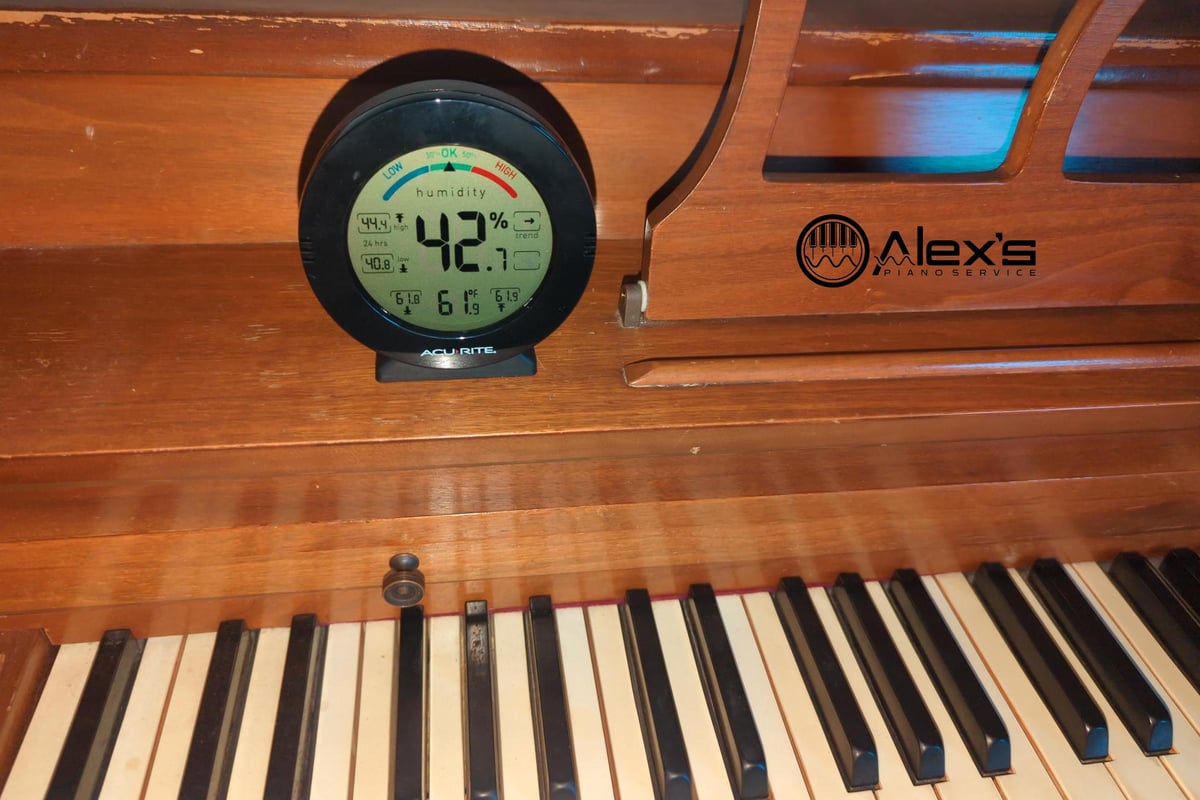
Aim for relative humidity (RH) between 40% and 50%. This range keeps wood stable and glue bonds strong. Short swings are okay, but long periods above 60% are risky. Controlling humidity is the best step to prevent tuning instability and structural damage. When you learn how to maintain piano in high humidity environment, keeping RH steady matters more than hitting a single target number.

Signs your piano is suffering from high humidity
Look for these common symptoms:
- Keys that stick or bind intermittently during play.
- A warbling, muffled, or dead tone from the soundboard.
- Tuning instability that can’t be fixed with normal tuning.
- Rust or greenish corrosion on strings and tuning pins.
- Visible swelling, glue failure, or mold smell inside the cabinet.
Each sign points to moisture-related stress. Spotting issues early makes repair cheaper and simpler. Learning how to maintain piano in high humidity environment helps you catch these signs sooner.
How to maintain piano in high humidity environment — Practical steps
Start with measurement. Place trusted hygrometers near the piano and in the room. Compare readings for several days. A single reading is not enough.
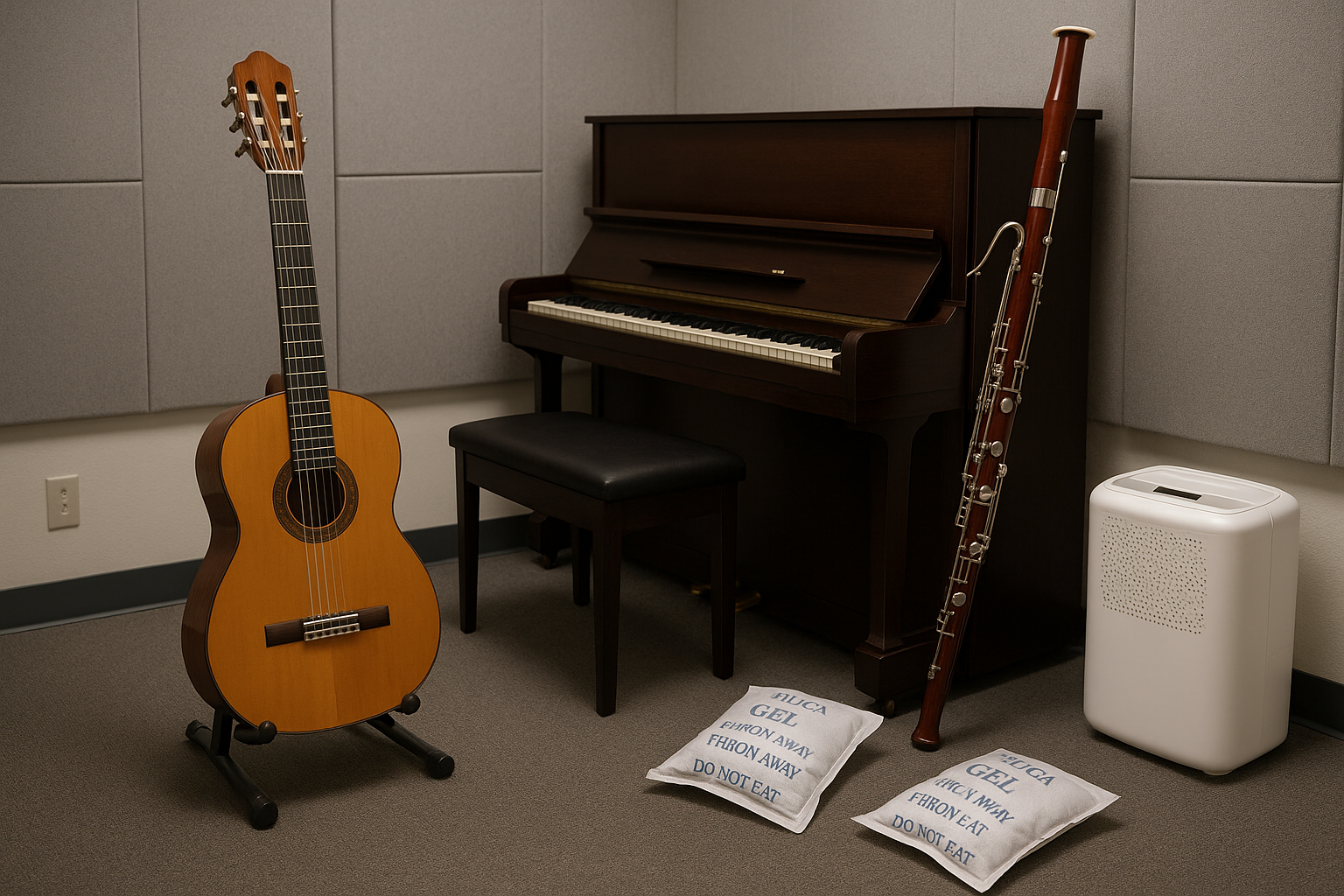
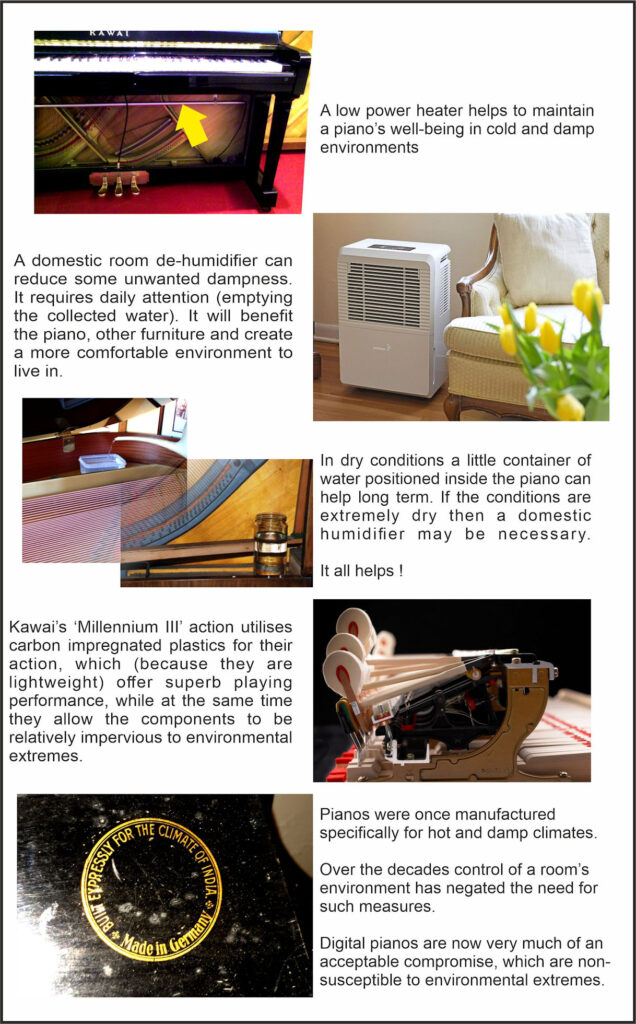
Control general room humidity. Use a dehumidifier sized for the room. Run it low and steady rather than blasting it on and off. For small rooms, a desiccant or combo HVAC dehumidifier works well. Portable units should drain regularly to avoid pauses.
Use localized piano protection. Consider a piano-specific humidity control system installed inside the cabinet. These systems include moisture absorbers and heaters that keep the piano’s interior stable. They are especially helpful for upright pianos against exterior walls.
Protect the soundboard and pinblock. Keep the piano away from exterior walls and damp basements. Maintain steady indoor temperatures. Avoid placing the piano directly under windows or near humidifiers and steam sources.
Maintain the finish and case. Wipe the case with a dry cloth to remove dust and moisture. Use breathable covers when storing the piano for short periods. Avoid plastic sheets that trap moisture against the wood.
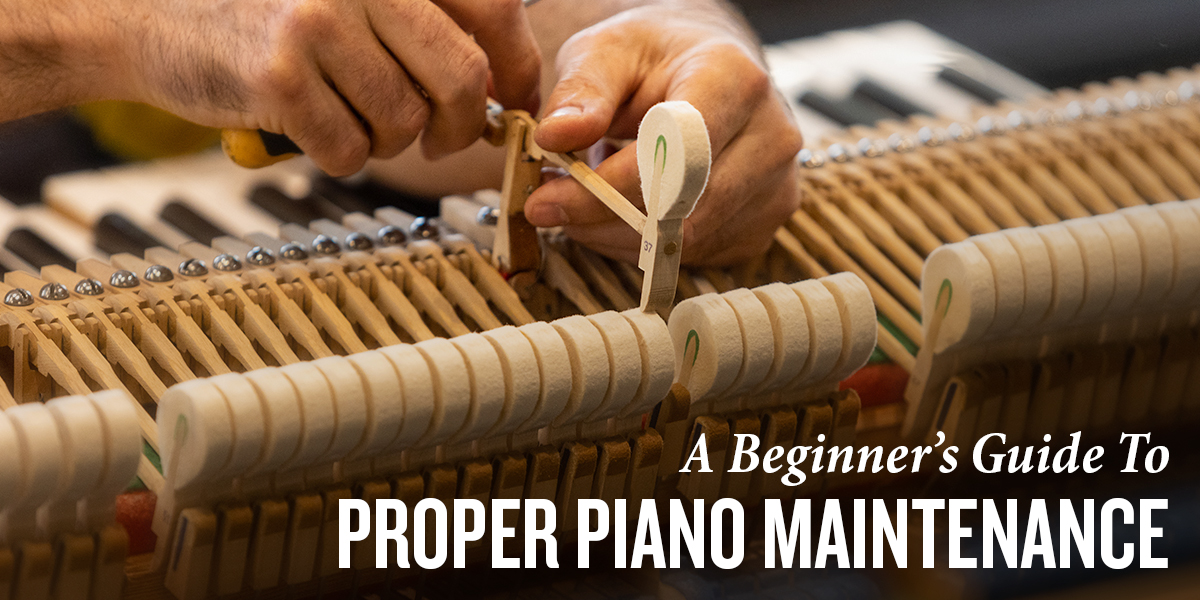
Service and tuning schedule. Tune the piano more often for the first year after humidity control improvements. Schedule inspections with a qualified piano technician yearly, or every six months in high humidity climates. A technician can adjust action regulation, check the pinblock, and treat rust spots before they worsen.
Quick fixes for sticky keys. Use a fan or a small dehumidifier directed into the cabinet for short-term relief. Do not force keys. If keys stick persistently, stop playing and call a technician. Trying to pry keys free can damage delicate parts.
Prevent mold and corrosion. Clean metal parts gently with a dry cloth. If mold appears, contact a technician who can safely clean the interior. Do not use bleach or harsh chemicals inside the piano.
When and how to use a piano humidifier system. A humidifier system is for pianos in very dry environments. In high humidity environments, reverse logic applies: use dehumidifiers and ventilation. Learn how to maintain piano in high humidity environment by balancing room dehumidification with localized piano interior stability.

Tools and products worth investing in
Useful items to buy or rent:
- Digital hygrometer with data logging. It shows trends, not just instant values.
- Whole-room or portable dehumidifier sized to the room’s cubic feet.
- Piano humidity control kit for the instrument interior when recommended by a tech.
- Soft, breathable piano cover for short-term dust protection.
- Silica gel packs for small enclosed spaces—use with caution and monitoring.
Quality tools reduce guesswork. I recommend buying a good hygrometer first. It tells you whether other measures are needed.

Long-term care and technician maintenance
A trained piano technician is your best resource. They can:
- Inspect the soundboard, pinblock, and bridges for humidity damage.
- Replace or repair swollen parts, glue failures, and rusted pins.
- Regulate the action so playability returns after humidity changes.
Regular service prevents expensive fixes later. I track humidity trends in client homes and adjust service intervals accordingly. Knowing how to maintain piano in high humidity environment includes trusting professional judgment when damage is beyond DIY repair.
Common mistakes to avoid
Avoid these pitfalls:
- Relying on one hygrometer reading to make decisions.
- Blocking air flow around the piano or using plastic sheets.
- Waiting until keys stick constantly before calling a technician.
- Using strong chemicals to clean the interior without guidance.
These mistakes can worsen damage. Being proactive is cheaper than repairing warped soundboards or replacing pinblocks.

Personal experience and lessons learned
I once cared for a studio upright in a seaside home. The owner kept it against a damp exterior wall. I saw frequent tuning issues and sticky keys. We moved the piano inward, added a room dehumidifier, and installed a cabinet humidistat. Within three months the piano stopped drifting out of tune as much. That project taught me to prioritize placement and steady RH control. Small changes give big benefits.
Frequently Asked Questions of how to maintain piano in high humidity environment
How high humidity damages a piano
High humidity makes wood swell and felt absorb moisture. This causes sticking keys, detuning, and increased stress on glue joints.
What RH level should I keep my room at
Aim for 40%–50% relative humidity. Keep changes slow and steady rather than swinging widely day to night.
Will a dehumidifier ruin my piano
A dehumidifier helps when used properly. Avoid rapid, extreme drying; maintain a steady target and monitor with a hygrometer.
Can I use silica gel or desiccants inside the piano
Small desiccant packs can help short-term, but they do not replace proper room dehumidification or a piano humidity system. Use them only as a supplement and monitor humidity closely.
When should I call a piano technician
Call a technician if keys stick persistently, the piano won’t stay in tune, or you see mold or rust. Early inspection prevents major repairs.
Conclusion
Keeping a piano happy in a humid place is mostly about steady control. Measure first, act with dehumidification and good placement, and involve a technician when needed. Start by buying a reliable hygrometer and a suitable dehumidifier. Take action now to protect tone and value. Share your experiences, ask questions, or subscribe for more piano care tips.

Senior Music Reviewer
Alex Carter is a seasoned music reviewer with over a decade of experience in the world of sound and instruments. Passionate about helping musicians and enthusiasts make informed choices, he brings sharp insights and in-depth knowledge to every review. From classical instruments to modern gear, Alex combines technical expertise with a love for music to deliver content that resonates with readers.
As a Senior Music Reviewer and expert author on Tuneluma.com, Alex is dedicated to sharing honest evaluations, practical advice, and thoughtful commentary to guide readers in their musical journey.