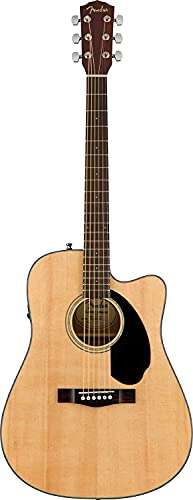

How To Convert Right Handed Guitar To Left Handed Setup:DIY
Flip the strings, swap the nut or shim, and adjust the bridge and intonation for a left-handed setup.
I've converted many guitars and taught students how to convert right handed guitar to left handed setup. I write this guide from hands-on experience and tech know-how. Read on for clear steps, tools, risks, and tips so you can safely convert a right-handed guitar to a left-handed setup and keep it playing great.

Should you convert your guitar?
Converting a guitar can work well. Many players keep a favorite body and simply switch it for left-hand play. But not every guitar suits conversion. Some models need more work than others, and some changes are reversible while others are not.
If your goal is to learn left-handed on a budget, converting a right-handed guitar to left handed setup can be smart. If you want resale value, note that major mods can cut value. I have converted old acoustics and cheap electrics with success. I have avoided converting high-end guitars unless the owner agreed.

Tools and materials you need
You will want quality, simple tools. A clean workspace helps. Below is a practical list.
- Screwdrivers set for bridge and pickguard screws.
- String winder and cutters.
- New left-handed nut or file and nut blank.
- New bridge pins (for acoustic) or a bridge route plan for electrics.
- Shim material, sandpaper, and small clamps.
- Tuner and intonation tool.
- Ruler or feeler gauge.
- New left-handed strings or a reversed set.
Converting a right handed guitar to left handed setup often requires parts you can buy online. Have backups and check fit before making permanent cuts.

Quick overview: two main conversion paths
There are two common ways to convert. Choose one by guitar type and skill level.
- Minor swap: Flip the strings and adjust the nut, saddle, and intonation. Best for many electrics and some acoustics if the bridge and controls are symmetrical.
- Full refit: Move the nut, bridge, and/or pickguard. This involves routing, drilling, or a new bridge. Use this for asymmetric guitars or when you want a neat final look.
Decide early which path fits your guitar and budget. A minor swap keeps work low and is reversible. A full refit looks best but is harder and may lower resale value.

Step-by-step: converting an acoustic guitar
Follow each step slowly. Pause if you are unsure.
- Inspect the top and bridge
- Check for a compensated saddle and the pin holes. If holes are centered and saddle can be re-cut, conversion is easier.
- If the bridge is offset for right-handed play, plan a new bridge location or accept small string spacing issues.
- Remove strings and old nut
- Loosen and remove strings. Remove the nut by gentle tapping and warm-steaming if glued.
- Clean the slot.
- Replace or refinish the nut
- Option A: Fit a left-handed nut blank. File until string spacing mirrors left-hand layout.
- Option B: Flip or re-cut the existing nut if possible. This works only if the nut is thick and not pre-slotted.
- Re-string in left-handed order
- Use a left-handed string set or reverse the string order. Tune to pitch gently.
- Watch neck relief as tension changes.
- Adjust saddle height and intonation
* Lower or shim the saddle to match action needs.
- Check intonation by playing 12th-fret notes and harmonics. Adjust saddle position if possible or re-shape saddle.
- Final setup
- Set truss rod for proper relief. Adjust action and re-check intonation.
- Test playability and tone. Make small tweaks until satisfied.
If the bridge must be moved, route and plug the old holes. That is advanced work and may need a luthier.

Step-by-step: converting an electric guitar
Electrics often need nut, bridge, and control changes. Work methodically.
- Inspect body and hardware
- Look at bridge type, pickup orientation, and control cavity. Some pickups are voiced for a specific pole alignment and may need reversing.
- Remove strings and nut
- Take off strings. Remove nut if you plan to replace it. Note whether the neck is routed for left-handed play.
- Flip or replace hardware
- Many players flip the pickguard and controls if the body allows. Some prefer to keep controls where they are for comfort.
- For fixed bridges, you can sometimes re-string and adjust saddle positions. For tremolo bridges, check spring claw alignment and tremolo arm orientation.
- Replace or re-slot the nut
- Fit a left-handed nut and slot it for proper string gauges. Proper string spacing is key. If you file the old nut, double-check slot depth.
- Re-string and set intonation
- Re-string in left-handed order. Use a tuner and intonation tool to set each string.
- Check pickup height and balance after strings are on. You may need to shift pickups slightly for balanced tone.
- Cosmetic fixes and pickup wiring
- If you'd like pickups to face the other way, you can remove and reverse them, but some models require rewiring. If you are not sure, ask a tech.
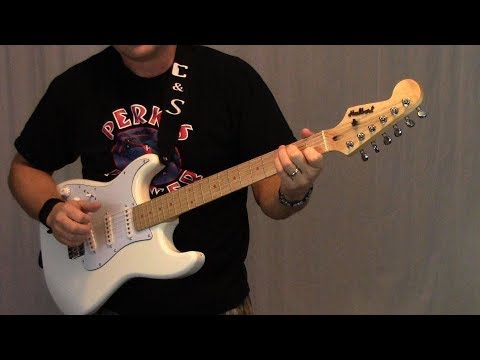
I once converted an inexpensive Strat-style electric by swapping the nut and flipping the pickguard. It played well and cost under $50.
Setup and intonation after conversion
A good setup matters more than the conversion itself. Spend time here.
- Neck relief: Adjust the truss rod to get a slight bow. Check with capo and 12th-fret hold method.
- Action: Set string height at the saddle and nut. Aim for low action without fret buzz.
- Intonation: Tune open string and 12th-fret note. Move saddle until they match.
- Pickup height: Raise or lower pickups for balanced volume across strings.
If you convert a right-handed guitar to left handed setup, expect to spend an hour or two dialing in these items. Proper setup makes the guitar feel new.

Common issues and fixes
These problems appear often. Here are fixes I use.
- High action at low frets
- File the nut slots deeper or replace the nut.
- Poor intonation after re-stringing
- Re-check saddle position. Use a tuner and compare open vs 12th-fret notes.
- Asymmetric bridge or pickup placement
- Accept slight differences or plan a refit. Cosmetic changes may be needed.
- Pickup polarity or phase issues
- Reverse pickup or rewire if hum or odd tone occurs.
If a problem looks structural, consult a luthier. Do not sand away top wood without experience.

Alternatives to converting a right-handed guitar to left handed setup
Conversion is not the only path. Consider these options.
- Buy a left-handed guitar
- This is the cleanest option. New or used left-handed models exist in many styles.
- Learn right-handed
- Some left-handers learn on right-handed guitars. It works and has pros.
- Use a right-handed guitar flipped with no mods
- Some players flip a right-handed guitar and play upside-down. This is radical but possible.
I once taught a lefty who learned right-handed. They gained unique phrasing. Choose what feels right.

PAA-style questions
Do I need a new nut to convert a guitar?
Often yes. A new nut sized for left-handed string spacing gives the best play. You can file or flip an existing nut if it has enough material.
Can I flip the strings without changing anything else?
You can flip the strings, but intonation and nut slot issues often follow. Minor tweaks are usually needed for good play.
Will converting lower the guitar's value?
Major irreversible mods can lower resale value. Minor, reversible changes have less impact.
Frequently Asked Questions of how to convert right handed guitar to left handed setup
How hard is it to convert a guitar at home?
Most basic conversions are easy for a hobbyist. Complex routing or bridge moves are best left to a pro.
Can I keep the same pickups when I convert?
Yes, usually. Pickup orientation can affect tone, but many players keep the same pickups without issues.
Should I buy left-handed strings or reverse a right-handed set?
Buy left-handed strings for consistent winding direction and anchor fit. You can reverse a right-handed set in a pinch.
Will flipping the strings damage the neck?
Flipping strings changes tension distribution but won’t harm the neck if you do a proper setup. Adjust truss rod as needed.
How long does a full conversion take?
A simple swap can take 30–90 minutes. A full refit may take several hours or multiple days, especially with drying or glue time.
Conclusion
Converting a right-handed guitar to left handed setup is doable with the right plan. Decide if you want a quick flip or a full refit. Use proper tools, take your time, and make careful setup checks. My tip: start small—swap the nut and strings, then judge if you need more work. Try it, learn, and tweak until it plays like you want. If you found this useful, try the steps on a low-cost guitar, and share your results or questions below.

Senior Music Reviewer
Alex Carter is a seasoned music reviewer with over a decade of experience in the world of sound and instruments. Passionate about helping musicians and enthusiasts make informed choices, he brings sharp insights and in-depth knowledge to every review. From classical instruments to modern gear, Alex combines technical expertise with a love for music to deliver content that resonates with readers.
As a Senior Music Reviewer and expert author on Tuneluma.com, Alex is dedicated to sharing honest evaluations, practical advice, and thoughtful commentary to guide readers in their musical journey.