How To Replace Broken Guitar Nut At Home Step By Step: DIY
Replace the broken guitar nut at home with basic tools, careful measuring, and patient filing.
I’ve replaced dozens of nuts on acoustic and electric guitars, and I’ll walk you through exactly how to replace broken guitar nut at home step by step. This guide blends hands-on tips from real repairs with clear, safe steps. You’ll learn how to choose the right replacement, remove the old nut, fit and shape a new one, glue it in place, and tune and test for proper action and intonation. Read on for a confident, practical approach you can use today.
Tools and materials you’ll need
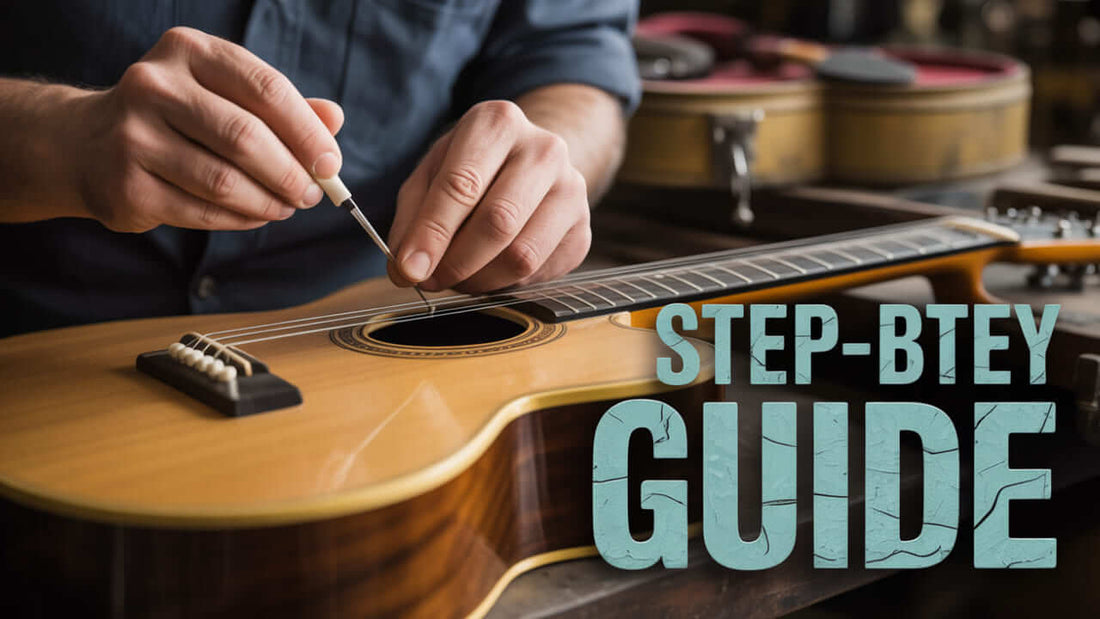
Start by gathering simple tools. A clean workspace helps you work accurately.
- Replacement nut blank (bone, TUSQ, or plastic) sized for your guitar.
- Small files and needle files for shaping and slotting.
- Sandpaper: 220, 400, 800 grit.
- Feeler gauges or a business card for measuring slot depth.
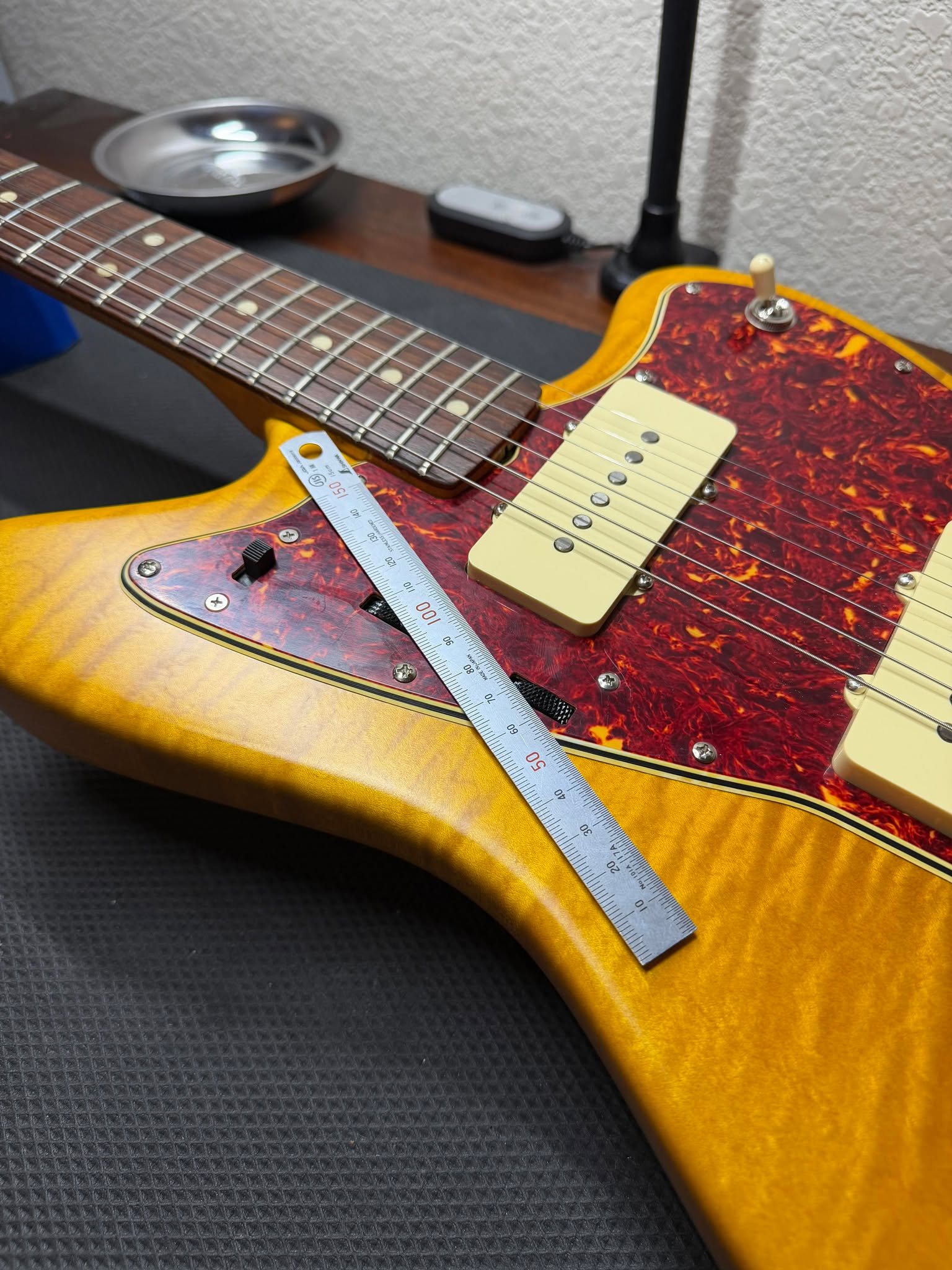
- Ruler and calipers for width and height measurements.
- Razor blade, utility knife, or chisel for careful removal.
- Masking tape to protect the fretboard.
- Super glue (cyanoacrylate) or a small amount of hide glue for acoustic guitars.
- String winder and tuner for testing.
- Optional: pencil, marker, toothpicks.
Why these? The right blank and fine files let you control string height and spacing. I always keep spare nut blanks in different widths. They’re cheap and save a trip to the shop.

Diagnose the problem: when to replace vs. repair
Not all nut issues need full replacement. Diagnose first.
- Cracked or missing portions: replace the nut.
- Deeply worn string slots causing buzz or high action: usually replace.
- Small marks or shallow grooves: can often be filed and reused.
- Loose nut that rocks: may need regluing or replacement.
I once fixed a worn slot with a small shim and a careful file. That saved a replacement. But when a nut is cracked or severely warped, replace it for best results.
Step-by-step: how to replace broken guitar nut at home step by step
Follow these steps slowly. Rushing causes mistakes.
- Remove the strings
- Loosen and remove strings. For electric guitars, remove the bridge end if needed.
- Label strings if you plan to reuse them.
- Protect the fretboard and headstock
- Apply masking tape over the first fret and adjacent wood.
- Tape the nut area to catch chips during removal.
- Remove the old nut
- If glued, score glue seam with a razor. Tap gently with a small chisel or use a thin blade to lift.
- If it’s friction-fit, pry carefully with a thin spatula.
- Work slowly to avoid damaging the headstock veneer.
- Measure the pocket and note slot spacing
- Measure width, height, and recess depth with calipers.
- Trace string spacing onto a scrap or take a photo for reference.
- Measure string spacing at the nut and at the first fret to ensure proper alignment.
- Select and rough-fit the replacement blank
- Choose a blank slightly wider than the pocket.
- Mark centerline and string positions.
- Trim width with a saw or file down the sides until snug.
- Shape and height the nut blank
- Sand or file the bottom until the nut sits flat in the pocket.
- Ensure the string side height is correct: typical action at the first fret is about 0.2–0.5 mm for low E and less for high E.
- Use a feeler gauge or a new capo and open-string measurement for accuracy.
- Mark and cut string slots
- Mark string positions using a template or trace from old nut.
- Use small needle files to make V-cuts.
- Start shallow; test with strings and deepen as needed.
- File slot radii slightly wider than the string for movement and stability.
- Final fit and glue-in
- Dry-fit the nut, checking angle and seat.
- Apply a tiny dab of glue in the pocket or on the nut bottom. Avoid excess glue.
- Press the nut into place and wipe any squeeze-out immediately.
- Let glue cure per glue instructions (minutes for super glue, hours for hide glue).
- Re-string and final setup
- Reinstall strings and tune to pitch.
- Check action at the first fret and play each string for buzz.
- Adjust slot depth carefully if buzzing or high action persists.
This sequence explains how to replace broken guitar nut at home step by step. If you take your time at the measuring and slotting stages, the rest is straightforward.

Shaping, slotting, and setting string height
Slotting and shape affect tone, playability, and tuning stability.
-
Radius matching
- Match the nut top radius to your fretboard radius if possible.
- A flat nut on a curved board can cause string buzz on outer strings.
-
Slot depth rules of thumb
- Low E: ~0.25–0.4 mm clearance over first fret when pressed at third fret.
- High E: ~0.1–0.2 mm clearance.
- Always start shallow; file slowly.
-
Tools and technique
- Use a small radiused file for the bottom of slots.
- Check string seating by pressing string into slot and plucking open string to test sustain and buzz.
- Round the slot edges slightly to prevent string breakage.
I learned the hard way that “one more file stroke” can ruin slot depth. Stop early; test often. Proper shaping preserves tone and helps tuning.

Glue choices and how to glue a nut safely
Glue selection depends on instrument and future serviceability.
-
Super glue (CA)
- Fast, strong bond.
- Hard to remove later; use minimal amount.
- Good for electric guitars.
-
Hide glue or PVA
- Traditional for acoustic guitars.
- Easier to remove with heat and steam.
- Slightly weaker bond but repair-friendly.
Glues can stain. Protect surrounding wood with tape. Apply a tiny drop in the pocket center. Clamp gently or press with thumbs until initial set. Allow full cure before stringing.

Testing, tuning, and troubleshooting common problems
After installation, test thoroughly.
- Check tuning stability by bending and playing chords.
- Listen for buzzs when playing open strings and chords across nut area.
- If a string buzzes, slightly deepen its slot or raise the string height by sanding bottom of nut less.
- If tuning slips, check string slot edges for burrs and lubricate with a small graphite from a pencil or a dedicated nut lubricant.
I once had a tuning problem caused by a slightly angled nut. Realigning the nut fixed it instantly. Small alignment errors translate to big tuning headaches.
Common mistakes to avoid
Avoid these pitfalls to save time and material.
- Rushing slot depth: file slowly and test.
- Using too much glue: excess glue can raise the nut or squeeze into slots.
- Cutting slots too wide: causes string rattle and poor tone.
- Not protecting the headstock: veneer lifts easily.
- Ignoring string radius: mismatched radius can cause buzz.
I once over-filed a nut beyond salvage. It taught me to use scrap wood for practice cuts before working on the real blank.

Personal tips, shortcuts, and pro tricks
Small tricks speed up the job and improve results.
- Use a worn-out string as a guide for slot width before slotting the real nut.
- Keep several blank sizes in your toolbox. They’re inexpensive and handy.
- If you panic, a shim of thin plastic under the nut can be a temporary fix.
- Record measurements and take photos before removal to simplify reassembly.
From my experience, the measuring stage decides success. Take photos and notes. They save time and reduce errors.

Frequently Asked Questions of how to replace broken guitar nut at home step by step
How long does it take to replace a guitar nut at home?
A basic replacement usually takes 1–2 hours for an experienced DIYer. For a careful first-timer, plan 2–4 hours including drying and testing.
Can I reuse my old nut if it’s cracked?
Minor cracks can sometimes be stabilized with glue, but if slots are worn or the crack affects seating, replace it. A new nut gives better playability and tone.
What material is best for a replacement nut?
Bone and TUSQ are popular for tone and stability; plastic is cheaper and easier to file. Choose based on budget, tone preference, and your filing skill.
Will replacing the nut change my guitar’s intonation?
A properly cut nut has minimal impact on intonation, but wrong string spacing or slot height can affect tuning. Test and adjust after installation to ensure correct intonation.
Can I use super glue to install a nut on an acoustic guitar?
You can, but super glue is hard to remove later and may not be ideal for vintage or valuable acoustics. Hide glue or PVA is often preferred for acoustic guitars.
Do I need special files to cut nut slots?
Needle files and small radiused files work best for control and precision. You can manage with small hobby files, but avoid large coarse files that remove too much quickly.
How do I stop strings from binding in the nut?
Round slot edges and apply a small amount of graphite or nut lubricant. Ensure slots have smooth, burr-free edges and correct depth for the string.
Conclusion
Replacing a broken guitar nut at home step by step is a rewarding DIY task you can complete with basic tools and careful work. Measure twice, file slowly, and test often. Start with the right blank, protect the instrument, and follow the steps above for a reliable result. If you want better tone or feel confident in your work, try this repair yourself—practice on spare blanks first, then take on your main guitar. Share your results below, subscribe for more repair guides, or leave a question if you need help.

Senior Music Reviewer
Alex Carter is a seasoned music reviewer with over a decade of experience in the world of sound and instruments. Passionate about helping musicians and enthusiasts make informed choices, he brings sharp insights and in-depth knowledge to every review. From classical instruments to modern gear, Alex combines technical expertise with a love for music to deliver content that resonates with readers.
As a Senior Music Reviewer and expert author on Tuneluma.com, Alex is dedicated to sharing honest evaluations, practical advice, and thoughtful commentary to guide readers in their musical journey.