
How To Improve Chord Switching Speed On Guitar Fast: Quick
Practice slow, precise changes with focused drills, a metronome, and daily repetition to speed up fast.
I’ve taught and played guitar for years, and I’ll walk you through practical, science-backed ways to improve chord switching speed on guitar fast. This guide breaks down causes, essential technique, focused exercises, a simple 4-week plan, and real troubleshooting tips so you get consistent, measurable gains without wasting time.

Why chord switching feels slow and what to fix
Many players feel stuck when chord changes drag. The reasons are simple: poor hand position, too much motion, weak finger memory, and inconsistent practice. Fixing these basics is how to improve chord switching speed on guitar fast.
Common causes
- Tension in the fretting hand and wrist.
- Moving fingers too far from the strings.
- Not targeting the optimal finger order for each chord.
- Practicing too fast without precision.
What success looks like
- Smooth, silent transitions at tempo.
- Minimal wasted motion and steady timing.
- Reliable changes under pressure, like playing with others or recording.
Core fundamentals to improve chord switching speed on guitar fast
Master these basics before you chase speed. They are the foundation of fast, clean changes.
Hand position and posture
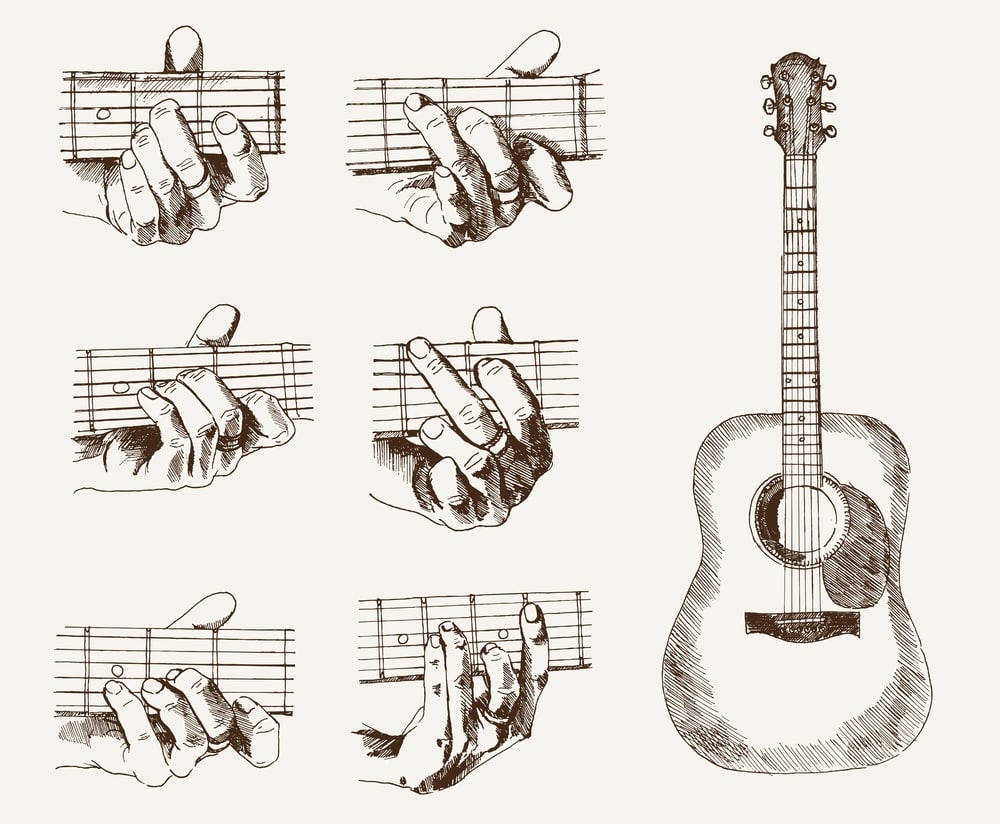
- Keep the thumb behind the neck, roughly opposite your middle finger.
- Angle the wrist slightly for comfort. Avoid collapsing the thumb onto the neck.
- Relax your shoulder and forearm to remove tension.
Economy of motion
- Move fingers only as much as needed. Lift just enough to clear strings.
- Keep fingers curved and hover near the frets during strumming.
Anchor and pivot strategies
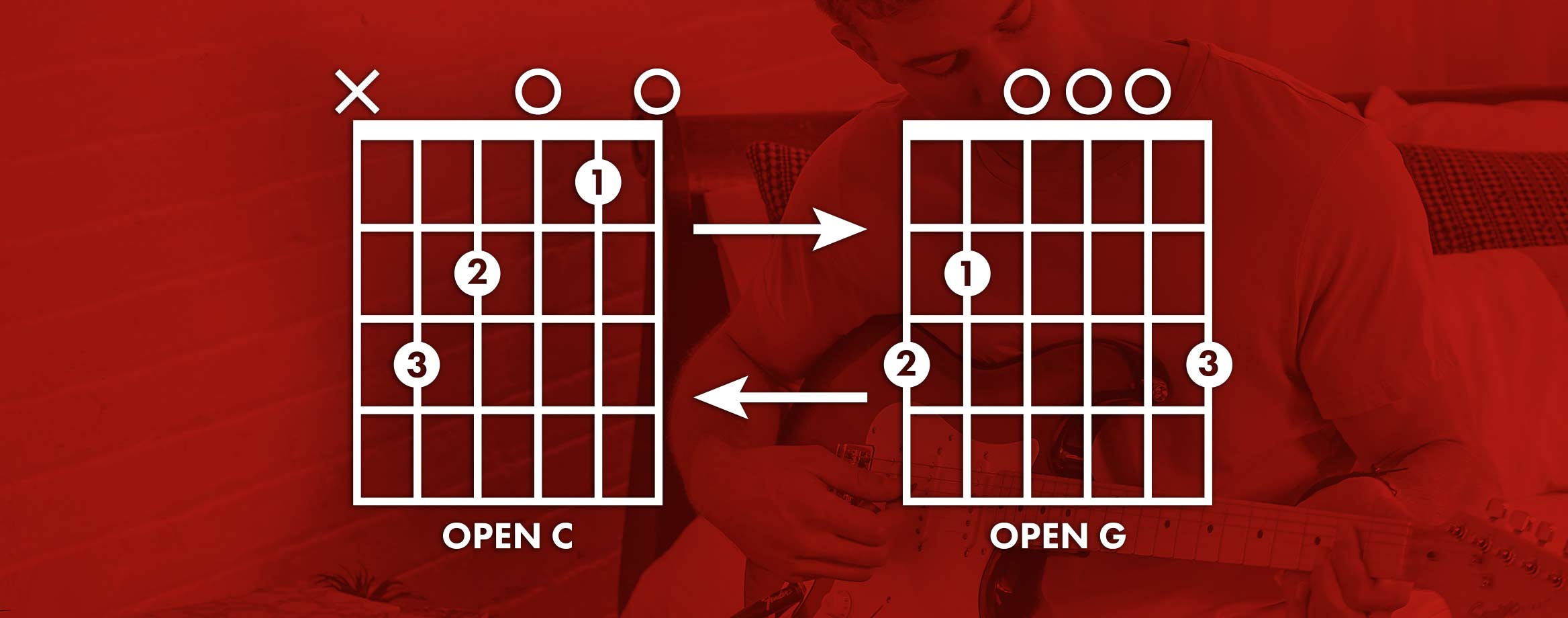
- Use a pivot finger that stays on a string between chords when possible.
- Re-think finger assignments to minimize movement; sometimes swapping fingers helps.
Precision over speed
- Focus on clean contact and correct pressure. Speed without clarity is useless.
- Build accuracy first, then increase tempo gradually to improve chord switching speed on guitar fast.

10 targeted exercises to improve chord switching speed on guitar fast
These drills are short, repeatable, and effective. Do them daily for best results.
- Slow-motion patchwork
- Pick two chords. Change slowly while counting four beats per change. Keep motion minimal.
- Metronome half-speed bridges
- Set metronome to slow tempo. Play one measure per chord. Increase BPM by 2–4 after five successful runs.
- Pivot-finger drill
- Choose chords with a common finger, such as G to D. Keep the pivot finger down and move the rest.
- One-finger-at-a-time changes
- Change only one finger between chords while keeping others in place. This isolates weak fingers.
- Minimal-lift drill
- Practice lifting fingers only 1–2 mm off the strings, then change. It trains economy of motion.
- Strum-free silent fingering
- Mute the strings with the picking hand and practice fingering changes cleanly without strumming.
- Countdown shifts
- Play four strums on chord A, then three, two, one, and change faster each count. Reset if mistakes happen.
- Micro-tempo bursts
- Play a steady tempo, then add 1–2 bar faster bursts. Return to base tempo to reinforce control.
- Song-context changes
- Pick a simple song. Work only on the bar where changes fail, repeating it until smooth.
- Fatigue accuracy test
- After 15 minutes of play, test changes. This trains reliable switching when tired.
Repeat the phrase: practicing these drills helps you learn how to improve chord switching speed on guitar fast. Make each session focused and short. Consistency beats marathon practice.
A simple 4-week practice plan to get fast, reliable changes
Structure beats aimless time. Here’s a compact plan to improve chord switching speed on guitar fast.
Week 1 — Foundation
- 10 minutes daily: slow-motion patchwork on two chord pairs.
- 10 minutes: pivot-finger and one-finger-at-a-time exercises.
Week 2 — Accuracy and economy
- 10 minutes daily: metronome half-speed bridges, increase BPM slightly each session.
- 10 minutes: minimal-lift and silent fingering drills.
Week 3 — Tempo and endurance
- 15 minutes daily: micro-tempo bursts and countdown shifts.
- 10 minutes: practice a simple song focusing on problem spots.
Week 4 — Performance readiness
- 20 minutes daily: full song runs at tempo, with targeted repeats on trouble bars.
- Record once per week and evaluate two specific transitions to improve.
Small, focused sessions over time are the fastest way to improve chord switching speed on guitar fast. Track tempo gains and replay recordings to see progress.

Common mistakes and troubleshooting when speeding up chord changes
If you hit a plateau, check these typical errors.
Rushing accuracy
- Mistake: trying for speed before clean transitions.
- Fix: back off tempo, nail accuracy, then raise BPM.
Too much pressure
- Mistake: pressing too hard causes slow release and soreness.
- Fix: apply only enough pressure for clean fretting.
Ignoring finger order
- Mistake: changing fingers haphazardly.
- Fix: plan finger order and train it until automatic.
Learning by repetition without variety
- Mistake: repeating the same slow change for hours.
- Fix: vary drills, add metronome work and fatigue tests.
If a change stalls, isolate the movement and make it smaller. Then reintroduce speed gradually to improve chord switching speed on guitar fast.
Gear, metronome, and song choices that speed progress
Small setup choices accelerate learning. Use tools that make practice effective.
Metronome use
- Start slow and increase tempo by small steps.
- Try 2–4 BPM jumps to maintain control.
Guitar setup
- Ensure low string action for easier fretting without fret buzz.
- Use a comfortable strap and proper string gauge to reduce hand strain.
Song selection
- Pick songs with predictable, simple changes first.
- Use songs you love to keep motivation high.
Recording and playback
- Record short clips and compare week-to-week.
- Listening reveals timing faults you might miss while playing.
These adjustments help you focus on technique and allow you to improve chord switching speed on guitar fast with less frustration.

Tracking progress: metrics that actually matter
Measure small wins to stay motivated and targeted. Good metrics are simple.
BPM at clean change
- Note the slowest BPM where you can change cleanly. Raise it gradually.
Error count per minute
- Count missed chord changes in a one-minute loop to highlight weak spots.
Video review
- Watch finger motion and look for wasted movement. Video is often revealing.
Logbook
- Keep a short practice log: exercise, tempo, duration, and notes. Small records show big trends.
Tracking these metrics helps you objectively see how to improve chord switching speed on guitar fast.

People also ask (quick answers)
How long does it take to improve chord switching speed?
Most players see noticeable improvement in 2–4 weeks with focused daily practice. Results depend on starting level and practice quality.
Should I practice slow or fast to get faster?
Practice slow with perfect accuracy, then increase speed gradually. This builds reliable muscle memory and prevents mistakes.
Is finger strength the main issue?
Strength helps, but timing and economy of motion matter more. Focus on precision and minimizing movement first.

Frequently Asked Questions of how to improve chord switching speed on guitar fast
How often should I practice to improve chord switching speed on guitar fast?
Practice daily in short focused sessions, 20–30 minutes a day yields steady progress. Consistency matters more than long, sporadic sessions.
Can I get faster without a teacher?
Yes. Structured drills, metronome work, and recording yourself can produce strong results. A teacher speeds feedback but is not required.
Are open chords easier to speed up than barre chords?
Open chords are usually easier because fewer fingers move and fretting force is lower. Barre chords require conditioning and careful finger placement.
Will switching to lighter strings help speed?
Lighter strings can reduce finger fatigue and make fretting easier, which may help speed. Setup and action height also play a big role.
How much should I increase the metronome tempo each session?
Increase by 2–5 BPM when you can play a drill cleanly three times in a row. Small steps preserve accuracy while building speed.
What if I feel pain while practicing?
Stop and rest. Pain signals tension or overuse. Adjust technique, lower session length, and seek professional advice if pain persists.
Conclusion
You can dramatically improve chord changes with focused, repeatable steps. Start with posture and economy of motion, use targeted drills, track simple metrics, and follow a short weekly plan. Commit to daily, deliberate practice and you’ll see measurable gains in weeks, not months. Try the 4-week plan, record one quick clip each week, and share your progress or questions below to keep momentum going.

Senior Music Reviewer
Alex Carter is a seasoned music reviewer with over a decade of experience in the world of sound and instruments. Passionate about helping musicians and enthusiasts make informed choices, he brings sharp insights and in-depth knowledge to every review. From classical instruments to modern gear, Alex combines technical expertise with a love for music to deliver content that resonates with readers.
As a Senior Music Reviewer and expert author on Tuneluma.com, Alex is dedicated to sharing honest evaluations, practical advice, and thoughtful commentary to guide readers in their musical journey.