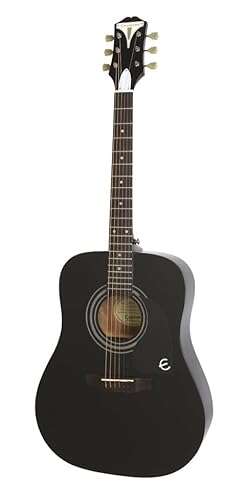
Epiphone Pro 1 Acoustic Guitar Review: Honest Verdict
Epiphone PRO-1 delivers surprisingly full tone and easy playability for beginners on a budget.
You want a dependable first guitar that sounds good, stays in tune, and won’t break the bank. Maybe you’re starting lessons, jamming with friends, or need a travel-ready acoustic. The Epiphone PRO-1 answers that need with a simple, no-frills design that focuses on playability and value. I tested it across practice sessions, small group jams, and quiet recording takes to see how it performs where most players actually use guitars.

Is Epiphone PRO-1 Good?
Yes — the Epiphone PRO-1 is a solid choice for new players and budget-conscious hobbyists. It’s not a high-end concert guitar, but it gives clean, balanced sound and easy fretting that helps beginners focus on technique. For players moving from a starter uke or practicing chords, this guitar feels familiar and welcoming. For me, it was a dependable practice tool. I took it to a casual open mic night and it handled simple strumming and fingerpicking without fuss. Another time, I left it in a gig bag for travel and still found it playable after a multi-hour drive. If you want a no-nonsense acoustic with decent tone, the PRO-1 is worth considering.

My First Impression for Epiphone PRO-1
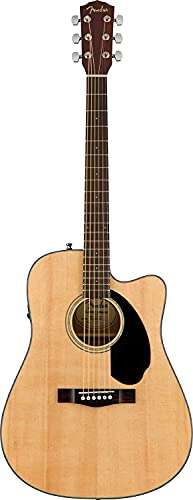
The guitar arrived in simple but protective packaging. The body had a clean finish and no visible dings. I noticed light weight right away. The neck felt smooth and the action was low. Setup was easy — I tuned and played within minutes. The strings were a bit bright out of the box, but settled after a day of playing. Build quality is good for the price. The satin neck is comfortable for long practice. I felt pleased rather than wowed. It met my expectations as a practice and beginner instrument. Overall, I was happy with the feel and immediate playability.

What Makes It Stand Out / Key Features
- Slim, comfortable neck for easy chord changes and practice sessions
- Steel-string acoustic design with surprisingly clear midrange
- Lightweight body—great for travel and long practice
- Simple, durable hardware that keeps tuning stable for casual play
- Attractive, low-maintenance finish that hides minor wear
- Budget-friendly price point with reliable factory setup
What I Like
- Great playability for beginners—low action and comfy neck
- Balanced tone that works for strumming and light fingerpicking
- Lightweight and easy to carry for travel or busking
- Solid build for the price—no rattles or cheap feel
- Affordable—lets you upgrade other gear like a case or lessons
What Could Be Better
- Not as bright or rich as higher-end tonewoods—limited projection
- Some players may prefer upgraded tuners or new strings for best tone
- Finish and detailing are basic—aimed at utility over luxury
My Recommendation
If you want an easy-to-play, budget acoustic for learning and casual gigs, the **Epiphone PRO-1** is a smart pick. It’s best when you value comfort and dependability over premium tone. I recommend it for students, hobbyists, and travelers. If you later want more projection, swapping strings or hardware will make the PRO-1 sing louder. Overall, the Epiphone PRO-1 gives strong beginner value and easy availability online.
| Best for | Why |
|---|---|
| Beginners | Low action and comfortable neck speed up learning |
| Travelers | Lightweight body makes it easy to carry |
| Budget buyers | Good sound without a steep price tag |
Alternative Products You Can Consider
Here are a few alternatives if you want different tone, brand, or features.
Yamaha FG800 — A classic workhorse with a solid spruce top. It offers more projection and fuller tone than the PRO-1. Choose this if you want a richer acoustic voice and are willing to spend a bit more.
Fender CD-60S — Another strong budget option with easy playability. The CD-60S often has a slightly fuller midrange and a thicker body feel. It’s a good step-up if you prefer Fender’s voicing.
Epiphone AJ-220S — From the same brand but with upgraded tonewood choices and a deeper body. It gives warmer tone and better sustain for players who like fuller sound while staying in a similar price bracket.
| Product | Best For | Key Difference |
|---|---|---|
| Epiphone PRO-1 | Beginners, travel | Lightweight, great value |
| Yamaha FG800 | Players seeking fuller tone | Solid spruce top with stronger projection |
| Fender CD-60S | Budget players wanting fuller midrange | Slightly thicker body and warmer sound |
| Epiphone AJ-220S | Players wanting richer tone in same brand | Deeper body, more sustain |
Final Verdict: Which Should You Buy?
If you want a straightforward, comfortable practice guitar, buy the Epiphone PRO-1. It shines for beginners, students, and travelers who need reliable playability and decent tone without a big investment. If you want richer projection and more stage presence, the Yamaha FG800 or Epiphone AJ-220S are better choices. The PRO-1 wins on value and ease of use. For most learners and casual players, the Epiphone PRO-1 is the smart, practical pick.
FAQs Of epiphone pro 1 acoustic guitar review
Is the Epiphone PRO-1 good for beginners?
Yes. The Epiphone PRO-1 is easy to play, has low action, and offers a clear tone that helps beginners learn chords and timing without frustration.
Does the PRO-1 stay in tune?
For casual play, yes. The tuners are reliable for practice and small gigs. For heavy gigging, consider upgrading tuners or keeping a tuner handy.
Can I upgrade strings or hardware on the PRO-1?
Absolutely. Swapping to higher-quality strings or better tuning machines can noticeably improve tone and tuning stability.
Is this guitar good for fingerpicking?
Yes for light fingerpicking. The tone is balanced enough for simple fingerstyle, though it won’t rival higher-end guitars for complex fingerpicked arrangements.
Where can I buy the Epiphone PRO-1?
You can find it on major retailers like Amazon. I’ve linked the current listing above for easy checking of price and availability.

Senior Music Reviewer
Alex Carter is a seasoned music reviewer with over a decade of experience in the world of sound and instruments. Passionate about helping musicians and enthusiasts make informed choices, he brings sharp insights and in-depth knowledge to every review. From classical instruments to modern gear, Alex combines technical expertise with a love for music to deliver content that resonates with readers.
As a Senior Music Reviewer and expert author on Tuneluma.com, Alex is dedicated to sharing honest evaluations, practical advice, and thoughtful commentary to guide readers in their musical journey.