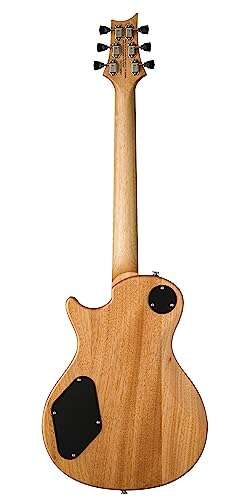
Prs Se Zach Myers Guitar Review: Honest Tone Test
Solid PRS SE Zach Myers 594: versatile tone, excellent playability for rock and blues players.
You’ve scrolled endless listings hunting for a pro-level tone without the pro-level price. Maybe you need a guitar that sounds great through a tube amp, stays reliable on gigs, and feels natural under your fingers. The PRS SE Zach Myers 594 aims to solve that. It gives a player-friendly neck, flexible tonal options, and a finish that stands out on stage. If you want a workhorse that blends modern playability with classic voice, this guitar could be the missing piece in your rig.

Is PRS SE Zach Myers 594 Good?
I’ll be direct: yes — for many players. The PRS SE Zach Myers 594 is a strong option if you play blues, hard rock, or need a versatile studio guitar. It delivers warm humbucker growl and clear single-note focus when you split coils. I used it in rehearsals and a short club gig. It cut through the band mix without being harsh. The tuning stayed steady during a set of drop-D songs, and the feel was comfortable for long sessions. If you want a reliable, stage-ready instrument with modern tone options, the PRS SE Zach Myers 594 is a sensible pick. It’s not a boutique high-end that you’d overpay for, but it gives big-sounding value.
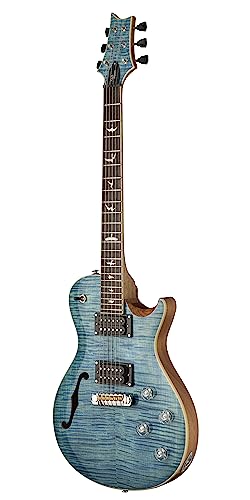
My First Impression for PRS SE Zach Myers 594
The guitar arrived well-packed in the gig bag with the finish clean and protected. The presentation felt thoughtful and safe for shipping. In hand, the body weight felt balanced and not tiring. The neck satin finish felt smooth and fast. Frets were level and nicely dressed. Setup out of the box needed only a slight truss tweak and a quick intonation check. Plugged into my amp, the neck pickup had a rich, rounded low-end and the bridge had bright bite without shrillness. I felt a real sense of excitement testing chords and humbucker dynamics. Overall, my first use met expectations and hinted at a very usable stage instrument.
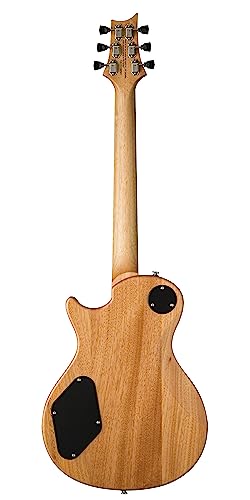
What Makes It Stand Out / Key Features
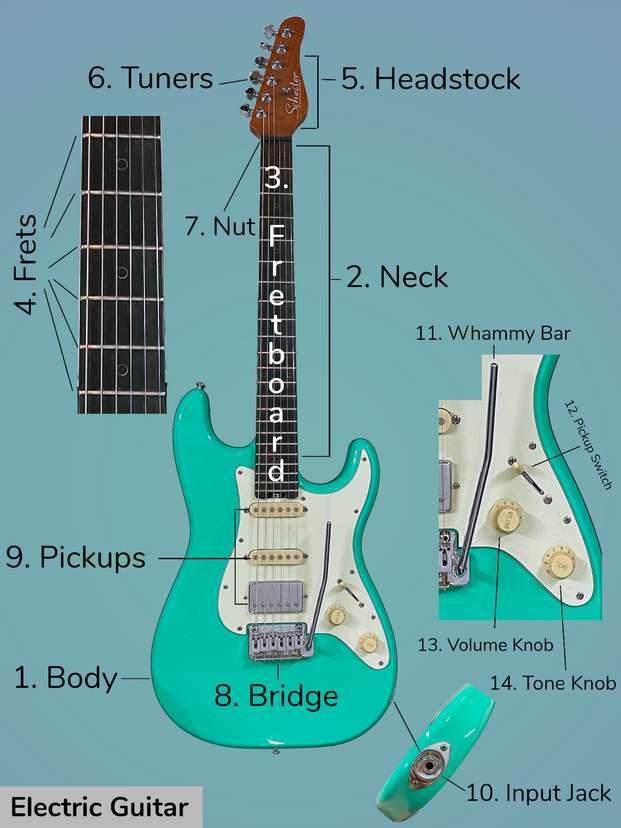
- 594-style humbucker set with coil-split options for tonal flexibility
- Set-neck design for sustain and smooth upper-fret access
- Comfortable modern PRS neck carve for fast playability
- Quality hardware tuned for stage use and reliable tuning stability
- Signature Myers Blue finish that looks striking under lights
- Solid build that bridges classic PRS voicing with modern utility
What I Like
- Great tonal range — from warm cleans to crunchy highs
- Comfortable neck that speeds up lead work and chording
- Reliable hardware that keeps tuning stable through bends
- Aesthetic finish that stands out live without being flashy
- Excellent value for the features you get at this price point
What Could Be Better
- Factory setup might need a pro tweak for optimal action
- Not as lightweight as some chambered alternatives
- Pickup voiced for versatility might not please players seeking a single ultra-specific tone
My Recommendation
If you want a versatile, gig-ready instrument, the PRS SE Zach Myers 594 is a smart buy. It suits players who split time between crunchy rhythm and singing leads. I recommend it for working musicians, recording players, and intermediate-to-advanced hobbyists who value tone and reliability. The PRS SE Zach Myers 594 balances stage presence and studio usefulness. Overall value and availability make it an easy pick if you want PRS-style performance without the boutique cost.
| Best for | Why |
|---|---|
| Gigging rock/blues players | Balanced pickups and reliable tuning suit live performance |
| Recording musicians | Versatile tones capture well in the studio |
| Players upgrading from entry-level | Pro features at a mid-range price help bridge the gap |
Alternative Products You Can Consider
PRS SE Custom 24 — This is best for players who want a classic PRS silhouette with versatile coil-splitting and a slightly more neutral voicing. It feels very similar in playability and offers a broader tonal palette for clean and ambient tones. Compared to the PRS SE Zach Myers 594, the Custom 24 leans a bit more toward classic PRS sparkle.
Epiphone Les Paul Standard — A great choice if you want a fat, vintage-style humbucker sound for rock and blues. It’s usually heavier but offers a classic voice that many players seek. Versus the PRS SE Zach Myers 594, the Les Paul feels chunkier with thicker midrange focus.
Fender Player Stratocaster HSS — Choose this if you need single-coil clarity and a humbucker bridge for crunch. It’s ideal for players who prioritize clean headroom and scooped tones. Compared to the PRS SE Zach Myers 594, the Strat HSS offers brighter cleans and more strat-like chime.
| Product | Best For | Key Difference |
|---|---|---|
| PRS SE Zach Myers 594 | Versatile gig and studio use | Balanced humbucker voice with coil-split and modern neck feel |
| PRS SE Custom 24 | Players seeking classic PRS tones | More neutral sparkle, wider tonal sweep |
| Epiphone Les Paul Standard | Fans of vintage humbucker warmth | Thicker midrange, heavier body |
| Fender Player Stratocaster HSS | Clean-focused players needing single-coil clarity | Brighter cleans, strat chime with HSS versatility |
Final Verdict: Which Should You Buy?
The PRS SE Zach Myers 594 is a winning choice if you need a versatile, reliable guitar for live gigs and studio work. Its balanced pickup set and comfortable neck make it a go-to for rock and blues. If you prefer a classic PRS shimmer or wider tonal sweep, consider the PRS SE Custom 24. For players chasing vintage humbucker heft, the Epiphone Les Paul is a solid, budget-friendly alternative. And if you want single-coil clarity with a humbucker option, the Fender Player Strat HSS is worth a look. For value, versatility, and stage-ready performance, PRS SE Zach Myers 594 stands out.
FAQs Of prs se zach myers guitar review
Is the PRS SE Zach Myers 594 good for beginners?
Yes, it can be a good option for beginners who plan to stick with playing. The neck is comfortable and the tones are forgiving. However, beginners should budget for a setup to get optimal action.
Can I split the humbuckers on the PRS SE Zach Myers 594?
Yes. The wiring includes coil-splitting options that let you access single-coil-like tones. This makes the guitar very flexible across styles.
Does it stay in tune on stage?
In my experience, yes. The hardware and setup kept tuning stable through bends and moderate tremolo use. A professional setup improves stability further.
Is the Myers Blue finish durable?
The finish held up well through handling and light gig wear. Like any guitar, avoid knocks and store it in a gig bag or case to preserve the finish.

Senior Music Reviewer
Alex Carter is a seasoned music reviewer with over a decade of experience in the world of sound and instruments. Passionate about helping musicians and enthusiasts make informed choices, he brings sharp insights and in-depth knowledge to every review. From classical instruments to modern gear, Alex combines technical expertise with a love for music to deliver content that resonates with readers.
As a Senior Music Reviewer and expert author on Tuneluma.com, Alex is dedicated to sharing honest evaluations, practical advice, and thoughtful commentary to guide readers in their musical journey.