Is Electric Guitar Harder Than Acoustic: Which Is Easier?
Electric guitar is not inherently harder than acoustic; each presents unique technical and musical challenges.
I’ve taught and played both electric and acoustic guitars for over a decade, and I can say with confidence that whether is electric guitar harder than acoustic depends on what you want to learn. This article breaks down tone, technique, gear, and practice so you can decide which path fits your goals. Read on for practical advice, real-world examples, and clear steps to make steady progress on either instrument.
Understanding the core differences
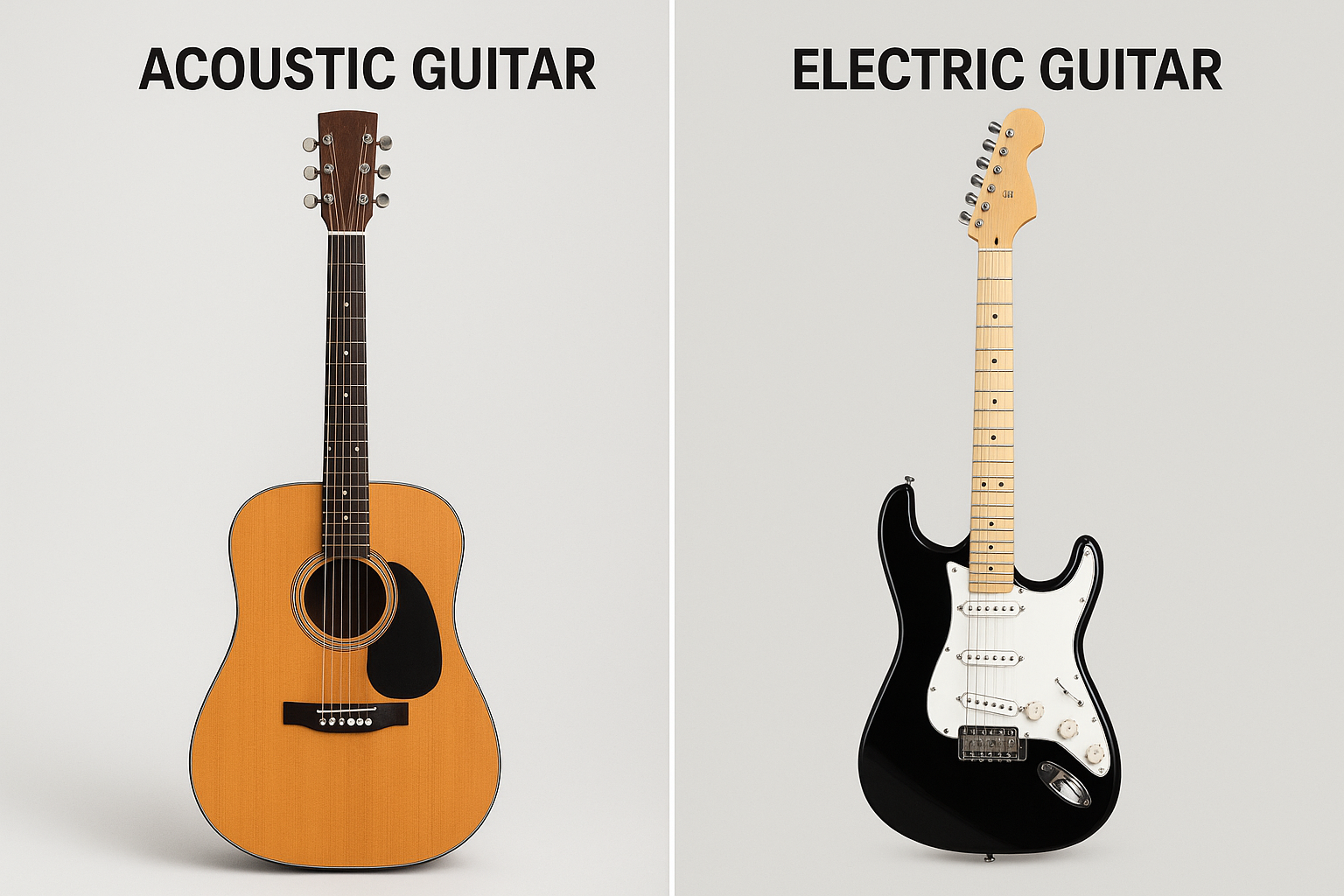
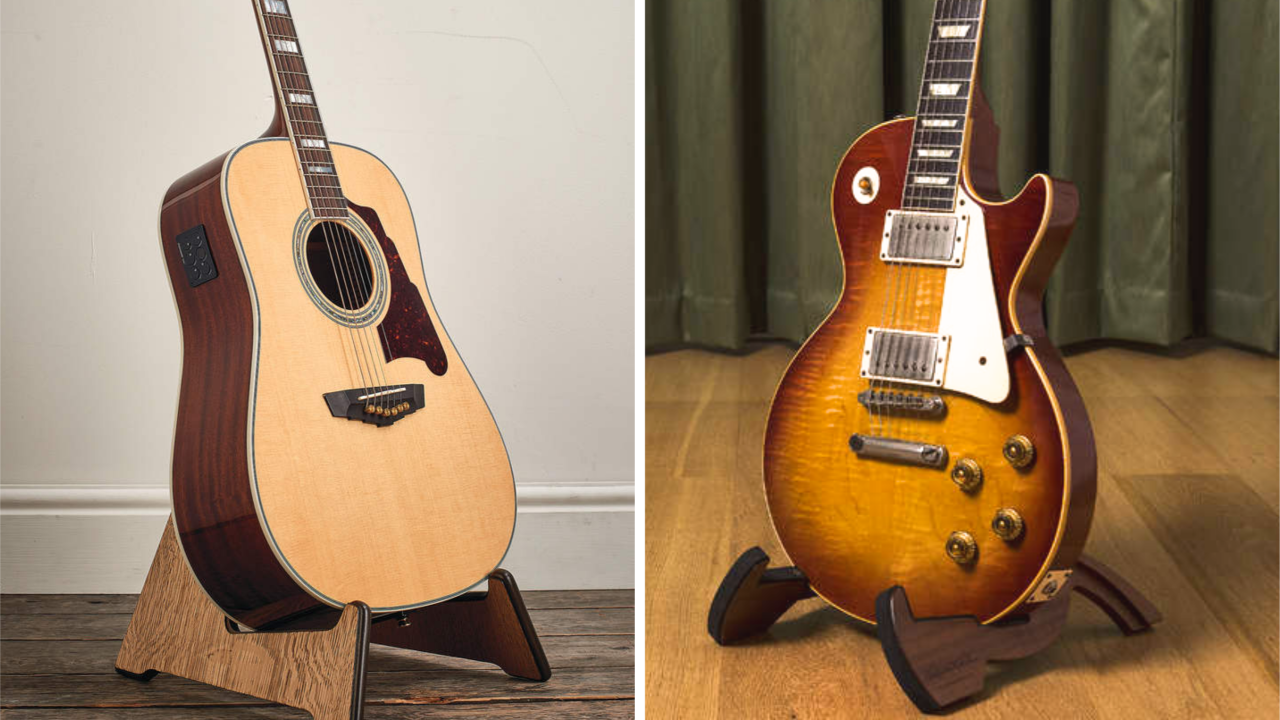
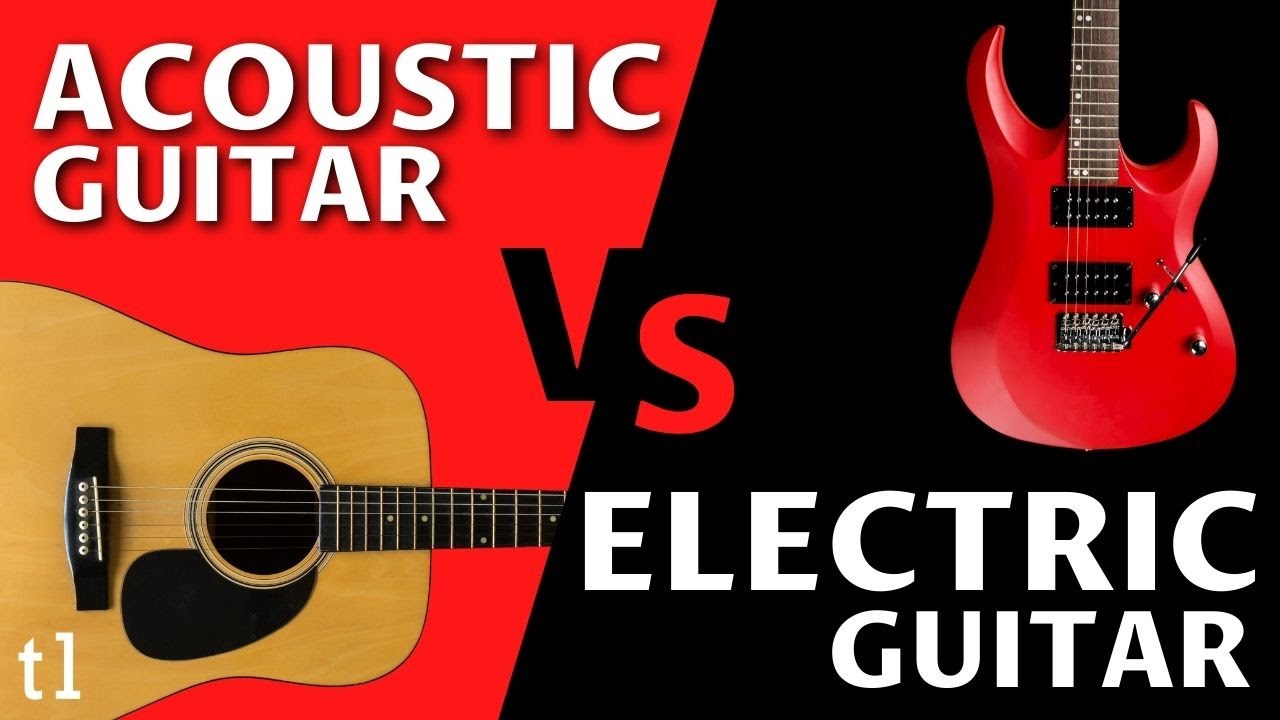
Electric and acoustic guitars share the same basic layout: six strings, frets, and similar tuning. The feel, response, and technique change how you approach each one. Electric guitars have thinner necks, lower action, and pickups that make soft touches register, while acoustics rely on body resonance and often require firmer fretting and stronger strumming. When people ask is electric guitar harder than acoustic they usually mean difficulty in technique, physical demand, or tone control. The honest answer is that both are approachable, but they stress different skills.
Key skills and technical differences
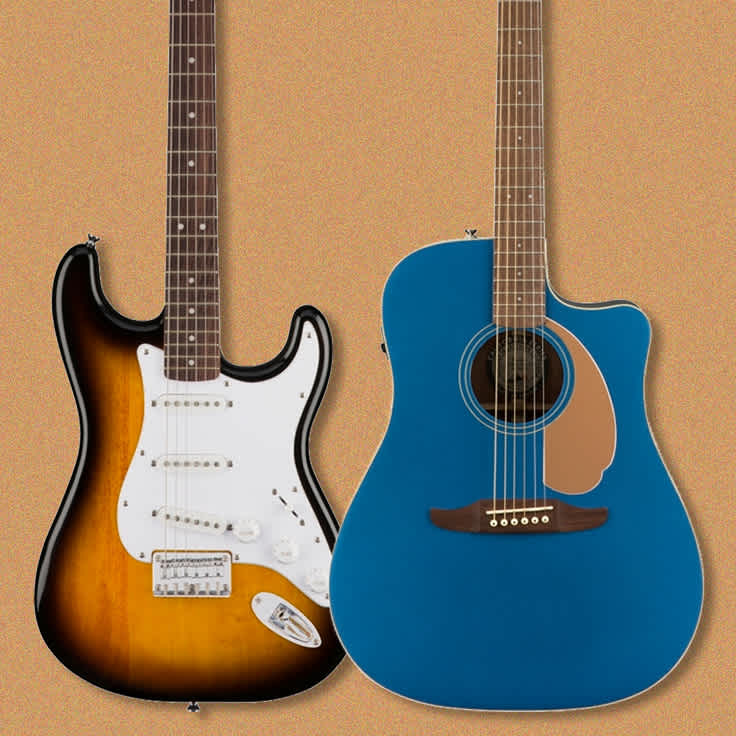
Technique for electric and acoustic diverges in clear ways. Acoustic playing often emphasizes strong right-hand rhythm, fuller chord shapes, and consistent pressure to avoid buzzing. Electric playing highlights single-note work, bends, vibrato, palm muting, and effects control.
Common technical contrasts
- String tension and gauge vary: acoustic strings are thicker and need more finger strength.
- Action and setup: electrics usually have lower action, making fretting easier but requiring finer touch.
- Tone shaping: electrics let you use volume and tone knobs, pedals, and amp settings to change sound.
- Dynamics and attack: acoustic players must control volume with touch; electric players can lean on amplification.
From my experience, beginners can sound good faster on electric due to low action and amplification. But mastering the nuance and projection of acoustic rhythm is a different challenge. When deciding if is electric guitar harder than acoustic, think about whether you prefer building finger strength and pure acoustic tone or developing subtle touch and gear control.
Learning curve and practice strategies
Both guitars have a learning curve, but it looks different. Acoustic practice often focuses on chord transitions, strumming patterns, and endurance. Electric practice emphasizes scales, single-note phrasing, bending accuracy, and feel with effects.
Practice plan examples
- For acoustic: warm up, practice chord changes for ten minutes, work on right-hand rhythm for ten minutes, and play a song for fun for the last ten.
- For electric: warm up with chromatic runs, practice a scale pattern, drill bends and vibrato, and experiment with tones through an amp or headphones.
When learners ask is electric guitar harder than acoustic they want to know which will progress faster. Expect to play full songs quicker on electric, but expect sustained practice for acoustic endurance. My teaching tip: mix both approaches—work on rhythm and single-note fluency each session.
Gear, setup, and maintenance
Gear changes the experience drastically. Acoustic players need a well-set action, fresh strings, and occasionally a pickup or mic for live work. Electric players deal with amps, pedals, cables, and maintenance of electronics.
Practical gear notes
- Setup matters: a proper setup lowers action and reduces buzz on both instruments.
- String choice: lighter gauge strings are easier to fret but change tone and feel.
- Electronics: electric guitars require amp knowledge and simple signal chain basics.
- Portability: acoustics are plug-and-play; electrics need an amp or interface to hear fully.
If you’re weighing is electric guitar harder than acoustic from a gear standpoint, know that electrics add complexity via electronics but also offer more tools to shape sound. I learned this the hard way—buying cheap cables and ignoring setup delayed my progress more than switching instruments ever did.
Musical context and style matters
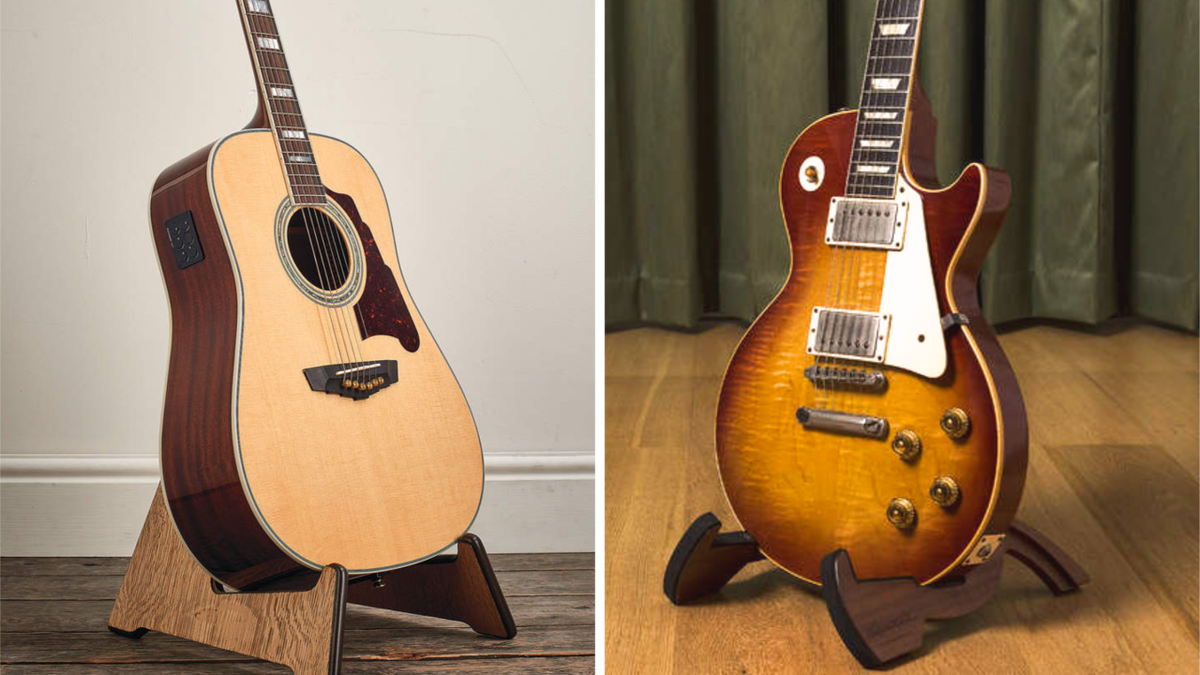
Style heavily influences perceived difficulty. Folk, country, and singer-songwriter pieces favor acoustic skills like rhythm, fingerpicking, and open chords. Rock, blues, metal, and jazz lean toward electric skills: bends, fast runs, palm muting, and effects.
Style-specific tips
- Fingerpicking: excellent to learn on acoustic for tone control and independence.
- Lead phrasing: electric is forgiving for sustain and expressive bends.
- Tone vocabulary: effects expand the electric player's palette but add learning time.
- Ensemble playing: acoustics often sit well in small groups; electrics can dominate or blend depending on settings.
As you ask is electric guitar harder than acoustic, include the style you want to play in your answer. I picked electric first because I wanted bends and tone shaping. That choice kept me motivated and made technical practice feel like musical exploration.

Who should choose which
Choosing depends on goals, body comfort, and sonic taste. Pick acoustic if you want immediate unplugged music, strong rhythm skills, and a straightforward setup. Pick electric if you value tone design, lead playing, and lower physical strain on fretting fingers.
Decision checklist
- If you enjoy singing while playing, acoustic often works best.
- If you want to play lead solos or use effects, electric is a better fit.
- If finger strength is a concern, an electric’s lighter strings may help.
- If you want simple setup and portability, acoustic is ideal.
Is electric guitar harder than acoustic? For many beginners, the electric feels easier at first. Long term, both demand focused practice. My mistake early on was switching instruments too often; staying with one and practicing deliberately produced far better results.

Common quick questions people also ask
Q: Will I learn chords faster on electric or acoustic?
A: Most learners form basic open chords faster on electric because of lower action. Acoustic requires stronger fretting and may slow early chord clean-up.
Q: Does amplification hide technique flaws?
A: Yes, an amp can smooth tone and cover weak attack, so it’s wise to practice cleanly through headphones too.
Q: Can skills transfer between electric and acoustic?
A: Absolutely. Rhythm, scales, and phrasing translate well. Each instrument will improve your overall musicality.
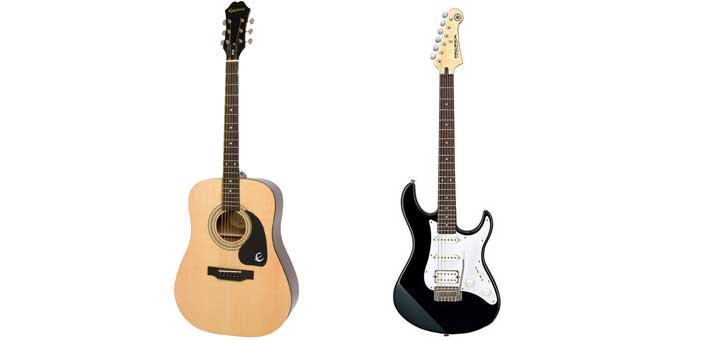
Frequently Asked Questions of is electric guitar harder than acoustic
Is electric guitar harder than acoustic for beginners?
No. Many beginners find electric easier due to lighter strings and lower action. Long-term difficulty depends on style and goals.
Which guitar builds finger strength faster?
Acoustic guitars typically build finger strength faster because of thicker strings and higher action. That strength helps with broader technique later.
Can I switch between electric and acoustic easily?
Yes. Core skills translate well, but expect a short adjustment period for touch and tone control. Practice both to ease the switch.
Do effects on electric guitars make learning harder?
Effects add a layer of learning but don’t block basic skill development. Start clean, then add pedals and amp settings as you progress.
Should I buy lessons for acoustic or electric?
Lessons help for either instrument. Choose lessons that match your style goals and focus on consistent practice and fundamentals.
Is it cheaper to start with acoustic or electric?
Acoustics are often cheaper upfront because you don’t need an amp. However, a basic electric setup can be affordable and may speed motivation.
Will learning one make me a better player on the other?
Yes. Learning rhythm, timing, and theory on either instrument helps both. Each teaches skills the other benefits from.
Conclusion
Both electric and acoustic guitars can be easy to start and lifetimes to master. The question is not strictly whether is electric guitar harder than acoustic, but which challenges you enjoy and will practice. Choose based on musical goals, comfort, and the kind of sound that inspires you. Start small, practice deliberately, and focus on consistent habits: five to twenty minutes daily beats long, sporadic sessions. Try both if you can, pick the one that keeps you playing, and share your progress or questions below — I’d love to help you pick the next steps.

Senior Music Reviewer
Alex Carter is a seasoned music reviewer with over a decade of experience in the world of sound and instruments. Passionate about helping musicians and enthusiasts make informed choices, he brings sharp insights and in-depth knowledge to every review. From classical instruments to modern gear, Alex combines technical expertise with a love for music to deliver content that resonates with readers.
As a Senior Music Reviewer and expert author on Tuneluma.com, Alex is dedicated to sharing honest evaluations, practical advice, and thoughtful commentary to guide readers in their musical journey.