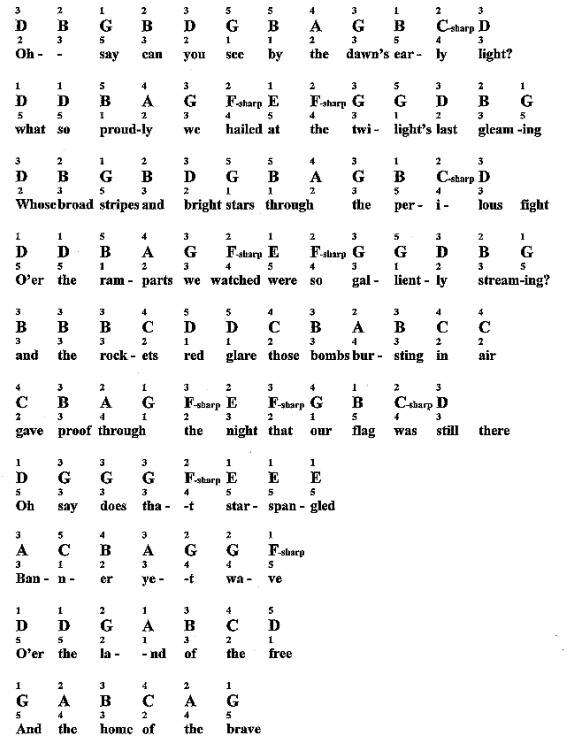
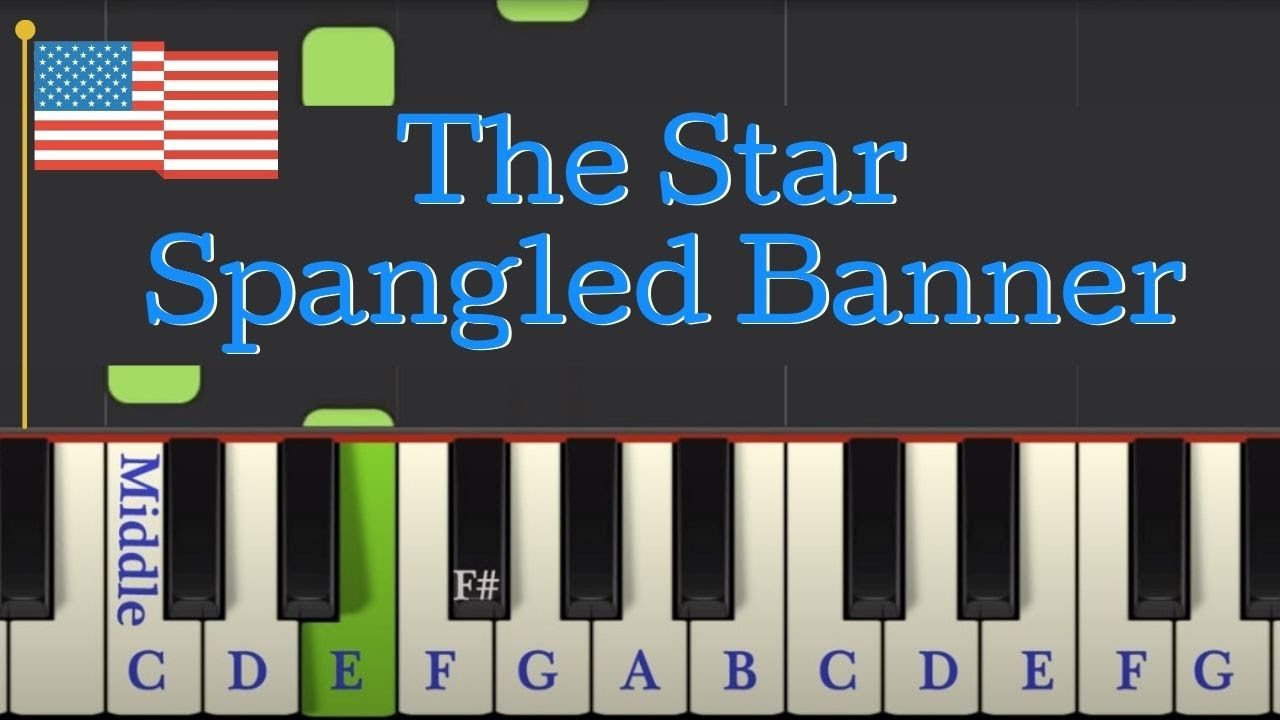
How To Play The Star Spangled Banner On Piano: Easy Tips
Play the Star-Spangled Banner on piano by learning the melody, simple chords, and steady rhythm.
I’ve taught and arranged national songs for students and performers for over a decade, and I’ll guide you through how to play the Star Spangled Banner on piano with clear steps, easy practice plans, and real-world tips. Read on to learn a beginner-friendly approach, how to add tasteful harmony, common pitfalls, and ways to make the anthem sound confident and respectful at any event.

Why learn how to play the Star Spangled Banner on piano
The song is a piece many pianists are asked to play at events. Learning how to play the Star Spangled Banner on piano gives you a useful skill for recitals, ceremonies, and personal practice. It also teaches phrasing, wide-range melody control, and expressive timing.
This song can be arranged simply for beginners or richly for advanced players. No matter your level, the same core steps apply: learn the melody, add steady harmony, and shape the tempo.
Quick musical facts you should know before you start
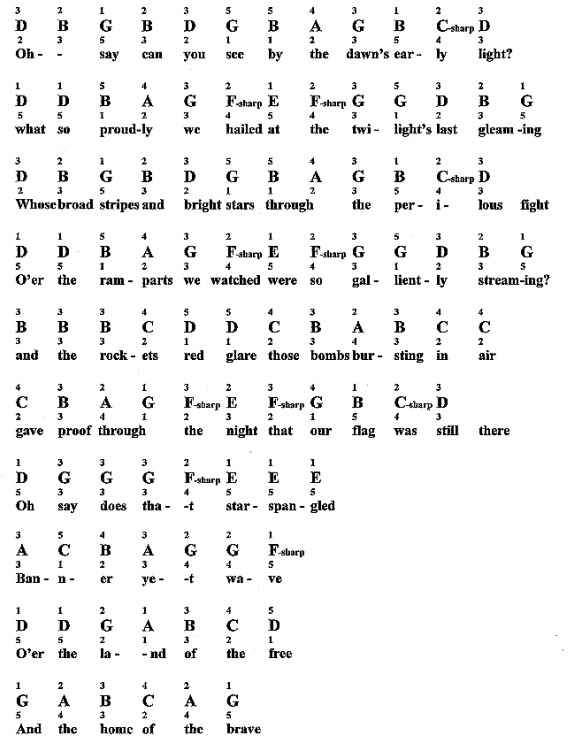
The Star-Spangled Banner dates back to the early 1800s. The tune was written as a British song and later paired with the lyrics by Francis Scott Key. It’s commonly played in 3/4 or 4/4 depending on the arrangement, and many modern piano versions use C major or B-flat major for ease.
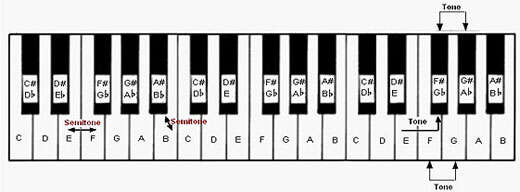
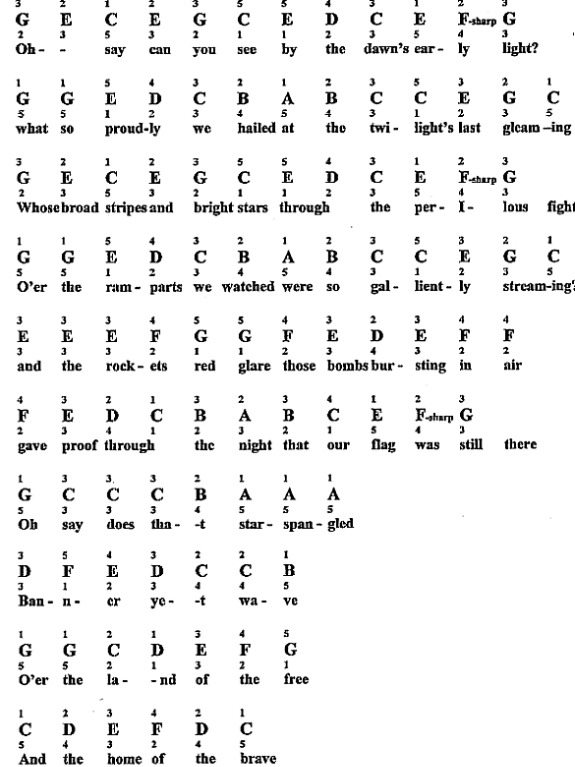
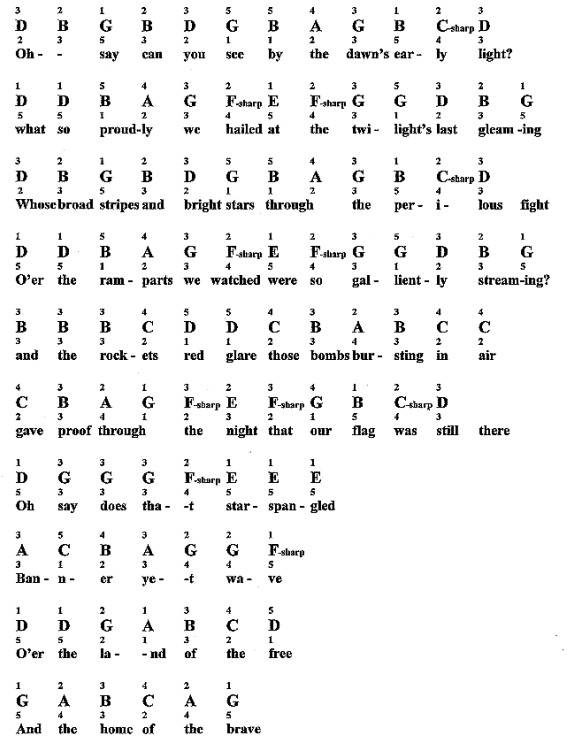
Knowing the key and the time will make learning how to play the Star Spangled Banner on piano much smoother. If you are a beginner, start in C major for fewer sharps and flats.
Understanding the melody and phrase structure
The anthem’s melody is wide and dramatic. It often spans more than an octave, which means you will practice large jumps and hold long, open notes. Break the tune into short phrases. Learn each line slowly and repeat it until it feels natural.
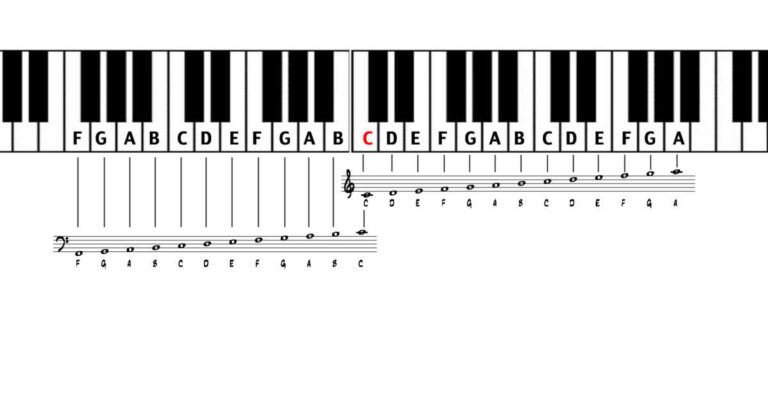
Practice by singing the phrase first, then play it on the right hand. Use simple fingerings and mark tough jumps. Phrasing and breath shape how you play, even on piano. Feel each phrase like a spoken sentence.
People also ask
What key should a beginner use?
Start in C major for fewer accidentals and simpler fingerings.
Is the melody hard to sing or play?
It’s challenging because it spans a wide range, but split into short phrases it becomes manageable.
Basic arrangement approach for beginners
Follow these steps to learn how to play the Star Spangled Banner on piano in a simple way.
- Learn the melody with the right hand only.
- Break it into 4–8 measure chunks.
- Play at half speed until accurate.
- Add left hand single-note bass or root notes.
- Use root notes on beats 1 and 3 to keep it steady.
- Add simple block chords when both hands are ready.
- Use basic triads: I, IV, V and occasional V7.
- Play slowly and focus on matching the left hand to the right hand phrase length.
Keep each practice short and focused. Repetition beats long unfocused practice for fast progress.

Suggested chord progression and voicing tips
A simple harmonic map helps you support the melody. For many versions in C major, try this basic flow.
- I (C) — V (G) — I (C)
- IV (F) — I (C) — V7 (G7)
- Use I, IV, V, and V7 frequently to support the melody.
Voicing tips:
- Put the melody clearly on top. Play left-hand chords softer.
- Use broken chords or arpeggios for a gentle backdrop.
- Add a low bass note on the downbeat to anchor the harmony.
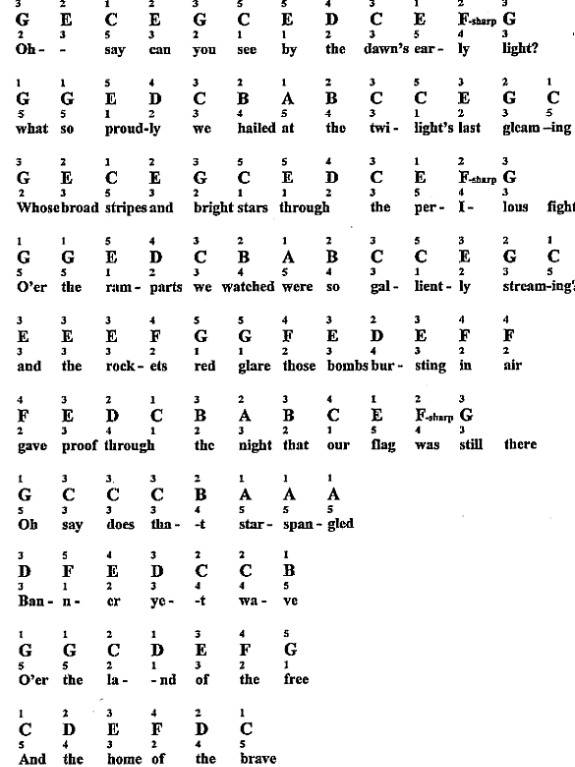
Source: true-piano-lessons.com
Step-by-step beginner version (practice-friendly)
Follow these condensed steps to get a simple playable version fast.
- Hands separately: Right hand learn phrase 1; left hand play C then G.
- Combine slowly: Hands together at 60–70 BPM.
- Add chordal support: Switch left hand to full triads when steady.
- Shape phrases: Slightly slow into the last measure of each phrase.
- Increase tempo and dynamics once clean.
This method keeps practice focused and builds confidence quickly.

Intermediate and advanced ideas to make it sound professional
Once you can play notes cleanly, add musicality. These ideas help when you want a richer sound.
- Use tasteful rubato at phrase ends.
- Add 7th and 9th chords for color.
- Employ octave doubling for the melody in climactic lines.
- Use the sustain pedal sparingly to blend long notes.
- Practice wide leaps slowly to keep them precise.
These choices help your version of how to play the Star Spangled Banner on piano feel like a performance, not just a recital piece.
Rhythm, tempo, and expressive timing
The anthem needs respect. Pick a steady tempo that suits the event. For formal events, choose a moderate tempo and avoid extreme rubato.
Practical timing tips:
- Tap a metronome: start at around 60–72 BPM for ceremonies.
- Use slight lengthening on important words in the melody.
- Keep one steady pulse in the left hand while the right hand breathes.
Good timing makes a familiar tune sound thoughtful and assured.

Common mistakes and how to fix them
Many pianists rush, miss large leaps, or bury the melody. These fixes will help.
- Mistake: Rushing the phrases.
- Fix: Slow the tempo and practice with a metronome.
- Mistake: Melody buried under chords.
- Fix: Reduce left-hand volume and balance with right hand.
- Mistake: Missed jumps.
- Fix: Practice jumps in isolation, then add context.
- Mistake: Overuse of pedal.
- Fix: Use pedal only to sustain long notes and clear quickly.
These small changes make a big difference in performance quality.
Practice plan: 4-week approach
A clear plan speeds progress. Here’s a short plan that works for most players learning how to play the Star Spangled Banner on piano.
Week 1
- Learn the melody by ear and in small chunks.
- Hands separately, slow tempo, 15 minutes daily.
Week 2
- Combine hands, add simple left-hand bass or triads.
- Increase to 20–25 minutes daily.
Week 3
- Work on dynamics, voicing, and pedaling.
- Practice performance runs and problem measures.
Week 4
- Polish, play through the whole piece, record yourself.
- Practice with accompaniment or metronome, prepare for live play.
Consistent short sessions beat long sporadic practice.
Personal experience, tips, and lessons learned
I once had to play the anthem for a graduation with no rehearsal. I learned two key things: keep the arrangement simple, and always have a quick tempo map for the event. Simple versions are forgiving and sound dignified when played cleanly.
Tips from years of teaching:
- Mark tricky jumps and practice them slowly.
- Sing the melody while you play; it helps phrasing.
- Wear what you will wear for the event during a final practice to simulate nerves.
These small practical steps will make your real performance go smoother.
Resources and sheet music options
You’ll want a reliable sheet or a clean simple arrangement. Look for:
- Simplified beginner arrangements in C major.
- Lead sheets that show melody and chord symbols.
- Full classical arrangements for advanced players.
Also use online tutorials and recordings to match style and tempo. Pairing sheet music with listening helps you internalize phrasing and nuance.
People also ask (short answers)
How long does it take to learn the anthem on piano?
With focused daily practice, a simple version can be learned in 1–2 weeks; a polished version may take a month or more.
Which key is easiest for beginners?
C major is easiest because it has no sharps or flats and simpler finger patterns.
Should I play it exactly like the recording?
Match the style to the event. Aim for clarity and respect rather than copying an ornate recording.
Can I use a sustain pedal for long notes?
Yes, but use it sparingly to avoid blurring the harmony; clear the pedal between phrases.
How should I practice wide jumps in the melody?
Practice slowly, isolate jumps, mark fingerings, and build speed gradually.
Frequently Asked Questions of how to play the Star Spangled Banner on piano
What is the easiest key to play the song in?
C major is the easiest key for most beginners because it has no sharps or flats and simpler chords.
How do I handle the wide vocal range on piano?
Break the melody into short phrases, practice large leaps slowly, and use octave doubling only when secure.
How much should I use pedal when playing?
Use pedal for long sustained lines, but change it between phrases to keep the harmony clear.
Can I simplify the chords for a ceremony?
Yes. Use basic triads (I, IV, V) and play root position chords to keep it steady and dignified.
What tempo is appropriate for formal events?
A steady moderate tempo around 60–72 BPM is common for formal events and keeps phrasing clear.
Conclusion
Learning how to play the Star Spangled Banner on piano is a practical skill that builds technique and musical sensitivity. Start simple: learn the melody, add steady harmony, shape the phrases, and practice with a clear plan. With focused short practice sessions and attention to balance and timing, you’ll be ready to play confidently for any occasion.
Take one small step today: pick a simple arrangement, learn the first phrase, and practice it five minutes a day for a week. Share your progress or questions in the comments, or subscribe for more practical piano guides.

Senior Music Reviewer
Alex Carter is a seasoned music reviewer with over a decade of experience in the world of sound and instruments. Passionate about helping musicians and enthusiasts make informed choices, he brings sharp insights and in-depth knowledge to every review. From classical instruments to modern gear, Alex combines technical expertise with a love for music to deliver content that resonates with readers.
As a Senior Music Reviewer and expert author on Tuneluma.com, Alex is dedicated to sharing honest evaluations, practical advice, and thoughtful commentary to guide readers in their musical journey.